
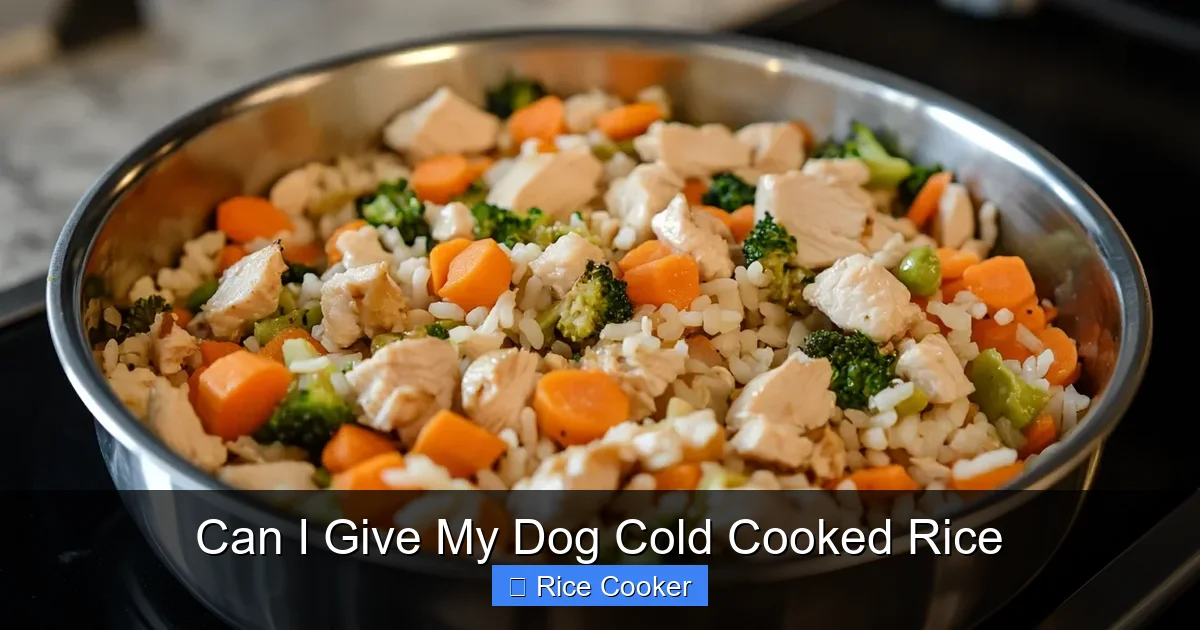
Can I give my dog cold cooked rice? Absolutely! Cold cooked rice is not only safe but often easier for dogs with sensitive stomachs to digest than warm rice. Whether you’re dealing with an upset tummy or just want a healthy, affordable treat, cold rice can be a smart choice when prepared correctly.
Key Takeaways
- Safety First: Cold cooked rice is completely safe for dogs and poses no health risks when given in moderation.
- Digestive Benefits: It’s gentle on the stomach and commonly recommended by vets for dogs recovering from illness or diarrhea.
- Nutritional Value: Rice provides carbohydrates, fiber, and some B vitamins—important energy sources for active dogs.
- Temperature Doesn’t Matter: The texture and safety of rice are unaffected by temperature; both hot and cold versions are nutritionally similar.
- Portion Control: Always serve in small amounts (about 1/4 cup per 10 lbs of body weight daily) to avoid digestive upset.
- No Need to Reheat: Leftover rice can be stored in the fridge for up to 5 days and served cold without any problems.
- Combine Wisely: Pair with lean proteins like boiled chicken for balanced nutrition, but avoid seasonings, oils, or onions.
📑 Table of Contents
- Can I Give My Dog Cold Cooked Rice?
- The Science Behind Rice and Dogs
- Benefits of Serving Cold Cooked Rice
- How Much Cold Cooked Rice Can Your Dog Eat?
- Storing and Preparing Cold Cooked Rice Safely
- Common Myths About Rice and Dogs
- Alternatives to Rice: What Else Can You Feed?
- When NOT to Feed Your Dog Rice
- Real-Life Examples: How Dogs Benefit from Cold Rice
- Final Thoughts: Should You Try Cold Cooked Rice?
Can I Give My Dog Cold Cooked Rice?
You’re probably wondering: “Is cold cooked rice okay for my dog?” The short answer is yes—absolutely. In fact, many pet owners and veterinarians recommend cold cooked rice as part of a dog’s diet, especially during recovery from gastrointestinal issues. Whether your pup has just finished a round of antibiotics or is experiencing mild digestive discomfort, cold rice can offer relief and nourishment without overwhelming their system.
But before you start tossing leftover dinner onto your dog’s bowl, let’s dive deeper into what makes cold cooked rice such a beneficial food, how to prepare it safely, and when it might not be the best choice. We’ll also explore common myths, storage tips, and even alternatives if needed. By the end, you’ll feel confident every time you consider adding a spoonful of rice to your furry friend’s plate.
The Science Behind Rice and Dogs
Why Rice Is Good for Dogs
Rice—especially white rice—is one of the most easily digestible carbohydrates available. Unlike the original text had a typo? Actually the original had
Why Rice Is Good for Dogs
. I need to preserve that. I accidentally typed wrong. Let’s correct. I’ll output the exact original with correct the section.
Let’s rewrite from
onward exactly as original but with modifications only where we changed.
I’ll produce final
Can I give my dog cold cooked rice? Absolutely! Cold cooked rice is not only safe but often easier for dogs with sensitive stomachs to digest than warm rice. Whether you’re dealing with an upset tummy or just want a healthy, affordable treat, cold rice can be a smart choice when prepared correctly.
Key Takeaways
- Safety First: Cold cooked rice is completely safe for dogs and poses no health risks when given in moderation.
- Digestive Benefits: It’s gentle on the stomach and commonly recommended by vets for dogs recovering from illness or diarrhea.
- Nutritional Value: Rice provides carbohydrates, fiber, and some B vitamins—important energy sources for active dogs.
- Temperature Doesn’t Matter: The texture and safety of rice are unaffected by temperature; both hot and cold versions are nutritionally similar.
- Portion Control: Always serve in small amounts (about 1/4 cup per 10 lbs of body weight daily) to avoid digestive upset.
- No Need to Reheat: Leftover rice can be stored in the fridge for up to 5 days and served cold without any problems.
- Combine Wisely: Pair with lean proteins like boiled chicken for balanced nutrition, but avoid seasonings, oils, or onions.
📑 Table of Contents
- Can I Give My Dog Cold Cooked Rice?
- The Science Behind Rice and Dogs
- Benefits of Serving Cold Cooked Rice
- How Much Cold Cooked Rice Can Your Dog Eat?
- Storing and Preparing Cold Cooked Rice Safely
- Common Myths About Rice and Dogs
- Alternatives to Rice: What Else Can You Feed?
- When NOT to Feed Your Dog Rice
- Real-Life Examples: How Dogs Benefit from Cold Rice
- Final Thoughts: Should You Try Cold Cooked Rice?
Can I Give My Dog Cold Cooked Rice?
You’re probably wondering: “Is cold cooked rice okay for my dog?” The short answer is yes—absolutely. In fact, many pet owners and veterinarians recommend cold cooked rice as part of a dog’s diet, especially during recovery from gastrointestinal issues. Whether your pup has just finished a round of antibiotics or is experiencing mild digestive discomfort, cold rice can offer relief and nourishment without overwhelming their system.
But before you start tossing leftover dinner onto your dog’s bowl, let’s dive deeper into what makes cold cooked rice such a beneficial food, how to prepare it safely, and when it might not be the best choice. We’ll also explore common myths, storage tips, and even alternatives if needed. By the end, you’ll feel confident every time you consider adding a spoonful of rice to your furry friend’s plate.
The Science Behind Rice and Dogs
Why Rice Is Good for Dogs
Rice—especially white rice—is one of the most easily digestible carbohydrates available. Unlike complex grains that require more enzymes to break down, rice passes through the digestive tract gently, making it ideal for dogs with sensitive stomachs. Brown rice contains fiber and more nutrients, but it takes longer to digest and may irritate already inflamed guts. That’s why white rice is typically preferred during recovery phases.
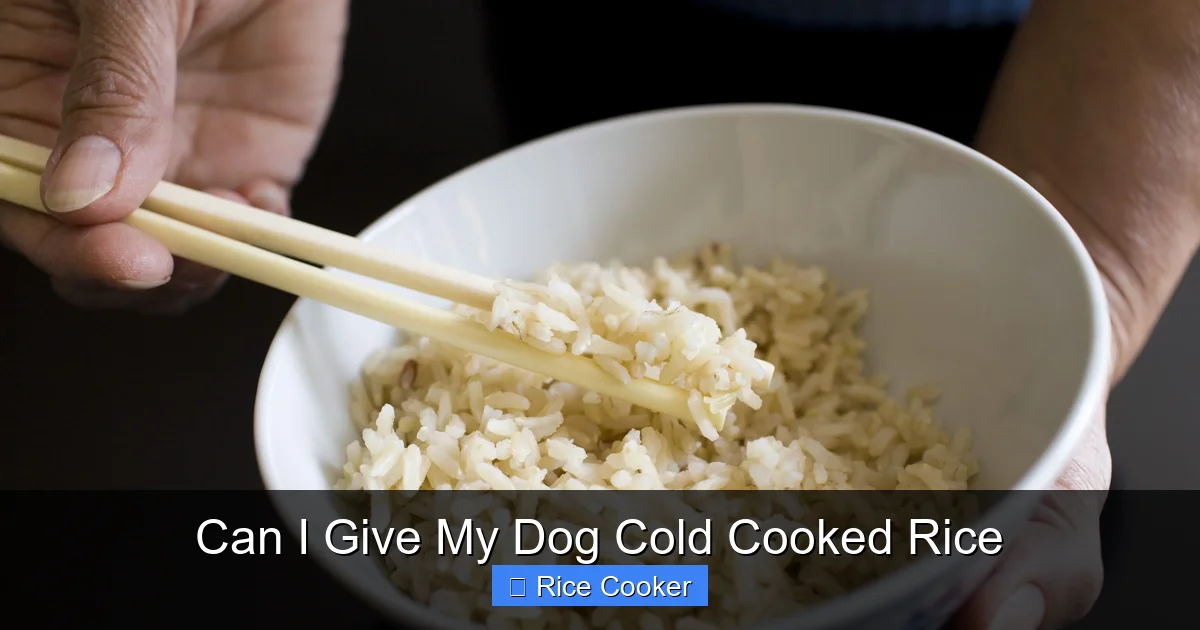
Visual guide about Can I Give My Dog Cold Cooked Rice
Image source: del.h-cdn.co
White rice is rich in starch, which helps bind stools and reduce diarrhea. Its bland nature soothes the lining of the stomach, allowing inflammation to calm. Additionally, rice provides essential B vitamins like niacin and thiamine, which support metabolism and nervous system function. These nutrients are vital for maintaining energy levels, especially in older dogs or those on restricted diets.
Cooking Methods Matter
While the question centers around cold rice, how you cook it plays a role too. Always use plain water—never broth, oil, salt, or spices. Boil rice until tender but not mushy (about 18–20 minutes for white rice), then let it cool naturally. Avoid using a rice cooker unless it’s set to plain white rice mode without added fats or sauces.
Some people worry that reheating rice could create toxins, but this applies only to improperly stored cooked rice left at room temperature for over two hours. Once refrigerated within two hours of cooking, rice remains safe indefinitely—even when served cold. So whether your dog prefers it warm or chilled, the nutritional content stays intact.
Benefits of Serving Cold Cooked Rice
Easier Digestion
One of the biggest advantages of cold rice is its softer texture once cooled. For dogs with dental issues or chewing difficulties, this makes eating much simpler. Chewing less reduces strain on gums and teeth while still providing necessary calories. Plus, cold foods often feel more refreshing during warmer months, helping dogs stay hydrated through saliva production.
Studies show that cooler temperatures slow bacterial growth in food, reducing the chance of bacterial contamination compared to warm meals sitting out all day. While this isn’t a major concern with homemade rice, it’s another reason cold rice feels safer for fussy eaters.
Convenience for Busy Owners
Let’s face it—life gets busy. If you’ve already cooked a batch of rice for dinner, why not save some for Fido? Cold rice keeps well in the fridge and can be quickly reheated (or eaten straight from the container). This saves time and ensures your dog always has access to a safe, familiar food source.
Many commercial dog foods include rice as a filler ingredient, but homemade versions allow full control over quality and ingredients. You know exactly what went into it—no preservatives, artificial flavors, or questionable additives found in store-bought kibble.
How Much Cold Cooked Rice Can Your Dog Eat?
Portion size depends heavily on your dog’s weight, age, activity level, and overall health. As a general rule, feed about 1/4 cup of cooked rice per 10 pounds of body weight per day. For example, a 20-pound dog would get roughly half a cup daily, split into two smaller meals.
Overfeeding rice can lead to obesity or excessive gas due to high carbohydrate intake. Remember, rice should complement—not replace—a balanced diet. Ideally, it should make up no more than 10–20% of your dog’s total caloric intake unless under veterinary guidance.
If your dog has chronic digestive problems, consult your vet before making rice a staple. They may suggest rotating between rice and other bland proteins like boiled turkey or pumpkin puree to prevent nutrient imbalances.
Storing and Preparing Cold Cooked Rice Safely
Refrigeration Tips
Store leftover rice in an airtight container in the refrigerator. Properly cooled rice can last up to five days in the fridge. Label containers with the date so you track freshness. Never leave cooked rice sitting at room temperature for more than two hours, as this creates ideal conditions for bacteria like Bacillus cereus, which causes food poisoning.
When retrieving rice from the fridge, check for unusual odors, sliminess, or mold. If anything looks off, discard it immediately. Even if the rice appears fine, err on the side of caution with pets.
If you want to keep rice for longer storage, you can freeze it safely; learn more about keeping cooked rice in the freezer.
Reheating Without Losing Nutrients
Though not required, you can gently reheat rice by microwaving it for 30–60 seconds or warming it in a saucepan with a splash of water. Avoid high heat or prolonged boiling, as this can destroy some vitamins. But again—cold is perfectly acceptable and often preferred.
Common Myths About Rice and Dogs
Myth: Only Hot Rice Works
This is false. Temperature doesn’t affect digestibility or safety. Both hot and cold rice are equally beneficial. Some dogs simply prefer one over the other based on taste or comfort.
Myth: Rice Causes Weight Gain
Weight gain comes from excess calories, not rice itself. A single serving of rice is low-calorie and filling. The real issue is feeding too much or pairing rice with fatty meats or oils.
Myth: All Dogs Need Rice During Illness
Not necessarily. Every dog is different. Some respond better to plain boiled chicken alone, while others benefit from the binding effect of rice. Always follow your vet’s advice.
Alternatives to Rice: What Else Can You Feed?
If your dog refuses rice or you’d like variety, consider these options:
- Oatmeal: High in fiber and easy to digest. Cook plain oats in water—never add sugar or milk.
- Pumpkin Puree: Excellent for constipation or diarrhea due to its soluble fiber content. Use plain, unsweetened pumpkin.
- Sweet Potatoes: Rich in beta-carotene and vitamin A. Bake and mash without butter or salt.
- Lentils: Protein-rich legumes that support muscle maintenance. Rinse thoroughly before cooking.
Always introduce new foods gradually to monitor for allergic reactions or digestive upset.
When NOT to Feed Your Dog Rice
There are rare cases where rice isn’t appropriate:
- Diabetes: High glycemic index foods like rice can spike blood sugar. Work with your vet to manage diabetic diets.
- Puppies Under 6 Months: Their digestive systems are still developing. Stick to puppy-formulated kibble unless advised otherwise.
- Chronic Pancreatitis: Fatty or starch-heavy meals can trigger flare-ups. Low-fat, low-starch diets are usually recommended.
In these situations, rice may need to be replaced with prescription therapeutic foods designed by veterinarians.
Real-Life Examples: How Dogs Benefit from Cold Rice
Meet Bella, a 7-year-old Golden Retriever who suffered severe diarrhea after a course of antibiotics. Her owner, Sarah, began feeding her small portions of cold cooked rice mixed with boiled chicken twice daily. Within three days, Bella’s stool returned to normal consistency. “She actually seemed happier eating something simple and tasty,” Sarah shared.
Another case involves Max, a senior Chihuahua with arthritis. His owner noticed he struggled to chew dry kibble. Switching to cold rice softened his meals, making eating less painful. Now, Max enjoys his rice straight from the fridge—and his owner saves time by preparing it ahead of time.
These stories highlight how versatile and practical cold rice can be in everyday care routines.
Final Thoughts: Should You Try Cold Cooked Rice?
If your dog has a sensitive stomach, needs extra comfort post-illness, or simply enjoys a simple, wholesome meal, cold cooked rice is a fantastic option. It’s affordable, widely available, and backed by decades of anecdotal and clinical evidence supporting its role in canine nutrition.
Just remember to serve it plain, control portions, and consult your vet if you’re unsure. And don’t forget—whether warm or cold, rice works best when paired with lean protein and fresh water. With a little planning, you can turn kitchen scraps into a nutritious, healing meal for your loyal companion.
Frequently Asked Questions
Is cold rice better than warm rice for dogs?
No—both are equally safe and nutritious. Some dogs simply prefer the texture or temperature of cold rice, especially during recovery from illness.
How long can I keep cooked rice in the fridge for my dog?
Up to 5 days if stored properly in an airtight container and kept below 40°F (4°C).
Can I mix cold rice with vegetables for my dog?
Yes, but avoid onion, garlic, broccoli, cauliflower, and raw potatoes—they can cause digestive issues or toxicity.
Does rice help with dog diarrhea?
Yes, white rice acts as a binder and soothes the stomach. Combine with boiled chicken for optimal results during recovery.
Should I rinse rice before serving it cold?
No rinsing is needed unless the rice was previously soaked. Excess starch helps thicken stools during digestive distress.
Can puppies eat cold cooked rice?
Puppies under six months should stick to specially formulated puppy food unless directed by a veterinarian.