
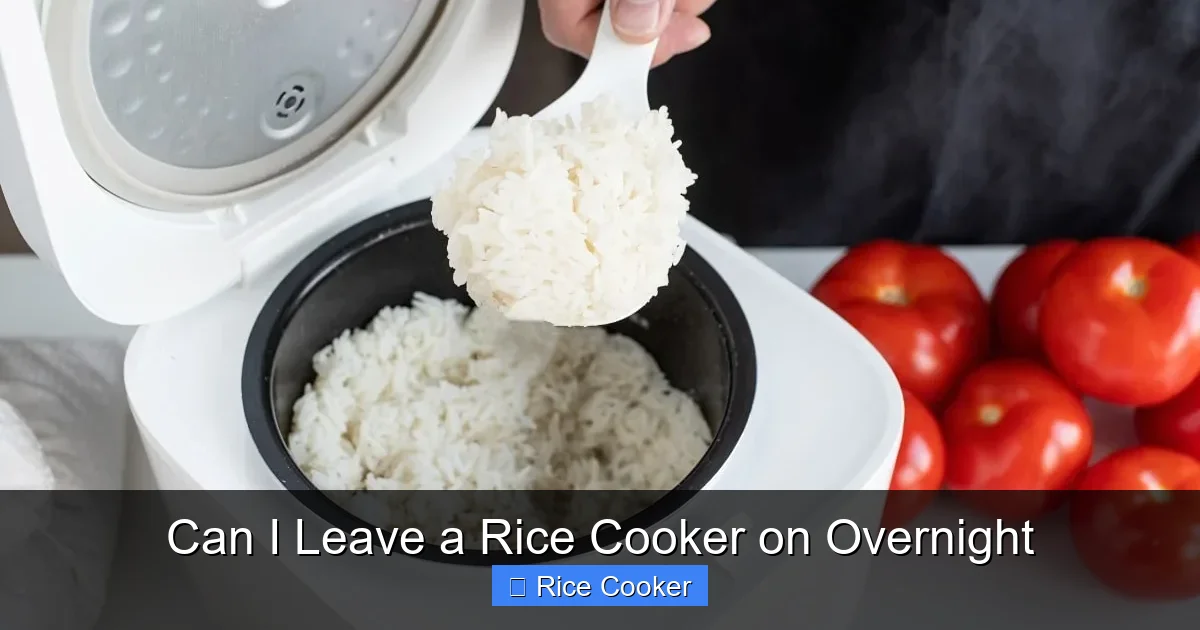
Can I leave a rice cooker on overnight? While modern rice cookers are designed with safety features like automatic shut-off, leaving them plugged in and unattended for hours isn’t always safe or recommended. Most experts advise against it, especially if you’re unsure about the model’s safety certifications or if it’s an older unit. Instead, cook your rice during the day and keep it warm using the built-in “keep warm” function—but only for up to 12 hours. For true peace of mind, unplug your rice cooker when not in use. This simple habit prevents electrical hazards, saves energy, and extends your appliance’s lifespan. Always prioritize safety over convenience when using kitchen appliances.
Key Takeaways
- Safety First: Most modern rice cookers have auto-shutoff and thermal fuses, but they aren’t fire-proof. Leaving one on indefinitely increases fire risk.
- Keep Warm Limitation: The keep warm setting works well for up to 12 hours, but prolonged use can dry out rice or cause bacterial growth.
- Unplug When Unattended: Best practice is to unplug your rice cooker after cooking, especially overnight or when away from home.
- Check Your Model: Some high-end models offer advanced safety features like overheat protection, while basic ones lack these safeguards.
- Energy Efficiency: Keeping a rice cooker plugged in 24/7 wastes electricity and contributes to higher utility bills.
- Rice Quality Matters: Storing cooked rice in a rice cooker for too long affects texture, taste, and nutritional value.
- Store Rice Properly: Once cooked, store rice in the refrigerator at 4°C (39°F) or below within two hours. Use glass or BPA-free plastic containers with tight lids. Never leave rice sitting on the counter overnight.
- Use Alternatives: For reheating or short-term storage, use a microwave or air fryer instead of relying on the keep-warm function.
📑 Table of Contents
- Introduction: Is It Safe to Leave a Rice Cooker On Overnight?
- Understanding How Rice Cookers Work
- Are Modern Rice Cookers Safe to Leave On?
- Risks of Leaving a Rice Cooker On Overnight
- Best Practices for Using Your Rice Cooker Safely
- Alternatives to Leaving Your Rice Cooker On
- Conclusion: Prioritize Safety Without Sacrificing Convenience
Introduction: Is It Safe to Leave a Rice Cooker On Overnight?
Picture this: You’re rushing in the morning, scrambling to get breakfast ready before heading out the door. You pop some rice into the cooker last night, set it to “cook,” and now all you need is a warm meal waiting for you. Sounds perfect, right? But here’s the catch—can you really leave a rice cooker on overnight without worrying about fire hazards or food safety?
The short answer is: not necessarily. While many modern rice cookers come with advanced safety features like automatic shut-off and temperature regulation, that doesn’t mean they’re meant to run continuously for 8, 10, or even 12 hours unattended. In fact, doing so could pose risks ranging from energy waste to foodborne illness or even appliance damage.
In this comprehensive guide, we’ll break down everything you need to know about leaving a rice cooker on overnight—from safety standards and appliance design to practical tips for storing and reheating rice safely. Whether you’re a busy parent, a college student, or someone who just loves having dinner ready at a moment’s notice, this article will help you make informed decisions about your rice cooker usage.
Understanding How Rice Cookers Work
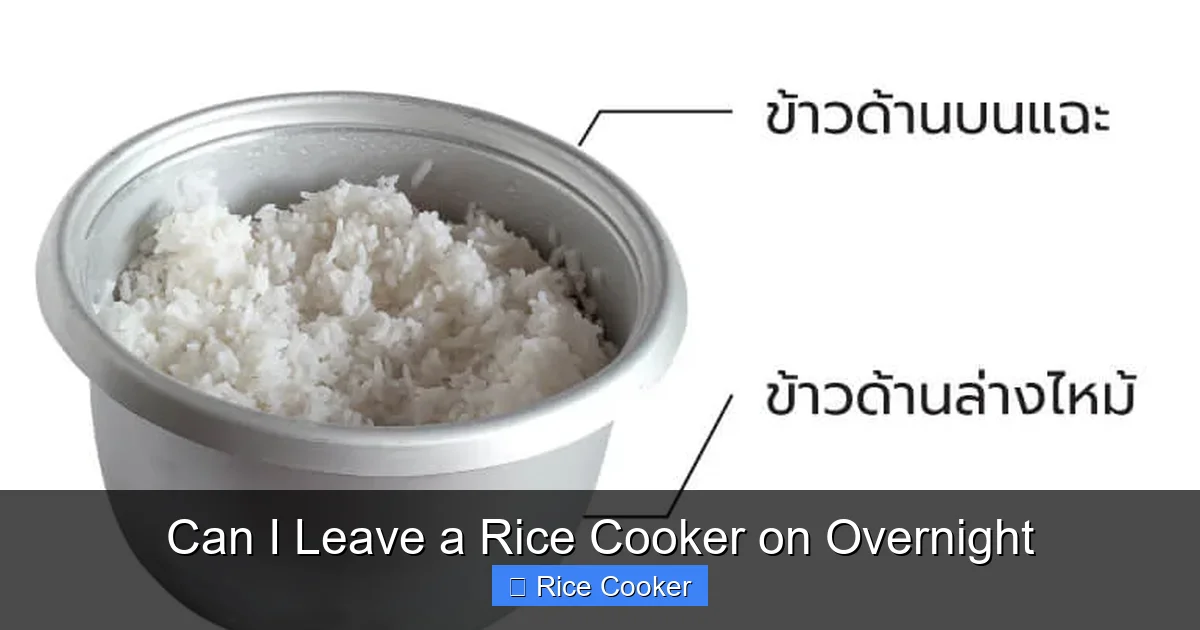
Visual guide about Can I Leave a Rice Cooker on Overnight
Image source: thammculture.com
Before diving into whether it’s safe to leave a rice cooker on overnight, let’s first understand how these handy appliances function. A rice cooker operates using a combination of heat and internal sensors. Once you press the “Cook” button, the heating element turns on, warming the water to cook the rice. As soon as the water evaporates and the internal temperature rises past a certain point (usually around 100°C or 212°F), the thermostat detects this change and signals the control board to switch off the heating element.
This process usually takes anywhere from 20 to 50 minutes, depending on the type of rice and the model. After cooking, most modern units automatically transition into the “Keep Warm” mode, which maintains the rice at a safe temperature (typically between 60°C and 70°C) without boiling or drying it out.
However, it’s important to note that the “Keep Warm” function wasn’t designed for indefinite use. Think of it more like a car’s idle mode—useful for short periods, but not something you’d run all night long. Let’s explore why.
The Science Behind Keep Warm Mode
When your rice cooker enters “Keep Warm” mode, it cycles the heating element on and off at regular intervals to maintain the ideal temperature. This prevents the rice from cooling too much or getting soggy due to prolonged exposure to heat.
But here’s the catch: while this system is efficient, it’s not foolproof. Over time, especially if left on for extended periods, several issues can arise:
– Moisture buildup: Steam condenses back into the rice, making it sticky or clumpy.
– Bacterial growth: Warm, moist environments encourage bacteria like Bacillus cereus, which can survive refrigeration.
– Electrical strain: Constant cycling puts wear and tear on internal components.
So even though your rice cooker might look fine after 12 hours on “Keep Warm,” the rice itself may no longer be safe or enjoyable to eat.
Are Modern Rice Cookers Safe to Leave On?
Today’s rice cookers are far more sophisticated than their predecessors. Many come equipped with multiple safety mechanisms, including:
– Thermal fuses: These cut power if temperatures exceed safe limits.
– Auto shut-off: Activates after cooking is complete.
– Non-stick inner pots: Reduce the risk of burning and make cleanup easier.
– Timer functions: Allow users to schedule cooking in advance.
These features do make rice cookers safer than ever before. However, safety does not equal invulnerability. Even with these protections, leaving a rice cooker on overnight—especially in a poorly ventilated area or near flammable materials—increases the risk of accidents.
For example, if the thermal fuse fails (which is rare but possible), the heating element could remain active indefinitely. Combine that with dried-up rice or a cracked pot, and you’ve got a potential fire hazard.
Moreover, manufacturers rarely recommend leaving rice cookers on for more than 12 hours. Check your user manual for specific guidance. If your model lacks clear instructions, it’s best to err on the side of caution.
What About Smart Rice Cookers?
If you own a smart rice cooker with Wi-Fi connectivity, programmable settings, or voice control, you might be tempted to set it and forget it. These models often include enhanced safety protocols, such as remote monitoring and alerts.
While smart features add convenience, they don’t eliminate the fundamental risks associated with prolonged operation. Just because your rice cooker can send you a notification saying “Rice is ready” doesn’t mean it’s okay to leave it running all night without supervision.
Always treat smart appliances the same way you would any other kitchen device—with care and awareness.
Risks of Leaving a Rice Cooker On Overnight
Let’s talk honestly about what can go wrong if you decide to leave your rice cooker on overnight. There are three main categories of risk: fire, food safety, and appliance longevity.
Fire Hazards
Although statistically low, kitchen fires caused by rice cookers do happen. Common causes include:
– Dry cooking: Running the unit without water or rice.
– Overheating: Mechanical failure or blocked vents.
– Flammable surroundings: Placing the cooker near curtains, paper towels, or wooden cabinets.
Leaving a rice cooker on unattended—especially overnight—increases the chance of human error. What if the power cord gets pinched? What if something spills into the base? These small oversights can lead to big problems.
Food Safety Concerns
Cooked rice is a prime breeding ground for bacteria. According to the FDA, rice should not sit at room temperature for more than two hours. After that, the risk of foodborne illness rises sharply.
Even though the “Keep Warm” setting keeps rice above 60°C (140°F), which inhibits bacterial growth, the moisture content and starch structure begin to degrade over time. Plus, condensation inside the pot creates a humid environment perfect for mold.
If you wake up to a bowl of mushy, smelly rice, you’ll wish you’d taken five minutes to transfer it to a sealed container in the fridge.
Appliance Damage
Running your rice cooker nonstop strains its internal components. The heating plate, thermostat, and wiring all experience continuous stress, which accelerates wear and tear. Over time, this can shorten the lifespan of your appliance and lead to costly repairs.
Additionally, dust and debris can accumulate in the vent holes if the unit is used frequently without cleaning. Blocked airflow reduces efficiency and raises the risk of overheating.
Best Practices for Using Your Rice Cooker Safely
Now that we’ve covered the risks, let’s focus on how to use your rice cooker responsibly—even when you’re pressed for time.
1. Use the Timer Function Wisely
Many rice cookers come with built-in timers that allow you to delay cooking by up to 12–24 hours. This feature is great for meal prep! Just remember to set the timer so that cooking completes before you plan to eat.
For instance, if you want warm rice for breakfast at 7 AM, set the timer to start cooking at 5 PM the previous day. That way, the unit switches to “Keep Warm” only briefly, reducing unnecessary runtime.
2. Limit Keep Warm to 12 Hours Max
The general rule is: don’t rely on “Keep Warm” beyond 12 hours. After that, the rice becomes less palatable and potentially unsafe. Transfer leftover rice to an airtight container and refrigerate within two hours of cooking.
Pro tip: Divide large batches into smaller portions. This makes reheating faster and ensures even warmth.
3. Clean Your Rice Cooker Regularly
A dirty rice cooker is a risky rice cooker. Crumbs, grease, and mineral deposits from hard water can clog vents and affect performance.
After each use, wipe the exterior and remove the inner pot for washing. Avoid submerging the base in water—always clean it dry. Monthly deep cleans with a vinegar solution can prevent limescale buildup.
4. Store Rice Properly
Once cooked, store rice in the refrigerator at 4°C (39°F) or below within two hours. Use glass or BPA-free plastic containers with tight lids. Never leave rice sitting on the counter overnight.
When ready to serve, reheat thoroughly until steaming hot throughout.
5. Choose the Right Rice Cooker for Your Needs
Not all rice cookers are created equal. If you frequently cook large quantities or prefer convenience, consider investing in a model with:
– Large capacity: Ideal for families.
– Multi-functionality: Steamer, slow cooker, and yogurt maker options.
– Advanced safety certifications: Look for UL or ETL marks.
Read reviews and compare features before buying. A higher price tag often means better safety and durability.
Alternatives to Leaving Your Rice Cooker On
If you’re worried about leaving your rice cooker on overnight, you’re not alone. Fortunately, there are several safer alternatives that still deliver great results.
Cook Rice in Advance
Prepare your rice the night before and store it properly. In the morning, simply reheat it in the microwave with a splash of water to restore moisture.
Use a Slow Cooker or Instant Pot
Both appliances allow you to set and forget meals. An Instant Pot can cook rice in under 30 minutes, and its sealed lid keeps everything contained. Plus, it automatically switches to warm mode—but only for a limited time.
Leftover Reheating Tips
To revive cold rice:
1. Place it in a microwave-safe dish.
2. Add 1–2 tablespoons of water per cup of rice.
3. Cover loosely with a damp paper towel.
4. Microwave in 30-second intervals until heated through.
Avoid using the rice cooker’s “Keep Warm” function for reheating—it’s inefficient and may over-dry the grains.
Conclusion: Prioritize Safety Without Sacrificing Convenience
So, can you leave a rice cooker on overnight? Technically, yes—but only if your model has robust safety features and you’re comfortable taking responsibility for potential risks. For most people, however, the safest approach is to cook rice during daylight hours, store it correctly, and reheat as needed.
Modern rice cookers are incredibly useful tools, but they’re not designed to replace common sense. By following best practices—like limiting “Keep Warm” use, cleaning regularly, and unplugging when not in use—you’ll protect both your family and your appliance.
Remember: convenience shouldn’t come at the cost of safety. With a little planning, you can enjoy perfectly cooked rice every time without compromising peace of mind.
Frequently Asked Questions
Is it safe to leave my rice cooker on overnight if it has a keep warm function?
While the keep warm function helps maintain temperature, it’s generally recommended to limit use to 12 hours. Prolonged use can affect rice quality and increase food safety risks. For true safety, unplug the unit when unattended.
Can a rice cooker catch fire if left on overnight?
It’s unlikely if your model has proper safety features like thermal fuses and auto shut-off. However, factors like blocked vents, dry cooking, or nearby flammable items increase fire risk. Always follow manufacturer guidelines.
How long can rice stay in a rice cooker’s keep warm setting?
Most experts suggest keeping rice in the “keep warm” mode for no more than 10–12 hours. Beyond that, the rice may become overly moist, develop off-flavors, or grow harmful bacteria.
Should I unplug my rice cooker after cooking?
Yes, especially if you’re away from home or going to sleep. Unplugging prevents energy waste, reduces fire risk, and extends the life of your appliance. It’s a simple habit with big benefits.
What should I do with leftover rice from the rice cooker?
Transfer it to an airtight container within two hours and refrigerate. Use within 3–5 days. Reheat thoroughly in the microwave or stovetop before eating.
Are smart rice cookers safer for overnight use?
Smart features add convenience but don’t eliminate core safety concerns. Remote monitoring and alerts are helpful, but they don’t replace the need for proper storage and limited runtime. Always prioritize food safety over automation.