
Can I leave my rice cooker unattended? Yes, most modern rice cookers are designed to shut off automatically, making them relatively safe for unattended use during regular rice or steam cooking. However, leaving a rice cooker on with certain foods like eggs, dairy, or oil can pose risks such as smoke or fire hazards. Always check your appliance’s manual and avoid overfilling or using incompatible settings. While convenience is tempting, knowing your machine’s limits helps prevent accidents and ensures peace of mind.
Key Takeaways
- Automatic Shut-Off: Most rice cookers turn off once the rice is cooked, eliminating the need to watch the process constantly.
- Safety Varies by Model: Not all rice cookers have identical safety features—some lack temperature control or auto-shutoff during extended use.
- Risks with Certain Foods: Cooking items like eggs, cheese, or oily foods in a rice cooker can increase the risk of smoke or fire if left unattended.
- Overfilling Can Be Dangerous: Filling beyond the recommended level may cause overflow, clog vents, or damage internal components.
- Modern Features Matter: Look for models with timers, keep-warm functions, and child locks for safer unattended cooking.
- Always Supervise High-Risk Tasks: Even if your rice cooker is safe, stay nearby when experimenting with new recipes or cooking non-rice items.
- Regular Maintenance Is Key: Clean the inner pot and heating plate regularly to maintain performance and reduce fire risks.
📑 Table of Contents
- Introduction: The Convenience and Concern of Unattended Cooking
- Understanding Rice Cooker Safety Mechanisms
- When It’s Safe to Leave Your Rice Cooker Unattended
- When You Should Definitely Stay Nearby
- Choosing the Right Rice Cooker for Peace of Mind
- Maintenance Tips to Keep Your Rice Cooker Safe
- Real-Life Scenarios: What Happens When You Step Away?
- Conclusion: Know Your Appliance, Then Relax
Introduction: The Convenience and Concern of Unattended Cooking
Imagine this: You wake up early, rinse your overnight rice, add it to the cooker, press start, and go back to bed. When you wake up an hour later, perfectly fluffy rice awaits—no babysitting required. That’s the dream many of us associate with rice cookers: simplicity, automation, and hands-free convenience. But here’s the real question that lingers: can I leave my rice cooker unattended? It sounds like a simple yes-or-no query, but the answer is more nuanced than you might think.
Rice cookers are marvels of modern kitchen engineering. They combine precise temperature control with automated timing to transform raw ingredients into meals with minimal effort. Yet, despite their reputation for being “set-and-forget” appliances, they aren’t immune to malfunctions or safety issues—especially when misused. Whether you’re cooking plain white rice, steaming vegetables, or attempting a rice-based dessert, understanding how your specific model operates is essential. This article dives deep into the safety, functionality, and best practices of leaving your rice cooker running without supervision.
We’ll explore everything from the science behind automatic shut-off mechanisms to real-life scenarios where unattended cooking can go wrong. You’ll also learn which foods are safest to leave in the cooker and how to choose a rice cooker that supports true peace of mind. By the end, you’ll know exactly when it’s okay to step away—and when you should stay close.
Understanding Rice Cooker Safety Mechanisms
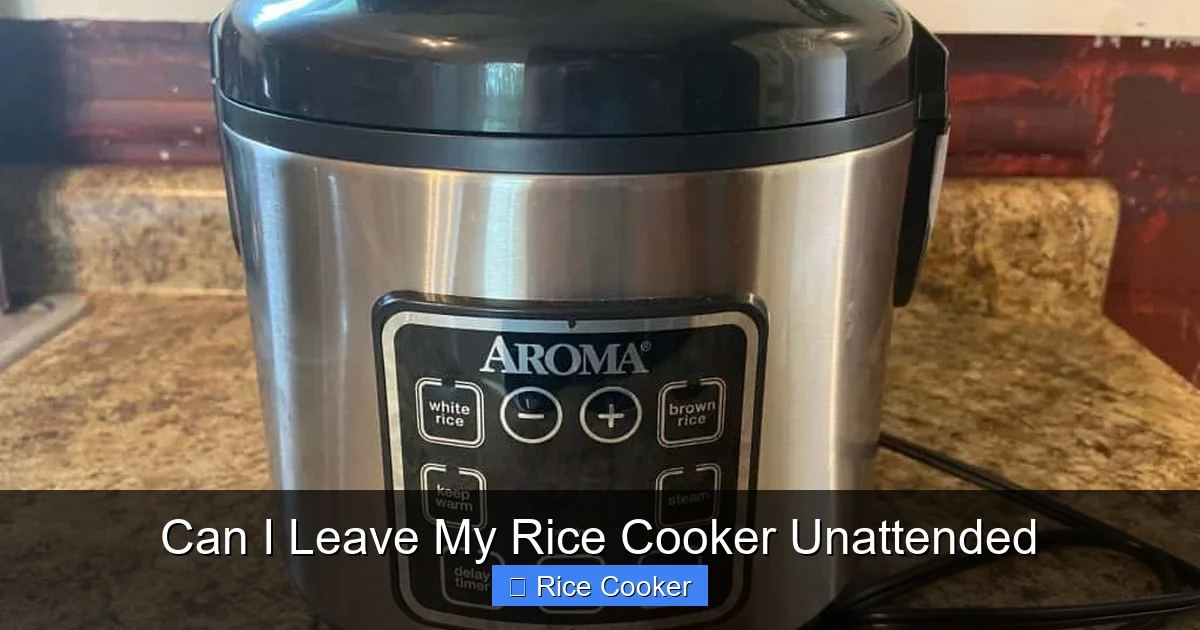
Visual guide about Can I Leave My Rice Cooker Unattended
Image source: stretchrecipes.com
Before answering whether you can leave your rice cooker unattended, let’s talk about what makes these appliances safe—or not so safe. Modern rice cookers rely on several built-in safety features to protect both your food and your home.
The Science Behind Auto Shut-Off
At the heart of every rice cooker is a thermostat and a bimetallic switch. When you add water and rice (or another grain), the unit heats up. Once the water evaporates and the rice absorbs moisture, the temperature rises. The thermostat detects this change and signals the heating element to stop. This is called the “keep-warm” phase—a low-power setting that maintains food at around 170–185°F (77–85°C) until you’re ready to serve.
Most reputable brands—like Zojirushi, Instant Pot, Cuisinart, and Panasonic—include this automatic shut-off feature as standard. That means once your rice reaches the perfect texture, the cooker turns off on its own. No need to stand over the stove or hover near the countertop. This design reduces the risk of burnt rice, dry-outs, or overheating.
However, older or cheaper models may lack reliable thermostats or fail to activate the keep-warm function properly. In those cases, the heating element might stay on indefinitely, potentially burning your food or even starting a fire if something catches.
Keep-Warm Function Limitations
While the keep-warm mode is useful, it’s not meant to run forever. Most rice cookers will automatically switch to “off” after 12 to 24 hours of keep-warm operation. After that, the unit either shuts down completely or enters a standby mode. Still, leaving food sitting in a warm environment for too long can lead to bacterial growth—especially if it’s not hot enough to kill pathogens.
For example, if you cook chicken in your rice cooker (yes, people do!), leaving it in the keep-warm phase overnight isn’t safe. Bacteria like Salmonella thrive between 40°F and 140°F (4°C to 60°C). So while the appliance won’t burn your meal, it could make you sick.
Timer and Delay Functions Add Flexibility
Many advanced rice cookers come with programmable timers. You can set them to start cooking at 7 a.m., even if you’re still asleep. This feature is ideal for busy mornings or meal prep routines. Just remember: the timer only starts the cooking cycle—it doesn’t replace safety monitoring once cooking begins.
Also, some models have child lock features or overheat protection circuits. These add extra layers of security, particularly in households with kids or pets who might tamper with controls.
When It’s Safe to Leave Your Rice Cooker Unattended
So under what conditions can you truly walk away? Let’s break it down by common rice cooker uses.
Cooking Plain Grains
Plain white rice, brown rice, quinoa, oats, and other grains are among the safest things to leave in your rice cooker. As long as you follow the water-to-grain ratio and don’t overload the pot, the process is fully automated. Once done, the unit shuts off and keeps the food warm safely.
Example: If you’re making 2 cups of jasmine rice with 2.5 cups of water, press start, and walk away. Your rice will be ready in about 20 minutes, then remain warm for hours without burning.
Steaming Vegetables or Dumplings
Steaming is another low-risk activity. Place a steamer basket above the water reservoir, add vegetables or buns, cover, and let the cooker do its job. The moisture stays contained, and the temperature stays steady. Just ensure the water doesn’t run dry—though most units will detect that and shut off.
Pro tip: Use distilled or filtered water to prevent mineral buildup, which can affect sensor accuracy over time.
Making Porridge or Congee
Congee (rice porridge) and oatmeal are great candidates for unattended cooking. Since they require longer simmering times, the cooker’s ability to maintain consistent heat shines. Just stir occasionally during the first few minutes to prevent sticking, then let it finish.
Note: Some porridge recipes call for added milk or cream. Those shouldn’t be left unattended for long periods because dairy can scorch or spoil.
When You Should Definitely Stay Nearby
Despite the automation, there are situations where stepping away is unwise.
Cooking Eggs or Dairy Products
Hard-boiled eggs, scrambled eggs, or creamy risottos shouldn’t be left alone. Eggs can split or curdle if overheated, and dairy products may burn quickly due to lower smoke points. Plus, if the mixture thickens and sticks to the bottom, it can create smoke—a serious fire hazard.
Instead, try poaching eggs in the rice cooker with a lid on and a small amount of water. It works well, but monitor closely until the water boils and bubbles subside.
Using Oil-Based Recipes
Fried rice or sautéed dishes cooked in oil are risky if left unattended. Oils have high flash points, and if the temperature exceeds safe levels, they can ignite. Even small amounts of oil in a rice cooker can generate enough heat to start a fire, especially in older models without proper ventilation.
If you must make fried rice, use just enough oil to coat the pan, stir frequently, and stay within earshot.
Experimenting With New Recipes
Trying a new dish like rice pudding with custard or a savory casserole? Test it first with a small batch. Every recipe behaves differently—some need constant stirring, others release unexpected fumes. Until you know how your cooker reacts, stay nearby.
Dealing With Overfilled Pots
Overfilling is a common mistake. If you pour rice or liquid beyond the MAX line, it can bubble over, clog the vent, and trigger error codes or even short circuits. Overflow also creates slip hazards and attracts pests.
Rule of thumb: Never exceed the manufacturer’s fill line. For sticky grains like sushi rice, add a bit less water than usual to account for expansion.
Choosing the Right Rice Cooker for Peace of Mind
Not all rice cookers are created equal. Here’s how to pick one that supports unattended cooking safely.
Look for Automatic Shut-Off and Keep-Warm
This should be non-negotiable. Check the product description or manual to confirm the model has both features. Read customer reviews for reports of overheating or failure to shut off.
Opt for Models With Timers
Programmable delay timers let you schedule meals ahead. Ideal for night owls who want breakfast waiting in the morning or working professionals returning home to a hot meal.
Choose Stainless Steel or Non-Stick Inner Pots Wisely
Non-stick coatings degrade over time and can flake into food. Stainless steel is more durable and easier to clean. Both materials perform equally well in terms of heat distribution, though stainless steel requires slightly more oil to prevent sticking.
Consider Multi-Functionality Carefully
Some rice cookers double as pressure cookers, slow cookers, or yogurt makers. While convenient, added functions increase complexity. A simpler, dedicated rice cooker often has better reliability and faster response times.
Check for Safety Certifications
Look for UL or ETL listings on the appliance. These mean the manufacturer meets strict electrical safety standards. Avoid unknown brands sold exclusively online unless they have verified certifications.
Size Matters Too
A smaller 3-cup rice cooker is fine for single servings, but larger models (6–10 cups) offer more versatility. Just ensure you can clean the inner pot thoroughly—cracks or residue buildup compromises safety.
Maintenance Tips to Keep Your Rice Cooker Safe
Even the safest rice cooker can become hazardous if neglected.
Clean the Inner Pot Regularly
Burned-on residue interferes with temperature sensors and can cause inaccurate readings. Wash the pot after each use with mild soap and a soft sponge. Don’t use abrasive scrubbers that scratch the coating.
Wipe the Heating Plate
The bottom of the inner pot sits directly on the heating surface. Crumbs, spills, or grease here create hotspots and increase fire risk. Wipe it down weekly.
Inspect Seals and Lids
Damaged rubber gaskets or cracked lids compromise steam containment. Replace them immediately if you notice leaks or poor sealing.
Avoid Submerging the Base
Never put the entire rice cooker in water. Only clean the removable parts and wipe the exterior with a damp cloth. Moisture in the electrical base causes shorts.
Unplug When Not in Use
Though most units have auto shut-off, unplugging eliminates any residual power drain and protects against voltage surges.
Store Properly
Keep the rice cooker in a dry place away from children and pets. Don’t stack heavy items on top of it.
Real-Life Scenarios: What Happens When You Step Away?
Let’s look at actual situations users have reported—both successes and disasters.
Success Story: Overnight Oats
Maria uses her Zojirushi rice cooker to make overnight oats by mixing oats, milk, chia seeds, and fruit in the pot before bed. She sets the timer for morning and wakes up to creamy, flavorful oats every day. No mess, no stress—just perfect breakfast.
Cautionary Tale: Burnt Cream Sauce
David tried making béchamel sauce in his basic rice cooker. He added butter, flour, and milk, then pressed start and left for lunch. An hour later, he smelled smoke and found a blackened, burnt mess. His cooker had no keep-warm function, and the thin sauce dried out instantly.
Lesson learned: Never assume all rice cookers behave the same way.
Smart Move: Steamed Buns
Priya steams bao buns using a bamboo steamer inside her Instant Pot. She fills the reservoir with water, places the basket on top, and closes the lid. The cooker steams for 25 minutes, then switches to keep-warm. She walks away, returns to fresh, fluffy buns—with zero cleanup.
Conclusion: Know Your Appliance, Then Relax
So, can you leave your rice cooker unattended? The short answer is: usually yes—but with caveats. For plain grains, steaming, and properly programmed meals, modern rice cookers are built to handle the job. Their automatic shut-off and keep-warm features give you genuine hands-free convenience.
But safety isn’t universal. Older models, improper usage, or risky recipes can turn a simple task into a potential hazard. Always read your manual, respect fill lines, avoid oil-heavy dishes, and never treat your rice cooker like a magic wand.
Invest in a quality model with proven safety features, maintain it diligently, and use it wisely. When you do, stepping away becomes not just possible—it’s actually smart.
Your rice cooker isn’t just a tool; it’s a partner in your daily routine. Treat it right, and it’ll return the favor with flawless meals, time saved, and total confidence in the kitchen.
Frequently Asked Questions
Is it safe to leave my rice cooker on overnight?
It’s generally safe if you’re only keeping rice or steamed food warm, since most models have auto shut-off and limited keep-warm cycles. However, avoid leaving perishable items like eggs or dairy unattended for long periods due to spoilage risks.
Can leaving my rice cooker unattended cause a fire?
Rarely, but it’s possible with older models, overfilling, or using oil-based recipes. Modern rice cookers have safety shut-offs, but factors like damaged components or misuse can increase fire risk. Always unplug if unsure.
What happens if I forget to turn off my rice cooker?
Most units will eventually shut off automatically after the keep-warm phase ends (usually 12–24 hours). However, leaving it on longer than intended wastes energy and may dry out food or damage internal parts.
Should I stay nearby when cooking rice in my rice cooker?
No, you don’t need to watch it continuously during normal rice cooking. The process is fully automated, and the unit will shut off once done. Just ensure you followed the correct water ratio and didn’t overfill.
Are all rice cookers safe to leave unattended?
Not necessarily. Cheaper or outdated models may lack reliable thermostats or auto shut-off features. Check your manual or look for certifications like UL to confirm safety standards.
Can I cook anything besides rice in my rice cooker unattended?
You can steam vegetables, make congee, or prepare porridge safely. Avoid eggs, dairy, oils, or complex recipes until you’ve tested them first. When in doubt, stay nearby.