

Making barley in a rice cooker is not only possible but incredibly convenient. With the right water-to-grain ratio and a few simple steps, your rice cooker can produce perfectly cooked, tender barley every time. Whether you’re meal prepping or whipping up a quick side dish, this method saves time while boosting nutrition.
Key Takeaways
- Barley cooks well in rice cookers: It’s one of the few grains that works seamlessly in these appliances without special settings.
- Use the correct water ratio: A 2:1 water-to-barley ratio (by volume) ensures proper texture—no guesswork needed.
- Rinse before cooking: Rinsing removes excess starch and prevents mushiness, especially for pearl barley.
- Soaking shortens cook time: Soaking barley for 30 minutes can reduce cooking time by up to 30 minutes.
- Try different barley types: From quick-cooking pearled to nutrient-rich hulled, each variety has unique benefits and textures.
- Clean your rice cooker properly: Use warm, soapy water and avoid abrasive scrubbers to maintain performance and hygiene.
- Barley adds fiber and flavor: It supports digestion, helps regulate blood sugar, and pairs beautifully with soups, salads, and stews.
📑 Table of Contents
- Can I Make Barley in a Rice Cooker?
- Why Use a Rice Cooker for Barley?
- Types of Barley and Their Cooking Times
- Step-by-Step Guide: How to Make Barley in a Rice Cooker
- Troubleshooting Common Barley Cooking Problems
- Creative Ways to Use Cooked Barley
- Health Benefits of Barley
- Cleaning and Maintaining Your Rice Cooker
- Frequently Asked Questions (FAQs)
Can I Make Barley in a Rice Cooker?
Have you ever looked at your rice cooker and wondered what other grains it could handle? If you’re a fan of hearty, nutty grains like barley, you’ll be happy to know that yes—you absolutely can make barley in a rice cooker. In fact, this kitchen appliance is one of the most reliable tools for achieving consistently cooked, fluffy barley with minimal effort. Whether you’re new to cooking barley or just looking to simplify your meal prep, using a rice cooker is a game-changer.
Barley is more than just a side dish; it’s a powerhouse of nutrition. Packed with fiber, protein, and essential minerals like selenium and manganese, it supports heart health, aids digestion, and helps keep you full longer. Unlike many ancient grains that require long soaking and slow cooking on the stove, barley becomes tender and delicious quickly when cooked in a rice cooker. Plus, the appliance does all the hard work—just add water, press start, and walk away.
In this comprehensive guide, we’ll walk you through everything you need to know about making barley in a rice cooker. From choosing the right type of barley to troubleshooting common issues, you’ll learn practical tips that make cooking barley feel effortless. Whether you’re feeding a family or meal prepping for the week, this method will become your go-to technique. Let’s dive in!
Why Use a Rice Cooker for Barley?
If you’re still wondering whether a rice cooker is the right tool for the job, let me ease your concerns. Rice cookers are designed to automate the cooking process for grains, and barley fits right into that category. Unlike other grains such as quinoa or millet—which may require specific settings or monitoring—barley cooks reliably in most standard rice cookers without any adjustments. The appliance maintains a steady internal temperature, ensuring even heat distribution and consistent results every time.
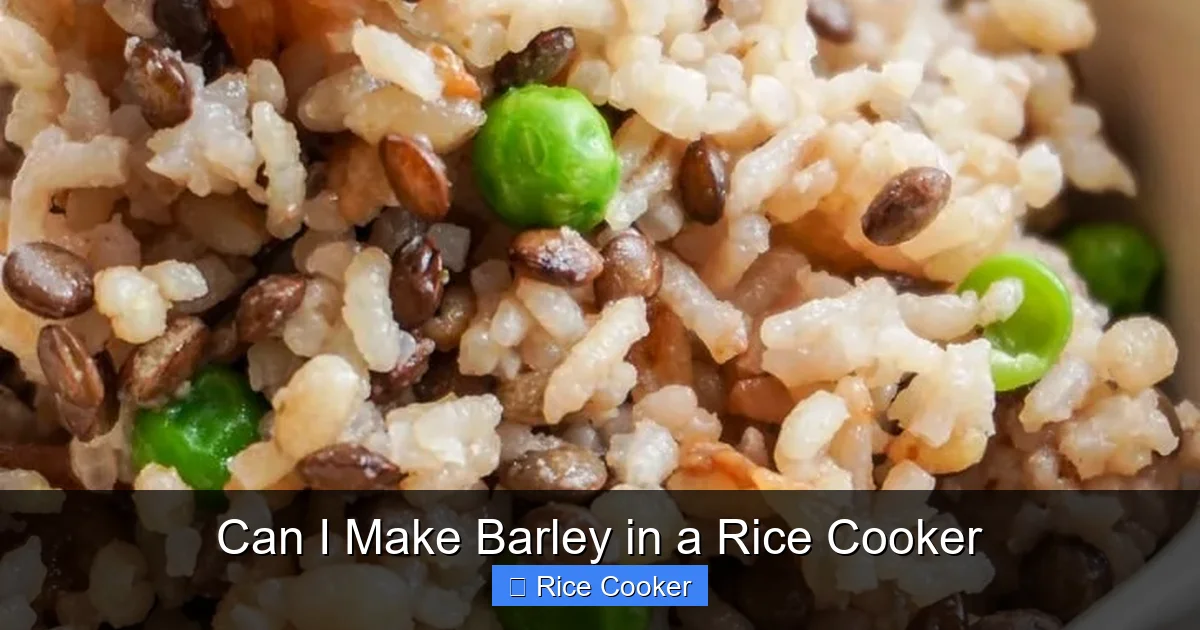
Visual guide about Can I Make Barley in a Rice Cooker
Image source: thevietvegan.com
One of the biggest advantages of using a rice cooker is convenience. You don’t have to stand over the stove, stir constantly, or worry about burning the bottom. Once you add the barley and water, set the timer (usually around 45–60 minutes), and let the machine do its magic. Many modern rice cookers also come with a “keep warm” function, which means your barley stays at the perfect serving temperature until you’re ready to eat.
The Science Behind Perfect Barley
Understanding how barley cooks helps explain why a rice cooker works so well. Barley contains starches that absorb water and expand during heating. As the water turns to steam, it softens the grain’s outer layer, allowing it to swell and become tender. The rice cooker’s sealed environment traps steam efficiently, creating ideal conditions for this process.
Unlike pasta or rice, barley doesn’t require constant stirring. Its dense structure makes it less prone to clumping, so you don’t need to worry about sticking or scorching—especially if you rinse it first. This makes it an excellent candidate for automated cooking methods like those found in rice cookers.
Types of Barley and Their Cooking Times
Not all barley is created equal. There are three main varieties, each with distinct textures, flavors, and cooking times. Choosing the right one depends on your recipe and desired outcome. Here’s a breakdown of the most common types and how they perform in your rice cooker.
1. Pearled Barley (Most Common)
Pearled barley is the most widely available type. It’s been polished to remove the outer bran layer, giving it a smoother texture and faster cook time. Because some nutrients and fiber are lost during processing, it’s less nutritious than other forms but still a great source of energy and B vitamins.
Cooking time in rice cooker: 45–50 minutes
This is the best choice if you want a quicker meal with a slightly chewy bite. It holds up well in soups and pilafs and absorbs flavors beautifully.
2. Hulled (or Hordei) Barley
Also known as whole barley or pot barley, hulled barley retains its outer bran layer, making it more nutritious and fiber-rich. It takes longer to cook but delivers a satisfying chew and a nuttier flavor. Many people prefer it for its health benefits and hearty texture.
Cooking time in rice cooker: 60–75 minutes
If you’re focused on maximizing nutrition, hulled barley is the way to go. It’s ideal for salads, grain bowls, or as a base for vegetarian dishes.
3. Potent Barley (Kammi Barley)
This is the least processed form of barley. Only the outermost hull is removed, leaving the bran and germ intact. It’s the closest to the original grain and offers the highest nutritional value. However, it’s harder to find and takes the longest to cook.
Cooking time in rice cooker: 90+ minutes (often requires soaking first)
While potent barley is rare, it’s worth seeking out if you’re committed to whole foods and maximum fiber intake.
Quick Comparison Table
| Type of Barley | Nutrition Level | Texture After Cooking | Best Uses |
|---|---|---|---|
| Pearled Barley | Moderate | Soft with slight chew | Soups, side dishes, casseroles |
| Hulled Barley | High | Chewy, firm | Grain bowls, salads, stews |
| Potent Barley | Very High | Very chewy, dense | Meal prep, detox diets, gourmet cooking |
For everyday use, pearled barley strikes the best balance between convenience and nutrition. But if you’re aiming for a more wholesome option, hulled barley is your friend.
Step-by-Step Guide: How to Make Barley in a Rice Cooker
Ready to try it yourself? Follow this simple, foolproof method to make perfect barley every time. No experience required.
What You’ll Need
- 1 cup of barley (pearled or hulled)
- 2 cups of water (or broth for extra flavor)
- 1 teaspoon of salt (optional)
- 1 tablespoon of oil or butter (optional, for richness)
- Your rice cooker
- A fine-mesh strainer (for rinsing)
Step 1: Rinse the Barley
Before cooking, rinse 1 cup of barley under cold running water using a fine-mesh strainer. This step removes excess starch, which can make the barley gummy if left unchecked. It also helps prevent clumping during cooking. For pearl barley, rinsing is especially important—it tends to release more starch than hulled varieties.
Step 2: Add Ingredients to the Rice Cooker
Place the rinsed barley into the inner pot of your rice cooker. Pour in 2 cups of water (or liquid of your choice). Add salt and oil if desired. Stir gently to combine. Don’t worry—over-stirring isn’t necessary. Just ensure everything is evenly distributed.
Step 3: Start the Cooking Cycle
Close the lid and turn on your rice cooker. Most models will default to the “white rice” setting, which works perfectly for barley. If your machine has a “whole grain” or “brown rice” setting, you can use that too—though it may take slightly longer. Let the cycle complete automatically.
Step 4: Let It Rest
Once the rice cooker switches to “keep warm,” let the barley sit for 10 minutes. This resting period allows any remaining moisture to distribute evenly, resulting in a fluffier texture. Then, fluff the barley gently with a fork before serving.
Pro Tips for Best Results
- Use filtered water: This improves taste and reduces mineral buildup in your cooker over time.
- Don’t lift the lid early: Steam escapes when you open it, which can affect texture and cook time.
- Adjust ratios for texture: For softer barley, increase water to 2.5 cups per 1 cup of grain. For firmer bites, reduce to 1.75 cups.
- Add vegetables or herbs: Toss in carrots, celery, or bay leaves during cooking for extra flavor.
Troubleshooting Common Barley Cooking Problems
Even with the best techniques, things don’t always go as planned. Here are some common issues and how to fix them.
Problem: Barley Sticks to the Bottom
This usually happens if the rice cooker isn’t cleaned regularly or if too much starch builds up on the surface. Always rinse barley before cooking. Also, make sure the inner pot isn’t scratched—scratches trap food particles and create hot spots. Replace worn pots if necessary.
Problem: Barley Is Too Mushy or Gummy
Overcooking or too much water causes this. Stick to the 2:1 ratio, and avoid opening the lid during cooking. If your barley ends up too soft, drain off excess liquid and return it to the cooker on “warm” for 5 minutes to firm up.
Problem: Barley Doesn’t Cook Through
If the center is still hard after the cycle ends, add ¼ cup of boiling water and cook for another 10 minutes on manual heat (if your model allows). Alternatively, soak the barley overnight to reduce cook time.
Problem: Flavor Is Bland
Barley absorbs flavors slowly. Try cooking it with vegetable or chicken broth instead of plain water. You can also sauté onions or garlic in the inner pot before adding barley and liquid—this builds a flavorful base.
Creative Ways to Use Cooked Barley
Barley is incredibly versatile. Once it’s done, you can enjoy it in countless ways. Here are some ideas to inspire your next meal.
Breakfast Bowls
Swap oatmeal for barley porridge. Cook it with milk or plant-based milk, then top with fresh fruit, nuts, and a drizzle of honey. It’s filling, warming, and packed with fiber to kickstart your day.
Salads and Grain Bowls
Toss cooled barley with chopped cucumbers, tomatoes, parsley, feta cheese, and a lemon-olive oil dressing. Or build a Mediterranean bowl with chickpeas, olives, red onion, and tzatziki sauce.
Soups and Stews
Barley adds body and nutrition to soups like minestrone, beef stew, or mushroom soup. Add it toward the end of cooking so it doesn’t get overly soft.
Stuffing and Side Dishes
Use barley instead of breadcrumbs in stuffing recipes. Roast it with herbs and serve alongside roasted chicken or fish.
Vegan and Gluten-Free Options
While barley contains gluten, there are certified gluten-free options available for those with celiac disease. Always check labels. For vegan meals, pair barley with lentils, beans, or tofu for complete proteins.
Health Benefits of Barley
Beyond being easy to cook, barley offers impressive health perks. It’s considered a super grain for good reason.
- High in Fiber: One cup of cooked barley provides about 6 grams of fiber—mostly beta-glucan, a soluble fiber linked to lower cholesterol and better blood sugar control.
- Rich in Antioxidants: Contains lignans and phenolic acids that help fight oxidative stress and inflammation.
- Supports Heart Health: Studies show regular barley consumption can reduce LDL (“bad”) cholesterol and improve arterial function.
- Stable Energy Source:
- Promotes Gut Health: The fiber feeds beneficial gut bacteria, supporting digestive wellness.
Because barley is naturally free from dairy, eggs, and refined sugars, it fits into many dietary lifestyles—including vegetarian, vegan, and gluten-free (with caution).
Cleaning and Maintaining Your Rice Cooker
To keep your rice cooker performing well—and to extend its lifespan—proper cleaning is essential. After making barley (or any grain), follow these steps:
- Unplug the cooker and let it cool completely.
- Remove the inner pot and wash it with warm, soapy water. Use a soft sponge—avoid steel wool or harsh abrasives that can damage nonstick coatings.
- Rinse thoroughly to remove all residue.
- Wipe the exterior with a damp cloth. Never submerge the main unit in water.
- Check the sealing ring and steam vent for blockages. Clean them gently with a toothbrush if needed.
- Allow all parts to air-dry fully before reassembling.
Regular maintenance prevents unpleasant odors, extends appliance life, and ensures hygienic cooking. A clean rice cooker also heats more evenly, which leads to better-tested barley every time.
Frequently Asked Questions (FAQs)
Can I substitute barley for rice in my recipes?
Yes, you can! Barley has a chewy texture and nutty flavor that works well in place of rice. Use a 1:1 ratio by volume, but increase liquid slightly (about 2.5 cups water per 1 cup barley) for better results.
How long does cooked barley last in the fridge?
Cooked barley stays fresh for up to 5 days when stored in an airtight container in the refrigerator. It can also be frozen for up to 3 months—just thaw and reheat gently.
Do I need to soak barley before cooking in a rice cooker?
Not necessarily, but soaking reduces cook time and improves digestibility. Soak for 30 minutes to 1 hour before cooking. Hulled barley benefits most from soaking.
Can I cook barley directly in the rice cooker without rinsing?
It’s not recommended. Unrinsed barley releases too much starch, leading to gummy or sticky results. Always rinse first.
Is barley safe for people with celiac disease?
No, regular barley contains gluten. Only certified gluten-free barley products are safe for those with celiac disease or gluten sensitivity. Read labels carefully.
Can I cook barley with other grains in the same batch?
Yes, but cook times differ. Add shorter-cooking grains (like rice) at the beginning and barley later. Or cook them separately and combine after.
Frequently Asked Questions
Can I substitute barley for rice in my recipes?
Yes, you can! Barley has a chewy texture and nutty flavor that works well in place of rice. Use a 1:1 ratio by volume, but increase liquid slightly (about 2.5 cups water per 1 cup barley) for better results.
How long does cooked barley last in the fridge?
Cooked barley stays fresh for up to 5 days when stored in an airtight container in the refrigerator. It can also be frozen for up to 3 months—just thaw and reheat gently.
Do I need to soak barley before cooking in a rice cooker?
Not necessarily, but soaking reduces cook time and improves digestibility. Soak for 30 minutes to 1 hour before cooking. Hulled barley benefits most from soaking.
Can I cook barley directly in the rice cooker without rinsing?
It’s not recommended. Unrinsed barley releases too much starch, leading to gummy or sticky results. Always rinse first.
Is barley safe for people with celiac disease?
No, regular barley contains gluten. Only certified gluten-free barley products are safe for those with celiac disease or gluten sensitivity. Read labels carefully.
Can I cook barley with other grains in the same batch?
Yes, but cook times differ. Add shorter-cooking grains (like rice) at the beginning and barley later. Or cook them separately and combine after.