
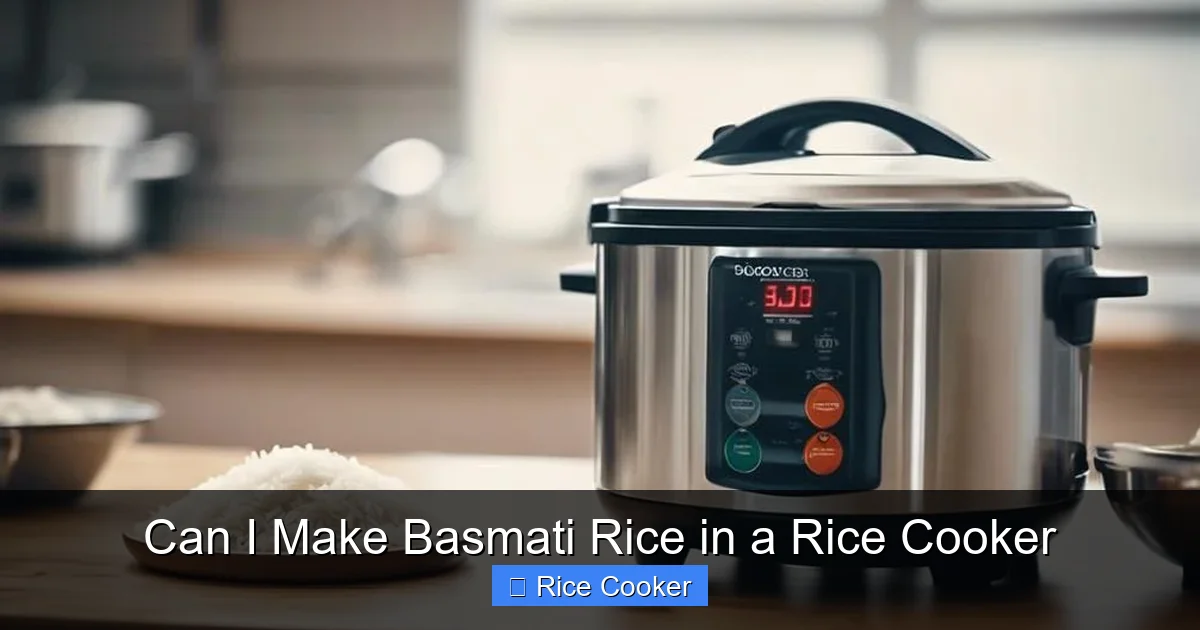
You absolutely can make delicious basmati rice in a rice cooker—it’s quick, foolproof, and requires just a few simple steps. With the right water-to-rice ratio and a little prep, your rice cooker does all the work while locking in that signature nutty aroma and light texture. Whether you’re cooking for one or hosting dinner guests, mastering this method ensures consistent, restaurant-quality results without any guesswork.
Making basmati rice in a rice cooker might sound too good to be true, but trust us—it’s one of the most reliable ways to get consistently fluffy, aromatic grains every single time. Gone are the days of watching the stove, stirring constantly, or risking burnt edges. With a rice cooker, you simply measure, rinse, add water, press a button, and let science do its thing. And when done right, the result rivals what you’d get at an Indian or Middle Eastern restaurant.
The secret lies not just in the appliance—but in understanding how basmati rice behaves during cooking. Unlike short-grain rice, which becomes sticky and creamy, basmati expands dramatically as it absorbs moisture, releasing a delicate floral scent along the way. When cooked properly, each grain stays separate yet tender, with a subtle nuttiness that pairs beautifully with curries, biryanis, or even plain yogurt and pickles.
Whether you’re new to Asian cuisine or a seasoned home cook looking to simplify meal prep, mastering this technique will save you time and elevate your dishes. Plus, using a rice cooker means less cleanup and more control over portion sizes. So grab your favorite long-grain basmati, dust off that rice cooker you’ve been meaning to use, and let’s dive into everything you need to know to make perfect basmati rice—every time.
Key Takeaways
- Yes, it’s easy: A standard rice cooker works perfectly for basmati rice with minimal effort.
- Use the right ratio: The ideal water-to-rice ratio is 1:1.5 (one cup rice to one and a half cups water).
- Rinse before cooking: Washing removes excess starch and prevents clumping.
- Let it rest: After cooking, let the rice sit for 5–10 minutes to finish steaming and fluff up.
- Choose quality basmati: Premium long-grain varieties yield better flavor and texture.
- Experiment with flavors: Add ghee, spices, or broth for extra depth without changing your method.
- Cleaning matters: Rinse the inner pot and wipe the lid to maintain performance and longevity.
📑 Table of Contents
Why Basmati Rice Is Special
Before we jump into the how-to, it’s worth appreciating why basmati rice stands out from other types. Originating from the foothills of the Himalayas in India and Pakistan, basmati has been prized for centuries not only for its slender, elongated shape but also for its unique aroma—often described as nutty, slightly sweet, and reminiscent of saffron or popcorn. This fragrance comes from essential oils naturally present in the grain, which intensify when heated.
What makes basmati different structurally is its low amylopectin content compared to short- and medium-grain rices. Amylopectin determines stickiness; lower levels mean less glue-like binding between grains. As a result, basmati remains distinct even after hours of simmering—perfect for pilafs or layered dishes like biryani where you want each bite to have its own identity.
Another key feature is expansion. One cup of uncooked basmati can easily yield four cups of finished rice due to its length and porous structure. That’s why recipes often call for generous amounts of liquid—and why getting the ratio right in your rice cooker is so crucial.
Do You Need a Special Rice Cooker?
Not necessarily. Most modern rice cookers—especially those marketed as “multi-grain” or “sushi/brown rice” models—are fully capable of handling basmati. In fact, many traditional designs include a setting specifically labeled “long grain” or “jasmine,” which mimics the conditions needed for basmati. However, if yours only has a basic “white rice” function, don’t worry. Basmati doesn’t require anything exotic—just patience and attention to detail.
That said, some advanced features can enhance your experience:
- Steam vents: Allow excess moisture to escape, preventing sogginess.
- Non-stick inner pots: Make cleanup easier and reduce sticking.
- Keep-warm functions: Maintain temperature without drying out the rice.
Even older stovetop-style electric cookers work fine, though newer digital ones give you more precision through preset timers and sensors. But regardless of model, the core principles remain the same: rinse, measure, cook, rest.
The Perfect Water-to-Rice Ratio
One of the biggest hurdles beginners face is figuring out how much water to use. Too little, and your rice turns out hard and chalky. Too much, and it becomes mushy or soupy. For basmati, the magic number is **1 cup uncooked rice to 1.5 cups water**. This may seem high, but basmati absorbs more liquid than other grains due to its size and composition.
Here’s why this ratio works:
- Basmati expands up to three times its original volume.
- It needs extra time to fully hydrate without drying out mid-cook.
- A slightly higher liquid level helps prevent scorching on the bottom of the pot.
- Grade: Grade 1 or Superior grade offers uniformity and fewer broken grains.
- Origin: Pakistani (especially Punjab region) and Indian (Kashmir, Haryana) varieties are considered top-tier.
- Packed freshness: Check expiration dates; ideally within 6 months of packaging.
- Texture: Should feel dry, light, and slightly granular—not oily or clumpy.
If you’re cooking larger batches, scale accordingly—for example, 2 cups rice = 3 cups water. Never eyeball it; use a measuring cup designed for dry ingredients (not liquid) to ensure accuracy.
Pro tip: If you’re making spiced basmati (like with bay leaves, cardamom pods, or cinnamon), add the aromatics directly to the water before adding rice. They’ll infuse beautifully without needing special equipment.
Step-by-Step Guide to Cooking Basmati Rice
Ready to try? Follow these simple steps for foolproof results:
1. Measure and Rinse the Rice
Start by measuring your desired amount of basmati rice using a dry measuring cup. Place the rice in a fine-mesh strainer and rinse under cold running water for about 30–60 seconds. Gently rub the grains between your fingers to help loosen starch. Continue rinsing until the water runs almost clear—this removes surface starch that causes clumping.
Don’t skip this step! Even though commercial basmati is usually pre-cleaned, residual dust or debris can affect texture.
2. Soak the Rice (Optional but Recommended)
While not mandatory, soaking basmati for 20–30 minutes improves texture and reduces cooking time. It allows the grains to plump up slightly and ensures even hydration. Drain thoroughly afterward before proceeding.
3. Add Rice and Water to the Cooker
Transfer the rinsed (and optionally soaked) rice to the inner pot of your rice cooker. Pour in the measured water. Give it a quick stir to distribute evenly, then smooth the surface with your hand.
4. Start the Cooking Cycle
Close the lid and select the appropriate setting—usually “White Rice,” “Long Grain,” or just “Rice.” Press start and let the machine handle the rest. Total cycle time typically ranges from 18 to 25 minutes, depending on quantity and cooker type.
5. Let It Rest
Once the cycle ends, avoid lifting the lid immediately. Instead, keep it sealed for another 5–10 minutes. This final steam phase lets trapped moisture evaporate gently and allows the grains to firm up without breaking apart.
6. Fluff and Serve
After resting, open the lid and fluff the rice gently with a fork. Avoid vigorous mixing—you want to preserve individual grains. Transfer to a serving bowl and enjoy!
Troubleshooting Common Issues
Even with perfect technique, occasional hiccups happen. Here’s how to fix them:
Problem: Rice Sticks Together
This usually means either insufficient rinsing or too much starch buildup. Always rinse well, and consider reducing the water slightly next time (try 1:1.25 ratio). Also, make sure your cooker isn’t overcrowded—overfilling leads to uneven heat distribution.
Problem: Undercooked or Hard Grains
Check your water ratio first. If it’s correct, your rice cooker might need recalibration. Some units drift out of alignment over time. Try testing with plain water to see if it boils at the expected rate. Also, ensure the heating plate is clean and unobstructed.
Problem: Soggy or Soupy Rice
Excess moisture is the culprit here. Next time, reduce water by ¼ cup and extend resting time. You can also lift the lid during the last 2–3 minutes of cooking to release steam manually (though this isn’t always practical).
Problem: Burnt Bottom Layer
This suggests hot spots or sediment settling at the base. Stirring halfway through helps, but many rice cookers aren’t designed for manual intervention mid-cycle. To prevent this, always use fresh, clean water and avoid shaking the unit while cooking.
Flavor Variations and Upgrades
Plain basmati is delicious, but why stop there? With minimal additions, you can transform your rice into something extraordinary:
Add Spices Directly to the Water
Simmer 1–2 whole cloves, ½ teaspoon cumin seeds, or 1 bay leaf in the water before adding rice. Strain out solids before serving if desired.
Use Broth Instead of Water
Replace half the water with vegetable, chicken, or lentil broth for deeper umami notes. Great with Mediterranean or North African dishes.
Dress It Up with Ghee or Oil
Add 1 tablespoon melted ghee or neutral oil (like avocado or sunflower) to the water for richer mouthfeel and enhanced aroma. Works especially well in biryanis.
Saffron Infusion
Soak 5–7 strands of saffron in warm milk or water for 10 minutes, then mix into the cooking liquid. The result? A golden hue and luxurious taste worth the splurge.
Mix in Fresh Herbs or Nuts
Fold chopped cilantro, mint, or toasted almonds into the rice after fluffing for brightness and crunch.
Remember: Less is more. Overloading with flavors can overwhelm the delicate basmati profile.
Storage and Reheating Tips
Leftover basmati keeps well for up to 4 days in an airtight container in the fridge. Before reheating, sprinkle a few drops of water over the top and microwave covered for 1–2 minutes, stirring halfway. Alternatively, steam in a covered dish over boiling water for 5 minutes.
Avoid microwaving uncovered—it dries out the rice quickly. For best texture, always refresh with a light mist of water and brief steaming rather than nuking.
Choosing the Best Basmati Rice
Not all basmati is created equal. Look for these qualities when shopping:
Brands like Royal Basmati, Tilda, Daawat, and Kohinoor consistently receive high marks from food experts. Read reviews and opt for organic or non-GMO options if that matters to you.
Frequently Asked Questions
Can I substitute jasmine rice for basmati in a rice cooker?
Yes, but the flavors and textures differ significantly. Jasmine rice is stickier and more fragrant with floral notes, while basmati is nuttier and separates easily. Both work well in a rice cooker, but adjust water ratios slightly—jasmine often needs 1:1.25 water.
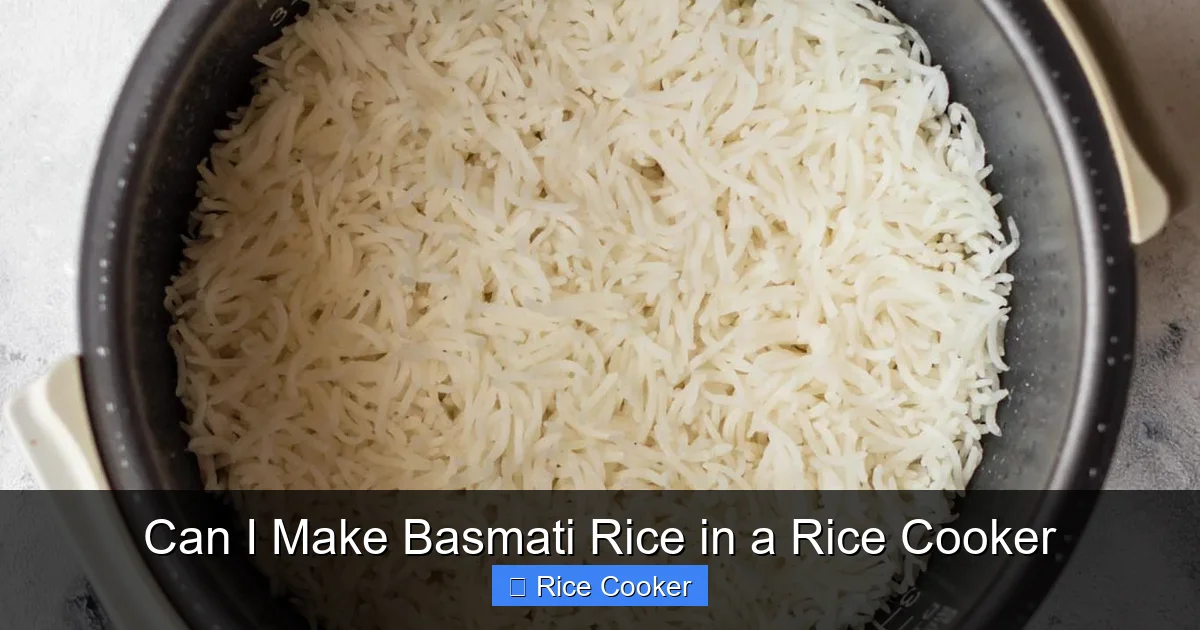
Visual guide about Can I Make Basmati Rice in a Rice Cooker
Image source: teaforturmeric.com
How do I prevent my rice cooker from smelling burnt?
Burned odors usually stem from old food residue or mineral buildup. Clean the inner pot and heating element regularly with warm soapy water and a soft brush. Also, avoid cooking acidic foods like tomatoes frequently in the same unit.
Is it better to soak basmati rice overnight?
Overnight soaking isn’t necessary but can improve texture marginally by further softening the grains. Thirty minutes is sufficient for most home cooks and saves time.
Can I cook brown basmati in a rice cooker?
Absolutely! Brown basmati takes longer to cook—typically 25–30 minutes—and requires more water (about 1:2 ratio). Use the “Brown Rice” setting if available, or monitor closely to prevent drying out.
Why does my rice cooker keep turning off early?
This could indicate low power, incorrect water levels, or a faulty sensor. Ensure you’re using the right amount of water and that the unit is plugged firmly into a working outlet. If problems persist, consult the manufacturer.
Can I freeze cooked basmati rice?
Yes! Portion cooled rice into freezer-safe bags or containers, label with dates, and store up to 3 months. Thaw overnight in the fridge and reheat with a splash of water to restore moisture.
Frequently Asked Questions
What is can i make basmati rice in a rice cooker?
can i make basmati rice in a rice cooker is an important topic with many practical applications.