
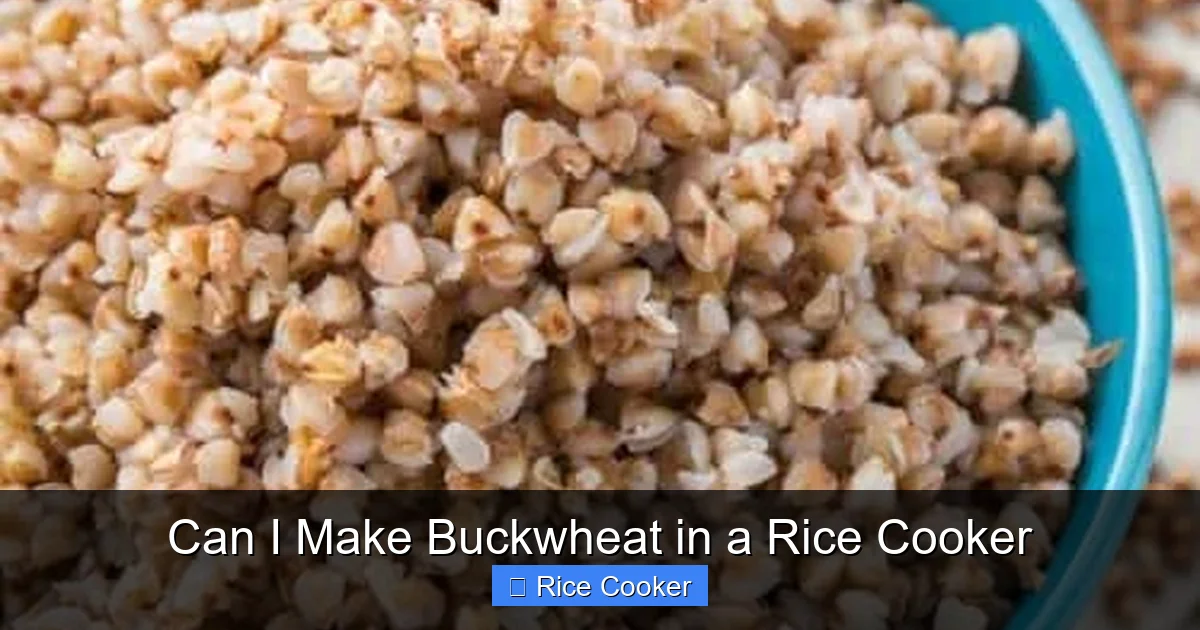
You can absolutely cook buckwheat in a rice cooker, and it’s simpler than you think. This grain-free pseudocereal cooks quickly, becomes fluffy and nutty, and works great as a side dish or base for bowls. With the right ratio and a few simple steps, your rice cooker does all the work—no stovetop watching required.
Key Takeaways
- Buckwheat is safe and easy to cook in a rice cooker: It behaves like brown rice and needs similar water ratios.
- Use a 1:2 ratio (buckwheat to water): For every cup of buckwheat, use two cups of water or broth.
- Rinse before cooking: Rinsing removes bitterness and excess starch for better texture.
- Cook time is about 15–20 minutes: Most rice cookers handle it in one cycle without extra steps.
- Let it rest after cooking: A 5-minute steam hold ensures even moisture distribution.
- Customize with salt, oil, or broth: Enhance flavor without changing the method.
- Store leftovers properly: Refrigerate in an airtight container for up to 5 days.
[FEATURED_IMAGE_PLACEHOLDER]
Introduction: Why Buckwheat Deserves a Spot on Your Plate
Buckwheat isn’t actually wheat—it’s a seed from a flowering plant related to rhubarb. Despite its name, it’s gluten-free and packed with protein, fiber, and antioxidants. Often called a pseudocereal, buckwheat behaves much like rice when cooked, which makes it a fantastic alternative for anyone avoiding grains or looking to add more nutrition to their meals.
If you own a rice cooker, you already have the perfect tool for preparing buckwheat. No special equipment, no constant stirring, and no risk of burning. In this article, we’ll walk through everything you need to know—from choosing the right type of buckwheat to seasoning and serving suggestions. Whether you’re new to cooking buckwheat or just want to simplify your routine, this guide will show you how to do it effortlessly in your rice cooker.
What Is Buckwheat and Why Should You Care?
Buckwheat has been a staple food in parts of Asia and Eastern Europe for centuries. It grows well in cool climates and produces nutrient-dense groats, flakes, or flour. Unlike true cereals such as wheat or oats, buckwheat contains rutin, a flavonoid that supports blood vessel health and may help lower cholesterol.
There are three main forms you’ll find at the store:
– Whole groats: The most intact form, slightly chewy and nutty.
– Kasha: Toasted groats that cook faster and have a richer flavor.
– Buckwheat flour: Used for pancakes, noodles (like soba), or thickening sauces.
For rice cooker users, whole groats are ideal because they mimic brown rice in both shape and cooking behavior. They absorb liquid gradually and develop a pleasant chewiness once cooked.
Nutritional Benefits of Buckwheat
One cup of cooked buckwheat provides:
– About 205 calories
– 7 grams of protein
– 5 grams of fiber
– Iron, magnesium, manganese, and B vitamins
Because it’s naturally gluten-free, buckwheat is a great option for people with celiac disease or gluten sensitivity. Its low glycemic index also makes it suitable for those managing blood sugar levels.
Can You Really Cook Buckwheat in a Rice Cooker?
Absolutely! Buckwheat works beautifully in any standard rice cooker—whether basic or programmable. Unlike some grains that require pre-soaking or specific timing, buckwheat adapts easily to the automated cycle. Think of it as another grain in your rotation: quinoa, wild rice, or even farro.
The key is understanding how buckwheat absorbs water. It follows a similar pattern to brown rice but finishes faster. Most rice cookers have a “brown rice” setting—if yours doesn’t, just use the regular white rice setting. The result? Fluffy, evenly cooked kernels every time.
Why Rely on a Rice Cooker?
Rice cookers offer precision, consistency, and hands-off convenience. Once you add water and press start, there’s nothing else to do. This reduces the chance of undercooking or scorching—common issues when boiling grains on the stove. Plus, leftover cooked buckwheat reheats well without turning mushy.
How to Cook Buckwheat in a Rice Cooker: Step-by-Step Guide
Ready to try it? Follow these simple steps for foolproof results.
Step 1: Measure Your Buckwheat
Use a dry measuring cup for accuracy. One cup of uncooked buckwheat yields about three cups of cooked grain—perfect for meal prep or feeding a small family.
Step 2: Rinse Thoroughly
Place buckwheat in a fine-mesh strainer and rinse under cold running water for 30–60 seconds. This removes surface starch and any potential bitterness. Shake off excess water—don’t soak!
Step 3: Add Water (or Broth)
Pour rinsed buckwheat into the inner pot of your rice cooker. Add two cups of liquid per one cup of buckwheat. You can use plain water, vegetable broth, or even chicken stock for added flavor. If using broth, reduce added salt later.
Step 4: Season Lightly (Optional)
Add a pinch of salt or a teaspoon of olive oil if desired. Oil helps bind moisture and improves texture slightly. Don’t overdo it—too much salt can make the dish taste flat.
Step 5: Start the Cook Cycle
Close the lid and select the appropriate setting. If available, choose “Brown Rice” or “Multigrain.” Otherwise, use the standard “White Rice” setting. Press start and wait.
Step 6: Let It Rest
Once the cycle ends, let the cooker sit undisturbed for 5 minutes. This allows residual steam to distribute evenly, preventing clumping and ensuring soft-but-firm grains.
Step 7: Fluff and Serve
Open the lid and gently fluff the buckwheat with a fork. Serve warm as a side dish, salad base, or breakfast porridge mixed with milk and fruit.
Troubleshooting Common Issues
Even with the best method, things don’t always go perfectly. Here’s how to fix common problems.
Too Wet or Mushy Buckwheat
This usually happens when too much water is used or the cooker isn’t sealed tightly. Try reducing water by ¼ cup next time, or check the rubber seal on your rice cooker. Also, avoid opening the lid during cooking—it disrupts steam pressure.
Gummy Texture
Gummy texture often results from not rinsing enough or using old buckwheat. Always rinse thoroughly and store buckwheat in a cool, dark place in an airtight container. Discard any batches that smell rancid.
Undercooked Kernels
If some grains remain hard, simply return the pot to the cooker and run another cycle for 5–10 minutes. Alternatively, transfer to a covered saucepan and simmer with a splash of water until tender.
Burnt Bottom Layer
This can occur if the inner pot isn’t clean or has residue buildup. Wipe it with warm, soapy water before each use. Never use abrasive scrubbers that could damage the non-stick coating.
Flavor Variations and Creative Uses
Buckwheat’s mild, earthy flavor pairs well with bold ingredients. Here are a few ways to elevate your dish.
Add Spices During Cooking
Try adding a cinnamon stick, star anise, or bay leaf to the water while cooking. Remove them before serving. These aromatics infuse subtle warmth without overwhelming the grain.
Mix With Other Grains
Combine buckwheat with millet, quinoa, or wild rice for a colorful grain bowl. Use a 1:1 ratio and increase water slightly since different grains absorb moisture at varying rates.
Make Savory Bowls
Top cooked buckwheat with roasted vegetables, grilled chicken, avocado, and tahini dressing. It’s hearty, satisfying, and ready in under 30 minutes.
Turn Into Porridge
For breakfast, cook buckwheat with milk or plant-based alternative. Sweeten with honey, maple syrup, or fresh berries. Sprinkle with nuts or seeds for crunch.
Use in Vegan Recipes
Buckwheat adds protein and texture to vegan dishes like lentil loafs, veggie burgers, or grain salads. Its nutty taste complements mushrooms, tempeh, and legumes beautifully.
Storage Tips for Leftover Buckwheat
Cooked buckwheat keeps well in the refrigerator for up to five days. Store it in an airtight container—preferably glass or BPA-free plastic. Avoid leaving it out at room temperature for more than two hours to prevent bacterial growth.
To reheat, microwave with a splash of water or broth to restore moisture. Stir occasionally to prevent drying. You can also warm it in a skillet over low heat with a bit of oil.
Freezing is another option. Portion cooled buckwheat into freezer-safe bags or containers. Label with the date and use within three months. Thaw overnight in the fridge before reheating.
Frequently Asked Questions
Do I need to soak buckwheat before cooking it in a rice cooker?
No soaking is necessary. Unlike beans or lentils, buckwheat cooks quickly and evenly without presoaking. Just rinse well and proceed with the recipe.
Can I substitute buckwheat for rice in my favorite recipes?
Yes! Buckwheat can replace rice in stir-fries, pilafs, or casseroles. It holds its shape well and adds a nutty flavor. Adjust liquid slightly if needed.
Is buckwheat gluten-free?
Yes, buckwheat is naturally gluten-free. However, always check packaging if buying flavored or processed varieties, as cross-contamination may occur during manufacturing.
How long does cooked buckwheat last in the fridge?
Cooked buckwheat stays fresh for up to five days when stored properly in an airtight container in the refrigerator.
Can kids eat buckwheat?
Yes! Buckwheat is safe for most children over one year old. Introduce it gradually and watch for any allergic reactions, though allergies to buckwheat are rare.
What’s the difference between buckwheat and kasha?
Kasha is toasted buckwheat groats. It cooks faster and has a stronger, smokier flavor. Both work in rice cookers, but kasha may take less time.
Conclusion: Buckwheat + Rice Cooker = Winning Combo
Making buckwheat in a rice cooker is not only possible—it’s one of the easiest, healthiest ways to enjoy this superfood. With minimal prep and zero guesswork, you get consistent, delicious results every single time. Whether you’re building grain bowls, whipping up breakfast porridge, or simply seeking a nutritious side dish, buckwheat fits the bill.
Remember to rinse before cooking, use a 1:2 water ratio, and let it rest after the cycle ends. Customize with herbs, spices, or broths to keep meals exciting. And don’t forget to store leftovers wisely—they make quick lunches all week long.
Your rice cooker was designed to handle more than just white rice. Embrace its versatility and discover why buckwheat deserves a permanent spot in your kitchen rotation.
This is a comprehensive guide about can i make buckwheat in a rice cooker.
Key Takeaways
- Understanding can i make buckwheat in a rice cooker: Provides essential knowledge
Frequently Asked Questions
What is can i make buckwheat in a rice cooker?
can i make buckwheat in a rice cooker is an important topic with many practical applications.