
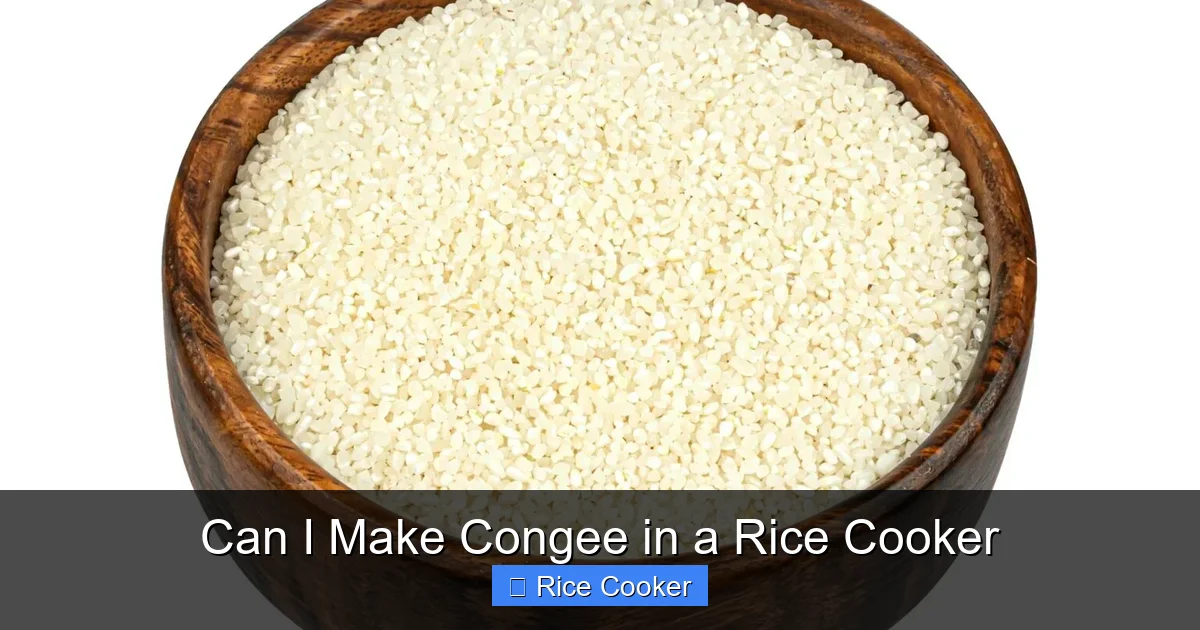
Making congee in a rice cooker is not only possible—it’s incredibly easy and yields perfect results every time. Whether you’re cooking for one or feeding a family, your rice cooker can transform simple ingredients into a comforting, nourishing bowl of congee. This method saves time, ensures consistent texture, and works with virtually any type of rice.
Key Takeaways
- Yes, you absolutely can make congee in a rice cooker. Most modern rice cookers have a “porridge” or “congee” setting that makes the process effortless.
- The key to great congee is the rice-to-water ratio. A 1:8 to 1:10 ratio (rice to water) usually works best for a smooth, creamy consistency.
- Pre-soaking the rice improves texture and shortens cooking time. Soak white rice for 30 minutes to an hour before cooking.
- Stirring occasionally prevents sticking and helps achieve a uniform texture. Even with a timer, gentle stirring every 15–20 minutes helps.
- You can customize congee with proteins, vegetables, and seasonings. Add chicken, shrimp, mushrooms, or soft-boiled eggs during or after cooking.
- Congee keeps well and tastes even better the next day. It’s a great make-ahead meal perfect for busy mornings.
- Different rice varieties affect the final result. Short-grain jasmine or sushi rice work best; long-grain may need more liquid.
📑 Table of Contents
- Can I Make Congee in a Rice Cooker?
- The Science Behind Congee: Why It Works So Well
- Choosing the Right Equipment: What Makes a Great Congee Rice Cooker?
- Mastering the Basics: How to Make Congee in a Rice Cooker
- Flavor Variations: Beyond Plain White Congee
- Health Benefits and Nutritional Advantages
- Pro Tips and Advanced Techniques
- Conclusion: Why Every Kitchen Needs Congee
Can I Make Congee in a Rice Cooker?
If you’ve ever wondered whether your trusty rice cooker can do more than just turn rice into fluffy perfection, the answer is a resounding yes—especially when it comes to making congee. This beloved Asian comfort food, known for its creamy, soothing texture and ability to nourish both body and soul, might seem like a kitchen task that requires constant attention. But with today’s advanced rice cookers, creating restaurant-quality congee at home is simpler than you think.
Congee, which translates to “rice gruel” in Mandarin, is essentially boiled rice cooked slowly until it breaks down into a porridge-like consistency. Traditionally made on the stovetop over low heat for hours, congee has become a breakfast staple across East Asia—and now, thanks to modern appliances, it’s easier than ever to make at home. Whether you’re recovering from illness, craving something warm and comforting, or simply looking for a nutritious start to your day, making congee in a rice cooker delivers consistent results with minimal effort.
In this comprehensive guide, we’ll walk you through everything you need to know about making congee in a rice cooker—from choosing the right equipment and ingredients to mastering techniques that ensure creamy, flavorful bowls every time. You’ll also discover creative variations, troubleshooting tips, and pro secrets that elevate your homemade congee from basic to brilliant.
The Science Behind Congee: Why It Works So Well
Understanding Starch Release and Texture
At its core, congee relies on the breakdown of starch in rice when exposed to prolonged heat and moisture. As rice grains absorb water and cook slowly, their starches dissolve into the surrounding liquid, creating that signature creamy, velvety mouthfeel. Unlike regular rice, which aims to keep individual grains intact, congee embraces the idea of transformation—turning solid grains into a unified, nourishing soup.
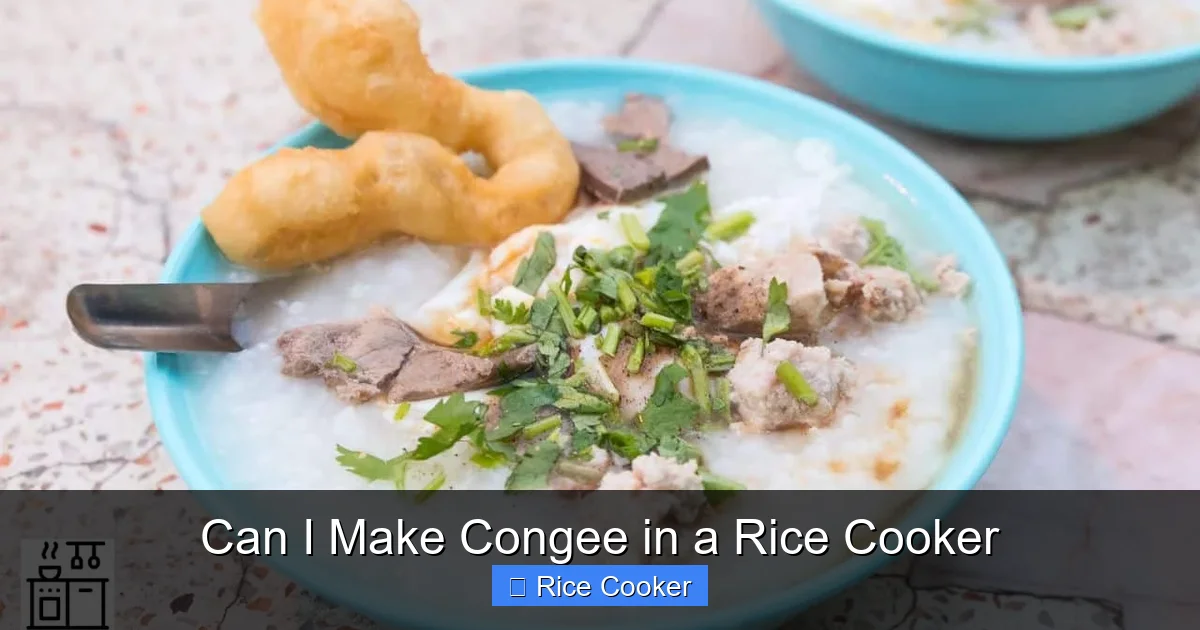
Visual guide about Can I Make Congee in a Rice Cooker
Image source: kitchencuddle.com
This process is enhanced by the gelatinization of starch, which occurs when rice absorbs water and heats up beyond 60°C (140°F). Once gelatinized, the starch molecules expand and release amylose and amylopectin, contributing to the thick, glossy consistency that defines good congee. The longer you cook it, the more refined the texture becomes—ideal for digestion and easy to swallow, especially for those with sensitive stomachs.
Why Your Rice Cooker Is Perfect for Congee
Rice cookers are designed to maintain precise temperature control, often cycling between heating and warming modes. This feature is crucial for congee because it prevents scorching while ensuring even heat distribution throughout the pot. Many modern models come equipped with a dedicated “porridge” or “congee” setting that adjusts the cooking cycle specifically for low-and-slow simmering.
Additionally, rice cookers typically have thicker, heavier pots made of materials like stainless steel or ceramic that retain heat effectively. This means your congee stays hot without boiling away too quickly, allowing flavors to meld beautifully over time. And let’s be honest—once it’s done, the built-in keep-warm function lets you serve fresh congee whenever you’re ready, no standing over a stove required.
Choosing the Right Equipment: What Makes a Great Congee Rice Cooker?
Types of Rice Cookers That Excel at Making Congee
Not all rice cookers are created equal when it comes to congee-making prowess. While basic models can still produce decent results, investing in one with specific features will significantly improve your outcome. Look for these key characteristics:
- Thick-walled inner pot: Prevents burning and ensures even heat transfer.
- Multiple cooking settings: A dedicated “porridge,” “slow cook,” or “congee” mode is ideal.
- Lid with steam vent: Allows excess moisture to escape without losing flavor.
- Keep-warm function: Maintains temperature without overcooking.
- Timer and delay start: Lets you prepare congeee overnight or during work hours.
Popular brands like Zojirushi, Panasonic, and Tiger offer high-end models specifically engineered for authentic Japanese-style congee. However, even mid-range models from Cuisinart or Hamilton Beach can handle the job if they include a porridge setting. If your current rice cooker lacks such features, don’t worry—you can still make excellent congee using manual methods (we’ll cover those later).
Alternative Methods: What If You Don’t Have a Porridge Setting?
If your rice cooker doesn’t have a dedicated congee function, you can adapt it by adjusting your technique. Start by increasing the water ratio to at least 1:10 (one cup rice to ten cups water). Use the standard “white rice” setting but plan for an extended cook time—sometimes 2–3 times longer than usual. Alternatively, switch to “warm” mode once the initial boil subsides and continue cooking manually by stirring occasionally.
Another trick is to pre-cook the rice in a pot on the stovetop for 10–15 minutes until slightly softened, then transfer it to the rice cooker with additional boiling water. This jumpstarts the breakdown process and reduces overall cooking time while minimizing the risk of uneven texture.
Mastering the Basics: How to Make Congee in a Rice Cooker
Step-by-Step Guide for Beginners
Ready to make your first batch? Follow this foolproof method for creamy, satisfying congee:
- Gather your ingredients: 1 cup short-grain white rice, 8–10 cups water (adjust as needed), salt to taste.
- Wash and soak the rice: Rinse rice under cold water until the water runs clear. Soak for 30–60 minutes (optional but recommended).
- Add ingredients to the rice cooker: Drain soaked rice, return to bowl, add water, salt, and any desired aromatics like ginger or scallions.
- Cook on porridge setting: Close lid, select “porridge” or “congee” mode, and press start. Total time usually ranges from 30–60 minutes.
- Stir gently halfway through: Open lid carefully (watch for steam!) and stir to prevent sticking.
- Check consistency: When rice fully disintegrates and forms a thick slurry, your congee is ready.
- Season and serve: Taste and adjust salt or add soy sauce, sesame oil, or chili crisp as desired.
Troubleshooting Common Issues
Even experienced cooks run into hiccups sometimes. Here’s how to fix them:
- Too thick? Add warm water gradually until you reach your preferred consistency. Reheat gently on warm mode.
- Too thin? Return to warm mode and simmer uncovered for 10–15 minutes to reduce liquid.
- Sticky or clumpy? Stir vigorously during cooking; avoid overfilling the pot.
- Burning smell? Ensure the inner pot isn’t scratched or damaged—replace if necessary.
- Bitter taste? Avoid adding acidic ingredients (like tomatoes) directly to raw rice; add them after cooking instead.
Flavor Variations: Beyond Plain White Congee
Classic Savory Toppings and Add-ins
Plain congee is delicious, but the real magic happens when you customize it. Traditional Chinese congee often includes:
- Silky-smooth egg yolk: Swirl in a beaten egg yolk during the last minute of cooking for richness.
- Salt-cured pork or preserved egg (dan dan): Add diced cured pork belly near the end for umami depth.
- Shiitake mushrooms: Sauté briefly before adding to the rice cooker for earthy aroma.
- Fresh herbs and scallions: Garnish just before serving for brightness.
- Sesame oil and chili oil: Drizzle after cooking for aromatic kick.
Creative Sweet Congees for Breakfast or Dessert
Don’t forget sweet versions! Try these delightful twists:
- Red bean congee: Cook dried red beans with rice for a silky, naturally sweet treat.
- Mango sticky rice congee: Blend ripe mango into cooled congee and top with toasted coconut flakes.
- Brown sugar and ginger: Simmer brown sugar and fresh ginger slices with rice for a warming winter drink.
- Fruit-infused varieties: Stir in mashed bananas, pears, or apples toward the end of cooking.
Health Benefits and Nutritional Advantages
Digestive Support and Easy Nutrition
Congee is renowned for being gentle on the digestive system. The broken-down starches make it easily digestible, making it a go-to remedy during colds, flu, or gastrointestinal discomfort. It provides steady energy without taxing your stomach, thanks to its low-fat, moderate-protein content.
It’s also naturally gluten-free when made with plain white rice, and can be adapted for various dietary needs—swap rice for quinoa or millet for grain-free options. Because it’s so customizable, you can boost its nutritional profile by adding lentils, spinach, or ground nuts.
Ideal for Active Lifestyles and Recovery
Athletes, seniors, and busy professionals alike benefit from congee’s sustained energy release. Unlike sugary cereals that cause blood sugar spikes, congee offers complex carbohydrates that fuel your body steadily throughout the morning. Its hydration properties also support recovery after intense workouts or illness.
Pro Tips and Advanced Techniques
Overnight Congee: The Lazy Person’s Hack
Want warm congee ready before sunrise? Try the overnight method:
- Combine rinsed rice, 1.5 times more water than usual, and a pinch of salt in the rice cooker.
- Cook on the standard “white rice” setting until it boils.
- Switch to “warm” mode, close the lid, and leave undisturbed overnight (8–12 hours).
- In the morning, stir well and reheat on warm mode if needed. You’ll wake up to perfectly cooked congee!
Using Different Rice Varieties
While short-grain rice is traditional, experimenting opens up new possibilities:
- Jasmine rice: Fragrant and slightly sticky—great for savory versions.
- Sushi rice: High starch content yields extra creaminess.
- Brown rice: Adds fiber and nuttiness but requires longer soaking and more water.
- Glutinous rice: Creates ultra-thick, chewy congee popular in Thai and Vietnamese cuisine.
Maintaining Your Rice Cooker After Making Congee
Cleaning is simple but important—congee residue can harden if left behind:
- Let the inner pot cool slightly before washing.
- Use warm, soapy water and a non-abrasive sponge.
- Check the sealing ring regularly for buildup; remove and clean weekly.
- Never submerge the main unit in water—only the removable parts.
Conclusion: Why Every Kitchen Needs Congee
Making congee in a rice cooker isn’t just convenient—it’s transformative. It turns a seemingly labor-intensive dish into an accessible, nourishing staple that fits seamlessly into modern lifestyles. Whether you’re seeking comfort during tough times, preparing for a healthy breakfast, or exploring global flavors from the ease of your kitchen, congee delivers on all fronts.
With the right technique, a little creativity, and your trusty rice cooker, you’ll soon find yourself reaching for this humble bowl again and again. From plain and soothing to richly flavored and globally inspired, congee proves that simplicity can be deeply satisfying. So go ahead—measure out that rice, fill the pot with water, and let your rice cooker work its magic. Your taste buds (and your body) will thank you.
Frequently Asked Questions
Do I really need a special setting to make congee in my rice cooker?
Not necessarily. While a dedicated “porridge” or “congee” setting simplifies the process, most rice cookers can make good congee using the standard white rice setting with adjusted water ratios and longer cook times. Just monitor closely and stir occasionally.
How much water should I use for congee?
Start with a 1:8 to 1:10 ratio—one part rice to eight to ten parts water. Adjust based on desired thickness. More water yields thinner, soupier congee; less makes it thicker and more porridge-like.
Can I make congee ahead of time?
Absolutely! Congee actually tastes better the next day as flavors deepen and texture smooths out. Store in the refrigerator for up to 4 days or freeze for longer storage. Reheat gently on the stove or in the rice cooker on warm mode.
What type of rice works best for congee?
Short-grain white rice (like jasmine or sushi rice) is ideal due to its high starch content and ability to break down into a creamy consistency. Brown rice also works but requires more water and longer cooking time.
How do I prevent congee from burning in the rice cooker?
Use enough water to prevent sticking, stir occasionally during cooking, and ensure your inner pot is in good condition without scratches or damage. Also, avoid overfilling—leave at least an inch of space around the rim.
Can I add meat or vegetables directly to the raw rice?
It’s safer to sauté harder ingredients (like pork or mushrooms) briefly before adding them to the rice cooker. Softer items (like spinach or soft-boiled eggs) can go in during the last few minutes of cooking to retain texture and prevent mushiness.