
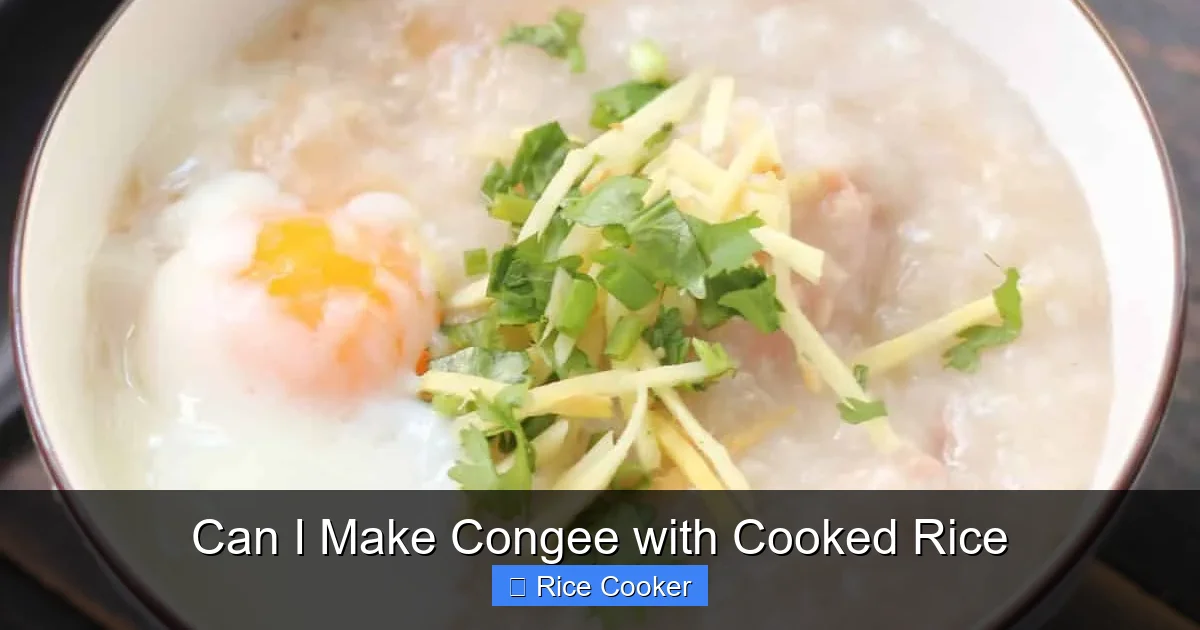
Can I make congee with cooked rice? Absolutely! Whether you have leftover white rice or want to whip up a soothing bowl of congee quickly, using already-cooked rice is not only possible but often easier. With the right technique and a bit of patience, you can transform ordinary cooked rice into a smooth, porridge-like dish perfect for breakfast, recovery meals, or anytime comfort food is needed.
Key Takeaways
- Yes, you can make congee with cooked rice: It’s one of the easiest ways to repurpose leftovers into a delicious meal.
- A rice cooker simplifies the process: Just add water, heat, and let it do the work for you.
- Adjust consistency by controlling liquid ratio: More water = thinner congee; less water = thicker porridge.
- Flavor enhancement is key: Add salt, herbs, or protein to elevate basic rice porridge into gourmet congee.
- Cooking time varies: Stir occasionally to prevent sticking and ensure even texture.
- Storage and reheating work well: Leftover congee reheats beautifully and keeps for days in the fridge.
- Different rice types affect results: Sticky rice works best, but long-grain white rice can also be used successfully.
📑 Table of Contents
- Introduction: The Comfort of Congee
- Why Use Cooked Rice to Make Congee?
- Choosing the Right Rice Type
- Essential Tools and Equipment
- Step-by-Step Guide: Making Congee from Cooked Rice
- Flavoring Your Congee: From Simple to Gourmet
- Troubleshooting Common Issues
- Storing and Reheating Leftover Congee
- Health Benefits and Nutritional Value
- Creative Twists and Cultural Variations
- Final Thoughts: Embrace the Versatility
Introduction: The Comfort of Congee
There’s something deeply comforting about a warm bowl of congee. Whether it’s steaming gently on a winter morning or served as a gentle recovery meal after illness, congee has been a staple across many cultures—especially in East Asia—for centuries. Its soft, porridge-like texture and neutral flavor make it incredibly versatile. But what if you don’t have fresh rice ready to cook? What if you’re craving congee but only have leftover cooked rice from last night’s dinner?
The good news? Yes, you can absolutely make congee with cooked rice. In fact, this method is not only practical but often yields excellent results when done correctly. Whether you’re using a traditional stovetop approach or leveraging your trusty rice cooker (which falls under the broader category of kitchen appliances designed for cooking rice), turning leftover rice into congee is simple, quick, and satisfying.
In this comprehensive guide, we’ll walk you through every step—from understanding why cooked rice works so well to advanced techniques for flavorful, restaurant-quality congee at home. You’ll learn how to adjust textures, enhance taste, avoid common pitfalls, and even store or reheat your creation for future enjoyment.
Why Use Cooked Rice to Make Congee?
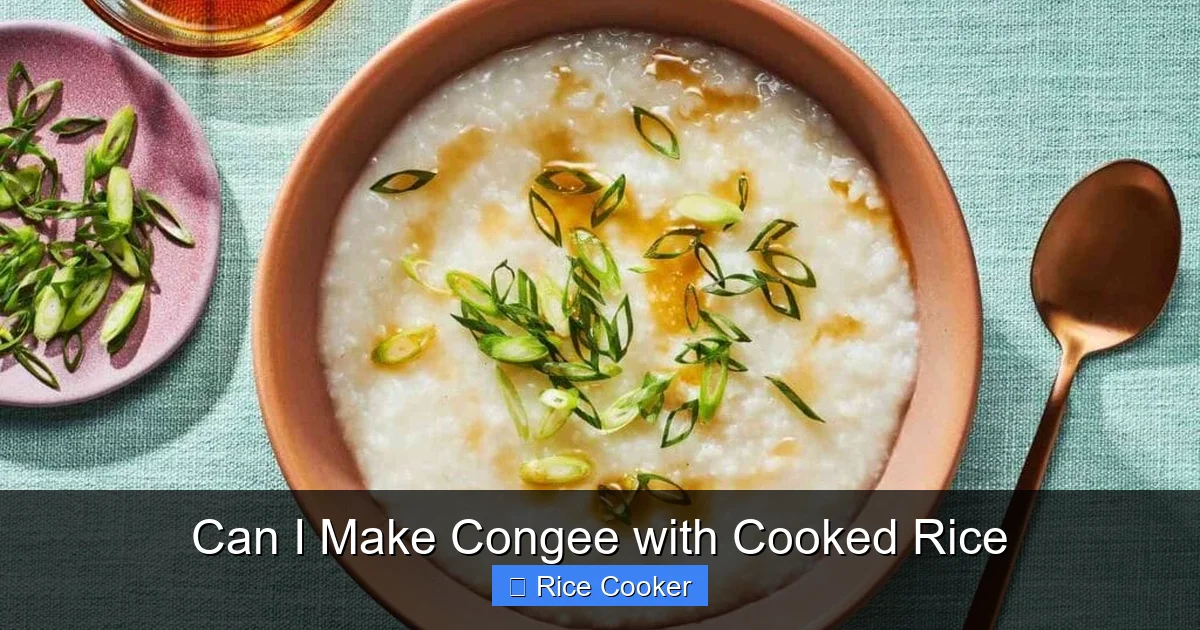
Visual guide about Can I Make Congee with Cooked Rice
Image source: news.farmvina.com
The Science Behind the Transformation
When rice grains are cooked, their starches gelatinize—meaning they absorb water and swell, breaking down partially during the initial cooking process. This makes them much easier to break down further when reheated with additional liquid. Using already-cooked rice means you skip the first step of boiling raw rice, saving both time and energy.
Moreover, since the rice is pre-gelatinized, it breaks down faster into that signature creamy consistency that defines congee. This is especially true for short-grain or sticky rice varieties like Japanese short-grain or Chinese glutinous rice, which naturally lend themselves better to porridge-making due to their higher amylopectin content.
However, even long-grain white rice—commonly found in Western kitchens—can produce decent congee if given enough time and moisture. So whether you’re working with basmati, jasmine, or American long grain, the principles remain the same.
Convenience and Waste Reduction
One of the biggest advantages of using leftover rice is reducing food waste. Instead of tossing out yesterday’s rice, you can turn it into something new and nourishing. Plus, making congee this way is ideal for busy mornings when you don’t have time to start from scratch. Simply grab your leftover rice, add water (or broth!), and let your rice cooker handle the rest.
This method also shines during cold snaps or when someone in the house isn’t feeling well. A warm, soothing bowl of congee made from saved rice can be just what’s needed to ease digestion and lift spirits.
Choosing the Right Rice Type
Best Rice Varieties for Congee
While any type of rice can technically be used, some perform better than others:
- Short-Grain White Rice: This is the gold standard for authentic Asian-style congee. Varieties like Calrose (common in California) or Japanese Koshihikari yield the creamiest, most tender texture.
- Glutinous (Sticky) Rice: Often used in sweet congees or regional dishes, this rice becomes exceptionally smooth and clingy when cooked with extra water.
- Jasmine or Basmati Rice: Long-grain aromatic rices can work, but they tend to stay slightly separate rather than fully breaking down. Still, they’re perfectly acceptable if that’s what you have on hand.
If you frequently enjoy congee, consider stocking up on short-grain rice specifically labeled “congee” or “porridge” rice—it’s optimized for this purpose.
What About Brown Rice?
Brown rice adds more fiber and nutrients, but it requires significantly more liquid and longer cooking time—even when starting with cooked brown rice. If you want to use leftover brown rice, increase the water ratio to 6–8 parts liquid per 1 part rice and simmer vigorously for 15–20 minutes, stirring often.
Essential Tools and Equipment
Rice Cookers: Your Best Friend
For most people, a rice cooker is the easiest tool for making congee from cooked rice. Modern rice cookers come with specialized “porridge” or “congee” settings that maintain low, steady heat while preventing scorching. Even basic models without dedicated functions can be used effectively—just monitor closely.
Popular brands like Zojirushi, Panasonic, and Instant Pot offer reliable options. Look for units with non-stick inner pots and keep-alive functions if you plan to serve congee over several hours.
Stovetop Method: Traditional and Effective
If you prefer the hands-on control of the stove, that’s totally fine! Place your cooked rice in a heavy-bottomed pot, add water or broth gradually, and bring to a boil. Then reduce heat to low and simmer, stirring frequently to prevent sticking and promote even breakdown.
A wooden spoon works well for scraping the bottom—this helps incorporate any caramelized bits from the original rice cooker or pan.
Blenders and Immersion Blenders
Some recipes call for briefly blending the rice-water mixture to create an ultra-smooth texture. While not always necessary, this technique can be helpful for very thick batches or when serving infants or elderly family members who benefit from finer textures.
An immersion blender is especially convenient since it doesn’t require transferring hot liquid to another container.
Step-by-Step Guide: Making Congee from Cooked Rice
Gathering Ingredients and Quantities
Start by measuring your cooked rice. A typical serving size is about 1 cup of cooked rice (roughly equivalent to ½ cup uncooked). For congee, you’ll generally use a ratio of 4–6 parts liquid to 1 part rice, depending on desired thickness.
Water is fine for plain congee, but chicken or vegetable broth adds depth and nutrition. Salt enhances flavor without overwhelming the subtle taste of rice.
Optional additions include:
- Diced onions, ginger, garlic
- Sliced mushrooms, bok choy, or other vegetables
- Shredded chicken, fish cake, or tofu
- Eggs (cracked into the pot during final minutes)
- Seaweed flakes, sesame oil, soy sauce
Basic Procedure Using a Rice Cooker
1. Transfer cooked rice to the inner pot of your rice cooker.
2. Add 4 cups of water per 1 cup of rice (adjust based on preference).
3. Close lid and select the “Porridge” or “Congee” setting if available. If not, use the standard “Cook” mode but expect longer cooking time.
4. Allow the machine to run until it switches to “Keep Warm.” This usually takes 20–30 minutes.
5. Open the lid and stir gently to break up any clumps and redistribute steam.
6. Serve immediately, or switch to “Keep Warm” for up to 2 hours.
Stovetop Instructions
1. In a medium saucepan, combine 1 cup cooked rice with 4–5 cups water (or broth).
2. Bring to a rolling boil over high heat.
3. Reduce heat to low-medium and simmer uncovered, stirring every few minutes.
4. Continue cooking for 15–25 minutes, until rice reaches desired consistency.
5. Season with salt and optional aromatics.
6. Remove from heat and let sit covered for 5 minutes before serving.
Pro tip: Keep a damp cloth nearby to wipe condensation from the lid—this prevents water droplets from falling back into the congee and diluting flavor.
Flavoring Your Congee: From Simple to Gourmet
Classic Salted Congee
The simplest version relies only on rice, water, and salt. To enhance umami, try adding a few thin slices of ginger root while cooking, or a splash of light soy sauce at the end. Finely chopped scallions make a bright finishing touch.
Protein-Powered Versions
For heartier meals, fold in shredded rotisserie chicken, poached egg, or silken tofu during the last few minutes of cooking. Fish cakes (common in Southeast Asian cuisines) add flaky texture and savory notes.
Veggie-Loaded Congee
Sauté diced carrots, celery, and onions in a bit of oil before adding rice and water. Or toss in leafy greens like spinach or choy sum near the end—they wilt quickly and add color and nutrients.
Sweet Treat Congee
Switch things up with red bean paste, diced jackfruit, or mashed bananas. Top with crushed nuts, cinnamon, or a drizzle of honey. Sweet congee pairs wonderfully with toast or fruit.
Regional Specialties to Try
- Taiwanese Century Egg & Pork Congee: Rich, savory, and deeply satisfying.
- Japanese Tamago Kake Gohan: Raw egg stirred into hot rice (not technically congee, but similar concept).
- Chinese Century Egg Porridge: Silky duck eggs suspended in fragrant broth.
Experimentation is encouraged—your kitchen, your rules!
Troubleshooting Common Issues
Too Thick or Too Thin?
If your congee is too thick, add warm water or broth a tablespoon at a time until it reaches the desired consistency. Conversely, if it’s too thin, transfer to a saucepan and simmer uncovered to evaporate excess liquid.
Grainy Texture
This usually happens when rice isn’t broken down enough. Ensure you’re using the right rice type and cooking long enough. Stirring frequently also helps distribute heat evenly.
Sticking or Burning
Always use enough liquid and stir regularly—especially on the stove. Non-stick pots help, but even stainless steel can work if you’re vigilant. Avoid letting the temperature get too high during simmering.
Overcooked or Mushy Rice
While congee should be soft, excessive cooking can turn it into mush. Once the rice grains lose their shape entirely, remove from heat promptly.
Storing and Reheating Leftover Congee
Refrigeration and Freezing Tips
Store cooled congee in airtight containers. It keeps well in the refrigerator for up to 4 days. When freezing, portion into ice cube trays or small containers—this makes thawing individual servings easy.
To reheat refrigerated congee, microwave in 30-second intervals, stirring between each, until hot throughout. Add a splash of water if it seems too thick.
Frozen congee cubes can be microwaved directly or thawed overnight in the fridge before reheating.
Reviving Stiffened Congee
After refrigeration, congee may firm up slightly. Simply add a little warm water or broth and stir vigorously until smooth. On the stovetop, reheat over low heat while whisking constantly.
Health Benefits and Nutritional Value
Digestive Ease
Because congee is soft and easily digestible, it’s often recommended for those recovering from stomach bugs, surgeries, or digestive issues. The slow-digesting carbohydrates provide sustained energy without taxing the system.
Nutrient Density Options
By customizing ingredients, you can boost protein (with eggs or meat), fiber (with vegetables or whole grains), and healthy fats (with sesame oil or nuts). Herbs like cilantro or mint add antioxidants and freshness.
Calorie Consciousness
Plain congee is relatively low in calories—around 80–100 per cup—but loading it with meat, oils, and rich broths increases density. Be mindful of portions if managing weight.
Creative Twists and Cultural Variations
Fusion Flavors
Try adding turmeric and coconut milk for a South Indian-inspired variation, or swap water for apple cider vinegar and maple syrup for a breakfast twist reminiscent of oatmeal.
Global Inspirations
- Korean Juk: Similar to congee, often made with glutinous rice and topped with kimchi or abalone.
- Spanish Arroz Caldoso: While thicker, it shares the idea of rice cooked in liquid—sometimes used as a base for seafood stews.
- American Cream of Rice: Though traditionally a soup, it demonstrates how rice can be transformed through liquid addition.
Don’t be afraid to blend traditions—your bowl is a canvas!
Final Thoughts: Embrace the Versatility
Making congee from cooked rice isn’t just a clever hack—it’s a testament to culinary flexibility. Whether you’re saving time, reducing waste, or simply craving something warm and nurturing, this method delivers. With just a few adjustments and a willingness to experiment, you can turn humble leftovers into a comforting, nutritious, and deeply satisfying meal.
Next time you find yourself staring at a container of yesterday’s rice, remember: congee awaits. Grab your rice cooker (or pot), add a little love and liquid, and let the magic begin.
Frequently Asked Questions
Can I use any type of cooked rice to make congee?
Yes, but short-grain or sticky rice works best because it breaks down more easily into a creamy texture. Even long-grain rice like basmati or jasmine can be used, though the result will be slightly less cohesive.
How much water should I add to cooked rice for congee?
A general rule is 4 to 6 cups of liquid per 1 cup of cooked rice. Adjust based on how thick or thin you like your congee.
Do I need a special rice cooker setting for congee?
Not necessarily. Many modern rice cookers have a “porridge” or “congee” setting, but even basic models work well if you monitor the cooking process closely and stir occasionally.
Can I make congee in advance and reheat it?
Absolutely. Store cooled congee in an airtight container in the fridge for up to 4 days. Reheat by microwaving in short bursts, adding water if needed to restore smoothness.
Is it okay to add salt or seasonings to plain congee?
Yes! Salt enhances the natural flavor of rice. You can also add ginger, garlic, soy sauce, or other seasonings during or after cooking to customize the taste.
Why does my congee sometimes stick to the bottom of the pot?
This usually happens if there’s not enough liquid or if the heat is too high. Stir frequently and ensure adequate moisture, especially when using a stovetop method.