
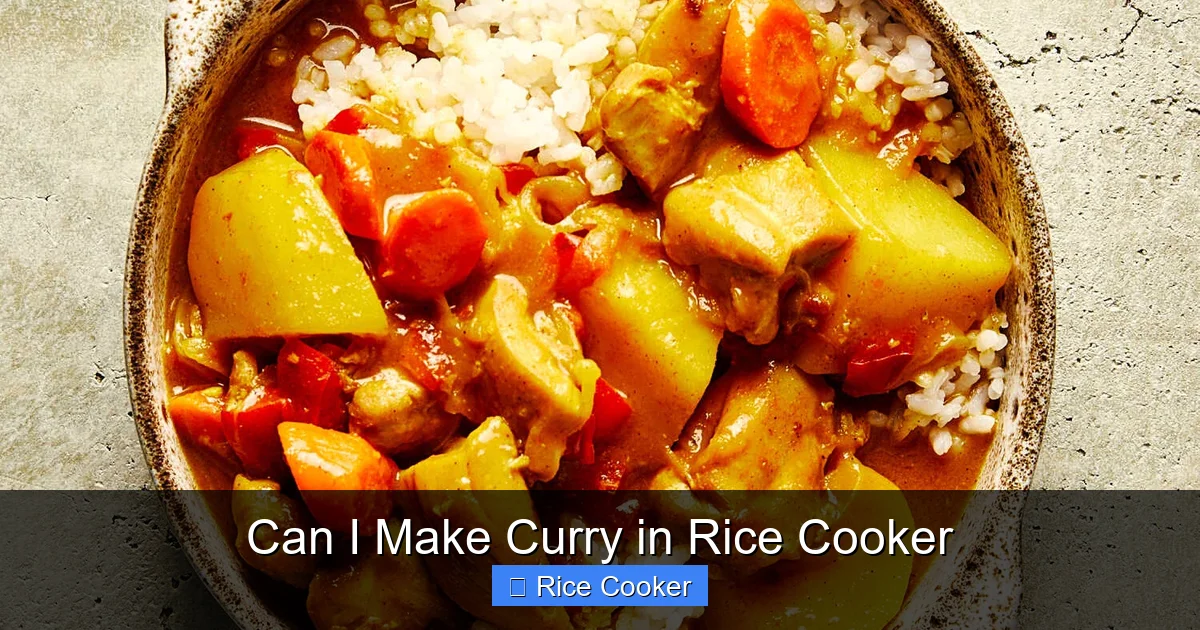
Can you make curry in a rice cooker? Absolutely! With the right ingredients and technique, your rice cooker becomes a versatile kitchen tool for creating rich, aromatic curries without constant stirring or babysitting. Whether you’re cooking for one or feeding a crowd, this method saves time while delivering restaurant-quality results. From chicken to lentil-based dishes, the rice cooker handles it all with minimal cleanup.
Key Takeaways
- Yes, you can make curry in a rice cooker: It’s a convenient, foolproof way to prepare flavorful one-pot meals with minimal effort.
- No special equipment needed: Just your regular rice cooker, basic spices, and fresh or frozen veggies.
- Customizable recipes: Adapt curry dishes for vegetarian, vegan, or protein-packed versions depending on your taste.
- Saves time and energy: The sealed environment locks in flavors while reducing the need for constant monitoring.
- Great for batch cooking: Make large portions and store leftovers for quick meals throughout the week.
- Works with rice and grains: Combine rice, quinoa, or other grains to make complete, balanced curry meals.
- Tips for success: Use high liquid levels, sauté ingredients first when possible, and let the cooker do the rest.
📑 Table of Contents
- Can I Make Curry in Rice Cooker? Yes — Here’s How!
- The Surprising Versatility of Your Rice Cooker
- What Kind of Curry Can You Make in a Rice Cooker?
- Essential Ingredients for Rice Cooker Curry
- Step-by-Step Guide: How to Make Curry in a Rice Cooker
- Pro Tips for Perfect Rice Cooker Curry
- Recipe Ideas to Get You Started
- Common Mistakes to Avoid
- Can You Add Rice to Curry in the Rice Cooker?
- Cleaning and Maintenance Tips
- Final Thoughts: Why You Should Try It
Can I Make Curry in Rice Cooker? Yes — Here’s How!
Ever wished you could whip up a delicious, restaurant-style curry without standing over a hot stove? Well, guess what? You can — and you don’t even need a fancy pressure cooker or a dedicated slow cooker. Your trusty rice cooker is more versatile than you think. That little appliance sitting in your kitchen cabinet? It’s not just for fluffy white rice anymore.
In fact, making curry in a rice cooker has become a game-changer for busy home cooks, meal preppers, and anyone craving a warm, comforting bowl of spiced goodness with zero stress. Whether you’re using an electric rice cooker with a keep-warm function or a basic model, the process is simple, efficient, and surprisingly effective. No more worrying about burning the bottom or forgetting to stir — your rice cooker does all the work.
This article will walk you through everything you need to know: from choosing the right curry base to adjusting cooking times, selecting ingredients, and even storing leftovers. Plus, we’ll share some tried-and-true recipes so you can get started right away. So grab that rice cooker, fire up your favorite spices, and let’s turn your kitchen into a curry-making machine!
The Surprising Versatility of Your Rice Cooker
Most people associate rice cookers with just one job: cooking rice. But modern rice cookers — especially those with advanced settings like “brown rice,” “porridge,” or even “steam” — are essentially programmable multi-cookers. Many models also come with non-stick inner pots that make cleaning a breeze.
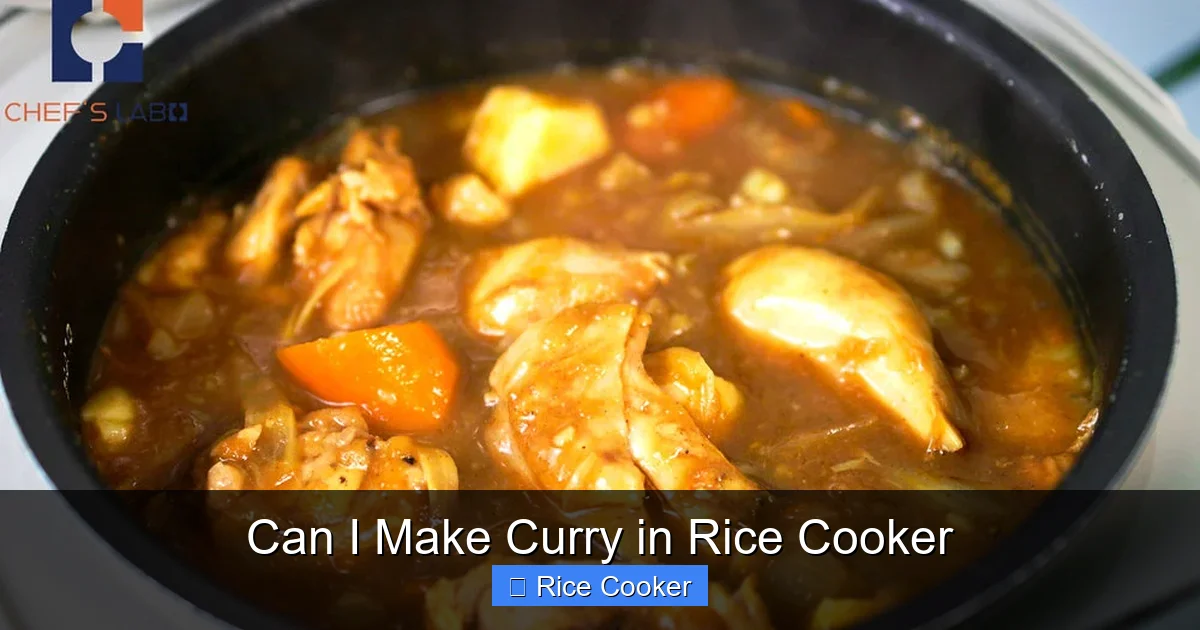
Visual guide about Can I Make Curry in Rice Cooker
Image source: static.wixstatic.com
But here’s the real magic: a rice cooker creates a sealed, steam-rich environment. When you add liquid and heat it slowly, the moisture circulates evenly, cooking ingredients gently and locking in flavor. That’s why it works so well for stews, soups, and yes — curries. The key is understanding how the rice cooker mimics traditional simmering methods without needing constant attention.
Unlike a stovetop curry, where you have to stir regularly to prevent sticking or burning, the rice cooker’s automatic shut-off feature means you can set it and forget it. Once the liquid evaporates and the cooker detects dryness, it switches to “warm” mode. This hands-free approach is perfect for someone juggling work, kids, or just wants to relax after a long day.
Why Choose a Rice Cooker Over the Stove?
- Less supervision needed: No more standing over a pot, stirring constantly.
- Even cooking: Heat distributes uniformly, preventing hot spots.
- Easy cleanup: Non-stick pans mean less scrubbing.
- Energy-efficient: Uses less power than keeping a pot on the stove.
- Perfect consistency: Especially great for grains and legumes that need steady moisture.
If you’ve ever struggled with gritty basmati or undercooked chickpeas in a curry, the rice cooker’s controlled cooking cycle can be a lifesaver. It ensures every grain and bean gets tender without turning mushy — as long as you use the right liquid-to-ingredient ratio.
What Kind of Curry Can You Make in a Rice Cooker?
The short answer? Almost any curry you can dream up. From creamy coconut-based Thai curries to hearty Indian dals and spicy Korean-inspired stews, the rice cooker adapts beautifully. The trick is adjusting ingredients and timing based on what you’re cooking.
Popular Curry Types Perfect for the Rice Cooker
- Thai Green or Red Curry: Use coconut milk, lemongrass, galangal, and kaffir lime leaves for an authentic Southeast Asian flavor.
- Indian Butter Chicken (Murgh Makhani): Simmer chicken with tomatoes, cream, and garam masala for a rich, velvety sauce.
- Vegetable Curry: Combine potatoes, carrots, peas, and cauliflower with curry powder and coconut milk.
- Lentil Dal: A staple in South Asia, dal (like red or green lentils) cooks perfectly in a rice cooker with onions, garlic, turmeric, and cumin.
- Korean-Style Kimchi Stew (Kimchi Jjigae): Fermented kimchi, tofu, pork, and gochujang create a spicy, tangy stew.
- Chicken Tikka Masala: Tender chicken in a spiced tomato-cream sauce — best made in batches for maximum flavor.
Each of these can be adapted to be vegetarian, vegan (using plant-based milk or broth), or gluten-free. The beauty of using a rice cooker is its flexibility — you can experiment with spices, proteins, and vegetables without worrying about scorching the pan.
Essential Ingredients for Rice Cooker Curry
Before you start cooking, gather these core ingredients. Most are pantry staples, so you likely already have them at home.
Base Ingredients
- Coconut milk: Full-fat for richness, light for lighter dishes. Use both the thick and thin parts for layered flavor.
- Curry paste or powder: Store-bought Thai curry paste or homemade spice blend. For powder, mix equal parts cumin, coriander, turmeric, chili, and fenugreek.
- Onions, garlic, ginger: Sautéed at the start for depth of flavor.
- Liquid: Chicken, vegetable, or coconut broth adds moisture and helps dissolve spices.
Protein Options
- Chicken: Cut into bite-sized pieces. Marinate briefly for extra tenderness.
- Tofu or tempeh: Pressed and cubed for firm texture.
- Shrimp or fish: Add in the last 10 minutes to avoid overcooking.
- Legumes: Chickpeas, black beans, or lentils (add soaked chickpeas or canned beans).
Veggies to Include
- Potatoes: Dice into small cubes; they take longer to cook.
- Bell peppers, zucchini, mushrooms: Add toward the end if using fresh.
- Spinach or kale: Stir in during the last 5 minutes for wilted greens.
Remember: the rice cooker doesn’t brown food like a stovetop, so if you want caramelized flavor, sauté aromatics (onions, garlic, ginger) in a bit of oil before adding them to the cooker. Some advanced rice cookers have a “saute” setting — use it!
Step-by-Step Guide: How to Make Curry in a Rice Cooker
Ready to try it yourself? Follow this simple process for foolproof results every time.
1. Prep Your Ingredients
Chop onions, mince garlic and ginger, cube chicken or veggies, and measure out spices. Having everything ready makes the process smooth and fast.
2. Sauté Aromatics (Optional but Recommended)
If your rice cooker has a sauté function, heat oil, then add onions, garlic, and ginger until fragrant (about 2–3 minutes). If not, you can skip this step, but your curry may lack depth.
3. Add Spices and Curry Base
Stir in curry paste or spice blend. Let it cook for 1 minute to bloom the flavors — this activates the oils in the spices and deepens the taste.
4. Pour in Liquids and Protein
Add coconut milk, broth, and your protein. Stir to combine. Then add vegetables and grains (like rice or quinoa) if desired.
5. Set the Cooker
Close the lid and select “White Rice” or “Manual” mode. Cooking time varies:
- Rice + Curry: 30–40 minutes
- Without Rice (just curry): 25–35 minutes
- Dal or Legume-Based Curry: 40–50 minutes (soak lentils first if using dry)
6. Let It Rest
Once done, let the curry sit for 5–10 minutes before opening. This allows flavors to meld and thicken slightly.
7. Adjust Consistency and Season
If too thick, add a splash of broth. If too thin, simmer on “warm” mode uncovered for 10 minutes. Taste and adjust salt, pepper, or acid (lemon juice or tamarind) as needed.
8. Serve Hot
Garnish with cilantro, lime wedges, or a dollop of yogurt. Pair with rice, naan, or roti for a complete meal.
Pro Tips for Perfect Rice Cooker Curry
Want your curry to taste like it came from a chef’s kitchen? Try these expert tips.
Use High Liquid Levels
Curry should be saucy, not dry. Aim for a liquid-to-solid ratio of about 1:1. Too little liquid = stuck-on food. Too much = watery curry. Start with 2–3 cups of liquid per pound of protein or 2 cups per serving.
Soak Dry Beans and Lentils
If using dry chickpeas or lentils, soak them overnight. They’ll cook faster and more evenly than dry beans.
Don’t Overfill the Cooker
Never fill beyond two-thirds full. Overfilling can cause overflow and trigger safety mechanisms.
Layer Flavors
Add ingredients in stages: aromatics first, then spices, then liquids and proteins. This builds complexity.
Let the Sauce Thicken Naturally
Avoid stirring during cooking — it releases starch and can make the sauce slimy. Instead, let it thicken on its own. If needed, mix a cornstarch slurry (1 tbsp cornstarch + 2 tbsp water) and stir in at the end.
Experiment with Herbs and Acids
A squeeze of lime or lemon at the end brightens the dish. Fresh herbs like cilantro, basil, or mint add freshness.
Make It Ahead
Curry tastes even better the next day. Store in airtight containers in the fridge for up to 5 days or freeze for 3 months. Reheat gently on the stove or in the microwave.
Recipe Ideas to Get You Started
Here are three easy, crowd-pleasing recipes you can make in your rice cooker today.
Simple Chicken Coconut Curry
- 1 lb chicken thighs, cubed
- 1 can coconut milk (13.5 oz)
- 2 tbsp Thai red curry paste
- 1 onion, chopped
- 1 bell pepper, sliced
- 1 cup broccoli florets
- 1 tsp fish sauce (optional)
- Salt and pepper to taste
Instructions: Sauté onion, add curry paste, stir 1 minute. Add chicken, coconut milk, broccoli, and pepper. Cook on manual mode for 30 minutes. Stir in fish sauce and serve over rice.
Vegetarian Lentil Curry (Dal Tadka Style)
- 1 cup red lentils, rinsed
- 1 onion, chopped
- 3 cloves garlic, minced
- 1 inch ginger, grated
- 1 tsp cumin seeds
- 1 tsp turmeric
- 1 can diced tomatoes
- 2 cups water
- Handful of spinach
Cook all ingredients except spinach for 35 minutes. Stir in spinach 5 minutes before done. Garnish with cilantro.
Spicy Korean Kimchi Jjigae
- 1 cup kimchi, chopped
- 150g pork belly or tofu
- 1 cup kimchi juice
- 1 cup broth
- 1/2 cup tofu, cubed
- 1 green onion, chopped
- 1 tbsp gochujang
Combine all ingredients in the rice cooker. Cook for 25 minutes. Top with green onions and serve with rice.
Common Mistakes to Avoid
Even with the best intentions, things can go wrong. Here’s how to sidestep common pitfalls.
Mistake 1: Not Using Enough Liquid
Result: Burnt bottom, stuck food, uneven cooking. Always check the manual for minimum water levels — usually 1 cup.
Mistake 2: Skipping the Sauté Step
Result: Flat, bland flavor. Even if you don’t have a sauté function, you can quickly fry onions and spices in a pan before transferring to the cooker.
Mistake 3: Adding Everything at Once
Result: Undercooked veggies, tough meat. Add harder ingredients (potatoes, chicken) first; softer ones (spinach, tofu) last.
Mistake 4: Overloading the Cooker
Result: Steam buildup, poor heat circulation. Stick to half-full or less.
Mistake 5: Not Stirring After Cooking
Result: Uneven distribution of sauce. Give it a gentle stir before serving to mix flavors.
Can You Add Rice to Curry in the Rice Cooker?
Absolutely! In fact, combining rice and curry in one pot is a classic method in many cultures — think biryani or paella. Just follow these steps:
- Start by sautéing onions, garlic, and spices.
- Add rice (1:1.5 rice-to-liquid ratio), coconut milk, and broth.
- Bring to a boil, then switch to rice cooker mode.
- Cook until rice absorbs the liquid and fluffes up.
- Fold in cooked chicken, veggies, or tofu at the end.
This method saves time and creates a unified dish where every bite is flavorful. Bonus: no second pot to clean!
Cleaning and Maintenance Tips
After making curry, the inside of your rice cooker might look messy. But don’t panic — it’s easy to clean.
- Let the inner pot cool completely.
- Remove any loose bits with a spatula.
- Wash with warm, soapy water. Avoid abrasive scrubbers on the non-stick coating.
- For stubborn stains, soak in warm water with a drop of baking soda.
- Wipe the exterior and lid with a damp cloth.
- Store with the lid slightly ajar to prevent odors.
Regular cleaning ensures your rice cooker stays in top shape and lasts for years.
Final Thoughts: Why You Should Try It
Making curry in a rice cooker isn’t just a shortcut — it’s a smarter way to cook. It reduces stress, saves energy, and produces consistently delicious results. Whether you’re a beginner or a seasoned cook, this method opens up a world of flavor with minimal effort.
From busy weekdays to cozy weekend dinners, your rice cooker can handle it all. And the best part? You’re not limited to just rice anymore. With a little creativity, you can turn that humble appliance into a curry-making powerhouse.
So go ahead — open that rice cooker, grab your favorite spices, and make your first curry. You might just discover your new favorite kitchen hack.
Frequently Asked Questions
Can I make curry in a rice cooker without rice?
Yes, absolutely! You can make a delicious curry without adding rice. Just use enough liquid (like coconut milk or broth) to cook your protein and vegetables. The rice cooker will still work perfectly for simmering and thickening the sauce.
Do I need a special type of rice cooker?
Not really. Any standard electric rice cooker with a “keep-warm” function will work. Models with additional settings like “sauté” or “slow cook” offer more control, but aren’t necessary. The key is ensuring it has a non-stick inner pot for easy cleaning.
How much liquid should I use for rice cooker curry?
Aim for about 1.5 to 2 cups of liquid per 1 cup of rice or 1 pound of protein. For plain curry (no rice), use 2 to 3 cups of liquid to ensure even cooking and prevent drying out.
Can I freeze curry made in a rice cooker?
Yes! Let the curry cool completely, then store in airtight freezer-safe containers. It will keep for up to 3 months. Thaw overnight in the fridge and reheat gently on the stove or in the microwave.
Why is my curry too watery in the rice cooker?
It might be because there wasn’t enough liquid absorption or the cooker switched to warm mode too early. To thicken, simmer on “warm” mode uncovered for 10–15 minutes. You can also mix 1 tablespoon of cornstarch with 2 tablespoons of water and stir it in.
Can I use fresh curry leaves in my rice cooker curry?
Yes! Add a few fresh curry leaves along with the aromatics. They infuse a subtle, fragrant flavor. Remove them before serving if you prefer, or leave them in for added aroma.