

Making couscous in a rice cooker is not only possible—it’s easier than you think! With just couscous grains, water or broth, and your rice cooker, you can enjoy fluffy, light, and flavorful couscous in under 10 minutes. This method eliminates the need for boiling on the stove and ensures consistent results every time. Whether you’re meal prepping or cooking for one, using a rice cooker simplifies the process while keeping flavors intact.
Key Takeaways
- Yes, it works: A rice cooker can cook couscous perfectly with minimal effort.
- Short cooking time: Couscous typically takes only 5–7 minutes in the rice cooker.
- Ratio matters: Use 1 part couscous to 1.5 parts liquid for ideal texture.
- Add flavor easily: Cook broth or infused water instead of plain water for richer taste.
- Fluff with a fork: Always fluff with a fork after cooking to separate grains and avoid clumping.
- Great for meal prep: Makes a quick, portable side dish perfect for busy weeks.
- Suitable for gluten-free diets: Use certified gluten-free couscous if needed.
📑 Table of Contents
- Can I Make Couscous in the Rice Cooker? Absolutely—Here’s How!
- Why Use a Rice Cooker for Couscous?
- Step-by-Step Guide: Making Couscous in Your Rice Cooker
- Tips for Perfect Couscous in the Rice Cooker
- Couscous vs. Other Grains in the Rice Cooker
- Meal Ideas Featuring Rice-Cooker Couscous
- Common Mistakes to Avoid
- Cleaning and Maintenance Tips
- Final Thoughts: Is It Worth It?
Can I Make Couscous in the Rice Cooker? Absolutely—Here’s How!
If you love the convenience of your rice cooker but crave something other than rice, couscous might be your new go-to. That tiny, round grain from North Africa is known for its fast cooking time and light, fluffy texture—perfect when you’re short on time but still want something satisfying. The big question many home cooks ask: Can I make couscous in the rice cooker? The answer is yes, and it’s simpler than you might imagine.
Couscous has long been associated with traditional North African and Middle Eastern cuisine, often served as a side dish with stews, grilled meats, or fresh vegetables. Traditionally, it’s steamed over boiling water or broth, which can take a few extra minutes on the stove. But thanks to modern kitchen appliances like the rice cooker, you can now prepare it hands-free with consistent results. In fact, using a rice cooker for couscous is not only efficient—it’s also a great way to free up space on your stovetop during busy weeknight dinners.
Why Use a Rice Cooker for Couscous?
You might wonder why bother making couscous in a rice cooker when you can just boil water and let it sit? While the traditional method works well, there are several advantages to using a rice cooker:
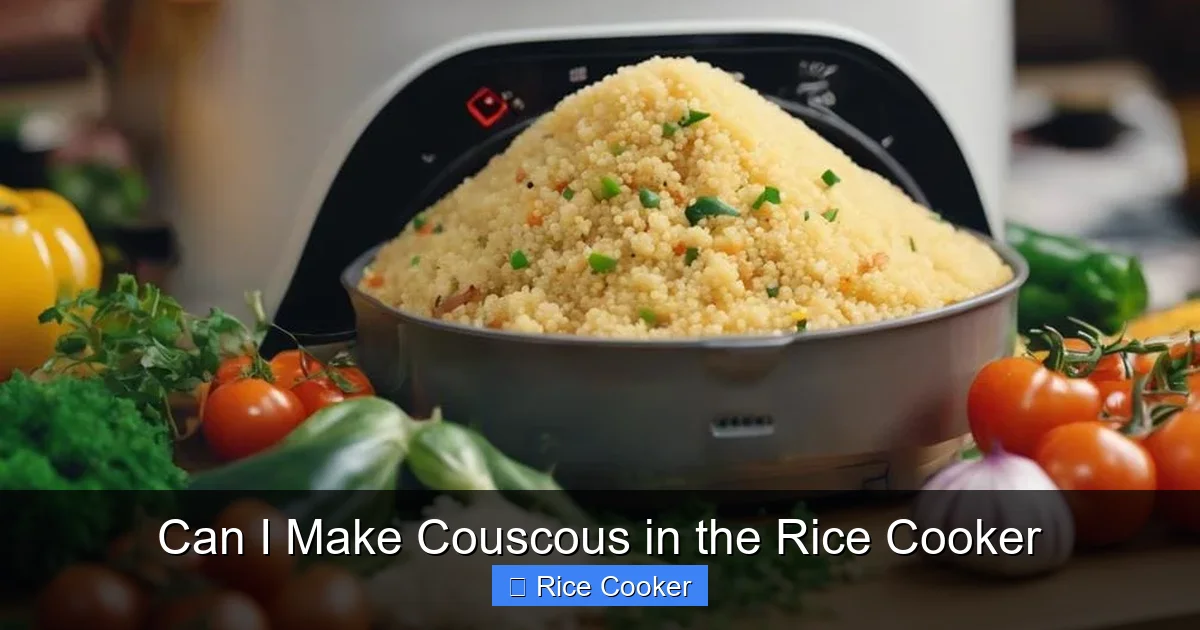
Visual guide about Can I Make Couscous in the Rice Cooker
Image source: ricearray.org
- Consistent results: Rice cookers maintain precise temperature control, ensuring even cooking without overcooking.
- Hands-off convenience: Once you add ingredients and press start, you can focus on other tasks.
- Less cleanup: No pots or steamers to scrub afterward.
- Better flavor absorption: Cooking couscous in broth-infused liquid allows it to soak up more aroma and taste.
- Perfect for small batches: Ideal for individuals or couples who don’t need large quantities.
Whether you’re preparing couscous for a Moroccan tagine, a Mediterranean salad, or simply as a quick grain alternative, your rice cooker can handle it with ease. Plus, this method is beginner-friendly and requires no special techniques or equipment beyond what most kitchens already have.
The Basics of Couscous
Couscous is made from semolina wheat granules that are steamed until they absorb moisture and expand. Unlike rice or quinoa, couscous doesn’t require soaking or long cooking times—but it does need the right balance of heat and liquid to puff up properly. Traditional recipes call for covering the couscous with boiling water or broth and letting it sit for about 5 minutes before fluffing. However, this method relies heavily on timing and can sometimes result in uneven texture.
A rice cooker solves these issues by automating the process. It heats the mixture evenly, shuts off automatically when done, and keeps everything warm until you’re ready to serve. This means less guesswork and more reliability—especially important if you’re cooking for guests or following a recipe precisely.
What You’ll Need
Before you begin, gather these simple supplies:
- A standard rice cooker (any brand or model will work)
- Measuring cups
- A fork or rice paddle for fluffing
- Optional: A fine-mesh strainer (if rinsing couscous)
For the ingredients, you’ll need:
- 1 cup uncooked couscous (about 160 grams)
- 1.5 cups liquid (water, broth, or a mix)
- Pinch of salt (optional)
- 1 tablespoon olive oil or butter (optional, for added richness)
Note: If you’re using instant couscous, check the package instructions—some brands may have slightly different ratios or cooking times. For best results, choose regular or medium-grain couscous rather than instant varieties, though instant can still work in a rice cooker with minor adjustments.
Step-by-Step Guide: Making Couscous in Your Rice Cooker
Ready to give it a try? Follow this straightforward process to make perfect couscous every time:
Step 1: Prepare Your Rice Cooker
Start by cleaning your rice cooker bowl thoroughly. Any leftover residue from previous meals could affect the taste or texture of your couscous. Then, add your chosen liquid—water, chicken broth, vegetable broth, or even coconut milk for a twist—to the inner pot. If you’d like extra flavor, heat the liquid slightly before adding it (this helps kickstart absorption).
Step 2: Add Dry Ingredients
Measure out 1 cup of uncooked couscous and pour it directly into the liquid. Stir gently to combine. If using salt or fat (like olive oil or butter), add it now. Avoid over-stirring—just enough to ensure even distribution.
Step 3: Close and Start
Place the lid back on the rice cooker and select the “Cook” or “White Rice” setting. Most rice cookers will default to this mode automatically. There’s no need to adjust settings unless your model has advanced options—standard settings work perfectly fine.
Step 4: Wait and Let It Do Its Thing
Once the cycle begins, wait patiently. Depending on your rice cooker and the type of couscous, cooking usually takes between 5 to 7 minutes. Some models have a “Keep Warm” function that activates after completion, which is helpful if you’re not serving immediately.
Step 5: Fluff and Serve
This step is crucial! As soon as the cycle ends, open the lid and immediately fluff the couscous with a fork. This separates the grains, prevents clumping, and releases trapped steam. Taste a sample—if it feels too dry, sprinkle a few drops of hot water and re-cover for 1 minute. Too wet? Let it sit uncovered for a couple of minutes to air out.
Tips for Perfect Couscous in the Rice Cooker
Even with a foolproof method, small tweaks can elevate your couscous from good to great. Here are some pro tips to keep in mind:
Use the Right Liquid Ratio
The golden rule is 1 cup couscous to 1.5 cups liquid. Too little liquid leads to dry clumps; too much makes it mushy. Stick close to this ratio, and you’ll rarely go wrong.
Don’t Skip Fluffing
Many people overlook this step, but fluffing is what gives couscous its signature lightness. Think of it like breaking up compacted snow—without doing so, you end up with dense, unappetizing balls.
Experiment with Flavors
Instead of plain water, try using:
- Chicken or beef broth for savory depth
- Lemon zest and herbs (like thyme or parsley) for brightness
- Tomato juice for a tangy twist
- Spiced tea or coffee for a unique infusion
Store Leftovers Properly
Cool couscous completely before transferring to an airtight container. It keeps well in the fridge for up to 3 days or in the freezer for up to 2 months. Reheat gently in a microwave or steamer—never boil, as that ruins the texture.
Avoid Overcooking
Rice cookers vary in speed, so if yours runs faster than others, watch closely after 5 minutes. Overcooked couscous becomes gluey and loses its structure.
Couscous vs. Other Grains in the Rice Cooker
If you’re exploring alternatives to rice, couscous isn’t the only option—but it stands out for its speed and versatility. Here’s how it compares to similar grains cooked in a rice cooker:
| Grain | Cooking Time | Texture After Cooking | Best Uses |
|---|---|---|---|
| Couscous | 5–7 minutes | Light, fluffy, slightly chewy | Sides, salads, stuffing |
| Rice (white) | 18–25 minutes | Soft, separate grains | Everything from stir-fries to sushi |
| Quinoa | 12–15 minutes | Nutty, slightly crunchy center | Bowl bowls, pilafs, breakfast porridge |
| Bulgur | 10–12 minutes | Firm, chewy | Tabbouleh, stuffed peppers |
| Farro | 25–30 minutes | Creamy, tender | Salads, risotto-style dishes |
As you can see, couscous wins when you need something fast and light. While grains like quinoa and farro offer more protein and fiber, couscous shines in terms of preparation time and pairing flexibility. Plus, because it cooks so quickly, it’s ideal for last-minute meals or when you’ve run out of rice.
Gluten-Free Options
Traditional couscous contains gluten due to its semolina base, but gluten-free versions are widely available. Look for labels that say “certified gluten-free couscous” made from corn, rice, or millet. These work similarly in a rice cooker, though they may absorb liquid slightly differently. Always follow package directions for best results.
Meal Ideas Featuring Rice-Cooker Couscous
Now that you know how to make it, here are some delicious ways to use your homemade couscous:
Moroccan-Style Couscous with Roasted Vegetables
Toss zucchini, bell peppers, carrots, and chickpeas with olive oil, cumin, paprika, and garlic. Roast at 400°F (200°C) for 25–30 minutes until tender. Meanwhile, cook couscous in vegetable broth. Mix everything together, garnish with parsley, and serve warm.
Lemon-Herb Couscous Salad
Cook couscous in water with lemon zest and a bay leaf. Cool completely, then toss with chopped cucumber, cherry tomatoes, red onion, feta cheese, and a dressing of lemon juice, olive oil, salt, and pepper. Chill before serving.
Spicy Couscous with Shrimp
Sauté shrimp with chili flakes, garlic, and diced tomatoes. Set aside. Cook couscous in fish stock with a pinch of saffron. Fold in the shrimp and a squeeze of lime juice. Top with cilantro and a dollop of yogurt.
Breakfast Couscous Porridge
Try sweetening your couscous! Cook it in milk (or almond milk) with cinnamon, honey, and chopped nuts. Top with fresh berries for a warm, comforting breakfast that comes together in under 10 minutes.
Common Mistakes to Avoid
Even experienced cooks can stumble when adapting traditional recipes to new appliances. Here’s what to watch out for:
- Using too much liquid: Remember, couscous expands as it absorbs moisture. Starting with too much liquid leads to gummy results.
- Not fluffing immediately: Delaying fluffing causes the grains to reabsorb steam and stick together.
- Overmixing after cooking: Gently fold the couscous instead of vigorous stirring.
- Ignoring altitude differences: At high elevations, water boils faster, so you may need slightly less liquid or a longer cook time.
- Skipping rinsing (if needed):** Some recipes recommend rinsing couscous to remove excess starch—though this isn’t always necessary, especially in a rice cooker where excess moisture evaporates.
Cleaning and Maintenance Tips
After making couscous, cleaning your rice cooker is simple. Remove the inner pot and wash it with warm, soapy water. Avoid abrasive sponges that could scratch the non-stick coating. If any dried bits remain, soak the bowl in hot water for 10 minutes before wiping clean. Always ensure the heating plate is cool before wiping it down.
For long-term care, wipe the exterior regularly and store the unit in a dry place. Regular maintenance extends the life of your rice cooker and ensures consistent performance—including future batches of perfect couscous.
Final Thoughts: Is It Worth It?
So, can you make couscous in the rice cooker? Absolutely. Is it worth switching from the stovetop method? For most home cooks, the answer is yes—especially if you value speed, consistency, and simplicity. The rice cooker removes the guesswork, reduces cleanup, and lets you multitask without worry.
Whether you’re cooking for one, meal prepping for the week, or experimenting with international flavors, mastering this technique opens up a world of possibilities. And honestly? There’s something deeply satisfying about watching your rice cooker do all the work while you enjoy the aroma filling your kitchen.
Give it a try tonight. Grab those basic ingredients, fire up your appliance, and discover why so many people now consider couscous in the rice cooker their secret weapon for quick, delicious meals.
Frequently Asked Questions
How long does it take to cook couscous in a rice cooker?
Most couscous cooks in just 5 to 7 minutes in a rice cooker. The exact time depends on your appliance and whether you’re using regular or instant couscous. Always check after 5 minutes and adjust if needed.
Do I need to rinse couscous before cooking it in a rice cooker?
Rinsing is optional and mainly affects texture. Rinsing removes excess starch and can prevent stickiness, but it’s not required. In a rice cooker, the liquid evaporates naturally, so rinsing isn’t essential.
Can I use broth instead of water?
Absolutely! Using broth adds rich flavor and makes the couscous more aromatic. Chicken, vegetable, or beef broth all work well. Just ensure the broth is hot when you add it for better absorption.
Why is my couscous still hard after cooking?
Hard couscous usually means insufficient liquid or low heat. Try adding a splash of hot water, covering again, and letting it steam for 1–2 more minutes. Avoid opening the lid frequently during cooking.
Can I make gluten-free couscous in a rice cooker?
Yes! Use certified gluten-free couscous made from corn, rice, or millet. Follow the same 1:1.5 ratio and cooking time. Results may vary slightly depending on the brand, so consult the package instructions.
How do I store leftover couscous?
Let it cool completely, then transfer to an airtight container. Store in the refrigerator for up to 3 days or freeze for up to 2 months. Reheat gently in the microwave with a splash of water to restore softness.