

Making khichdi in a rice cooker is not only possible but also incredibly convenient. With just rice, lentils, water, and a few spices, your rice cooker does all the work while you relax. This traditional Indian comfort food gets perfectly fluffy texture and rich flavor without watching the stove.
Key Takeaways
- Yes, you can absolutely make khichdi in a rice cooker—it’s simple, foolproof, and requires minimal effort.
- Using the right ratio of rice to dal (typically 2:1) ensures soft, non-sticky results every time.
- Soaking ingredients beforehand reduces cooking time and improves digestibility.
- Adding ghee or oil at the start enhances flavor and prevents sticking.
- Seasoning with turmeric, cumin, and green chilies brings authentic taste without extra steps.
- Most rice cookers have a “Porridge” or “Rice” setting ideal for khichdi.
- You can customize khichdi with vegetables, protein, or herbs for added nutrition and variety.
📑 Table of Contents
- Can I Make Khichdi in Rice Cooker? Absolutely—Here’s How!
- The Magic Behind Making Khichdi in a Rice Cooker
- Essential Ingredients & Proportions
- Tips for Perfect Khichdi Every Time
- Customizing Your Khichdi
- Troubleshooting Common Issues
- Health Benefits of Khichdi
- Frequently Asked Questions About Making Khichdi in a Rice Cooker
- Final Thoughts: Why You’ll Love Making Khichdi in a Rice Cooker
Can I Make Khichdi in Rice Cooker? Absolutely—Here’s How!
If you’ve ever stood over a hot stove, stirring a pot of khichdi just so, wondering if there’s an easier way, you’re in luck. The humble rice cooker—once thought only for steaming rice—is now a kitchen hero for making this beloved South Asian comfort dish with zero babysitting. Yes, you read that right: you can make khichdi in a rice cooker, and it turns out better than most stovetop versions thanks to consistent heat and perfect moisture control.
Khichdi, a gentle blend of rice and split yellow lentils (moong dal), has been nourishing families across India and beyond for centuries. Traditionally cooked on low flame for 30–40 minutes, it’s known for being soothing, easy to digest, and packed with plant-based protein. But what if you don’t have the time, energy, or desire to stand by the stove? Enter the rice cooker—your new best friend for stress-free, restaurant-quality khichdi.
In this comprehensive guide, we’ll walk you through everything you need to know about making khichdi in a rice cooker. From ingredient prep to flavor hacks, troubleshooting, and creative twists, we’ve got you covered. Whether you’re a beginner cook or a seasoned home chef, this method will become your go-to for quick, healthy meals.
The Magic Behind Making Khichdi in a Rice Cooker
Why It Works So Well
Rice cookers are designed to maintain steady temperatures during the cooking process. Unlike stovetops, where heat fluctuates and requires constant attention, a rice cooker gently cooks your ingredients without scorching or drying out. This makes it ideal for delicate grains like basmati or long-grain rice and soft legumes like moong dal—both essential components of khichdi.
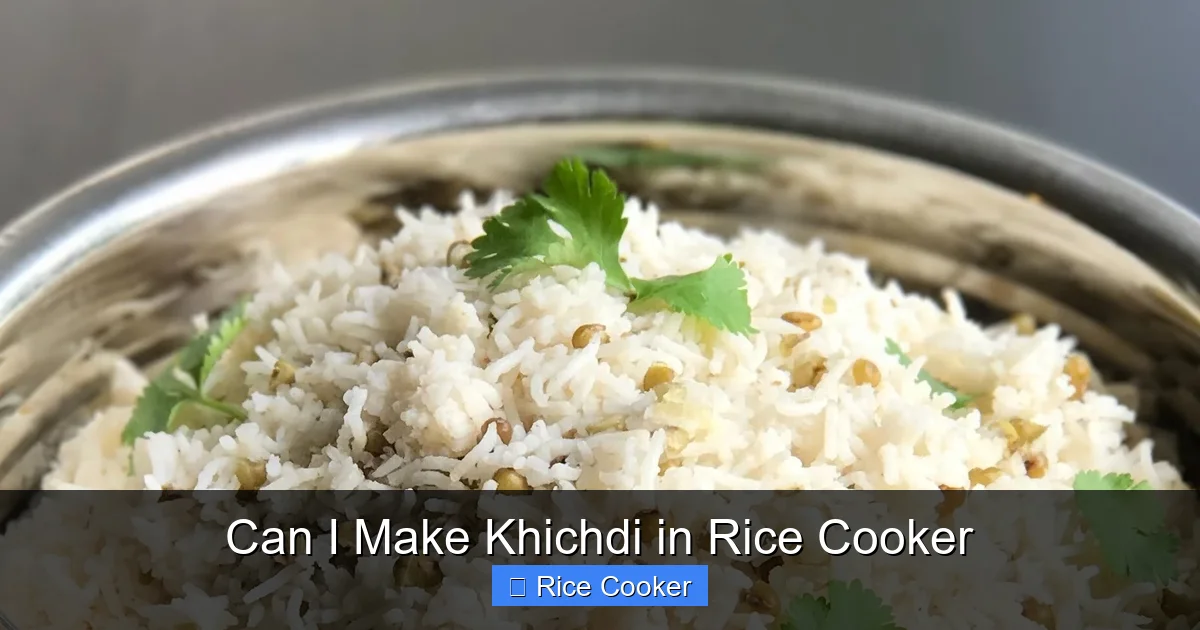
Visual guide about Can I Make Khichdi in Rice Cooker
Image source: 1.bp.blogspot.com
Modern rice cookers also come with multiple settings such as “Porridge,” “Brown Rice,” “Slow Cook,” or even “Steam.” These options allow you to adjust texture and cooking time based on your preferences. For instance, using the “Porridge” mode ensures longer simmering, which breaks down the starches in rice and dal into a creamy, cohesive consistency—perfect for khichdi.
What Makes a Great Rice Cooker?
Not all rice cookers are created equal when it comes to making khichdi. Look for models with:
- Non-stick inner pots – Prevents khichdi from sticking and makes cleanup a breeze.
- Thick base construction – Ensures even heat distribution.
- Multiple cooking modes – Especially useful for adjusting textures.
- Timer functions – Allows you to prep ingredients ahead and let the machine do the rest.
Popular brands like Zojirushi, Instant Pot Duo Crisp, and Panasonic offer reliable performance for khichdi lovers. Even basic electric rice cookers from affordable brands work well if used correctly.
Essential Ingredients & Proportions
Basic Khichdi Recipe (Serves 2–3)
Before diving into variations, let’s master the foundation:
- 1 cup basmati rice – Or any long-grain white rice like Sona Masoori.
- ½ cup split yellow lentils (moong dal) – Skinless and split, they cook faster than other dals.
- 2½ to 3 cups water – Adjust based on desired thickness.
- 1 tablespoon ghee or neutral oil – Adds richness and prevents sticking.
- ½ teaspoon turmeric powder – For color and anti-inflammatory benefits.
- ½ teaspoon cumin seeds – Optional but adds aromatic depth.
- Salt to taste
- Garnish: chopped cilantro, lemon wedge, roasted cumin powder
Step-by-Step Instructions
- Wash and soak: Rinse rice and dal separately until water runs clear. Soak together for 20–30 minutes (or up to 2 hours). This shortens cooking time and softens grains.
- Add to rice cooker: Drain soaked ingredients and transfer to the inner pot. Add ghee/oil first, then turmeric, cumin seeds (if using), salt, and water.
- Cook: Close lid, select “White Rice” or “Porridge” mode, and press start. Most rice cookers take 25–35 minutes total.
- Rest and fluff: Once done, let it sit for 5–10 minutes before opening. Fluff gently with a fork.
- Garnish and serve: Top with fresh cilantro, a squeeze of lemon, and a pinch of roasted cumin powder.
Tips for Perfect Khichdi Every Time
Don’t Skip the Soak
Skipping soaking may result in unevenly cooked grains—some mushy, others chewy. A quick 20-minute soak goes a long way toward achieving that balanced, porridge-like texture.
Use Fresh Ghee for Best Taste
While vegetable oil works in a pinch, ghee adds a nutty aroma and richness that elevates the entire dish. If you’re lactose intolerant, use coconut oil or avocado oil instead.
Adjust Water Gradually
Start with 2½ cups of water. After cooking, check consistency. If too thick, stir in a splash of warm water and reheat briefly on “Keep Warm” mode.
Avoid Opening the Lid Too Often
Each time you open the lid, steam escapes and affects temperature. Let the khichdi complete its cycle undisturbed for best results.
Fluff Gently
Over-fluffing breaks apart the grains. Use a light hand with a fork to preserve structure while releasing excess steam.
Customizing Your Khichdi
Add Veggies for Extra Nutrition
Make it a full meal by tossing in chopped carrots, peas, potatoes, or zucchini during the last 10 minutes of cooking. These veggies add fiber, vitamins, and color.
Try Green Khichdi
Replace half the rice with green gram (whole moong dal) for a protein boost and earthier flavor. Cook slightly longer if needed.
Spice It Up
Add a slit green chili or a pinch of red chili powder for mild heat. Garam masala or asafoetida (hing) can enhance digestion.
Vegetarian Protein Boosters
- Tofu cubes – Add near the end to avoid breaking.
- Tempeh strips – Sauté lightly before adding.
- Chickpeas – Soak overnight and include with lentils.
Herbal Infusions
Steep tulsi (holy basil) leaves in hot water and add as a tea infusion for immunity-boosting properties. Alternatively, use coriander-cumin water for digestive support.
Troubleshooting Common Issues
Khichdi Stuck to the Bottom
This usually happens due to insufficient fat or scorching. Always preheat the inner pot with oil/ghee before adding wet ingredients. Also, ensure you’re using fresh, non-stick cookware.
Too Thick or Mushy
Overcooking or too little water causes this. Stick to the recommended ratios and avoid pressing “Cook Again” repeatedly. If too thick, loosen with warm broth or water and reheat on “Keep Warm.”
Rice and Dal Don’t Cook Evenly
Uneven cooking often stems from poor soaking or inconsistent water levels. Measure water precisely and always soak ingredients together.
No Steam Release During Cooking
Ensure the vent is unblocked. Some rice cookers have a steam release valve—don’t cover it. Also, check that the lid seals properly.
Health Benefits of Khichdi
Beyond being delicious, khichdi is celebrated in Ayurveda for its sattvic qualities—promoting calmness, digestion, and balanced appetite. Its combination of complex carbohydrates and plant protein provides sustained energy without heavy digestion. Rich in fiber, iron, folate, and antioxidants, it’s especially beneficial for convalescing individuals, children, pregnant women, and those managing diabetes or gut issues.
Because it’s easily customizable, you can tailor khichdi to dietary needs—low-sodium for hypertension, gluten-free by avoiding contaminated grains, or high-protein with added legumes and nuts.
Frequently Asked Questions About Making Khichdi in a Rice Cooker
Do I need special rice cooker settings for khichdi?
Most rice cookers work fine with the standard “White Rice” or “Porridge” setting. If yours has a “Slow Cook” option, that’s even better for tender, creamy results.
Can I make khichdi without soaking the rice and dal?
Yes, but expect longer cooking times and potentially uneven texture. Soaking reduces cooking time by up to 20 minutes and improves digestibility.
How much water should I use?
For every 1 cup rice + ½ cup dal, use 2½ to 3 cups water. Start on the lower end and add more if needed after cooking.
Can I freeze leftover khichdi?
Absolutely! Cool completely, portion into containers, and freeze for up to 3 months. Reheat gently on the stove or in the microwave with a splash of water.
Is khichdi suitable for babies?
Yes! Once infants reach 6 months (after introducing solids), plain khichdi made with soaked rice and dal is a gentle first food. Avoid salt and spices initially.
Can I use brown rice instead of white?
Yes, but brown rice takes longer to cook. Increase water to 3–3½ cups and consider soaking for 2+ hours. Select “Brown Rice” mode if available.
Final Thoughts: Why You’ll Love Making Khichdi in a Rice Cooker
There’s something deeply satisfying about coming home to a perfectly cooked bowl of khichdi—warm, fragrant, and comforting. And now, thanks to the rice cooker, you can enjoy that same peace of mind without standing over a bubbling pot. It’s ideal for busy weekdays, lazy weekends, or when you simply want a nutritious meal without fuss.
Plus, once you master the basics, the possibilities are endless. Experiment with spices, veggies, proteins, and global twists like Mexican-khichdi with black beans or Mediterranean-style with olives and feta. The rice cooker adapts to your creativity.
So next time hunger strikes or you’re feeling under the weather, skip the complicated recipes. Grab your rice cooker, toss in some rice, dal, and love, and let technology do the rest. Because really, why watch when you can just eat?
Frequently Asked Questions
Do I need special rice cooker settings for khichdi?
Most rice cookers work fine with the standard “White Rice” or “Porridge” setting. If yours has a “Slow Cook” option, that’s even better for tender, creamy results.
Can I make khichdi without soaking the rice and dal?
Yes, but expect longer cooking times and potentially uneven texture. Soaking reduces cooking time by up to 20 minutes and improves digestibility.
How much water should I use?
For every 1 cup rice + ½ cup dal, use 2½ to 3 cups water. Start on the lower end and add more if needed after cooking.
Can I freeze leftover khichdi?
Absolutely! Cool completely, portion into containers, and freeze for up to 3 months. Reheat gently on the stove or in the microwave with a splash of water.
Is khichdi suitable for babies?
Yes! Once infants reach 6 months (after introducing solids), plain khichdi made with soaked rice and dal is a gentle first food. Avoid salt and spices initially.
Can I use brown rice instead of white?
Yes, but brown rice takes longer to cook. Increase water to 3–3½ cups and consider soaking for 2+ hours. Select “Brown Rice” mode if available.