
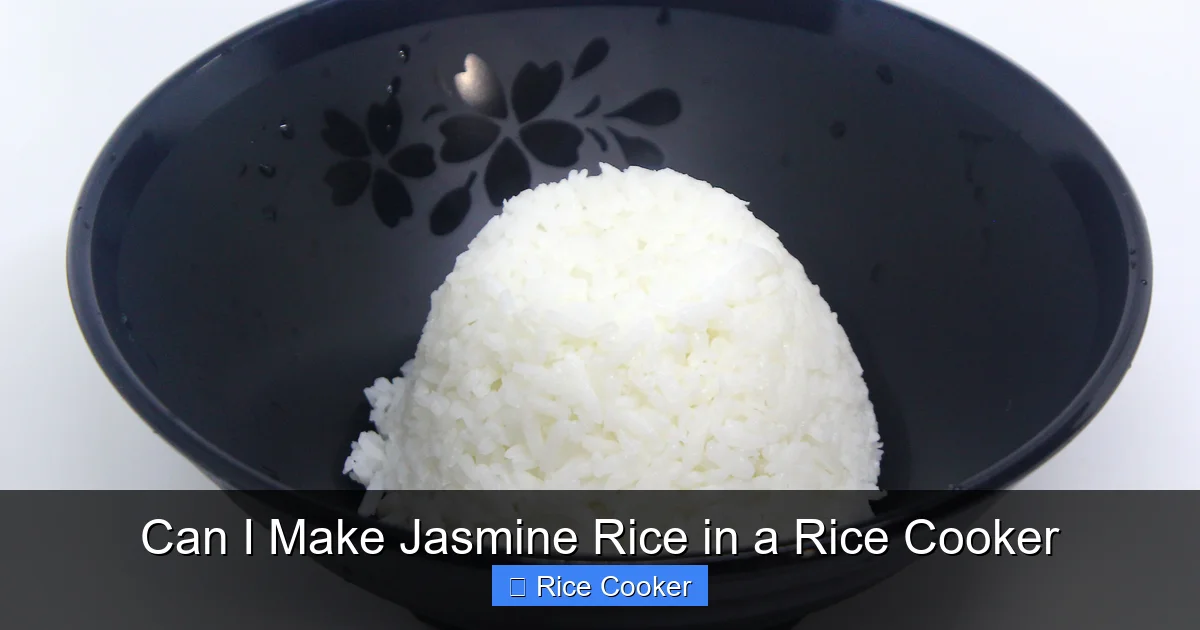
Making jasmine rice in a rice cooker is easy, fast, and delivers restaurant-quality results. This guide walks you through the exact steps, water-to-rice ratio, and pro tips to avoid mushy or dry rice. You’ll also learn how to enhance flavor, clean your cooker, and even use it for one-pot meals.
Key Takeaways
- You can make jasmine rice in a rice cooker — it’s one of the most popular grains to cook this way due to its soft, sticky texture when done right.
- The ideal water-to-rice ratio is 1:1.5 (one cup rice to 1.5 cups water) for tender, fluffy jasmine rice that doesn’t stick.
- Soaking the rice for 20–30 minutes improves texture and reduces cooking time by helping the grains absorb water evenly.
- A quick rinse before cooking removes excess starch, preventing clumping and promoting separation.
- Adding flavor enhancers like a splash of coconut milk or a bay leaf can elevate the aroma and taste of your jasmine rice.
- Cleaning your rice cooker after use prevents residue buildup, ensuring consistent performance over time.
- You can use leftover jasmine rice for fried rice, grain bowls, or desserts — it reheats beautifully when stored properly.
[FEATURED_IMAGE_PLACEHOLDER]
Can I Make Jasmine Rice in a Rice Cooker?
Yes — absolutely! Making jasmine rice in a rice cooker is not only possible but also one of the easiest and most reliable ways to achieve perfectly cooked grains every single time. Jasmine rice, known for its delicate floral aroma and slightly sticky texture, thrives in the controlled environment of a rice cooker. The device handles the tricky parts — precise temperature control, automatic shut-off, and even heat distribution — so you don’t have to babysit the pot on the stove.
If you’ve ever struggled with mushy jasmine rice or undercooked clumps, a rice cooker might just be your new best kitchen ally. Unlike stovetop methods where timing and heat adjustment are critical, a rice cooker takes the guesswork out of the equation. Whether you’re preparing a simple side dish or building a meal around jasmine rice, using a rice cooker ensures consistency and saves you time. Plus, modern models come with features like fuzzy logic, which adjusts cooking cycles based on the type of rice — including jasmine.
In this guide, we’ll walk you through everything you need to know to make flawless jasmine rice in your rice cooker. From choosing the right cooker to mastering the water ratio and adding flavor boosters, we’ve got you covered. By the end, you’ll feel confident cooking jasmine rice like a pro — no chef degree required!
What Is Jasmine Rice?
Aromatic Origins and Flavor Profile
Jasmine rice is a long-grain variety native to Thailand, prized for its naturally sweet, floral aroma and soft, slightly sticky texture when cooked. Often referred to as “perfume rice,” it emits a subtle fragrance reminiscent of jasmine flowers — hence the name. This aromatic quality makes it a favorite in Southeast Asian cuisines, especially in dishes like Thai curry, stir-fries, and fragrant rice bowls.
Unlike basmati rice, which has a nutty, earthy flavor, jasmine rice leans more toward a gentle sweetness with a hint of vanilla. When cooked properly, each grain remains separate yet tender, making it easy to mix into sauces or serve alongside bold flavors without being overpowered. Its ability to absorb seasonings and liquids also means it pairs beautifully with rich broths, coconut milk, or savory spices.
One of the reasons jasmine rice works so well in a rice cooker is its high amylopectin content, which gives it that characteristic sticky texture when cooked. However, because it’s not overly starchy like sushi rice, it doesn’t turn mushy if the water ratio is balanced. Understanding these qualities helps you appreciate why jasmine rice is such a versatile ingredient — and why mastering it in a rice cooker is worth the effort.
Types of Jasmine Rice
There are two main types of jasmine rice you’ll find in stores: white jasmine rice and brown jasmine rice. Both can be made in a rice cooker, though their cooking times and water ratios differ slightly.
White Jasmine Rice: This is the most common form and what most people think of when they hear “jasmine rice.” It’s polished to remove the bran layer, resulting in a lighter color and quicker cooking time. White jasmine rice typically cooks in about 12–15 minutes and has a softer, more neutral flavor compared to its brown counterpart.
Brown Jasmine Rice: Less processed than white rice, brown jasmine retains the bran and germ, giving it a nuttier taste and chewier texture. Because the outer layers contain fiber and oils, it takes longer to cook — usually around 40–45 minutes — and requires more water. While it’s richer in nutrients, it may not develop the same floral aroma as white jasmine rice unless cooked carefully.
If you’re new to jasmine rice, start with white jasmine in your rice cooker. Once you’re comfortable with the process, you can experiment with brown jasmine for added fiber and depth of flavor.
Choosing the Right Rice Cooker for Jasmine Rice
Basic vs. Advanced Models
Not all rice cookers are created equal, and selecting the right one can significantly impact your jasmine rice outcome. Basic rice cookers work fine for simple tasks like steaming vegetables or making congee, but for consistently fluffy jasmine rice, consider investing in a model with more advanced features.
Basic Rice Cookers: These typically have a single button and rely on simple heating elements. They’re affordable and great for small households, but they lack precision in temperature control, which can lead to uneven cooking or sticking.
Advanced Rice Cookers: Look for models with fuzzy logic, multiple settings (like “jasmine” or “long grain”), and keep-warm functions. Fuzzy logic adjusts cooking time and temperature based on the amount of water and rice, simulating human judgment. Some high-end models even include steam vents to prevent moisture buildup and ensure even browning or crisping for dishes like fried rice.
For most home cooks, a mid-range rice cooker with at least three settings — white rice, brown rice, and perhaps a “quick cook” option — is sufficient for jasmine rice. Brands like Zojirushi, Panasonic, and Instant Pot offer reliable options with user-friendly interfaces.
Capacity Matters
Choose a rice cooker based on how much jasmine rice you plan to cook regularly. A 6-cup uncooked capacity (about 12 cups cooked) is ideal for families or meal prep, while a 3-cup model suits individuals or couples.
If you often cook large batches for gatherings, opt for a larger unit with a non-stick inner pot and easy-clean design. Smaller models may struggle with heat distribution in big volumes, leading to inconsistent results.
Step-by-Step Guide: How to Make Jasmine Rice in a Rice Cooker
Ingredients and Tools You’ll Need
Cooking jasmine rice in a rice cooker is straightforward, but having the right ingredients and tools makes a difference:
- 1 cup jasmine rice (preferably white jasmine)
- 1.5 cups water (or broth for extra flavor)
- Optional: pinch of salt, butter, or coconut milk
- Rice cooker with appropriate capacity
- Fine-mesh strainer or colander for rinsing
- Measuring cups and spoons
- Spoon or spatula for fluffing
No fancy gadgets needed — just a little preparation and attention to detail.
Step 1: Rinse the Rice
Before cooking, rinse the jasmine rice thoroughly under cold running water. Use a fine-mesh strainer to catch the grains while letting the cloudy water wash away excess starch. Continue rinsing until the water runs clear — this usually takes 3–4 rinses.
Why rinse? Starch on the surface of jasmine rice can cause clumping if not removed. Rinsing promotes grain separation and results in fluffier rice. It also helps reduce the risk of mushiness.
Step 2: Soak the Rice (Optional but Recommended)
Place the rinsed rice in a bowl and cover it with cold water. Let it soak for 20–30 minutes. Soaking allows the grains to absorb water evenly, which shortens cooking time and improves texture.
Pro tip: If you’re short on time, skip soaking — but expect slightly longer cooking time and potentially less tender grains.
Step 3: Add Rice and Water to the Cooker
Transfer the soaked (or unsoaked) rice to the inner pot of your rice cooker. Pour in 1.5 cups of water per cup of rice. For example, if using 1 cup of rice, use 1.5 cups of water.
Add a pinch of salt or a teaspoon of butter for flavor if desired. Stir gently once to distribute the seasoning.
Step 4: Start Cooking
Close the lid and select the appropriate setting. Most rice cookers have a “white rice” or “jasmine” mode — choose that. If unsure, use the standard “rice” setting. Press start and let the machine do the work.
Total cooking time should be around 12–18 minutes. Avoid opening the lid during cooking — steam loss affects temperature and timing.
Step 5: Let It Rest
Once the cycle ends, let the rice sit, covered, for 5–10 minutes. This resting period allows steam to redistribute, making the rice fluffier and easier to scoop.
Step 6: Fluff and Serve
Use a fork or rice paddle to gently fluff the rice, breaking up any clumps. Serve immediately while warm.
Tips for Perfect Jasmine Rice Every Time
Master the Water Ratio
The golden rule for jasmine rice is a 1:1.5 ratio — one part rice to one and a half parts water. Too much water leads to soggy rice; too little makes it dry and hard. Use measuring cups for accuracy.
If you prefer softer rice, increase water slightly to 1.75 cups per cup of rice. For firmer grains, reduce to 1.25 cups. Adjust based on your preference and the specific brand of jasmine rice.
Don’t Skip the Resting Period
Resist the urge to dig in immediately after cooking. Letting the rice rest helps it firm up and become easier to fluff. Think of it like letting bread cool before slicing — patience pays off.
Use Broth Instead of Water
Replace some or all of the water with vegetable, chicken, or coconut milk broth for deeper flavor. This works especially well in curries or Asian-inspired dishes. Just keep the total liquid at 1.5 cups per cup of rice.
Season Creatively
Add a bay leaf, a slice of ginger, or a few kaffir lime leaves to the cooking water for an authentic aroma. Remove them before serving. You can also stir in a spoonful of coconut milk after cooking for a creamy twist.
Avoid Overfilling
Never fill the inner pot beyond two-thirds full. Overfilling restricts steam circulation and increases the chance of uneven cooking or burnt bottom layers.
Keep Your Rice Cooker Clean
After each use, wash the inner pot with warm, soapy water. Wipe the exterior and seal with a damp cloth. Regular cleaning prevents starch buildup and odors.
Common Mistakes and How to Avoid Them
Mushy or Sticky Rice
Causes: Too much water, not rinsing enough, or overcooking.
Solution: Stick to the 1:1.5 ratio, rinse thoroughly, and avoid opening the lid during cooking. Let it rest afterward.
Dry or Hard Grains
Causes: Insufficient water, old rice, or low power.
Solution: Use fresh jasmine rice, measure water precisely, and ensure your rice cooker is working properly.
Burnt Bottom Layer
Causes: Not using enough water or failing to clean the heating plate.
Solution: Always add adequate water and clean the base after each use to prevent residue from burning onto the surface.
Uneven Cooking
Causes: Overfilling or poor heat distribution.
Solution: Fill only up to two-thirds capacity and choose a reputable brand with good reviews for even heating.
Flavoring and Serving Ideas
Infused Jasmine Rice
Elevate plain jasmine rice with simple additions:
- Coconut jasmine rice: Cook with 1 cup coconut milk and 0.5 cup water. Add a pinch of turmeric for color.
- Garlic jasmine rice: Sauté minced garlic in oil, then add rice and water. Steam until tender.
- Lemon herb jasmine rice: Stir in zest and chopped parsley after cooking.
Serving Suggestions
Jasmine rice pairs beautifully with:
- Thai green curry
- Stir-fried noodles or vegetables
- Grilled fish or tofu
- Mediterranean salads with chickpeas and feta
- Sweet desserts like mango sticky rice (use cooled, slightly sweetened rice)
Leftover Rice Ideas
Store cooked jasmine rice in an airtight container for up to 5 days. Use it in:
- Fried rice with eggs, peas, and soy sauce
- Rice pudding with cinnamon and raisins
- Buddha bowls with roasted veggies and tahini dressing
- Rice balls (onigiri) wrapped in nori
Cleaning and Maintaining Your Rice Cooker
Daily Care
After each use, remove the inner pot and wash it with warm water and mild detergent. Avoid abrasive scrubbers that can damage the non-stick coating. Dry completely before storing.
Wipe the exterior and sealing ring with a damp cloth. Check the steam vent for blockages — use a toothpick to clear any rice debris.
Deep Cleaning
Every few weeks, run a cycle with 1 cup of water and a drop of dish soap to sanitize the interior. Then rinse thoroughly. For stubborn stains, soak the inner pot in warm, soapy water for 15–20 minutes before scrubbing gently.
Storage Tips
Store your rice cooker in a dry place, preferably with the lid slightly ajar to prevent moisture buildup. Keep cords coiled neatly and away from heat sources.
Conclusion
Making jasmine rice in a rice cooker is not only possible — it’s one of the simplest and most foolproof ways to enjoy this fragrant, delicious grain. With the right technique, water ratio, and a little care, you can achieve restaurant-quality results at home. Whether you’re a beginner or a seasoned cook, mastering jasmine rice in a rice cooker opens up a world of culinary possibilities, from everyday meals to special dishes.
Remember to rinse your rice, use the correct water ratio, and let it rest after cooking. Don’t forget to clean your cooker regularly to keep it performing at its best. And once you’ve perfected the basics, experiment with flavors, broths, and creative serving ideas.
Next time you’re planning dinner, skip the stove and reach for your rice cooker. In just 15 minutes, you’ll have fluffy, aromatic jasmine rice that tastes like it came from a Thai street vendor. Trust us — once you try it, you’ll wonder how you ever lived without it.
FAQs
Can I use brown jasmine rice in a rice cooker?
Yes, you can cook brown jasmine rice in a rice cooker, but it requires more water and a longer cooking time. Use a 1:2 ratio (one cup rice to two cups water) and select the “brown rice” setting if available. Brown jasmine rice will take about 40–45 minutes to cook fully.
Do I need to soak jasmine rice before cooking?
Soaking is optional but highly recommended. Soaking jasmine rice for 20–30 minutes helps it cook more evenly and results in a softer texture. It also reduces cooking time slightly. If you’re in a hurry, you can skip soaking, but expect a bit longer cook time.
How do I prevent jasmine rice from becoming mushy?
To avoid mushy jasmine rice, rinse it well to remove excess starch, use the correct water ratio (1:1.5), and don’t open the lid during cooking. Let the rice rest for 5–10 minutes after the cycle ends to allow steam to distribute evenly.
Can I cook jasmine rice with broth instead of water?
Absolutely! Using broth adds flavor and richness. Replace the water with vegetable, chicken, or coconut milk broth. Just maintain the same volume — 1.5 cups liquid per cup of rice — to preserve the right texture.
How long does cooked jasmine rice last in the fridge?
Cooked jasmine rice can be stored in an airtight container in the refrigerator for up to 5 days. For longer storage, freeze it in portion-sized containers for up to 3 months. Reheat gently with a splash of water to restore moisture.
Can I make fried rice with jasmine rice in a rice cooker?
Yes! Cook jasmine rice in your rice cooker, then spread it out on a baking sheet to cool completely. Once chilled, it becomes perfect for fried rice. Store it in the fridge overnight for best results, then stir-fry with eggs, vegetables, and soy sauce in a hot wok or pan.
This is a comprehensive guide about can i make jasmine rice in a rice cooker.
Key Takeaways
- Understanding can i make jasmine rice in a rice cooker: Provides essential knowledge
Frequently Asked Questions
What is can i make jasmine rice in a rice cooker?
can i make jasmine rice in a rice cooker is an important topic with many practical applications.