
Yes, you can absolutely make delicious Mexican rice using leftover cooked rice—no need to start from scratch! With just a few pantry staples like tomatoes, onions, garlic, and spices, you can transform plain rice into a vibrant, restaurant-style dish in under 20 minutes. Whether you’re short on time or looking to reduce food waste, this simple method works great in any kitchen—even without a traditional rice cooker.
Have you ever found yourself staring at a container of leftover cooked rice, wondering what to do with it? Or maybe you’re craving that bold, zesty flavor of Mexican rice but don’t feel like starting from scratch with raw grains? The good news? You can absolutely make amazing Mexican rice using cooked rice—and yes, even a rice cooker can help you do it perfectly. In fact, many home cooks swear by this shortcut because it saves time, reduces cleanup, and still delivers all the rich, savory goodness you love.
Mexican rice (or *arroz rojo*) is traditionally made by sautéing rice in oil until golden, then simmering it in a tomato-based broth with spices like cumin and chili powder. But when you use already-cooked rice, you skip the long cooking process and focus instead on infusing those bold flavors quickly. Whether you’re prepping for Taco Tuesday or just want a fast side dish alongside your favorite Mexican main, this method proves that shortcuts don’t mean sacrificing quality—especially when done right.
In this guide, we’ll walk you through every step of making Mexican rice with cooked rice, explain why a rice cooker makes things even easier, share pro tips for avoiding sogginess, and show you how to customize the dish to suit your taste. Plus, we’ll cover common mistakes to avoid so your final result looks and tastes like something from your favorite Tex-Mex restaurant—right in your own kitchen.
Key Takeaways
- You don’t need fresh uncooked rice: Using leftover cooked rice is not only possible but often results in fluffier, more flavorful Mexican rice due to the way flavors meld during reheating.
- A rice cooker makes the process easier: Even if you’re using cooked rice, a rice cooker can help evenly distribute heat and moisture for perfect texture.
- Key ingredients are simple: Tomato sauce or diced tomatoes, onion, garlic, cumin, chili powder, and lime juice form the flavor base of classic Mexican rice.
- Cooking time is minimal: Most batches take just 10–15 minutes once everything is prepped, making it ideal for quick meals.
- Customization is easy: Add peas, corn, bell peppers, or shredded chicken to boost nutrition and flavor.
- Pro tip: Toast the rice briefly before adding liquid to enhance nutty depth and prevent mushiness.
- Serving suggestions: Pair with tacos, enchiladas, or enjoy as a standalone side dish with a sprinkle of cilantro and a squeeze of lime.
📑 Table of Contents
- Why Use Cooked Rice Instead of Fresh?
- The Role of Your Rice Cooker in Making Mexican Rice
- Ingredient Breakdown: What Makes Mexican Rice Taste Authentic
- Customizing Your Mexican Rice: Vegetarian, Vegan, Gluten-Free & More
- Pairings That Shine: Serving Suggestions for Your Mexican Rice
- Final Thoughts: Why This Hack Belongs in Every Kitchen
Why Use Cooked Rice Instead of Fresh?
At first glance, using leftover cooked rice might seem counterintuitive. After all, isn’t the whole point of Mexican rice to start with raw rice that absorbs all those delicious liquids and spices? Well, not necessarily. While traditional recipes call for uncooked rice, using leftover rice has several practical advantages:
First, it cuts down prep time significantly. No soaking, rinsing, or measuring required—just grab your rice from the fridge or freezer and go. Second, reheated rice often absorbs flavors better than freshly cooked rice that’s been sitting out, especially when gently warmed in a seasoned liquid. Third, you’re reducing food waste, which is always a win for your wallet and the planet.
That said, there are a couple of things to keep in mind. Leftover rice can sometimes be a bit dry or clumpy, so proper hydration and gentle heating are key. But with the right technique—like toasting the rice first or using a rice cooker with its steam function—you can easily turn yesterday’s leftovers into today’s star dish.
The Role of Your Rice Cooker in Making Mexican Rice
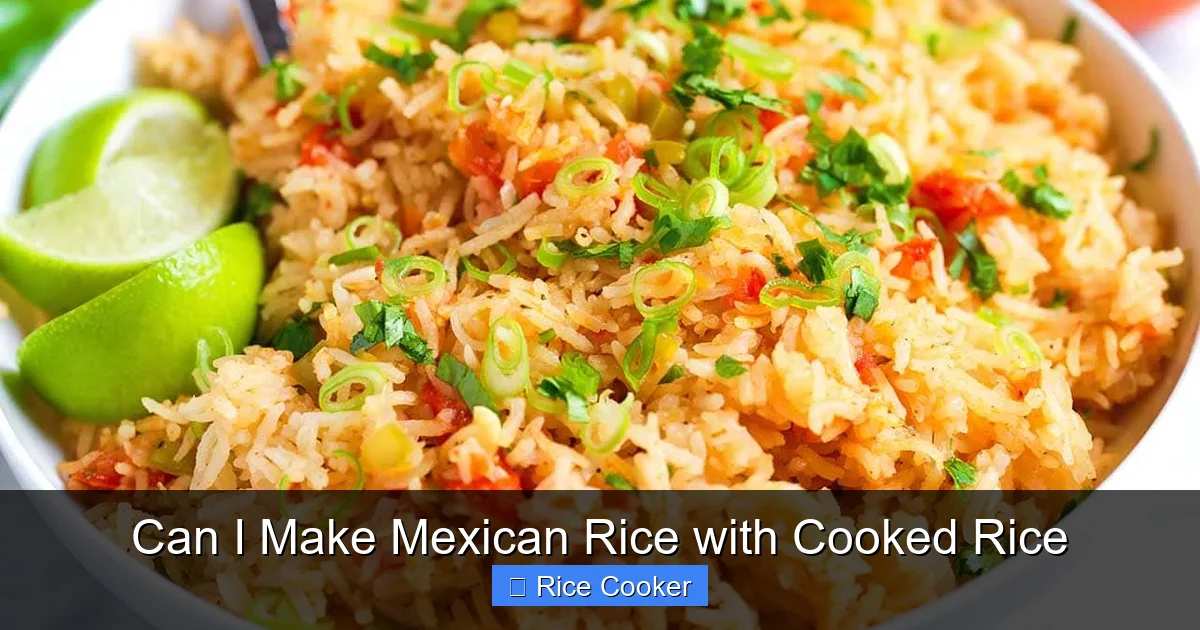
Visual guide about Can I Make Mexican Rice with Cooked Rice
Image source: inspiredtaste.net
Even though you’re not cooking raw rice, your rice cooker isn’t obsolete—far from it! Modern rice cookers offer features like steaming, warming, and even browning functions (in some models), which can elevate your Mexican rice game. Here’s how they come in handy:
When you pour your seasoned tomato mixture over the rice, the rice cooker acts like a sealed pot, helping retain moisture while ensuring even heat distribution. This prevents hot spots that could burn your rice or leave parts too wet. Many rice cookers also have a “keep warm” setting after cooking, which lets you hold the finished dish at serving temperature without overcooking it.
If your rice cooker has a brown or sauté function, you can even toast the cooked rice in oil just like you would with fresh grains—this adds a subtle nutty flavor that enhances the overall profile. Just remember to stir occasionally so nothing sticks.
For best results, choose a rice cooker with a non-stick inner pot and a clear lid so you can monitor color and consistency as it cooks. And if you don’t own one? No worries—a regular saucepan works fine, but the rice cooker definitely gives you an edge in control and convenience.
Step-by-Step: How to Make Mexican Rice with Cooked Rice in a Rice Cooker
Ready to get started? Follow these simple steps for foolproof results every time:
1. **Prep Your Ingredients**: Dice one small onion, mince two cloves of garlic, and chop about half a cup of cooked white rice (or 1 cup if it’s been refrigerated). If your rice feels dry, give it a quick rinse under cold water to remove excess starch—this helps prevent gumminess later.
2. **Sauté Aromatics**: Turn on your rice cooker’s sauté or brown setting. Add 1–2 tablespoons of vegetable oil, then toss in the onions and garlic. Cook for 2–3 minutes until fragrant and soft—don’t let them brown too much unless you want a deeper flavor.
3. **Toast the Rice**: Stir in your cooked rice and let it cook for another minute or two, stirring frequently. This step is optional but highly recommended—it wakes up dormant flavors and gives your rice a richer base.
4. **Add Flavor Base**: Pour in 1 cup of crushed tomatoes (canned or fresh), ½ cup of water or low-sodium broth, ½ teaspoon ground cumin, ½ teaspoon chili powder (adjust to taste), salt to taste, and a squeeze of lime juice. Mix well.
5. **Cook**: Close the lid and press the “cook” button. Let it run its full cycle—usually about 10–15 minutes. Once done, let it sit for 5 minutes with the lid closed to finish steaming and absorbing flavors.
6. **Fluff & Serve**: Open the lid, fluff the rice with a fork, and garnish with chopped cilantro, extra lime wedges, and maybe a sprinkle of queso fresco crumbles. Done!
Ingredient Breakdown: What Makes Mexican Rice Taste Authentic
While you can play around with substitutions, authentic Mexican rice relies on a few core ingredients to deliver its signature tangy, smoky, slightly sweet flavor:
– **Tomatoes**: Fresh tomatoes work, but canned crushed tomatoes are more consistent and easier to blend into a smooth sauce.
– **Onion & Garlic**: These form the aromatic foundation—always sweat them first for maximum flavor.
– **Cumin**: This warm, earthy spice is non-negotiable; skip it and you’ve got something completely different.
– **Chili Powder**: Look for blends that include smoked paprika and oregano—they add complexity.
– **Lime Juice**: Adds brightness at the end; never skip this!
– **Vegetable Oil or Lard**: Traditional recipes use lard, but neutral oils like canola or avocado work beautifully too.
Optional upgrades include adding frozen corn kernels or diced bell peppers during the last few minutes of cooking for extra texture and color. Some people also sneak in a splash of tomato paste for deeper redness and richness.
Common Mistakes to Avoid When Using Leftover Rice
Even experienced cooks mess this up sometimes. Watch out for these pitfalls:
– **Not toasting the rice**: Skipping this step leaves your rice tasting bland and lifeless.
– **Using too much liquid**: Too much water = soupy, mushy rice. Stick to about ½ cup per cup of rice.
– **Overcooking**: Once the rice cooker finishes its cycle, resist opening the lid early. Let it rest—it needs that final steam infusion.
– **Sticking to the pot**: Non-stick pans help, but always use a wooden spoon or silicone spatula to avoid scratching surfaces.
Customizing Your Mexican Rice: Vegetarian, Vegan, Gluten-Free & More
The beauty of this recipe is how flexible it is. Need a meat-free version? Skip the chicken and double up on beans or add sautéed mushrooms for umami depth. Going vegan? Ensure your broth and seasonings are plant-based—most store-bought chili powders meet this requirement.
Gluten-free? Great news—Mexican rice is naturally gluten-free as long as you use certified GF tomato products and broths. For a lower-carb twist, swap white rice for cauliflower rice (just be sure to cook it separately first, since it doesn’t absorb flavors the same way).
Nutrition-wise, you can boost protein by tossing in black beans or crumbled tofu, and fiber by mixing in steamed edamame or shredded kale at the end. It’s easy to turn this side into a satisfying main course!
Storage & Reheating Tips
Leftovers? Absolutely. Store cooled Mexican rice in an airtight container in the fridge for up to 4 days. When reheating, add a splash of water or broth to revive moisture, and consider doing it in a rice cooker or microwave with a damp paper towel to prevent drying out.
Freezing is trickier due to texture changes, but you can freeze portions for up to 2 months—just thaw overnight in the fridge before reheating gently on the stovetop.
Pairings That Shine: Serving Suggestions for Your Mexican Rice
This dish pairs beautifully with nearly every Mexican staple:
– **Tacos & Burritos**: A colorful, flavorful bed beneath shredded chicken, beef, or veggies.
– **Enchiladas**: Spoon it inside folded tortillas before baking.
– **Quesadillas**: Layer with cheese and fillings for a hearty combo.
– **Solo Side Dish**: Serve with grilled fish, steak, or roasted vegetables for a complete meal.
Don’t forget accompaniments like refried beans, guacamole, pico de gallo, and sour cream to round out the experience.
Final Thoughts: Why This Hack Belongs in Every Kitchen
Making Mexican rice with cooked rice isn’t just a clever workaround—it’s a smart, sustainable kitchen strategy. It embraces real-world constraints (time, leftovers, equipment) while still delivering restaurant-quality results. With tools like the rice cooker streamlining the process, anyone can master this dish without hours of prep or fancy ingredients.
So next time you’ve got rice waiting in the fridge, don’t pitch it. Grab your rice cooker, toss in some tomatoes and spices, and watch as humble leftovers become something extraordinary. Your taste buds—and your schedule—will thank you.
Frequently Asked Questions
Can I use instant cooked rice for Mexican rice?
Yes! Instant cooked rice works well, but rinse it briefly first to remove excess starch. It may cook faster than regular leftover rice, so check frequently to avoid overcooking.
Do I really need a rice cooker, or can I make this on the stove?
You can absolutely make Mexican rice on the stove—just use a heavy-bottomed saucepan and low heat. The rice cooker simply makes moisture control easier and reduces babysitting.
How do I stop my rice from getting mushy when using leftover cooked rice?
To prevent mushiness, don’t add too much liquid, and avoid over-stirring. Toasting the rice first also helps maintain structure by sealing in moisture.
What if I don’t have chili powder? Can I substitute?
You can mix paprika, cayenne pepper, and a pinch of garlic powder to mimic chili powder. Adjust quantities based on desired spiciness.
Can I make this ahead of time and reheat it?
Absolutely! Cool it completely, store in an airtight container, and reheat gently with a splash of water in the rice cooker or microwave.
Is Mexican rice with cooked rice healthier than traditional versions?
It’s similar in calories, but using leftover rice avoids added fats from frying raw rice. Customizing with veggies or beans can increase nutritional value.