
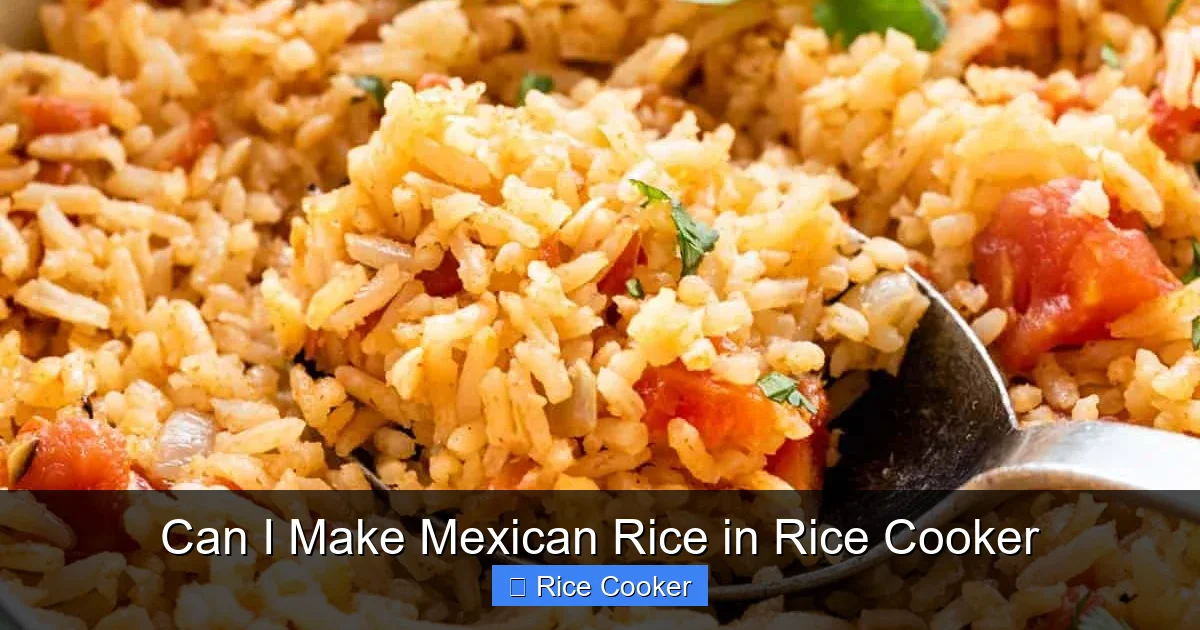
Making Mexican rice in a rice cooker is not only possible—it’s one of the easiest ways to get perfectly cooked, flavorful rice every time. With just rice, tomato sauce, broth, and a few spices, you can create a delicious, restaurant-quality dish without standing over the stove. The rice cooker does all the work, keeping everything moist and evenly cooked. Whether you’re feeding a family or prepping for game day, this method saves time and effort while delivering great results.
Key Takeaways
- Yes, you can make Mexican rice in a rice cooker: It’s a simple, foolproof method that yields fluffy, flavorful rice without constant supervision.
- Minimal ingredients needed: Just white rice, tomato sauce, chicken or vegetable broth, onion, garlic, cumin, and salt—no frying required.
- Saves time and cleanup: No need to fry onions or tomatoes; everything cooks together in one pot.
- Customizable flavors: Add peas, corn, jalapeños, or cheese for extra texture and taste.
- Perfect for meal prep: Makes a great side dish for tacos, enchiladas, or grilled meats.
- Consistent results: Rice cookers ensure even cooking and prevent burning or drying out.
- Great for beginners: No advanced cooking skills needed—just follow the steps and enjoy!
📑 Table of Contents
Can I Make Mexican Rice in a Rice Cooker?
Have you ever craved that vibrant, slightly tangy, and deeply flavorful Mexican rice from your favorite taqueria—only to realize you’re out of time, energy, or patience after a long day? You’re not alone. Mexican rice is a staple in so many homes across the U.S., especially during Cinco de Mayo or whenever tacos hit the menu. But traditional recipes often call for sautéing onions, garlic, and tomatoes until caramelized before adding rice—a process that takes time, attention, and a clean stovetop. What if we told you there’s an easier way?
Enter the humble rice cooker: a kitchen appliance designed to make rice, but also capable of doing so much more. Yes, you can absolutely make Mexican rice in a rice cooker. In fact, using a rice cooker might be the best way to do it. Why? Because it eliminates the guesswork, reduces cleanup, and ensures every grain comes out light, fluffy, and perfectly seasoned. No more burnt bottoms or unevenly cooked batches. Just plug, press, and let the magic happen.
In this complete guide, we’ll walk you through exactly how to make Mexican rice in a rice cooker—step by step. We’ll cover ingredient choices, ratios, flavor variations, troubleshooting tips, and even some pro tricks to take your dish from good to gourmet. Whether you’re a beginner or a seasoned home cook, you’ll find something useful here. So grab your rice cooker and let’s get cooking!
The Magic of the Rice Cooker for Mexican Rice
If you’ve never used your rice cooker beyond plain white rice, you’re missing out. Modern rice cookers are versatile appliances that can handle soups, stews, steamed veggies, and yes—even Mexican rice. Unlike traditional methods that require constant stirring and monitoring, the rice cooker uses precise temperature control and automated timing to cook food evenly. That means no hot spots, no scorched rice, and no risk of burning.
Visual guide about Can I Make Mexican Rice in Rice Cooker
Image source: i.pinimg.com
Why Use a Rice Cooker?
- Even Cooking: The inner pot distributes heat uniformly, ensuring every grain absorbs liquid just right.
- Hands-Off Convenience: Set it and forget it—perfect for busy weeknights or meal prep.
- Less Cleanup: One pot = less scrubbing. Most rice cooker pots are non-stick and dishwasher-safe.
- Flavor Infusion: Since all ingredients cook together, flavors blend beautifully without needing a separate sauté step.
And here’s the best part: you don’t need special equipment. A standard rice cooker works fine—whether you have a basic model or a fancy smart one with multiple settings. The key is understanding the right liquid-to-rice ratio and how to balance flavors without overpowering the dish.
Ingredients You’ll Need
Mexican rice doesn’t require a long list of hard-to-find items. In fact, most ingredients are pantry staples. Here’s what you’ll need to make a classic version:
- 1 cup long-grain white rice (uncooked) – Jasmine or basmati work too, but white rice stays fluffier.
- 1 tablespoon olive oil or vegetable oil – Adds richness and helps toast the rice slightly.
- 1 small onion, finely diced – Sweetness and depth come from caramelizing the onion, but we’ll skip frying thanks to the rice cooker.
- 2 cloves garlic, minced – For that aromatic kick.
- 1 cup tomato sauce (not ketchup!) – Look for pure tomato sauce without added sugar or vinegar. It gives the rice its signature red hue and tangy flavor.
- 1¼ cups chicken or vegetable broth – Use low-sodium broth to control salt levels.
- ½ teaspoon ground cumin – The heart of Mexican seasoning.
- Salt and pepper to taste – Always taste as you go.
- Optional add-ins: ½ cup frozen peas, ½ cup canned corn, 1 jalapeño (seeds removed), or shredded cheese at the end.
Pro Tip: If you don’t have tomato sauce on hand, you can use crushed tomatoes (drained) or even salsa verde—just adjust salt accordingly since these can vary in sodium content.
Step-by-Step Instructions
Ready to make your first batch? Follow these simple steps, and you’ll have restaurant-style Mexican rice in under 30 minutes.
Prep Your Ingredients
Before turning on your rice cooker, chop your onion and mince the garlic. Measure out your rice, broth, and tomato sauce. Having everything ready makes the process smooth and stress-free.
Cooking Process
- Add oil to the rice cooker pot. Turn the cooker on and let it heat for about 30 seconds until the oil shimmers.
- Add onion and garlic. Sauté for 1–2 minutes until fragrant. Note: Unlike stovetop recipes, we won’t cook the onion fully here—just enough to bloom the flavors.
- Add rice. Stir to coat the grains with oil and onion mixture. This helps prevent clumping.
- Pour in tomato sauce, broth, cumin, salt, and pepper. Stir gently to combine.
- Close the lid and set the timer. Most rice cookers default to “white rice” mode, which usually takes 18–20 minutes. Press start.
- Let it rest. Once done, let the rice sit for 5 minutes with the lid closed. This allows steam to redistribute moisture evenly.
- Fluff and serve. Use a fork to break up any clumps and stir in optional extras like cheese or green onions.
That’s it! No stirring required. The rice cooker handles everything.
Tips for Perfect Mexican Rice Every Time
Want to level up your game? These pro tips will help you avoid common pitfalls and achieve golden, fluffy results.
Use the Right Rice Type
Long-grain white rice is ideal because it holds its shape well and doesn’t turn mushy. Avoid instant or brown rice—they absorb too much liquid and become sticky.
Don’t Skip the Tomato Sauce
Tomato sauce is non-negotiable. It provides acidity that balances the richness of the rice and gives it that authentic color. Avoid using ketchup—it’s too sweet and thin.
Adjust Liquid Ratios Based on Your Cooker
Some rice cookers run hotter or retain more moisture than others. Start with 1¼ cups liquid for 1 cup rice. If your rice turns out dry, add 2 tablespoons water next time. If too wet, reduce broth slightly.
Toast the Rice First
Lightly toasting the rice in oil before adding liquid enhances nutty flavor and prevents clumping. Even in a rice cooker, this small step makes a big difference.
Experiment with Flavor Variations
- Spicy Version: Add ½ teaspoon chili powder or diced jalapeños.
- Cheesy Twist: Stir in ½ cup shredded cheddar or Monterey Jack at the end.
- Vegetarian Option: Swap chicken broth for vegetable broth and add black beans.
- Herbed Freshness: Garnish with chopped cilantro or scallions.
Clean Up Like a Pro
Most rice cooker pots are removable and dishwasher-safe. Rinse immediately after use to prevent starch buildup. A quick rinse under warm water removes residue without damaging the non-stick coating.
Troubleshooting Common Issues
Even with the best setup, things can go wrong. Here’s how to fix them.
Rice Is Too Dry
This usually happens when there’s not enough liquid or the cooker runs too hot. Next time, increase broth by 1–2 tablespoons. Also, avoid opening the lid during cooking—each peek releases steam.
Rice Sticks to the Bottom
Overheating causes sticking. Make sure you’re using the correct water-to-rice ratio and avoid overcrowding the pot. Clean the heating plate regularly to prevent residue buildup.
Too Much Sodium
If your rice tastes salty, rinse it briefly under cold water after cooking (use a colander). Or, serve with a side of plain yogurt or avocado slices to offset the saltiness.
Rice Is Mushy or Clumpy
Old rice or incorrect ratios cause this. Use fresh rice stored in an airtight container. Also, measure liquids carefully—use a liquid measuring cup, not dry cups.
Flavor Is Bland
Seasoning matters! Taste the broth before adding it—if it needs salt, add it then. Don’t rely solely on the rice cooker’s cycle to infuse flavor. Adjust cumin and salt to your preference.
Frequently Asked Questions
Can I make Mexican rice in any type of rice cooker?
Yes! Whether you have a basic rice cooker, a fuzzy logic model, or a multi-function pressure cooker with rice setting, you can make Mexican rice. Just follow the same steps and adjust cooking times if needed.
How long does it take to cook Mexican rice in a rice cooker?
About 18–20 minutes on the standard “white rice” setting. Total time including prep and resting is around 30 minutes.
Can I double the recipe?
Absolutely. Just double all ingredients, but make sure the rice cooker pot isn’t more than ⅔ full to allow proper steaming.
Is it okay to use leftover rice?
No—leftover rice has too much moisture and will become mushy. Always use freshly measured, dry rice.
Can I make this gluten-free?
Yes! As long as you use gluten-free broth and check labels on tomato sauce (some contain added thickeners with gluten), this recipe is naturally gluten-free.
What’s the difference between Mexican rice and Spanish rice?
They’re similar but not identical. Spanish rice typically includes bell peppers and uses tomato paste instead of sauce, giving it a deeper red color and earthier flavor. Our version here is closer to the classic Tex-Mex style.
Conclusion
Making Mexican rice in a rice cooker isn’t just possible—it’s revolutionary. This method simplifies a traditionally labor-intensive dish into a quick, consistent, and delicious meal that fits seamlessly into your weekly rotation. Whether you’re making it for Taco Tuesday, meal prepping for the week, or just craving something comforting and flavorful, this technique delivers.
With minimal ingredients, no frying, and zero babysitting, the rice cooker proves itself as more than just a rice maker. It’s a versatile kitchen ally that brings out the best in simple ingredients. And the result? Fluffy, aromatic, and perfectly seasoned Mexican rice that rivals anything you’d get at a taqueria.
So go ahead—unplug the stove, plug in your rice cooker, and give it a try. Your taste buds (and your busy schedule) will thank you.
Frequently Asked Questions
Can I make Mexican rice in any type of rice cooker?
Yes! Whether you have a basic rice cooker, a fuzzy logic model, or a multi-function pressure cooker with rice setting, you can make Mexican rice. Just follow the same steps and adjust cooking times if needed.
How long does it take to cook Mexican rice in a rice cooker?
About 18–20 minutes on the standard “white rice” setting. Total time including prep and resting is around 30 minutes.
Can I double the recipe?
Absolutely. Just double all ingredients, but make sure the rice cooker pot isn’t more than ⅔ full to allow proper steaming.
Is it okay to use leftover rice?
No—leftover rice has too much moisture and will become mushy. Always use freshly measured, dry rice.
Can I make this gluten-free?
Yes! As long as you use gluten-free broth and check labels on tomato sauce (some contain added thickeners with gluten), this recipe is naturally gluten-free.
What’s the difference between Mexican rice and Spanish rice?
They’re similar but not identical. Spanish rice typically includes bell peppers and uses tomato paste instead of sauce, giving it a deeper red color and earthier flavor. Our version here is closer to the classic Tex-Mex style.