
Making oatmeal in a rice cooker is not only possible—it’s incredibly convenient and delicious. With the right ratio of water to oats and a few simple tips, your rice cooker can become your new go-to breakfast maker. No stirring required, no burnt bottoms, just fluffy, nutritious oatmeal ready when you are.
Key Takeaways
- Understanding can i make oatmeal in rice cooker: Provides essential knowledge
📑 Table of Contents
- Can I Make Oatmeal in Rice Cooker? Absolutely Yes!
- The Science Behind Cooking Oats in a Rice Cooker
- Types of Oats and How They React in a Rice Cooker
- Essential Tools and Ingredients for Perfect Rice Cooker Oatmeal
- Step-by-Step Guide: How to Make Oatmeal in a Rice Cooker
- Customizing Your Rice Cooker Oatmeal Bowl
- Troubleshooting Common Rice Cooker Oatmeal Issues
- Batch Cooking and Meal Prep with Rice Cooker Oatmeal
- Health Benefits of Eating Oatmeal
- Environmental and Cost-Effectiveness
- Fun Facts About Oats and Rice Cookers
- Final Thoughts: Is Making Oatmeal in a Rice Cooker Worth It?
Can I Make Oatmeal in Rice Cooker? Absolutely Yes!
If you’re tired of watching the pot on the stove, constantly stirring to prevent scorching, or simply want a simpler way to prepare your morning bowl of oatmeal, you’re in luck. The answer to “Can I make oatmeal in a rice cooker?” is a resounding yes—and it might just change your breakfast routine forever. In fact, many home cooks swear by this method for its convenience, consistency, and ease of cleanup.
Whether you’re using rolled oats, steel-cut oats, or even quick-cooking varieties, a rice cooker can deliver perfectly cooked, creamy oatmeal with minimal effort. All you need is the right liquid-to-oats ratio, the correct cooking time, and maybe a pinch of salt or a dash of cinnamon for flavor. No more lumpy textures or uneven cooking. Just one-pot, hands-free goodness that’s perfect for busy mornings or lazy weekends.
In this complete guide, we’ll walk through everything you need to know—from choosing the best type of oats to customize your bowl, troubleshooting common issues, and even making oatmeal overnight. By the end, you’ll be a confident rice cooker oatmeal pro!
The Science Behind Cooking Oats in a Rice Cooker
Before jumping into recipes, let’s understand why this method actually works. Oats are made up of complex carbohydrates, fiber, and starches that break down when heated with liquid. As they absorb water and heat, the starches gelatinize, creating that soft, porridge-like texture we love.
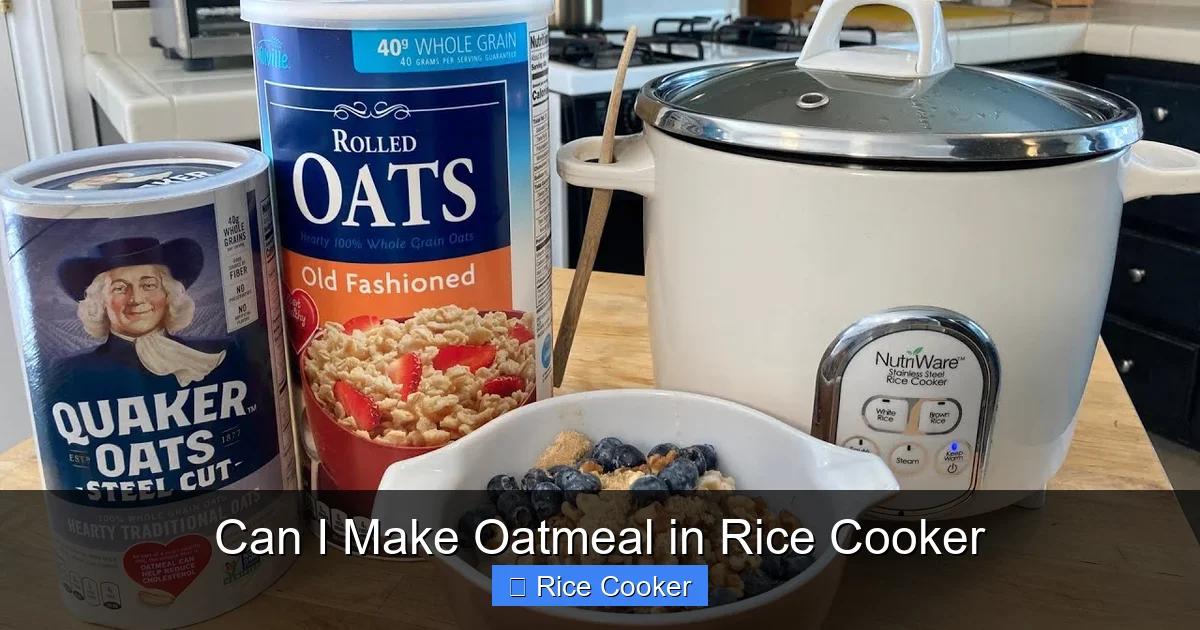
Visual guide about Can I Make Oatmeal in Rice Cooker
Image source: oracioncristiana.org
How Rice Cookers Handle Moisture and Heat
Rice cookers are designed to maintain consistent temperatures and monitor moisture levels automatically. They typically cycle between heating and warming phases, which helps prevent overcooking or burning—something that often happens on the stovetop when attention wanders.
This gentle, controlled heating is ideal for oats. Unlike high-heat stovetops that require constant monitoring, a rice cooker does the work for you. It detects when the liquid has been absorbed and switches to a keep-warm mode, ensuring your oatmeal stays warm without drying out.
Why People Love This Method
Beyond convenience, there are several benefits to using a rice cooker for oatmeal:
- Even cooking: No hot spots, no scorched edges.
- Less mess: Fewer splatters and spills.
- Multi-functional: You can still cook rice, grains, and even steamed veggies afterward.
- Energy-efficient: Uses less power than keeping a pot on the stove.
So whether you’re preparing oatmeal for one or feeding a family, the rice cooker is a reliable kitchen ally.
Types of Oats and How They React in a Rice Cooker
Not all oats are created equal—and each behaves slightly differently when cooked. Choosing the right type depends on how much time you have, your preferred texture, and how creamy you like your oatmeal.
Rolled Oats: The Most Popular Choice
Rolled oats are steamed and flattened, making them cook faster than steel-cut but slower than instant. They yield a soft, creamy texture and are ideal for rice cooker recipes.
Best for: Everyday breakfasts, overnight oats, and customizable bowls.
Cooking time in rice cooker: 15–20 minutes (with 2:1 water ratio).
Steel-Cut Oats: Heartier and Nutrient-Rich
These oats are chopped into small pieces and take longer to cook. They have a chewy, rustic texture and are packed with fiber and protein.
Best for: Hearty meals, savory oat bowls, or when you want maximum nutrition.
Cooking time in rice cooker: 25–35 minutes (with 3:1 water ratio).
Instant Oats: Quick and Convenient
Processed for rapid cooking, these oats are pre-cooked, dried, and often flavored. While convenient, they can become mushy if overcooked.
Best for: When you need speed and don’t mind a softer texture.
Cooking time in rice cooker: 5–8 minutes (use 1.5:1 liquid ratio to avoid mushiness).
Quick Oats vs. Rolled Oats
Quick oats are similar to rolled oats but cut into smaller pieces, so they absorb liquid faster. They’re a good middle ground between rolled and instant.
Tip: If your recipe calls for rolled oats but you only have quick oats, adjust the liquid slightly downward (e.g., 1.75:1 instead of 2:1).
Essential Tools and Ingredients for Perfect Rice Cooker Oatmeal
You don’t need fancy gadgets to make great oatmeal—just a few basics and some optional add-ins for flavor.
What You’ll Need
- A standard rice cooker (with non-stick pot)
- Measuring cups
- Stirring spoon or spatula
- Optional: Milk, almond milk, or soy milk for creaminess
- Optional: Salt, vanilla extract, cinnamon, maple syrup
Pro Tips for Better Results
- Use a lid: Always cover the pot to trap steam and speed up cooking.
- Preheat the oats: For faster absorption, soak oats in hot water for 5 minutes before adding liquid.
- Don’t overfill: Leave room at the top to prevent overflow during cooking.
- Clean the sensor area: Dust or residue on the lid can affect temperature detection.
Recommended Rice Cooker Models
While any rice cooker will do, models with fuzzy logic or automatic timing are especially effective. Consider brands like Zojirushi, Panasonic, or Cuisinart for consistent performance.
Note: Avoid mini rice cookers for large batches—they may not distribute heat evenly.
Step-by-Step Guide: How to Make Oatmeal in a Rice Cooker
Ready to try it? Follow this simple process for foolproof results every time.
Basic Recipe (Serves 1–2)
- 1 cup rolled oats
- 2 cups water (or 1 cup water + 1 cup milk)
- Pinch of salt
- Optional: 1 tbsp maple syrup or honey
Instructions:
- Rinse oats under cold water to remove excess starch (optional but recommended).
- Add oats, liquid, and salt to the rice cooker pot.
- Stir briefly to combine.
- Close the lid and press the “Cook” button.
- Wait for the timer to finish—about 15–20 minutes for rolled oats.
- Let sit for 2–3 minutes after cooking to thicken.
- Stir, taste, and adjust sweetness or seasoning if needed.
- Serve warm with toppings of choice.
Overnight Oatmeal Hack
Want breakfast ready when you wake up? Try this no-cook method:
- Mix 1/2 cup oats, 1 cup milk (or plant-based alternative), 1 tsp chia seeds, and a dash of vanilla in a jar.
- Cover and refrigerate overnight.
- In the morning, microwave for 1 minute or add hot water from the rice cooker.
Bonus: Use leftover cooked oatmeal as a base for overnight oats—just cool it first.
Customizing Your Rice Cooker Oatmeal Bowl
Oatmeal isn’t one-size-fits-all. With a little creativity, you can turn a simple bowl into a gourmet meal.
Sweet Toppings
- Fresh berries (blueberries, strawberries, raspberries)
- Diced bananas or apples
- Chopped nuts (walnuts, almonds, pecans)
- Seeds (chia, flax, pumpkin)
- Dried fruit (raisins, cranberries, apricots)
- Maple syrup, honey, or agave nectar
- Peanut butter or almond butter swirl
Savory Variations
Believe it or not, oatmeal can be savory too!
- Add turmeric, cumin, and black pepper for an Indian-inspired bowl
- Mix in grated cheese, spinach, and mushrooms
- Top with fried egg and avocado for a hearty meal
- Use broth instead of water for extra depth
Flavor Boosters
- Cinnamon, nutmeg, or cardamom
- Lemon zest or orange juice
- Vanilla extract
- Molasses or dark chocolate chips
Troubleshooting Common Rice Cooker Oatmeal Issues
Even with the best setup, things can go wrong. Here’s how to fix them.
Too Thick or Too Thin?
Too thick: Add more liquid (water or milk) 1 tablespoon at a time and stir.
Too thin: Let it sit uncovered for 5 minutes to reduce. Or mix in a slurry of 1 tbsp cornstarch + 2 tbsp water.
Bitter Taste?
This usually comes from overcooking or burnt oats. Check your ratio and avoid leaving it on “Warm” too long after cooking.
Oats Didn’t Cook?
Possible causes:
- Insufficient liquid
- Rice cooker malfunction (test with plain rice)
- Old or expired oats
Solution: Stir halfway through and ensure the lid is sealed properly.
Overflow During Cooking
Oatmeal expands as it cooks. To prevent this:
- Use less oats (¾ cup instead of 1 cup)
- Increase liquid slightly
- Leave the vent open slightly if your model has one
Batch Cooking and Meal Prep with Rice Cooker Oatmeal
Why eat the same thing every day? Batch cooking saves time and keeps breakfast exciting.
How to Make Large Batches
Scale up the basic recipe (double or triple) and cook in the rice cooker. Store portions in airtight containers in the fridge for up to 5 days.
Reheating Tips
- Microwave with a splash of milk to restore creaminess
- Heat on the stovetop with a bit of water or milk
- Add fresh toppings after reheating to preserve texture
Freezing Option
Portion oatmeal into freezer-safe bags. Thaw overnight in the fridge and reheat with added liquid.
Weekly Meal Planning Ideas
- Monday: Classic with banana and cinnamon
- Tuesday: Berry-chia blend
- Wednesday: Savory mushroom-spinach
- Thursday: Chocolate-peanut butter
- Friday: Apple-cranberry with walnuts
Health Benefits of Eating Oatmeal
Beyond taste, oatmeal offers impressive nutritional advantages.
- Heart health: Beta-glucan fiber lowers cholesterol
- Blood sugar control: Slow-digesting carbs prevent spikes
- Satiety: High fiber content keeps you full longer
- Digestive health: Supports gut microbiome
- Rich in nutrients: Iron, magnesium, zinc, and B vitamins
Pairing oatmeal with protein-rich toppings (like Greek yogurt or nuts) makes it a balanced breakfast option.
Environmental and Cost-Effectiveness
Using a rice cooker isn’t just convenient—it’s also eco-friendly and budget-wise smart.
- Uses less energy than boiling on the stove
- Reduces need for single-use packaging (buy bulk oats)
- Durable appliance with long lifespan
- Less food waste due to precise cooking
Plus, homemade oatmeal costs far less than store-bought packets or instant mixes.
Fun Facts About Oats and Rice Cookers
Did you know?
- Oats were first cultivated in ancient Greece and Rome
- The world’s largest oatmeal container is in Canada—big enough to feed 10,000 people
- Rice cookers originated in Japan in the 1920s
- Steel-cut oats have the lowest glycemic index among common oats
Now you know more than most people about breakfast appliances!
Final Thoughts: Is Making Oatmeal in a Rice Cooker Worth It?
After exploring every angle—texture, convenience, customization, and health—the verdict is clear: yes, you should definitely try making oatmeal in your rice cooker. It’s not just a gimmick; it’s a practical, efficient, and delicious way to start your day. Whether you’re a student, parent, or busy professional, this method fits into any lifestyle.
With minimal effort and maximum reward, your rice cooker can become the unsung hero of your kitchen. So go ahead—grab those oats, add a splash of milk, hit the button, and enjoy a warm, comforting bowl without lifting a finger.
Your taste buds—and your schedule—will thank you.
Frequently Asked Questions
Can I use milk instead of water in rice cooker oatmeal?
Absolutely! Using milk (or a milk alternative) adds creaminess and richness. Just remember that dairy can sometimes cause sticking, so stir occasionally and clean the pot well afterward.
Do I need to rinse the oats before cooking?
It’s optional but recommended. Rinsing removes excess starch, which can make oatmeal slimy. However, some prefer unrinsed oats for a heartier texture—it’s up to personal preference.
Can I add fruit or nuts while cooking?
Soft fruits like blueberries or mashed bananas can be added during the last 2–3 minutes of cooking. Nuts should go on top after cooking to avoid becoming mushy.
How do I prevent my oatmeal from turning into glue?
This usually happens with too much starch or overcooking. Use the right liquid ratio, avoid overfilling, and don’t leave it on “Warm” too long. Stirring halfway helps too.
Can I make gluten-free oatmeal in a rice cooker?
Yes! Just ensure your oats are certified gluten-free, as cross-contamination can occur. Gluten-free oatmeal cooks the same way—no special adjustments needed.
Is it safe to leave oatmeal in the rice cooker overnight?
Not recommended. Bacteria can grow in cooked grains left at room temperature for too long. Always store cooked oatmeal in the fridge within 2 hours of cooking.