
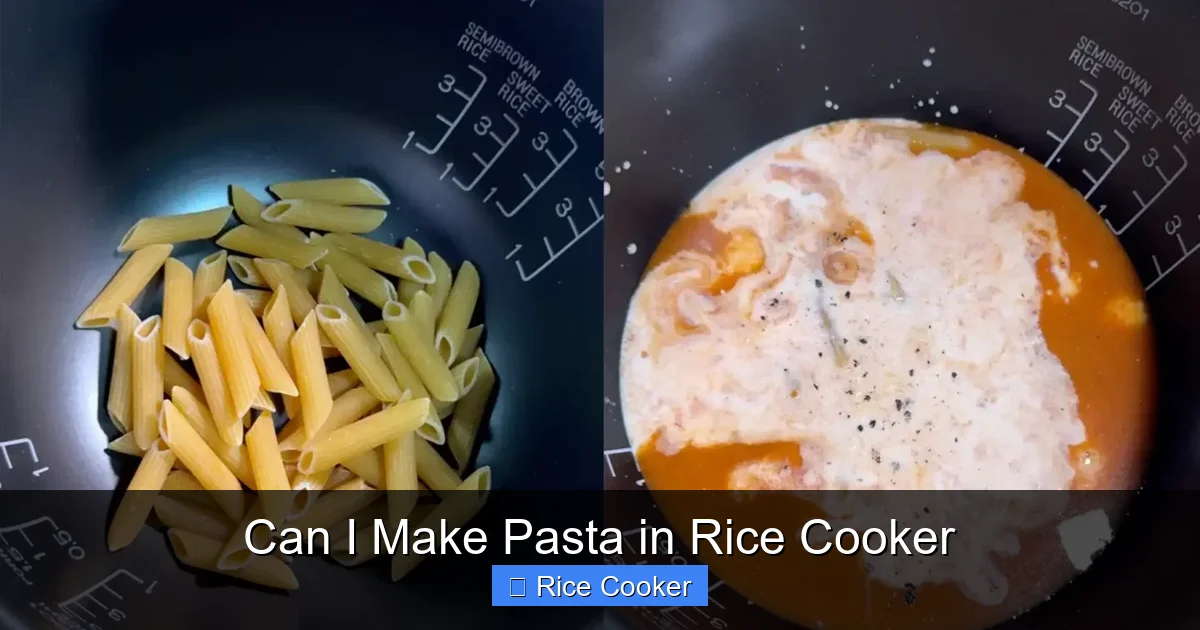
You absolutely can make pasta in a rice cooker—no special equipment needed. It’s quick, foolproof, and perfect for busy weeknights. All you need is pasta, water, and a few minutes of prep.
Key Takeaways
- Yes, it’s possible: A rice cooker can cook pasta using the same basic principles as boiling—just with less effort.
- No pre-soaking required: Unlike traditional methods, you don’t need to soak pasta before cooking it in the rice cooker.
- Saves time and cleanup: One pot means fewer dishes and faster meals.
- Customizable: Add sauces, cheese, or vegetables during the last few minutes for a full meal.
- Works with most pasta types: From spaghetti to penne to rotini—most dry pasta works well.
- Monitor water levels: Too little water can burn; too much makes soggy pasta.
- Perfect for meal prep: Cook large batches and store for quick reheating later.
📑 Table of Contents
- Can I Make Pasta in Rice Cooker?
- The Science Behind Cooking Pasta in a Rice Cooker
- What Types of Pasta Work Best?
- How Much Water Do You Need?
- Step-by-Step Guide: Making Pasta in Your Rice Cooker
- Elevate Your Meal: Adding Sauces and Ingredients
- Cleaning Up Is a Breeze
- Frequently Asked Questions About Making Pasta in a Rice Cooker
- Final Thoughts: Embrace the Simplicity
Can I Make Pasta in Rice Cooker?
Have you ever been craving a warm bowl of pasta but didn’t want to deal with boiling water, stirring pots, or cleaning up afterward? If so, your rice cooker might just be the unsung hero of your kitchen. Yes—you read that right. You can actually make pasta in a rice cooker. And no, this isn’t some experimental culinary trick; it’s a surprisingly effective, hands-off method that delivers perfectly cooked pasta every time.
In this article, we’ll walk you through everything you need to know about making pasta in your rice cooker. We’ll cover why it works, which types of pasta are best, how to avoid common mistakes, and even share some delicious recipe ideas. Whether you’re a college student with limited gear, a busy parent trying to cut down on kitchen chaos, or just someone who loves experimenting in the kitchen, this guide will show you how easy—and tasty—it can be.
So grab your rice cooker (yes, even the basic models work), and let’s turn it into a pasta-making machine!
The Science Behind Cooking Pasta in a Rice Cooker
At first glance, using a rice cooker for pasta might sound like an odd choice. After all, pasta is traditionally boiled in a large pot of rapidly simmering water. But here’s the thing: pasta cooks through a process called gelatinization. When starch molecules in pasta absorb water and heat, they swell and soften, turning the hard grains into tender noodles. This happens at temperatures between 140°F and 195°F—well within the operating range of most rice cookers.
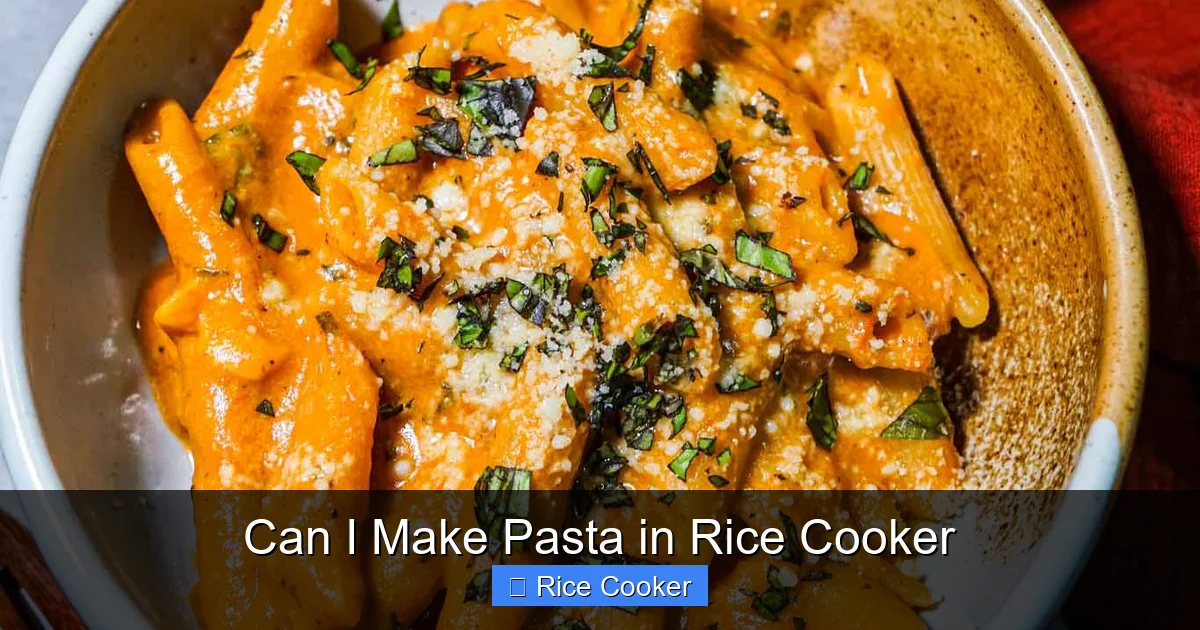
Visual guide about Can I Make Pasta in Rice Cooker
Image source: nomadette.com
Rice cookers are designed to maintain consistent internal temperatures while gently heating ingredients. They use a thermostat to detect when the liquid has been absorbed or evaporated, then automatically switch to “warm” mode. This same principle applies when cooking pasta. As long as there’s enough water and the right amount of heat, your pasta will cook evenly without scorching or sticking.
Why People Love Using Rice Cookers for Pasta
There are several reasons why more home cooks are turning to their rice cookers for pasta:
- Convenience: Just add water and pasta, press a button, and walk away.
- Less Mess: No splattering, overflowing, or sticky pots to scrub.
- Energy Efficient: Rice cookers use less electricity than stovetop boiling.
- Even Cooking: No hot spots mean uniform texture throughout.
If you’ve ever had undercooked centers or mushy ends from traditional boiling, a rice cooker gives you reliable results every time.
What Types of Pasta Work Best?
Not all pasta shapes behave the same way in a rice cooker. Long, thin strands like spaghetti can tangle easily, while short tubes or spirals hold their shape better. Here’s a breakdown of popular options:
Dried Pasta That Works Great
- Spaghetti: Classic choice—just break it into smaller pieces if your cooker has a narrow opening.
- Rigatoni & Penne: These tube-shaped pastas absorb sauce beautifully and stay intact.
- Rotini & Fusilli: Their spiral design traps sauce and holds up well during cooking.
- Linguine: Slightly easier to manage than spaghetti due to its flat profile.
Pasta to Avoid (Or Modify)
- Lasagna Sheets: Too thick; may not cook through evenly.
- Whole Wheat or Gluten-Free Varieties: Often require longer cook times—monitor closely.
- Fresh Pasta: Typically cooks too quickly; risk of overcooking.
Pro tip: If you’re using angel hair or capellini, cut it in half before adding to prevent clumping.
How Much Water Do You Need?
This is one of the biggest questions—and the key to success. Unlike boiling pasta where excess water evaporates, rice cookers retain moisture. So you need significantly less water than usual.
A good rule of thumb is to use twice the volume of pasta as water. For example:
- 8 oz (about 2 cups) dried pasta = 16 oz (2 cups) water
- 4 oz pasta = 8 oz water
Too little water leads to dry, burnt pasta. Too much creates soupy, mushy noodles. Start with this ratio and adjust next time based on your results.
Water Temperature Matters Too
Cold tap water is fine—but using room-temperature or slightly warmed water helps reduce total cooking time by a couple of minutes. Just don’t add cold water to a hot cooker; give it a minute to stabilize first.
Step-by-Step Guide: Making Pasta in Your Rice Cooker
Ready to try it? Follow these simple steps for foolproof results:
- Add Water First: Pour the measured water into your rice cooker pot. Make sure the inner pot fits comfortably—some models have limited capacity.
- Add Salt (Optional): Sprinkle in a pinch of salt for flavor. Don’t overdo it—rice cookers don’t lose much salt like boiling does.
- Break Up the Pasta: Place pasta directly into the water. Gently stir once or twice to prevent clumping.
- Close & Cook: Secure the lid and select the “Cook” or “White Rice” setting. Most rice cookers take 12–18 minutes for pasta.
- Check Doneness: After timer goes off, open the lid and test a piece. It should be al dente—firm but not crunchy.
- Drain Excess Water: Use a colander or sieve to remove leftover liquid. Rinse briefly under cool water only if you prefer less stickiness.
- Add Sauce & Serve: Toss with your favorite marinara, pesto, or Alfredo sauce right away.
Common Mistakes to Avoid
- Overfilling: Never exceed ⅔ full—water expands when heated.
- Skipping Stirring: Occasional gentle mixing prevents sticking.
- Opening Too Early: Resist peeking; steam release affects temperature.
- Using Old or Stale Pasta: Freshness impacts texture and cooking speed.
Elevate Your Meal: Adding Sauces and Ingredients
One of the best parts about cooking pasta in a rice cooker is that you can incorporate other ingredients seamlessly. Here’s how:
Adding Sauce During Cooking
For creamy sauces like Alfredo or carbonara, wait until the last 2–3 minutes of cooking. Add sauce, grated Parmesan, and a splash of pasta water. The residual heat will emulsify everything into a silky blend.
Vegetables & Protein
- Spinach or Kale: Stir in raw greens during final 2 minutes.
- Chopped Tomatoes: Add canned crushed tomatoes with herbs halfway through.
- Chicken or Shrimp: Cook separately and mix in after draining.
- Mushrooms & Bell Peppers: Sauté briefly before adding to pasta water.
Remember: anything that needs longer cooking than pasta should go in early; anything delicate (like spinach) goes in late.
Meal Prep Hack
Make a big batch of plain pasta, divide into portions, and freeze. Reheat in the microwave with a splash of water or thaw and toss with sauce in a skillet. Perfect for lunchboxes!
Cleaning Up Is a Breeze
Since you’re using only one appliance instead of multiple pots and pans, cleanup is minimal. Just rinse the inner pot and wipe the exterior. Some modern rice cookers have non-stick coatings that make washing even easier. Avoid abrasive scrubbers—they can damage the surface.
Bonus: You can reuse the pasta water! Strained water still contains starches that help bind sauces. Save a cup for tossing with your finished dish.
Frequently Asked Questions About Making Pasta in a Rice Cooker
Do I need a special rice cooker for making pasta?
No. Any standard electric rice cooker works. Even older models with basic functions handle pasta just fine. Just ensure it has enough capacity for your portion size.
Can I cook gluten-free pasta in a rice cooker?
Yes, but check the package instructions—many GF pastas cook faster than regular varieties. Keep an eye on them during the last minute to avoid mushiness.
Will my pasta get mushy?
Only if there’s too much water or if you overcook it. Stick to the 2:1 water-to-pasta ratio and test doneness before draining.
Can I cook two different types of pasta together?
Technically yes, but different shapes and sizes may finish at different times. Better to cook similar types (e.g., all short pastas) or make separate batches.
Is it safe to leave the rice cooker unattended?
Absolutely. Once the cycle completes, the unit switches to “warm,” which won’t overcook your pasta. However, for best texture, drain and serve immediately.
What if my rice cooker doesn’t have a “pasta” setting?
That’s okay! Use the “white rice” or “cook” setting. The timer and heat control work identically for pasta.
Final Thoughts: Embrace the Simplicity
Cooking pasta in a rice cooker isn’t just a clever hack—it’s a game-changer for anyone looking to simplify mealtime. It reduces active cooking time, minimizes cleanup, and delivers consistent results without constant attention. Plus, it opens up new possibilities for creative, hands-off meals.
Whether you’re whipping up a quick dinner after a long day or preparing food ahead for the week, your rice cooker has got your back. Next time you open your pantry and see a box of pasta staring back at you, remember: you don’t need a pot of boiling water. You just need a little water, a handful of noodles, and your trusty appliance.
Go ahead—give it a try. You might just fall in love with your rice cooker all over again.
Frequently Asked Questions
Do I need a special rice cooker for making pasta?
No. Any standard electric rice cooker works. Even older models with basic functions handle pasta just fine. Just ensure it has enough capacity for your portion size.
Can I cook gluten-free pasta in a rice cooker?
Yes, but check the package instructions—many GF pastas cook faster than regular varieties. Keep an eye on them during the last minute to avoid mushiness.
Will my pasta get mushy?
Only if there’s too much water or if you overcook it. Stick to the 2:1 water-to-pasta ratio and test doneness before draining.
Can I cook two different types of pasta together?
Technically yes, but different shapes and sizes may finish at different times. Better to cook similar types (e.g., all short pastas) or make separate batches.
Is it safe to leave the rice cooker unattended?
Absolutely. Once the cycle completes, the unit switches to “warm,” which won’t overcook your pasta. However, for best texture, drain and serve immediately.
What if my rice cooker doesn’t have a “pasta” setting?
That’s okay! Use the “white rice” or “cook” setting. The timer and heat control work identically for pasta.