
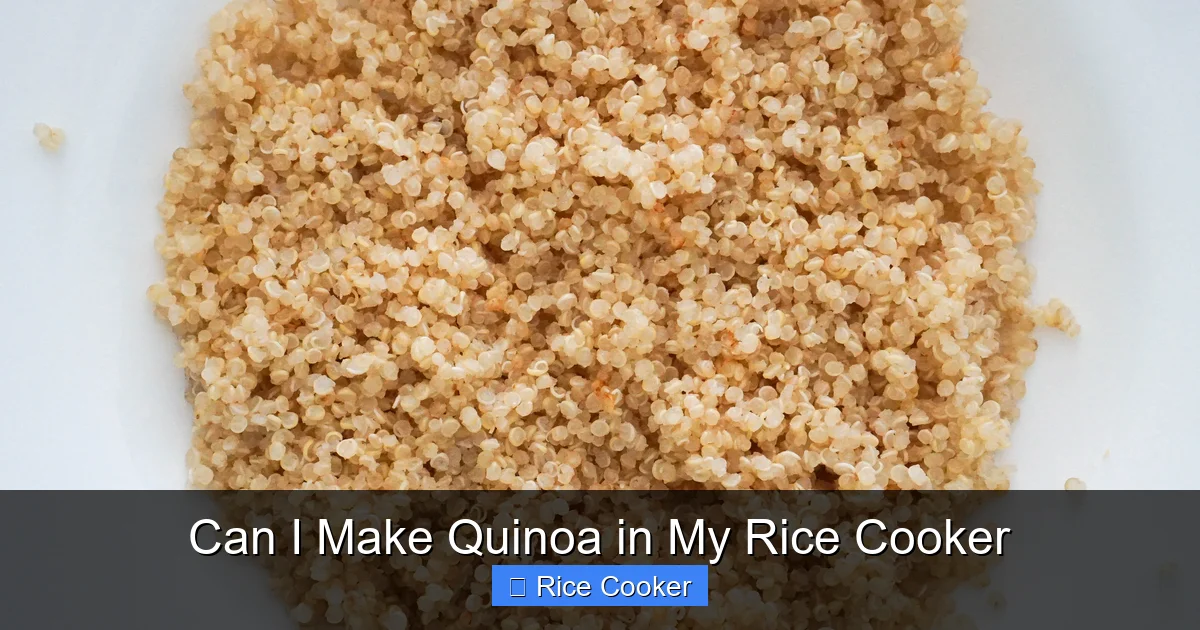
Making quinoa in a rice cooker is not only possible—it’s one of the easiest ways to cook it! With the right ratio and a few simple steps, you’ll have fluffy, nutty-perfect grains ready in minutes. Whether you’re meal prepping or just craving a healthy side dish, your rice cooker is your new best friend.
Have you ever stood in your kitchen staring at a bag of quinoa, wondering if your trusty rice cooker could handle it? You’re not alone. Many home cooks assume that because quinoa isn’t rice, it might need special equipment or complicated steps. But here’s the good news: yes, you absolutely can make quinoa in your rice cooker. In fact, using a rice cooker is one of the most foolproof methods for achieving perfectly cooked, fluffy quinoa every single time.
Whether you’re new to quinoa or a seasoned pro looking for convenience, your rice cooker is about to become your secret weapon for quick, healthy meals. From breakfast to dinner, quinoa is incredibly versatile, packed with nutrients, and takes just minutes to prepare when you know how. Let’s walk through everything you need to know—from choosing the right quinoa to storing leftovers—so you never have to guess again.
Key Takeaways
- Yes, quinoa cooks perfectly in a rice cooker – it requires the same water-to-grain ratio as white rice (1:2) and works with most standard models.
- No soaking required – unlike some grains, quinoa cooks quickly and evenly without needing to be soaked first.
- Cleaning is easy – rinse quinoa before cooking to remove saponins (naturally bitter coating), then wash the pot after use with warm, soapy water.
- Flavor and texture can be customized – add broth instead of water, toss in herbs, or mix with vegetables for a complete meal.
- It’s ideal for meal prep – cook a big batch and store it for salads, bowls, or breakfast porridge throughout the week.
- Quinoa is nutrient-dense – packed with protein, fiber, iron, and essential amino acids, making it a superfood worth adding to your diet.
- Most rice cookers are versatile – beyond quinoa, you can cook oats, brown rice, steamed veggies, and more using the same appliance.
📑 Table of Contents
- Why Use a Rice Cooker for Quinoa?
- Choosing the Right Quinoa for Your Rice Cooker
- Step-by-Step Guide: How to Make Quinoa in a Rice Cooker
- Pro Tips for Perfect Quinoa Every Time
- Cooking Different Types of Quinoa in a Rice Cooker
- Nutritional Benefits of Quinoa
- Meal Prep Ideas Using Cooked Quinoa
- Common Mistakes to Avoid
- Frequently Asked Questions About Making Quinoa in a Rice Cooker
- Final Thoughts: Why Quinoa Deserves a Spot in Your Kitchen
Why Use a Rice Cooker for Quinoa?
Before we dive into the “how,” let’s talk about the “why.” Cooking quinoa on the stovetop requires constant attention—stirring, watching the water level, and hoping it doesn’t stick to the bottom. But with a rice cooker, it’s hands-off. Once you add the ingredients and press start, the machine does the rest. It monitors temperature and timing, ensuring even cooking without scorching.
Rice cookers also maintain consistent heat, which helps quinoa absorb moisture evenly. This results in tender grains with a satisfying bite—no mushy or undercooked spots. Plus, they’re compact, easy to clean, and perfect for small kitchens. If you already own one, why use another appliance?
Another benefit is versatility. Most modern rice cookers come with multiple settings—white rice, brown rice, slow cook, steam, and even porridge modes. Some even have delay timers, so you can wake up to warm, ready-to-eat quinoa. That means no more last-minute scrambling when hunger strikes.
Choosing the Right Quinoa for Your Rice Cooker
Not all quinoa is created equal, and knowing the difference will help you get the best results.
There are three main types of quinoa: white, red, and black. Each has a slightly different texture and flavor:
– White quinoa: Mildest taste, cooks quickly, and holds its shape well. It’s the most common and widely available. | Type | Flavor Profile | Texture After Cooking | Best For | Ready to try it? Follow these simple steps for perfect quinoa every time. This is crucial. Quinoa has a natural coating called saponin, which gives it a bitter taste if not removed. Place the quinoa in a fine-mesh strainer and rinse under cold running water for at least 60 seconds. Rub the grains gently with your fingers to help dislodge the coating. Drain well. Tip: Skip this step at your own risk—you might end up with a soapy-tasting bowl of quinoa. Pour the rinsed quinoa into the inner pot of your rice cooker. Add 2 cups of water or broth (vegetable or chicken broth adds extra flavor). Stir in a pinch of salt if desired. Close the lid and make sure the vent is open. Most rice cookers have a “White Rice” setting, which works perfectly for quinoa. If your model has a “Brown Rice” or “Multi-Grain” setting, you can use those too—just note that cooking times may vary slightly. For white quinoa, the default setting is usually ideal. Press the start button. The cooker will begin heating and then automatically switch to “warm” once the quinoa is done. This usually takes about 15–20 minutes. Once the rice cooker switches to “warm,” don’t open the lid immediately. Let the quinoa sit for 5 minutes. This allows the moisture to distribute evenly and gives you fluffier grains. Use a fork to gently fluff the quinoa. It should be light, airy, and fully cooked—no crunchy bits or wet spots. Serve warm as a side dish, over greens, or mixed into a grain bowl. Even with a simple recipe, small adjustments can make a big difference. Swap out plain water for vegetable, chicken, or even miso broth. This boosts flavor and makes the quinoa more aromatic. Just remember to adjust salt accordingly. Toss in a bay leaf, sprig of thyme, or a pinch of cumin while the quinoa cooks. These infuse subtle flavors without overpowering the dish. While not necessary, soaking quinoa for 15–30 minutes can reduce cooking time and improve digestibility. Simply cover the rinsed quinoa with water and let it sit in the fridge overnight or for a few hours. Most rice cooker pots hold about 1–2 cups of uncooked grains. Overfilling can lead to uneven cooking or spills. Stick to the recommended capacity. If you’re not serving immediately, keep the quinoa in the rice cooker on the “warm” setting for up to an hour. Beyond that, transfer it to a covered container to prevent drying out. To reheat leftover quinoa, add a splash of water or broth to the pot and cover. Heat on the stove over low-medium heat, stirring occasionally, until warmed through. Each variety behaves slightly differently under heat. Cooks fastest and holds its shape best. Use the standard 1:2 ratio and expect it to be done in 15–18 minutes. Takes a bit longer—around 18–22 minutes. It tends to break apart more, making it ideal for soups or cold salads. The longest to cook—about 20–25 minutes. Its bold flavor and firm texture make it great for hearty grain bowls. While not technically quinoa, many people ask if their rice cooker can handle teff or farro. Yes! Use similar ratios: 1 cup grain to 2 cups liquid. Teff, however, is very tiny, so rinse carefully to avoid clogging the strainer. Quinoa isn’t just easy to cook—it’s incredibly nutritious. Once considered a “superfood,” it’s now recognized by nutritionists worldwide. Unlike most plant-based foods, quinoa contains all nine essential amino acids. This makes it a rare complete protein, ideal for vegetarians, vegans, and athletes. One cup of cooked quinoa provides about 5 grams of fiber. Its low glycemic index means it won’t spike blood sugar levels, making it a smart choice for diabetics. Quinoa is rich in magnesium, iron, potassium, and B vitamins. It also contains antioxidants like quercetin and kaempferol, which support heart health and reduce inflammation. Naturally gluten-free, quinoa is safe for those with celiac disease or gluten sensitivity. Just double-check labels to ensure cross-contamination hasn’t occurred during processing. One batch of quinoa can feed you for days. Here’s how to make the most of it. Cook quinoa the night before and serve it warm with almond milk, chia seeds, fresh berries, and a drizzle of honey. Top with nuts or granola for crunch. Mix cooked quinoa with black beans, corn, diced tomatoes, avocado, and a lime-cilantro dressing. Pack it into whole-wheat tortillas or eat it straight from a bowl. Build your favorite grain bowls: quinoa base, roasted sweet potatoes, sautéed kale, chickpeas, and tahini sauce. Customize with toppings like pickled onions or pumpkin seeds. Blend cooked quinoa with dates, peanut butter, oats, and cocoa powder. Roll into balls and refrigerate for a healthy, portable snack. Substitute part of the flour in muffins or pancakes with cooked quinoa for added protein and fiber. It adds a subtle nutty flavor and moist texture. Even experienced cooks make errors. Watch out for these pitfalls. As mentioned earlier, failing to rinse quinoa leads to bitterness. Always wash it thoroughly before cooking. Too much water results in mushy quinoa. Stick to the 1:2 ratio unless you’re soaking the grains first. Steam builds pressure inside the cooker. Opening it mid-cycle can cause uneven cooking or splatters. Fluffing with a fork after cooking helps separate the grains and improves texture. Skipping this step leaves your quinoa clumpy. Avoid storing quinoa in metal containers long-term, as it can react with certain metals and alter taste. Glass or food-safe plastic is best. After cooking, clean the inner pot immediately. Quinoa starch can harden and stick if left unattended. Yes! Most standard electric rice cookers can handle quinoa. Even basic models with just a “white rice” setting work perfectly. Just follow the same water ratio and timing as you would for rice. Visual guide about Can I Make Quinoa in My Rice Cooker Image source: itisakeeper.com Mushiness usually comes from too much water or overcooking. Use exactly 2 cups of liquid per 1 cup of quinoa, and avoid lifting the lid during cooking. Let it rest before fluffing. Yes, but it’s trickier. Slow cookers don’t dry out excess moisture, so you’ll likely end up with sticky, dense quinoa. A rice cooker is still the better option for consistent results. Cooked quinoa stays fresh in the refrigerator for up to 5 days when stored in an airtight container. Always check for off smells or mold before eating. Absolutely! Portion cooled quinoa into freezer bags or containers and freeze for up to 3 months. Thaw in the fridge overnight and reheat with a splash of water. Yes, but only after 6 months of age and once solid foods are introduced. Start with well-cooked, mashed quinoa mixed with breast milk or formula. Ensure it’s completely rinsed and free of grit. Cooking quinoa in a rice cooker isn’t just convenient—it’s a game-changer for anyone looking to eat healthier without spending hours in the kitchen. With minimal effort, you get a nutrient-rich, protein-packed grain that pairs beautifully with almost anything. Whether you’re building salads, whipping up breakfast, or meal prepping for the week, quinoa is your go-to. And the best part? You don’t need expensive gadgets or special skills. Your existing rice cooker is all you need. Just remember to rinse, measure, press start, and enjoy. So next time you open your pantry and see that bag of quinoa, don’t hesitate. Grab your rice cooker, follow these simple steps, and in less than 20 minutes, you’ll have a delicious, wholesome meal ready to go. Your future self—hungry, satisfied, and full of energy—will thank you. Yes! Most standard electric rice cookers can handle quinoa. Just follow the same water ratio and timing as you would for rice. Mushiness usually comes from too much water or overcooking. Use exactly 2 cups of liquid per 1 cup of quinoa, and avoid lifting the lid during cooking. Yes, but it’s trickier. Slow cookers don’t dry out excess moisture, so you’ll likely end up with sticky, dense quinoa. A rice cooker is still the better option. Cooked quinoa stays fresh in the refrigerator for up to 5 days when stored in an airtight container. Always check for off smells before eating. Absolutely! Portion cooled quinoa into freezer bags or containers and freeze for up to 3 months. Thaw in the fridge overnight and reheat with a splash of water. Yes, but only after 6 months of age and once solid foods are introduced. Start with well-cooked, mashed quinoa mixed with breast milk or formula.
– Red quinoa: Nutty flavor, softer texture, and breaks apart more easily during cooking. Great for salads.
– Black quinoaTypes of Quinoa and Their Uses
|————|—————-|————————|—————————|
| White | Mild, nutty | Firm, slightly chewy | Salads, pilafs, side dishes |
| Red | Earthy, soft | Soft, breaks apart | Bowls, soups, cold salads |
| Black | Bold, rich | Chewy, holds shape | Grain bowls, garnishes |Step-by-Step Guide: How to Make Quinoa in a Rice Cooker
What You’ll Need
Step 1: Rinse the Quinoa Thoroughly
Step 2: Add Ingredients to the Rice Cooker
Step 3: Select the Right Setting
Step 4: Let It Rest
Step 5: Fluff and Serve
Pro Tips for Perfect Quinoa Every Time
Use Broth Instead of Water
Add Herbs or Spices During Cooking
Try a Soak (Optional)
Don’t Overfill the Pot
Keep Leftovers Warm
Reheat Like a Pro
Cooking Different Types of Quinoa in a Rice Cooker
White Quinoa
Red Quinoa
Black Quinoa
Teff and Other Ancient Grains
Nutritional Benefits of Quinoa
A Complete Protein Source
High in Fiber and Low Glycemic Index
Packed with Micronutrients
Gluten-Free Friendly
Meal Prep Ideas Using Cooked Quinoa
Breakfast Bowls
Lunch Wraps and Salads
Dinner Bowls
Snack Energy Bites
Baked Goods
Common Mistakes to Avoid
Skipping the Rinse
Using Too Much Liquid
Opening the Lid Too Soon
Not Fluffing
Storing in Metal Containers
Ignoring Cleaning Instructions
Frequently Asked Questions About Making Quinoa in a Rice Cooker
Can I make quinoa in any type of rice cooker?
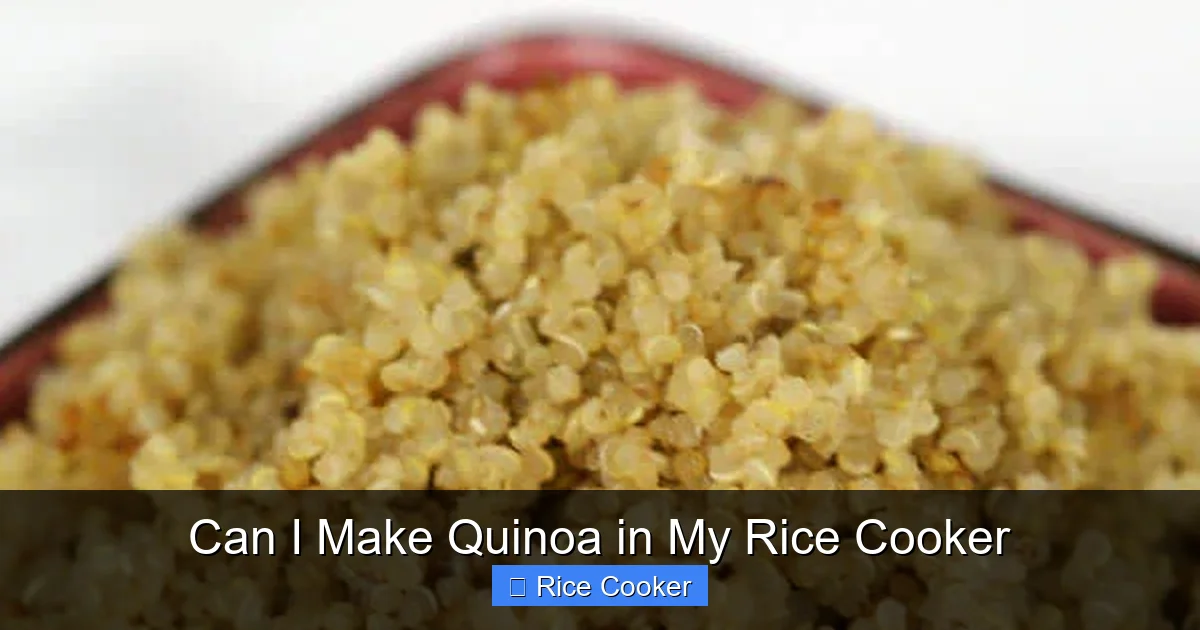
How do I stop quinoa from turning mushy?
Can I cook quinoa in a slow cooker instead?
How long does cooked quinoa last in the fridge?
Can I freeze quinoa?
Is quinoa safe for babies and toddlers?
Final Thoughts: Why Quinoa Deserves a Spot in Your Kitchen
Frequently Asked Questions
Can I make quinoa in any type of rice cooker?
How do I stop quinoa from turning mushy?
Can I cook quinoa in a slow cooker instead?
How long does cooked quinoa last in the fridge?
Can I freeze quinoa?
Is quinoa safe for babies and toddlers?