
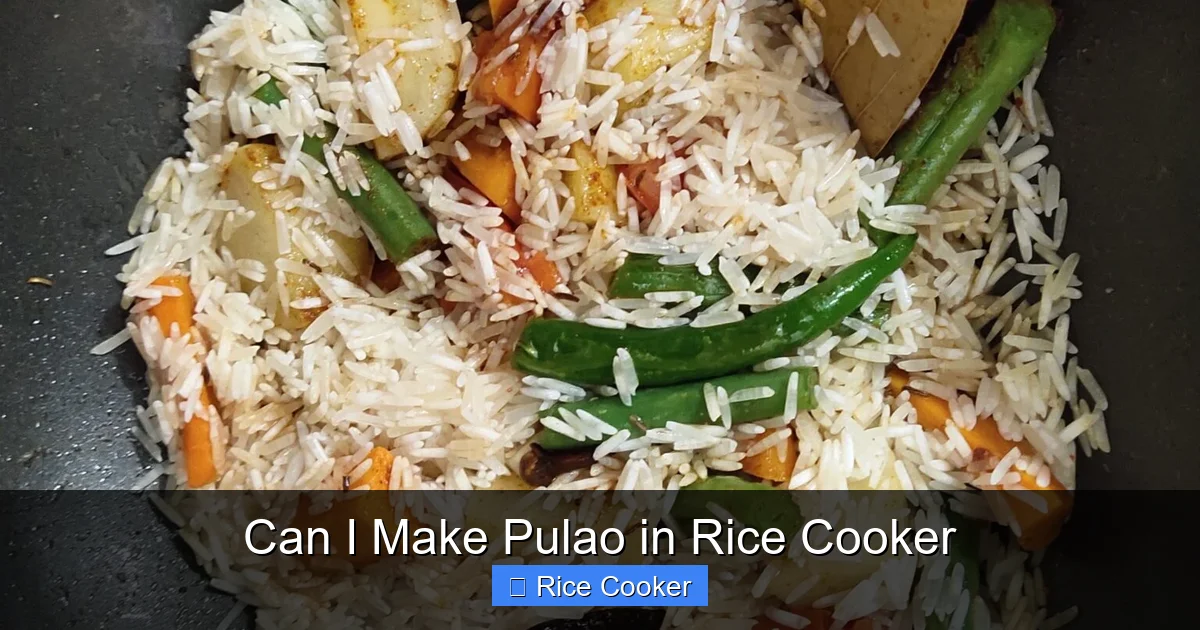
Making pulao in a rice cooker is not only possible but also incredibly convenient. With the right ingredients and technique, your rice cooker can produce fluffy, aromatic grains every time. You don’t need special equipment—just your cooker, some spices, and fresh veggies or meat for a wholesome meal.
Key Takeaways
- Yes, it’s easy: A rice cooker simplifies making pulao by handling timing and heat automatically.
- Flavor matters: Use whole spices like cardamom, cinnamon, and bay leaves to infuse authentic taste.
- Proportions are key: Stick to a 1:1.5 ratio of rice to water for perfect texture without mushiness.
- Add-ins timing: Sauté onions, garlic, and spices first before adding rice and liquid for depth.
- Resting helps: Let the cooked pulao sit for 5–10 minutes after cooking to absorb flavors evenly.
- Customize freely: Swap vegetables, proteins, or herbs to match your taste or dietary needs.
- Clean-up is simple: Most rice cookers have non-stick inner pots that are easy to wash.
📑 Table of Contents
- Can I Make Pulao in Rice Cooker?
- The Basics of Pulao and Why It Works in a Rice Cooker
- Step-by-Step Guide: How to Make Pulao in a Rice Cooker
- Flavor Variations and Customization Ideas
- Common Mistakes to Avoid When Making Pulao in a Rice Cooker
- Tips for Perfect Every Time
- Healthy and Diet-Friendly Options
- Clean-Up Made Easy
- Conclusion: Embrace the Convenience Without Sacrificing Flavor
Can I Make Pulao in Rice Cooker?
If you love the rich, aromatic flavors of traditional pulao but dread the long cooking process on the stovetop, here’s great news: yes, you can absolutely make pulao in a rice cooker! In fact, using a rice cooker might be even easier than cooking on the stove because it takes care of precise timing and temperature control—no constant stirring required. Whether you’re cooking for one or feeding a family, this method delivers consistent results every time.
Pulao is more than just rice—it’s a celebration of spices, textures, and layers of flavor. From tender chicken and golden onions to fragrant basmati and saffron, each bite tells a story. Traditionally made over an open flame with patience and care, modern kitchens now have a secret weapon: the humble rice cooker. It doesn’t just boil water and cook rice—it transforms your kitchen into a one-pot wonderland where everything comes together seamlessly.
In this article, we’ll walk you through everything you need to know about making pulao in a rice cooker. We’ll cover the basics, share pro tips, explore variations, and answer common questions so you can enjoy restaurant-quality pulao at home—without the hassle. So grab your rice cooker, gather your spices, and let’s get started!
The Basics of Pulao and Why It Works in a Rice Cooker
Before diving into recipes, it’s important to understand what pulao actually is. At its core, pulao (also spelled pulav) is a rice dish cooked with vegetables, meat, or both, along with aromatic spices. Unlike biryani, which uses layered cooking and dum (slow steaming), pulao is typically cooked all at once in a single pot—making it perfect for appliances like rice cookers.
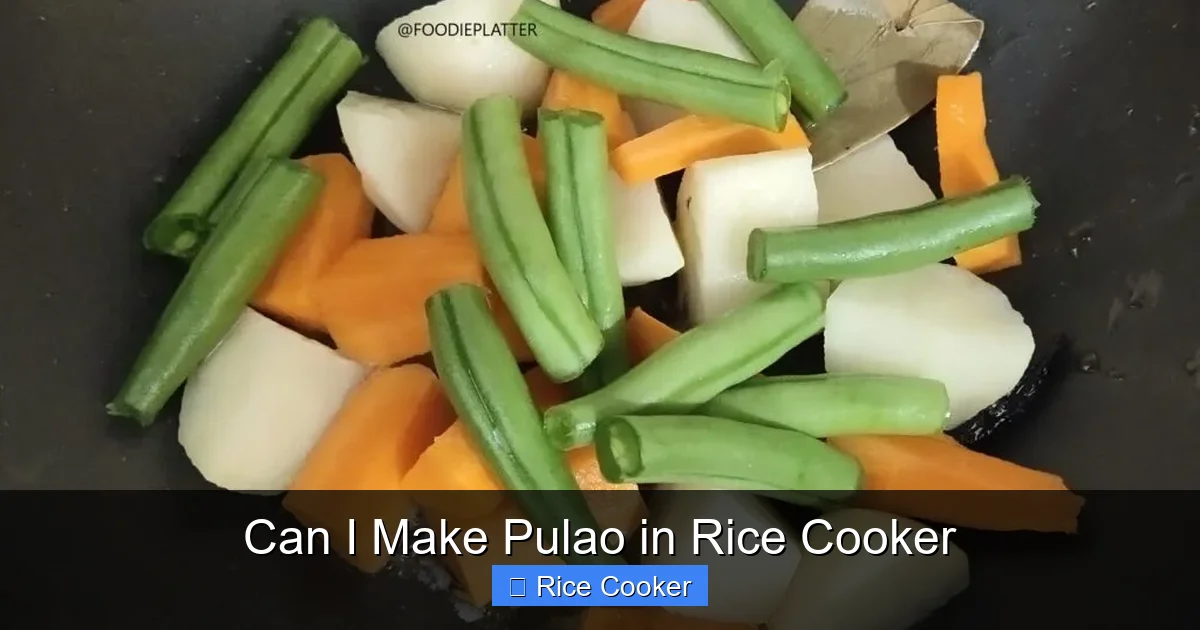
Visual guide about Can I Make Pulao in Rice Cooker
Image source: foodieplatter.com
What Makes Rice Cookers Ideal for Pulao?
Rice cookers are designed to maintain steady heat and automatically switch off when the food is done. This means you don’t risk burning or undercooking your dish. Plus, many modern models come with multiple settings—like “porridge,” “steam,” or “quick cook”—that give you extra control. For pulao, the standard “white rice” mode usually works best, though some users prefer the “brown rice” setting if they’re using whole grain varieties.
Another advantage? Minimal supervision. Once you add everything in, press start, and wait. While it cooks, you can prep other dishes, clean up a bit, or simply relax. That convenience alone makes rice cooker pulao a favorite among busy families and students alike.
Choosing the Right Rice
The type of rice you use directly affects the outcome. Basmati rice is the gold standard for pulao because of its long grains, nutty aroma, and ability to stay separate after cooking. If basmati isn’t available, medium-grain jasmine or even sushi rice can work in a pinch—though the flavor and texture will differ slightly.
Always rinse your rice before cooking to remove excess starch. This prevents clumping and ensures fluffier grains. A quick soak (15–30 minutes) can also help achieve better texture, especially with aged basmati.
Step-by-Step Guide: How to Make Pulao in a Rice Cooker
Ready to try it yourself? Follow these simple steps for foolproof pulao every time.
Gather Your Ingredients
- 1 cup basmati rice (rinsed)
- 1.5 cups water (adjust based on rice brand instructions)
- 1 small onion, thinly sliced
- 1 tomato, chopped
- 1/2 cup mixed vegetables (peas, carrots, green beans)
- 100g protein (chicken, mutton, paneer, or tofu)
- 1 tsp ginger-garlic paste
- 1 tsp turmeric powder
- 1 tsp red chili powder (optional)
- Whole spices: 2 green cardamoms, 1 cinnamon stick, 2 cloves, 1 bay leaf
- Salt to taste
- 2 tbsp ghee or oil
- Fresh coriander leaves for garnish
Prep Work Before You Start
Chopping vegetables and marinating protein ahead of time saves precious moments during cooking. Marinate chicken with yogurt, lemon juice, and salt for 20 minutes if desired. Keep spices ready—don’t forget those whole ones; they’re essential for authentic flavor.
Cooking Process
- Heat oil/ghee in the rice cooker pot. Add whole spices and fry for 30 seconds until fragrant.
- Add onions and sauté until golden brown. This caramelization builds the foundation of your pulao’s flavor.
- Stir in ginger-garlic paste and cook for 30 seconds. Be careful not to burn it—this step adds pungency.
- Add tomatoes and cook until soft. They’ll blend into a light sauce that coats everything.
- Throw in your protein and vegetables. Stir well to coat with spices.
- Add rinsed rice, turmeric, chili powder, and salt. Mix gently so grains don’t break.
- Pour in water (check manufacturer’s ratio guide). Usually 1:1.5 rice-to-water works, but some brands recommend 1:1.75.
- Close lid and select “White Rice” mode. Some cookers auto-start; others need manual initiation.
- Once done, let it rest for 5–10 minutes. Then fluff gently with a fork before serving.
Pro Tip: If your rice cooker has a “keep warm” function, don’t leave pulao in it too long—it can become soggy. Serve immediately for best results.
Flavor Variations and Customization Ideas
The beauty of pulao lies in its adaptability. You can tweak ingredients based on preference, seasonality, or dietary restrictions. Here are some popular variations:
Vegetable Pulao
Skip meat for a vegetarian version. Use seasonal veggies like pumpkin, cauliflower, bell peppers, or mushrooms. Add a splash of lemon juice at the end for brightness.
Chicken Pulao
A crowd-pleaser worldwide. Brown chicken pieces lightly before adding rice. Garnish with fried nuts and raisins for extra richness.
Mutton or Lamb Pulao
For deeper flavor, cook meat separately until tender before combining with rice. This avoids toughness and allows spices to penetrate fully.
Fragrant Spices and Secret Ingredients
- Saffron milk: Steep a pinch of saffron in warm milk and drizzle over cooked rice for luxury.
- Garam masala: Sprinkle after cooking for a warm, complex finish.
- Fried onions: Top with crispy caramelized onions for crunch and sweetness.
- Cashew and raisins: Stir into the pot halfway through cooking for contrast.
Experimentation is encouraged! Try coconut milk instead of water for a South Indian twist, or swap cumin for fennel seeds for a milder profile.
Common Mistakes to Avoid When Making Pulao in a Rice Cooker
Even with the best tools, mistakes happen. Here’s how to dodge them:
Overcrowding the Pot
Too much rice or liquid can cause uneven cooking. Stick to recommended ratios and avoid filling beyond halfway.
Skipping the Spice Roast
Frying whole spices in fat releases their oils and aromas. Bypassing this step results in bland, flat flavors.
Not Rinsing the Rice
Unwashed rice leads to gummy, sticky clumps. Always rinse until the water runs clear.
Rushing the Resting Phase
Letting pulao sit post-cooking allows steam to redistribute moisture evenly. Skipping this causes dry spots or sogginess.
Using Wrong Water Ratio
Different rice brands absorb water differently. Check packaging guidelines or do a test run first.
Tips for Perfect Every Time
Want consistently amazing pulao? Try these expert tricks:
- Use a heavy-bottomed rice cooker. Even heating prevents hotspots.
- Pre-soak basmati for 30 mins. Results in plumper, separated grains.
- Layer flavors smartly. Spices at the bottom, then rice on top—this mimics traditional methods.
- Cover tightly during cooking. Steam builds pressure and keeps food moist.
- Fluff gently, don’t mash. A fork preserves individual grain integrity.
Also, clean your rice cooker regularly. Buildup from starches and oils can affect performance and taste over time.
Healthy and Diet-Friendly Options
Pulao isn’t just tasty—it can be nutritious too! Swap refined basmati for brown rice or quinoa for added fiber. Use skinless chicken or lentils as protein sources. Skip ghee and opt for olive or avocado oil. Add spinach, sweet potatoes, or zucchini for extra vitamins.
For low-sodium diets, reduce or omit added salt and rely on herbs like mint, cilantro, or parsley for freshness.
Clean-Up Made Easy
Most rice cooker inner pots are non-stick and dishwasher-safe. After cooking, let the pot cool slightly, then wipe away residue with a damp cloth. For stuck-on bits, soak in warm soapy water before scrubbing gently.
Never immerse the main unit in water—only the detachable pot should go into the sink or dishwasher.
Conclusion: Embrace the Convenience Without Sacrificing Flavor
Making pulao in a rice cooker isn’t just possible—it’s practical, delicious, and surprisingly versatile. Whether you’re new to Indian cuisine or a seasoned cook looking for speed, this method brings authenticity and ease together. No more watching the pot, no more stirring constantly, just rich, aromatic pulao with minimal effort.
Remember: the key lies in proper prep, quality ingredients, and respecting the basics like spice roasting and resting. With practice, you’ll develop your own signature style—whether it’s a fiery chicken pulao or a soothing vegetable version. And the best part? Leftovers reheat beautifully in the microwave or on the stovetop.
So next time you’re craving something comforting and flavorful, reach for your rice cooker. You might just discover your new favorite way to make pulao—fast, fuss-free, and full of joy.
Frequently Asked Questions
Can I make pulao in any type of rice cooker?
Yes, most standard electric rice cookers work perfectly for pulao. Microprocessor-based models offer more precision, but even basic ones deliver great results with the right technique. Just ensure your cooker has a “white rice” setting.
Do I need to soak the rice before cooking pulao?
Soaking isn’t mandatory, but it helps basmati rice expand properly and cook evenly. A 20–30 minute soak improves texture significantly, especially if using older or drier rice grains.
Can I make pulao without meat?
Absolutely! Vegetable pulao is a healthy, satisfying option. Use seasonal produce like peas, carrots, beans, and potatoes. Add tofu, paneer, or mushrooms for plant-based protein.
How do I prevent my pulao from being mushy?
Use the correct water ratio, avoid overfilling the pot, and don’t stir too much after cooking. Also, ensure your rice is fresh—old or improperly stored rice tends to clump more easily.
Can I add dairy to pulao in a rice cooker?
It’s tricky because dairy can curdle or burn in high-heat environments. Best to add cream or yogurt after cooking, either mixed into the rice or as a side. Alternatively, use saffron-infused milk toward the end for subtle richness.
Is it okay to reuse leftover pulao?
Yes! Store in an airtight container in the fridge for up to 3 days. Reheat with a splash of water or broth to restore moisture. Avoid leaving it out at room temperature for more than 2 hours to prevent bacterial growth.