
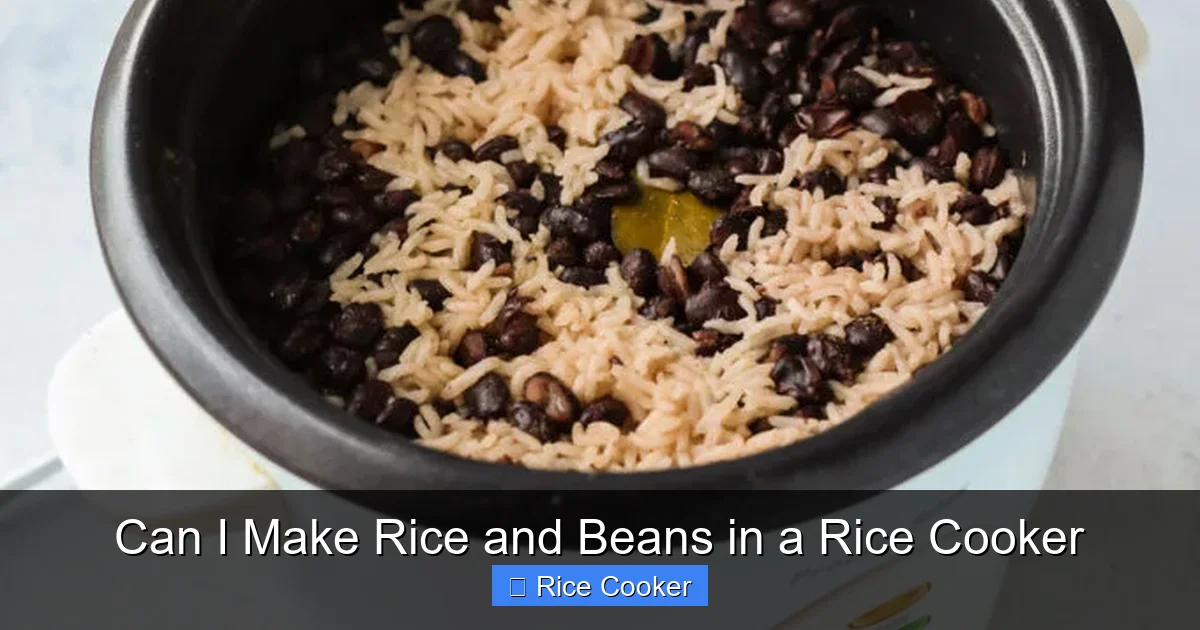
Making rice and beans in a rice cooker is not only possible—it’s one of the easiest ways to prepare a complete, nutritious meal. With just a few ingredients and your trusty appliance, you can achieve fluffy rice and tender beans without extra pots or pans. Whether you’re cooking for one or feeding a crowd, this method is convenient, hands-off, and budget-friendly. In this guide, we’ll walk you through everything you need to know: from ingredient ratios and timing to flavor-boosting tips and recipe ideas. You’ll learn how to customize the dish to your taste, avoid common mistakes, and even turn it into a one-pot dinner with vegetables or protein. Plus, we’ll answer all your burning questions about cooking times, water ratios, and cleaning up afterward. Get ready to master this simple, satisfying combo that works great for busy weeknights or meal prep!
Key Takeaways
- Rice and beans cook well together in a rice cooker. The appliance handles both grains and legumes efficiently when used correctly.
- Use the right water-to-rice ratio and soaking method. Soaking beans overnight reduces cooking time and improves texture.
- Add flavor during cooking for a richer taste. Aromatics like onion, garlic, or spices enhance the overall dish.
- Adjust cooking time based on bean type. Pinto, black, and kidney beans each have different ideal cook times.
- Clean your rice cooker properly after use. Residue from beans can be sticky; prompt rinsing prevents buildup.
- This method is perfect for meal prep. Cook large batches and store portions for quick lunches or dinners.
- You can add extras like veggies or protein for a full meal. Turn it into a one-pot wonder without extra effort.
📑 Table of Contents
- Can I Make Rice and Beans in a Rice Cooker? Absolutely—Here’s How!
- Why Rice and Beans Work So Well Together
- Choosing the Right Ingredients
- Step-by-Step Guide: Cooking Rice and Beans in Your Rice Cooker
- Flavor Enhancements and Creative Variations
- Troubleshooting Common Issues
- Cleaning and Maintenance Tips
- Perfect Pairings and Serving Suggestions
- Frequently Asked Questions
- Conclusion: Your New Go-To Meal Hack
Can I Make Rice and Beans in a Rice Cooker? Absolutely—Here’s How!
Have you ever stared at your rice cooker, wondering what else it could do beyond just making plain white or brown rice? If so, you’re in luck—because yes, you can definitely make rice and beans in a rice cooker. It’s one of those kitchen hacks that feels almost too good to be true: a single appliance, two pantry staples, and a delicious, filling meal ready in under an hour. Whether you’re cooking for yourself, your family, or prepping meals for the week, this method is a game-changer.
What makes rice and beans such a perfect pair? They complement each other in texture, flavor, and nutrition. Rice provides energy-rich carbohydrates, while beans contribute plant-based protein, fiber, and essential minerals. When cooked together in a rice cooker, they create a balanced, complete meal that’s affordable, quick, and satisfying. And the best part? No constant stirring or watching the stove—just set it and forget it.
In this comprehensive guide, we’ll explore every aspect of cooking rice and beans in your rice cooker. From choosing the right types of rice and beans to mastering water ratios, adding flavor, and troubleshooting common issues, you’ll become a pro in no time. We’ll also share creative variations and meal prep tips so you can enjoy this dish again and again. Let’s dive in!
Why Rice and Beans Work So Well Together
Before we get into the nitty-gritty of cooking, let’s talk about why this combination is so effective—especially in a rice cooker.

Visual guide about Can I Make Rice and Beans in a Rice Cooker
Image source: i.pinimg.com
The Science Behind the Combo
Rice and beans are considered a complete protein because together, they provide all nine essential amino acids your body needs. While individual grains or legumes may lack certain amino acids, combining them creates a nutritionally balanced meal. This is especially important for vegetarians and vegans who rely on plant-based proteins.
From a culinary standpoint, their textures contrast beautifully: fluffy, separate rice versus creamy, slightly chewy beans. This balance keeps each bite interesting. And when cooked in a rice cooker, both absorb moisture evenly and cook uniformly, avoiding the risk of burnt beans or mushy rice—common pitfalls on the stovetop.
Convenience Meets Nutrition
Meal preparation can be time-consuming, but making rice and beans in a rice cooker cuts down on cleanup and active cooking time. Most rice cookers come with a “warm” setting that keeps food at the perfect temperature without overcooking. That means you can come home to a hot, ready-to-eat meal after a long day.
Plus, rice and beans are incredibly versatile. You can serve them as a side dish, use them as a base for burritos, salads, or bowls, or even blend them into soups and dips. Their neutral flavor allows them to soak up spices, sauces, and herbs, making them adaptable to cuisines from Latin America to the American South.
Choosing the Right Ingredients
Not all rice and beans are created equal when it comes to cooking in a rice cooker. Selecting the right varieties ensures better results and a more enjoyable eating experience.
Best Types of Rice to Use
For most rice and bean combos, short-grain or medium-grain white rice works best because it absorbs liquid well and stays tender. However, if you prefer whole grains, brown rice is a healthy option—though it requires a longer cook time and more water.
- White rice: Quick-cooking and fluffy; ideal for beginners.
- Brown rice: Higher in fiber and nutrients; cooks slower and needs extra water.
- Jasmine or basmati: Fragrant and slightly separate; great for flavoring with spices.
- Cooked rice (leftover): You can even reheat cooked rice with canned beans in the rice cooker for a fast meal.
Selecting the Perfect Beans
Dried beans give you control over texture and salt levels, while canned beans offer convenience. Here’s a quick breakdown:
- Pinto beans: Creamy, slightly sweet, and hold up well in rice dishes.
- Black beans:
- Kidney beans:
- Red beans:
- Kidney beans:
If using dried beans, always soak them overnight or use the quick-soak method: boil for 2 minutes, then let sit for an hour before draining and cooking.
Essential Spices and Seasonings
While rice and beans are tasty on their own, a few seasonings can elevate the dish to restaurant quality. Common additions include cumin, oregano, bay leaves, garlic powder, onion powder, and a pinch of smoked paprika. For extra richness, consider adding a spoonful of olive oil or butter before cooking.
Step-by-Step Guide: Cooking Rice and Beans in Your Rice Cooker
Ready to try it yourself? Follow this foolproof process for perfectly cooked rice and beans every time.
Ingredient Ratios and Prep Tips
Start by measuring your ingredients. A good starting point is:
- 1 cup dried beans (or 1.5 cups soaked)
- 2 cups water (for dried beans) or 1–1.5 cups (for canned)
- 1 cup rice (adjust based on rice type)
- Additional liquid if needed (up to 1/2 cup more for brown rice)
Pro tip: If using dried beans, rinse them thoroughly after soaking to remove any grit or debris. Canned beans should be rinsed and drained to reduce sodium.
Cooking Process Explained
- Prepare the beans: Soak dried beans overnight or use the quick-soak method. Drain and rinse.
- Add ingredients to the pot: Place beans, rice, water, and any desired seasonings in the inner pot of your rice cooker.
- Set the mode: Choose “Cook” or “Normal” mode. Some advanced models have a “Bean” or “Risotto” setting—use that if available.
- Let it cook: Once the cycle starts, avoid opening the lid. The rice cooker will automatically switch to “Warm” when done.
- Rest and fluff: Let the mixture sit for 5–10 minutes after cooking. Then gently fluff with a fork to separate grains and beans.
Timing and Water Adjustments
Cooking times vary depending on your rice cooker model and bean type:
- White rice + dried beans: 45–60 minutes (soaked) or 60–90 minutes (unsoaked)
- Brown rice + dried beans: 60–80 minutes
- Canned beans + white rice: 25–30 minutes
- Canned beans + brown rice: 45–50 minutes
Always check the manufacturer’s manual for specific guidelines. If your rice cooker has a timer function, you can start it while you prep other ingredients—perfect for busy mornings.
Flavor Enhancements and Creative Variations
Once you’ve mastered the basics, it’s fun to experiment. Here are some ideas to take your rice and beans to the next level.
Add Aromatics for Depth
Sautéing onions, garlic, or peppers before adding them to the rice cooker adds incredible flavor. Even adding a bay leaf or a strip of orange peel during cooking can infuse subtle notes into the final dish.
Try Different Seasoning Blends
Switch up your spice game with these combinations:
- Mexican style: Cumin, chili powder, oregano, and lime juice
- Creole/Cajun: Paprika, thyme, celery salt, and a touch of cayenne
- Spanish/Latin: Smoked paprika, garlic powder, and a splash of vinegar
- Simple herb blend: Fresh parsley, cilantro, and a squeeze of lemon
Upgrade with Protein and Veggies
Turn this into a full one-pot meal by adding:
- Chicken or sausage: Brown protein in a pan first, then add to the rice cooker with beans and rice.
- Vegetables: Diced tomatoes, corn, bell peppers, or spinach go well and add color and nutrition.
- Lentils or chickpeas:
Make It Creamier or Thicker
For a richer texture, mash some of the beans before adding them. Or blend a small portion with broth to create a thick sauce that coats the rice. This is great for baby food or comforting meals.
Troubleshooting Common Issues
Even with the best techniques, things don’t always go perfectly. Here’s how to fix common problems.
Rice Stuck to the Bottom
This usually happens when there’s not enough water or the pot wasn’t properly oiled. To prevent it:
- Use a non-stick rice cooker pot (most are coated).
- Lightly grease the bottom with oil or butter before adding dry ingredients.
- Don’t open the lid during cooking—steam builds pressure and helps distribute heat.
Beans Too Hard or Mushy
Overcooked beans become mushy; undercooked ones stay tough. If they’re still firm after the recommended time, return the pot to the cooker for 10–15 minutes. If they’re falling apart, reduce water next time and check doneness halfway through.
Rice Too Wet or Dry
Adjust water ratios based on results. Keep a log of what worked best for your model. Also, note that altitude affects boiling points—higher elevations may require slightly more water.
Off-Flavors or Unpleasant Taste
This can happen if old or rancid beans are used, or if the rice cooker hasn’t been cleaned properly. Always check expiration dates and clean the interior after each use to avoid lingering odors.
Cleaning and Maintenance Tips
After cooking rice and beans, cleaning your rice cooker is crucial—especially since beans leave behind starchy residue that can be hard to remove.
Immediate Cleaning Steps
- Unplug the rice cooker and let it cool completely.
- Remove the inner pot and wash it with warm, soapy water. A soft sponge works best—avoid abrasive scrubbers that can damage the coating.
- For stubborn bean bits, soak the pot in hot water with a bit of baking soda before scrubbing.
- Rinse the lid and steam vent thoroughly. Some parts are dishwasher-safe—check your manual.
Preventing Buildup
To keep your rice cooker in top shape:
- Never leave leftover food inside overnight.
- Clean immediately after use—don’t wait.
- Check the heating plate and cord regularly for spills or damage.
- Replace the inner pot if it shows signs of wear, discoloration, or sticking.
Perfect Pairings and Serving Suggestions
Once your rice and beans are ready, how you serve them matters. Here are some ideas to make the meal complete.
Side Dishes to Complement
- Salsa or guacamole: Adds freshness and crunch.
- Sour cream or Greek yogurt:
- Cornbread or tortillas:
- Fresh salad:
- Cornbread or tortillas:
Meal Ideas Using Rice and Beans
- Bowl format: Layer rice, beans, salsa, avocado, and cheese.
- Burrito or taco filling:
- Stuffed peppers or bell peppers:
- Breakfast hash:
- Stuffed peppers or bell peppers:
Frequently Asked Questions
Can I use instant rice instead of regular rice?
Yes, but instant rice cooks faster and may become mushy if overcooked. Add it toward the end of the cooking cycle or follow package instructions for timing adjustments.
Do I need to soak dried beans every time?
Soaking isn’t mandatory, but it significantly reduces cooking time and improves digestibility. If you skip soaking, increase cook time by 20–30 minutes.
Can I freeze cooked rice and beans?
Absolutely. Store in airtight containers for up to 3 months. Reheat in the rice cooker with a splash of water or broth to restore moisture.
Will my rice cooker burn the beans?
Unlikely if you use the right water ratio and avoid opening the lid. However, if the pot lacks a non-stick coating or is heavily scratched, burning is more likely.
Can I cook other legumes like lentils or chickpeas?
Yes, but adjust cooking times. Lentils cook quickly (20–30 mins), while chickpeas need 45–60 minutes. Soak chickpeas overnight for best results.
Is it safe to leave rice and beans in the “warm” setting for hours?
Generally, yes—but only for a few hours. Long-term storage at room temperature can promote bacterial growth. Refrigerate leftovers within 2 hours of cooking.
Conclusion: Your New Go-To Meal Hack
Making rice and beans in a rice cooker is more than just a shortcut—it’s a smart, sustainable way to feed yourself and your family. With minimal effort, you get a nutritious, flavorful meal that fits any lifestyle. Whether you’re new to cooking or a seasoned home chef, this technique belongs in your kitchen toolkit.
Remember: the key is consistency and attention to detail—like using the right water ratio, soaking beans when possible, and cleaning up promptly. But once you get the hang of it, you’ll wonder how you ever lived without this method.
So go ahead—grab your rice cooker, toss in some beans and rice, and let science and flavor do the rest. Before you know it, you’ll be serving up restaurant-quality meals that are as kind to your wallet as they are to your taste buds. Happy cooking!
Frequently Asked Questions
Can I use instant rice instead of regular rice?
Yes, but use it carefully—instant rice cooks faster and can become mushy. Add it near the end of the cycle or adjust timing based on package directions to avoid overcooking.
Do I need to soak dried beans every time?
Soaking isn’t required, but it shortens cooking time and improves texture. If you skip soaking, add 20–30 extra minutes to the cook time.
Can I freeze cooked rice and beans?
Yes, store in sealed containers for up to 3 months. Reheat in the rice cooker with a little water to restore moisture.
Will my rice cooker burn the beans?
Burning is rare if you use the correct water ratio and don’t open the lid during cooking. Non-stick pots help prevent sticking.
Can I cook other legumes like lentils or chickpeas?
Yes! Lentils cook quickly (20–30 minutes). Chickpeas need 45–60 minutes and benefit from soaking.
Is it safe to leave rice and beans in the “warm” setting for hours?
It’s okay for a few hours, but not recommended for long periods. Refrigerate leftovers within 2 hours to stay safe.