
Making soup in a rice cooker is not only possible—it’s easy, efficient, and surprisingly delicious. With the right ingredients and techniques, your rice cooker becomes a powerful tool for creating everything from creamy broths to rich bone soups. No extra pots or stovetops needed—just toss in your veggies, protein, and liquid, press a button, and enjoy restaurant-quality soup at home.
Key Takeaways
- Rice cookers are perfect for soup: Their automated cooking cycles mimic slow simmering, breaking down fibers and infusing flavors without constant monitoring.
- You don’t need special settings: Most rice cookers handle soup just fine using the “white rice” or “manual” setting—no soup-specific mode required.
- Creamy and clear soups both work: From velvety tomato bisques to light vegetable broth, your rice cooker adapts to different textures.
- Timing matters: Longer cooking times (45–90 minutes) yield deeper flavors, especially with bones or tough vegetables.
- Safety first: Always ensure the rice cooker has enough liquid (at least 3–4 cups per batch) and avoid overfilling beyond the max line.
- Cleanup is simple: Many models have non-stick inner pots that make pouring out soup and washing up a breeze.
- Experiment freely: Add beans, lentils, pasta, or grains—rice cookers thrive on versatility and hands-off cooking.
📑 Table of Contents
- Can I Make Soup in a Rice Cooker? The Short Answer Is YES!
- Why Use a Rice Cooker Instead of a Pot?
- What Types of Soup Work Best in a Rice Cooker?
- Step-by-Step Guide: Making Soup in Your Rice Cooker
- Top Tips for Perfect Rice Cooker Soup
- Delicious Rice Cooker Soup Recipes to Try Today
- Common Mistakes to Avoid When Making Soup in a Rice Cooker
- How Long Does It Take to Make Soup in a Rice Cooker?
- Can I Make Cold Soups Like Gazpacho in a Rice Cooker?
- Cleaning Your Rice Cooker After Making Soup
- Final Thoughts: Embrace the Versatility of Your Rice Cooker
Can I Make Soup in a Rice Cooker? The Short Answer Is YES!
Imagine coming home after a long day and wanting a warm, nourishing bowl of soup—without standing over a hot stove, stirring constantly, or risking scorched edges. Enter the humble rice cooker: once thought only for fluffy white rice, it’s now a secret weapon in many kitchens for making everything from brothy bone soup to creamy mushroom blends. So yes, absolutely—you can make soup in a rice cooker. And not just any soup. Think rich, slow-simmered flavors packed into one pot with minimal effort.
The magic lies in how rice cookers automate heat regulation. Unlike stovetop pots where you must babysit the temperature, most rice cookers switch between heating and warming modes automatically. This means your soup gently simmers, reducing slowly while flavors meld beautifully. It’s like having a personal sous-chef who never asks for a raise or takes coffee breaks.
Why Use a Rice Cooker Instead of a Pot?
If you’re wondering whether skipping the stovetop makes sense, let’s break down why rice cookers shine for soup-making:
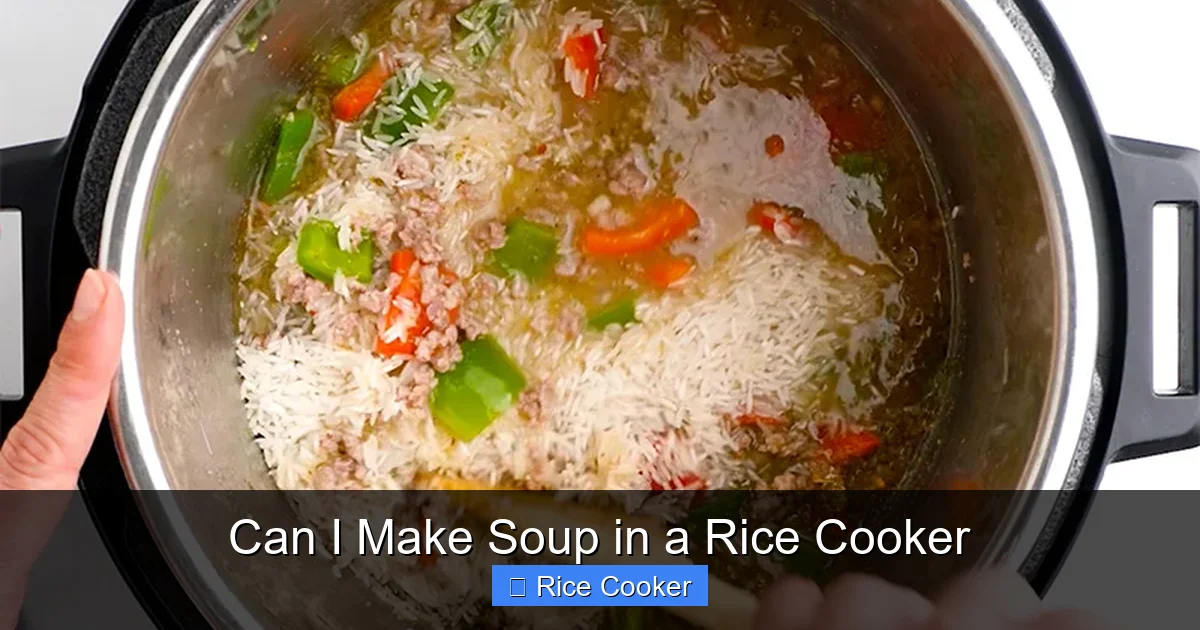
Visual guide about Can I Make Soup in a Rice Cooker
Image source: instantpoteats.com
1. Hands-Off Convenience
Set it and forget it—that’s the rice cooker mantra. Once you add ingredients and turn it on, there’s nothing else to do. Perfect if you’ve got kids, pets, or just want to relax while dinner cooks itself.
2. Even Heat Distribution
Unlike gas flames that create hot spots, electric rice cookers heat evenly across the bottom of the pot. No more worrying about burnt bits at the bottom or unevenly cooked veggies.
3. Built-In Warming Function
After cooking, many models keep food warm for hours—great for serving guests late or reheating leftovers the next day without extra effort.
4. Easy Cleanup
The non-stick inner pot means soup doesn’t stick. Just pour, scrape, and rinse. Some even go straight into the dishwasher!
5. Energy Efficient
Electric rice cookers use less energy than running a stove burner for hours—especially useful during summer months when you don’t want the kitchen heating up.
Of course, every method has trade-offs. A rice cooker lacks the precise control of a stovetop, so delicate herbs or quick-cooking noodles might not hold up as well. But for robust, comforting soups? It’s hard to beat.
What Types of Soup Work Best in a Rice Cooker?
Not all soups are created equal—and some play better with your rice cooker than others. Here’s what thrives in this compact kitchen companion.
Creamy Soups (Like Tomato, Cream of Broccoli, or Mushroom)
These rely on soft textures and blended elements—ideal for rice cookers. Since they cook longer, fibrous veggies break down into silky purées naturally. Just remember to blend halfway through for smoother results.
Bone Broths and Minestrone-Style Soups
Long-simmering soups benefit immensely from the steady, low heat of a rice cooker. Collagen from bones turns into gelatin, giving broth a rich mouthfeel. Vegetables stay tender but not mushy.
Lentil, Bean, or Grains-Based Soups
Pulses like lentils or chickpeas soften perfectly over 60–90 minutes. Add them early so they absorb maximum flavor. Quinoa or barley also cook evenly without getting gluey.
One-Pot Meals with Pasta or Rice
Add small pasta shapes (like orzo) or leftover rice toward the end—usually after 20–25 minutes—so they don’t overcook. Stir occasionally if possible.
Avoid delicate leafy greens (like spinach or arugula) unless added near the end. Similarly, fresh herbs lose potency fast, so add them in the last 5–10 minutes for best flavor.
Step-by-Step Guide: Making Soup in Your Rice Cooker
Ready to try it yourself? Follow these simple steps for foolproof success.
Step 1: Choose Your Ingredients Wisely
Start with a base—like diced onions, garlic, carrots, celery—and add protein (chicken, beans, tofu), liquids (water, broth, coconut milk), and seasonings. Avoid anything that requires high-heat searing unless you pre-cook it separately.
Step 2: Add Liquid First
Fill the inner pot with at least 3–4 cups of liquid (more if adding grains). Too little liquid risks burning; too much dilutes flavor. Aim for a ratio of about 2 parts liquid to 1 part solids by volume.
Step 3: Load in Veggies and Protein
Toss in harder vegetables (onions, potatoes) and proteins first. Softer items like zucchini or leafy greens go in later. Season generously with salt, pepper, herbs, or spices.
Step 4: Select the Right Setting
Most rice cookers don’t have a “soup” button—but that’s okay. Use the “White Rice” setting (which runs ~45 mins) or “Manual/Custom” mode (set to 60–90 minutes). Press start and walk away.
Step 5: Stir Midway (Optional)
For even cooking, open the lid around the halfway mark and stir. This helps prevent sticking and ensures everything cooks uniformly.
Step 6: Finish with Delicate Ingredients
Add pasta, rice, greens, or fresh herbs during the final 10–15 minutes. Let the residual heat finish the job without overcooking.
Step 7: Taste and Adjust
Once done, taste before serving. Add more salt, acid (lemon juice, vinegar), or cream if desired. Serve hot with crusty bread or a sprinkle of Parmesan.
Top Tips for Perfect Rice Cooker Soup
Want to level up your game? These pro tips will transform good soup into great soup.
Use High-Quality Broth
Skip plain water! Chicken, vegetable, or beef broth adds depth. Low-sodium versions let you control salt levels better.
Toast Spices Before Adding
Lightly sauté spices in oil or butter before pouring in liquid. This unlocks their full aroma—think cumin, coriander, or smoked paprika.
Layer Flavors Gradually
Add aromatics (onion, garlic, ginger) first, then harder veggies, then softer ones. This builds complexity instead of muddling flavors.
Don’t Overfill
Never exceed the max fill line on the inner pot. Soup expands as it cooks—plus, you need room for stirring and cleanup.
Let It Rest After Cooking
Turn off the rice cooker and let soup sit for 10–15 minutes. Flavor profiles deepen, and fats rise to the top for easy skimming.
Customize for Dietary Needs
Vegan? Skip animal products and use vegetable broth. Gluten-free? Choose certified GF pasta or skip grains entirely. Dairy-free? Omit cream—opt for coconut milk instead.
Delicious Rice Cooker Soup Recipes to Try Today
Feeling inspired? Here are five crowd-pleasing recipes you can whip up tonight.
Classic Chicken Noodle Soup
Ingredients: 1 lb chicken thighs, 2 cups chopped carrots & celery, 4 cups chicken broth, 1 cup egg noodles, salt, pepper, thyme.
Method: Cook all ingredients except noodles on “White Rice” setting (50 mins). Add noodles 15 mins before end. Simmer until al dente.
Creamy Mushroom Soup
Ingredients: 8 oz mushrooms, 1 onion, 2 cloves garlic, 3 cups vegetable broth, ½ cup heavy cream, sage, nutmeg.
Method: Sauté mushrooms lightly before adding to cooker. Cook 60 mins. Blend halfway through for smoothness. Stir in cream at the end.
Hearty Lentil Vegetable Soup
Ingredients: 1 cup green lentils, 1 diced potato, 1 can diced tomatoes, 4 cups water, bay leaf, cumin, chili flakes.
Method: Cook on “Manual” setting (70 mins). Add lentils early, tomatoes mid-way. Remove bay leaf before serving.
Thai Coconut Curry Soup
Ingredients: 1 tbsp curry paste, 1 can coconut milk, 2 cups mixed veggies, 1 cup broth, lime juice, cilantro.
Method: Mix curry paste with a splash of broth to thicken. Add all ingredients, cook 45 mins. Finish with lime and herbs.
Beef Bone Broth
Ingredients: 2 lbs beef bones, 1 onion (quartered), 2 carrots, 2 celery stalks, apple cider vinegar, black pepper.
Method: Roast bones first for browning (optional). Add all to cooker with 6 cups water + 2 tbsp vinegar. Cook 8–12 hours on “Keep Warm” (or manual 90+ mins). Strain and chill.
Each recipe proves how adaptable your rice cooker truly is—whether you crave comfort food or global flavors, there’s a soup waiting for you.
Common Mistakes to Avoid When Making Soup in a Rice Cooker
Even seasoned cooks slip up sometimes. Don’t worry—here’s how to sidestep the most frequent pitfalls.
Mistake 1: Not Enough Liquid
Result: Burnt bottom, stuck-on bits. Fix: Always check liquid levels before cooking. Err on the side of more, not less.
Mistake 2: Overloading With Soft Ingredients
Result: Soup turns into a soggy mess. Fix: Reserve delicate items (spinach, rice, pasta) for the last 15–20 minutes.
Mistake 3: Skipping Pre-Cooking Seared Proteins
Result: Raw-tasting meat. Fix: Brown chicken or beef in a pan first, then transfer to cooker with juices.
Mistake 4: Using Too Much Salt Early
Result: Overpowering taste. Fix: Salt gradually during cooking, tasting often. You can always add more—but never take it out!
Mistake 5: Ignoring the Lid
Result: Steam escapes, flavor weakens. Fix: Keep the lid closed unless stirring. Opening too often drops temperature.
With practice, these errors become rare. Soon, you’ll be making restaurant-worthy soup faster than you can say “simmer.”
How Long Does It Take to Make Soup in a Rice Cooker?
Cooking time varies based on ingredients and model, but here’s a general guide:
- Quick soups (30–45 mins): Clear broths with soft veggies, no grains.
- Medium soups (45–60 mins): Creamy blends, beans, or small pasta.
- Slow soups (60–90+ mins): Bone broths, lentils, root vegetables, or grains like barley.
Remember: Rice cookers typically run hotter than stovetop simmering, so reduce time slightly if your model heats aggressively. When in doubt, lean toward longer—it’s easier to reduce soup than fix undercooked beans!
Can I Make Cold Soups Like Gazpacho in a Rice Cooker?
Technically, yes—but not practically. Cold soups like gazpacho require no heat at all. However, you could use your rice cooker solely as a mixing and chilling vessel (though that defeats its purpose). For true cold soups, stick to hand-mixing in a bowl and refrigerating. Your rice cooker stays warm and happy making hot meals.
Cleaning Your Rice Cooker After Making Soup
Cleaning is straightforward—but important for longevity and hygiene.
Step 1: Cool Completely
Never wash a hot inner pot. Let it cool for 20–30 minutes to avoid warping or cracking.
Step 2: Pour Out Residue
Use the spout to drain excess liquid. Scrape off any stuck-on bits with a wooden spoon (metal scrapers may scratch non-stick coating).
Step 3: Hand-Wash Gently
Most inner pots are dishwasher-safe, but hand-washing preserves the non-stick layer. Use warm, soapy water and a soft sponge.
Step 4: Dry Thoroughly
Wipe the heating plate underneath with a dry cloth to prevent moisture buildup. Store with the lid slightly ajar for airflow.
A clean rice cooker means fresh soup every time—and fewer mysterious odors from last week’s bean stew.
Final Thoughts: Embrace the Versatility of Your Rice Cooker
At first glance, a rice cooker might seem limited—just another gadget for fluffy grains. But peel back the layers (literally), and you’ll discover a powerhouse appliance capable of so much more. Making soup in a rice cooker isn’t just possible; it’s revolutionary for busy families, solo diners, and anyone craving homemade goodness without the fuss.
The beauty lies in its simplicity. No stirring. No watching. No stress. Just combine, press, and enjoy. Whether you’re whipping up a quick weeknight minestrone or crafting a rich, collagen-packed bone broth, your rice cooker rises to the occasion. And the best part? You’re free to experiment—adding forgotten veggies from the crisper, trying new spice blends, or turning last night’s roasted chicken into tomorrow’s soup.
So go ahead—dust off that rice cooker tucked in the back of your cabinet. Fill it with love, liquid, and intention. Before you know it, you’ll be serving up bowls of joy that rival any restaurant. Because sometimes, the simplest tools make the biggest impact.
Frequently Asked Questions
Do I need a special rice cooker to make soup?
No special model is required! Standard rice cookers work perfectly for soup. Just avoid mini or travel models with tiny capacities—they’re too small for proper soups.
Can I make instant soup mixes in a rice cooker?
While technically possible, instant mixes often contain additives that don’t dissolve well without blending. Fresh ingredients yield far superior results.
Will my rice cooker burn if I leave it unattended?
Modern rice cookers have safety features like automatic shutoff, so leaving it is generally safe. But never leave it plugged in empty—it can damage the unit.
Can I double the recipe?
Yes, but respect the max fill line. Doubling works best if you have a larger-capacity rice cooker (10 cups or more). Otherwise, cook in batches.
How do I thicken soup in a rice cooker?
Add a roux (flour + butter), blended cooked veggies, or puréed beans. For creaminess, stir in sour cream or coconut milk at the end.
Is it safe to make soup in an older rice cooker?
As long as it powers on and heats properly, older models can still make soup. Just monitor liquid levels closely to prevent overflow or dry-out.