
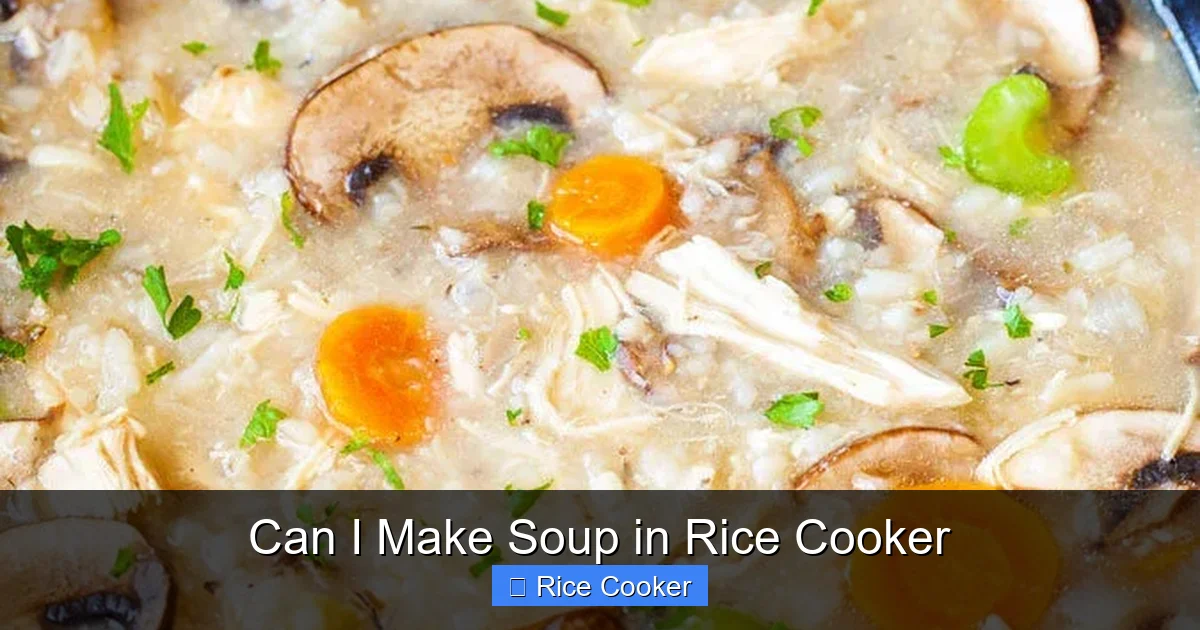
Can I make soup in a rice cooker? Absolutely! Your rice cooker is a surprisingly powerful kitchen companion that can handle everything from light vegetable broths to rich chicken noodle soup. With the right ingredients and technique, you can create restaurant-quality soups at home with minimal cleanup. Whether you’re cooking for one or feeding a crowd, this simple appliance makes soup-making faster, easier, and more consistent than ever before.
Key Takeaways
- Rice cookers are versatile: Beyond boiling rice, they’re excellent for simmering soups, stews, and broths with consistent heat control.
- Minimal effort required: Just add ingredients, press a button, and let the machine do the work—no constant stirring or monitoring needed.
- Energy efficient: Rice cookers use less electricity than stovetops, making them a cost-effective option for long-cooking meals.
- Great for meal prep: Make large batches of soup that store well in the fridge or freezer for busy weeknights.
- Customizable recipes: From creamy butternut squash to spicy chili, the possibilities are endless once you know the basics.
- Cleanup is easy: Most rice cooker pots are nonstick and dishwasher-safe, reducing kitchen mess.
- Perfect for beginners: No advanced cooking skills required—just follow simple steps and enjoy foolproof results.
📑 Table of Contents
- Introduction: The Hidden Superpower of Your Rice Cooker
- How Rice Cookers Work: The Science Behind the Soup Magic
- What You Can Make: A Beginner’s Guide to Rice Cooker Soups
- Step-by-Step: How to Make Perfect Soup in a Rice Cooker
- Recipe Spotlight: 5 Easy Rice Cooker Soups to Try Today
- Troubleshooting Common Rice Cooker Soup Problems
- Tips for Maximizing Flavor and Efficiency
- Storing and Reheating Rice Cooker Soups
- Conclusion: Embrace the Versatility of Your Rice Cooker
Introduction: The Hidden Superpower of Your Rice Cooker
Have you ever stared into your cupboard, wondering what to make for dinner, only to realize you have rice, some vegetables, and a few basic spices? Before you reach for takeout, consider this: your rice cooker might be the secret weapon you didn’t know you had. That little appliance sitting on your counter? It’s not just for fluffy white rice or sticky congee. In fact, can I make soup in a rice cooker? Yes—and it might just revolutionize the way you think about quick, healthy meals.
Most people use rice cookers for one thing: cooking grains. But modern rice cookers—especially programmable models—are designed to handle a wide range of cooking tasks. With features like keep-warm functions, delay timers, and multiple settings (like “porridge” or “slow cook”), they’re essentially mini slow cookers with a heating element at the bottom. This means gentle, even heat distribution ideal for simmering soups without scorching the bottom. Whether you’re craving a comforting bowl of tomato basil soup, a warming lentil stew, or a creamy mushroom broth, your rice cooker can deliver.
In this guide, we’ll walk you through everything you need to know about making soup in a rice cooker—from understanding how the appliance works to choosing the best recipes and troubleshooting common issues. By the end, you’ll never look at your rice cooker the same way again.
How Rice Cookers Work: The Science Behind the Soup Magic
Before diving into recipes, it’s helpful to understand what makes your rice cooker so effective for soup. Unlike a stove, which requires manual attention and constant temperature adjustments, a rice cooker uses internal sensors to detect when the water has evaporated—or, in our case, when the liquid has reduced to the desired consistency. Once it reaches that point, the cooker automatically switches to “warm” mode, preventing overcooking or burning.
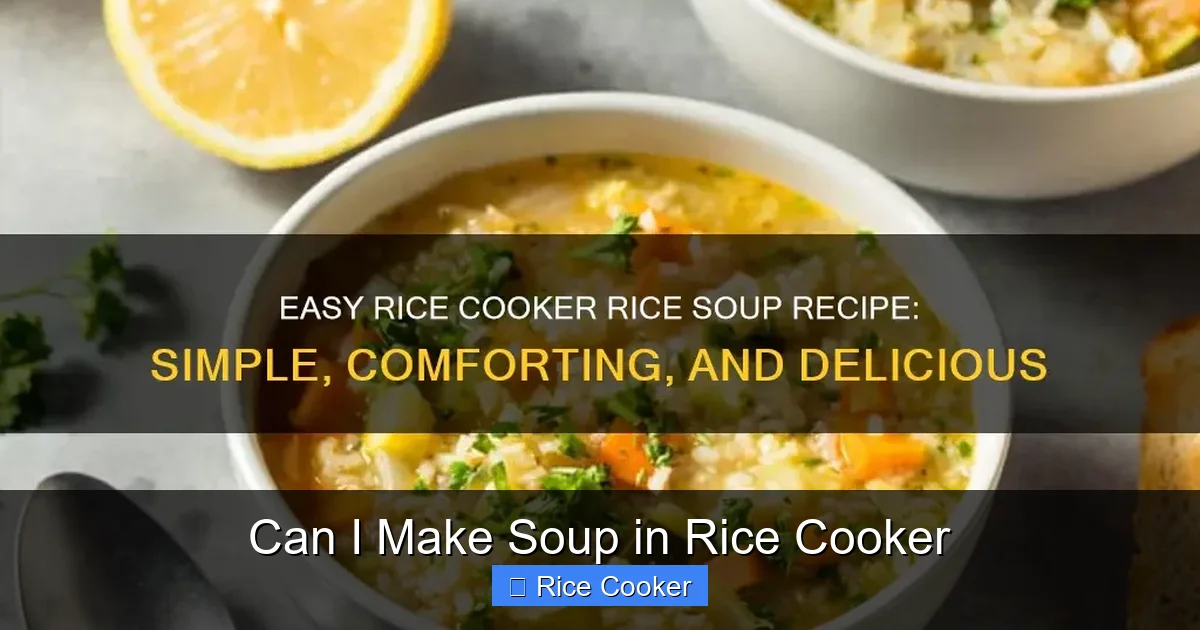
Visual guide about Can I Make Soup in Rice Cooker
Image source: ansoup.com
The Role of the Heating Element
At the heart of every rice cooker is a heating plate (usually made of aluminum or ceramic) that sits directly beneath the inner pot. When powered, this plate transfers heat evenly across the bottom of the pot. For soups, this means steady, low-to-medium heat—perfect for breaking down tough vegetables, tenderizing proteins, and extracting flavor from bones or spices.
Why It’s Ideal for Soups
Soups benefit from prolonged, gentle heat. A rice cooker delivers exactly that. Because there’s no risk of hot spots or sudden boil-overs (thanks to the auto-shutoff feature), you can leave your soup unattended while it simmers. Plus, the sealed environment helps retain aromas and nutrients—something stovetop cooking often struggles with.
Modern rice cookers also come with specialized settings. For example, some models offer a “soup” or “broth” program that adjusts cooking time and temperature specifically for liquid-heavy dishes. If yours doesn’t have this, don’t worry—you can still make great soup using the standard “white rice” or “cook” setting.
What You Can Make: A Beginner’s Guide to Rice Cooker Soups
One of the best things about using a rice cooker for soup is its versatility. You’re not limited to just one type of dish. Here are some popular categories and examples to get you started:
1. Vegetable Broths and Light Soups
Start simple with a clear, flavorful vegetable stock. Chop onions, carrots, celery, garlic, and herbs like thyme or bay leaves. Add them to the rice cooker with enough water or broth (about 6–8 cups). Set it to cook for 4–6 hours. Strain and use as a base for other soups, or enjoy it plain with a drizzle of olive oil and lemon juice.
2. Creamy Soups
Creamy textures don’t require a blender if you plan ahead. Try making a butternut squash soup by roasting the squash first (or skipping roasting for speed), then adding it to the cooker with vegetable broth, coconut milk, and spices. Cook for 2–3 hours until soft, then blend directly in the pot (if your model allows) or transfer to a blender.
3. Protein-Packed Stews
Chicken soup, lentil dal, or beef barley stew all shine in a rice cooker. Sear meat and sauté onions beforehand (optional but recommended for depth of flavor), then add everything to the pot with enough liquid to cover. Cook on high for 2–3 hours or low for 4–6 hours, depending on your schedule.
4. Instant Ramen Upgrade
Tired of instant noodles? Swap ramen packets for fresh ingredients. Add diced tofu, bok choy, mushrooms, and a poached egg to your rice cooker with water and soy sauce. Cook for 15–20 minutes. It’s healthier, tastier, and ready in under 30 minutes.
5. Global Flavors
Experiment with cuisines! Make Moroccan chickpea soup (harira) with tomatoes, cumin, and lemon; Thai coconut curry with kale and tofu; or Italian minestrone with beans, pasta, and zucchini. The rice cooker handles the long simmering times needed for authentic flavors.
Step-by-Step: How to Make Perfect Soup in a Rice Cooker
Making soup in a rice cooker is incredibly straightforward. Follow these general steps for success:
Step 1: Prep Your Ingredients
Chop vegetables into uniform sizes so they cook evenly. If using meat, cut it into bite-sized pieces. Marinate chicken or beef briefly for extra flavor (optional).
Step 2: Add Liquid First
Always start with liquid—usually 4 to 8 cups depending on thickness desired. Too little liquid risks burning; too much may result in weak flavor. As a rule, aim for about 3 parts liquid to 1 part solid ingredients.
Step 3: Layer Ingredients Smartly
Add ingredients in order of cooking time: hard vegetables (like potatoes or carrots) first, then softer ones (like spinach or leafy greens) near the end. Herbs go in halfway through cooking to preserve their aroma.
Step 4: Choose the Right Setting
If your rice cooker has a soup setting, use it. Otherwise, select the “white rice” or “cook” function. Avoid “quick cook” or “pressure cook” unless your model supports those modes—they’re not designed for soups.
Step 5: Let It Simmer
Once the cycle starts, resist the urge to open the lid frequently. Steam builds pressure inside, and opening it too often slows down cooking. Let it run its full course.
Step 6: Finish with Flavor
After cooking, season with salt, pepper, lemon juice, or fresh herbs. Adjust consistency by adding more liquid or blending partially.
Pro Tip:
For richer soups, brown meat or sauté onions in a separate pan before adding them to the rice cooker. This step isn’t mandatory, but it deepens flavor significantly.
Recipe Spotlight: 5 Easy Rice Cooker Soups to Try Today
Ready to put theory into practice? Here are five beginner-friendly recipes that prove can I make soup in a rice cooker—yes, and deliciously so!
1. Classic Chicken Noodle Soup
Ingredients:
– 1 lb boneless chicken thighs
– 1 onion, chopped
– 2 carrots, sliced
– 2 celery stalks, diced
– 8 cups chicken broth
– 1 cup egg noodles
– Salt, pepper, thyme to taste
Instructions:
Add chicken, vegetables, broth, and herbs to the rice cooker. Cook on high for 2 hours. Remove chicken, shred, and return to pot. Add noodles and cook for another 15–20 minutes until tender. Season and serve.
2. Creamy Butternut Squash Soup
Ingredients:
– 1 medium butternut squash, peeled and cubed
– 1 onion, chopped
– 4 cups vegetable broth
– 1 cup coconut milk
– Cinnamon, nutmeg, salt
Instructions:
Combine squash, onion, and broth in the rice cooker. Cook on high for 3 hours until very soft. Stir in coconut milk and spices. Blend until smooth (carefully—hot liquids expand!).
3. Lentil Dal (Indian-Inspired)
Ingredients:
– 1 cup red lentils
– 1 onion, chopped
– 2 tomatoes, diced
– 1 tsp cumin, 1 tsp turmeric, ½ tsp garam masala
– 4 cups water or broth
Instructions:
Rinse lentils, then add all ingredients to the rice cooker. Cook on high for 1 hour. Mash slightly for texture. Serve with rice or naan.
4. Tomato Basil Soup
Ingredients:
– 4 large tomatoes, chopped
– 1 onion, chopped
– 2 cloves garlic
– 3 cups vegetable broth
– Fresh basil, salt, black pepper
Instructions:
Sauté onions and garlic in a bit of oil (optional), then add to rice cooker with tomatoes and broth. Cook on high for 2 hours. Blend and stir in fresh basil before serving.
5. Instant Ramen Upgrade Bowl
Ingredients:
– 1 pack rice noodles (or ramen noodles)
– 1 cup frozen peas
– ½ cup shredded cabbage
– 1 cup water
– Soy sauce, sesame oil, green onions
Instructions:
Place all ingredients except noodles and toppings in the rice cooker. Cook on high for 15 minutes. Add noodles and cook 5 more minutes. Top with green onions and a dash of sesame oil.
Troubleshooting Common Rice Cooker Soup Problems
Even with the best intentions, things can go wrong. Don’t panic—most issues are fixable with a few tweaks.
Problem: Soup is Too Watery
This usually means you used too much liquid or didn’t cook long enough. Next time, reduce liquid by 1 cup and extend cooking time by 30–60 minutes. You can also remove the lid during the last 20 minutes to let excess steam escape and thicken the soup.
Problem: Soup Burns at the Bottom
Burning happens when there’s insufficient liquid or the heating plate sticks. Always start with enough liquid (at least 4 cups), and avoid using the “quick cook” setting. Also, ensure your inner pot is clean—residue from previous meals can cause sticking.
Problem: Ingredients Are Undercooked
Some dense vegetables (like sweet potatoes or bone-in meat) need longer cooking times. Try pre-boiling hard ingredients before adding them to the rice cooker, or double the cooking time.
Problem: Lid Won’t Seal Properly
Check the rubber seal around the lid. If it’s cracked or misaligned, replace it. A poor seal lets steam escape, slowing down cooking and affecting texture.
Problem: Taste Is Bland
Seasoning is key! Add salt early in cooking (it penetrates better), and finish with acid (lemon juice, vinegar) and fresh herbs. Don’t forget umami boosters like soy sauce, nutritional yeast, or tomato paste.
Tips for Maximizing Flavor and Efficiency
Want your rice cooker soups to taste like they came from a professional kitchen? Follow these pro tips:
- Toast Spices: Lightly toast whole spices like cumin or coriander seeds in a dry pan before adding them to the soup. This unlocks deeper, richer flavors.
- Use Bone Broth: Replace water or regular broth with homemade or high-quality bone broth for automatic umami richness.
- Add Fat Wisely: A splash of olive oil, butter, or coconut cream at the end enhances mouthfeel and carries fat-soluble vitamins.
- Layer Flavors: Sauté aromatics first (even if briefly), then add liquids and solids. This builds complexity without needing a stovetop.
- Don’t Overfill: Never exceed ⅔ full capacity. Overfilling can cause overflow during boiling, damaging your appliance.
- Clean Immediately: Rinse the inner pot after use to prevent starch buildup. Wash it with warm, soapy water—most are dishwasher-safe.
Storing and Reheating Rice Cooker Soups
One of the biggest advantages of making soup in a rice cooker is batch cooking. Here’s how to store and reheat safely:
Refrigeration
Let soup cool completely, then transfer to airtight containers. It will keep in the fridge for 3–4 days. Skim off any hardened fat before reheating.
Freezing
Freeze in portion-sized containers or freezer bags for up to 3 months. Thaw overnight in the fridge before reheating. Note: Some soups (like those with dairy or noodles) may lose texture when frozen, so test small batches first.
Reheating
Reheat on the “warm” setting for 30–60 minutes, or microwave in 30-second intervals, stirring between each. Add a splash of broth or water if it’s too thick.
Conclusion: Embrace the Versatility of Your Rice Cooker
So, can I make soup in a rice cooker? Without a doubt—yes. This humble kitchen gadget is far more capable than most people realize. From beginner-friendly broths to gourmet-inspired stews, your rice cooker can handle it all with minimal effort and maximum convenience. No more babysitting pots on the stove, worrying about scorched bottoms or uneven cooking. Just add ingredients, press a button, and let science do the rest.
Whether you’re short on time, trying to eat healthier, or simply looking for creative ways to use leftovers, rice cooker soups offer a smart, sustainable solution. They’re energy-efficient, easy to clean, and perfect for meal prep. Plus, experimenting with global flavors has never been simpler.
Next time you’re wondering what’s for dinner, skip the takeout menu. Head to your pantry, fire up your rice cooker, and whip up a comforting bowl of soup—homemade, nutritious, and full of flavor. Your taste buds (and your wallet) will thank you.
Frequently Asked Questions
Can I make soup in a rice cooker without a special setting?
Yes, absolutely. Most rice cookers work fine for soup using the standard “cook” or “white rice” setting. Just ensure you use enough liquid and allow sufficient cooking time for ingredients to become tender.
How long does it take to make soup in a rice cooker?
It depends on the recipe, but most soups take 1.5 to 3 hours on high heat or 3 to 6 hours on low. Dense meats or root vegetables may need longer, while quick-cooking items like lentils or noodles finish faster.
Do I need to pre-sauté ingredients before adding them to the rice cooker?
Not always, but it enhances flavor. Browning onions, garlic, or meat before adding them creates a deeper, more complex taste. You can also skip this step for quicker meals.
Can I add pasta or noodles directly to the rice cooker soup?
Yes, but add them toward the end of cooking—usually 10–15 minutes before the cycle ends. Pasta can absorb too much liquid and become mushy if cooked too long.
Is it safe to leave soup in the rice cooker on “warm” for hours?
Yes, the “warm” setting keeps food at a safe temperature (around 140°F/60°C) for several hours. However, for best quality, consume or refrigerate soups within 2–3 hours of turning off the cooker.
Can I make soup in a pressure cooker-style rice cooker?
Only if your model has a pressure cooking function. Traditional rice cookers (without pressure settings) aren’t suitable for pressure-based soup recipes. Check your manual to confirm capabilities.