
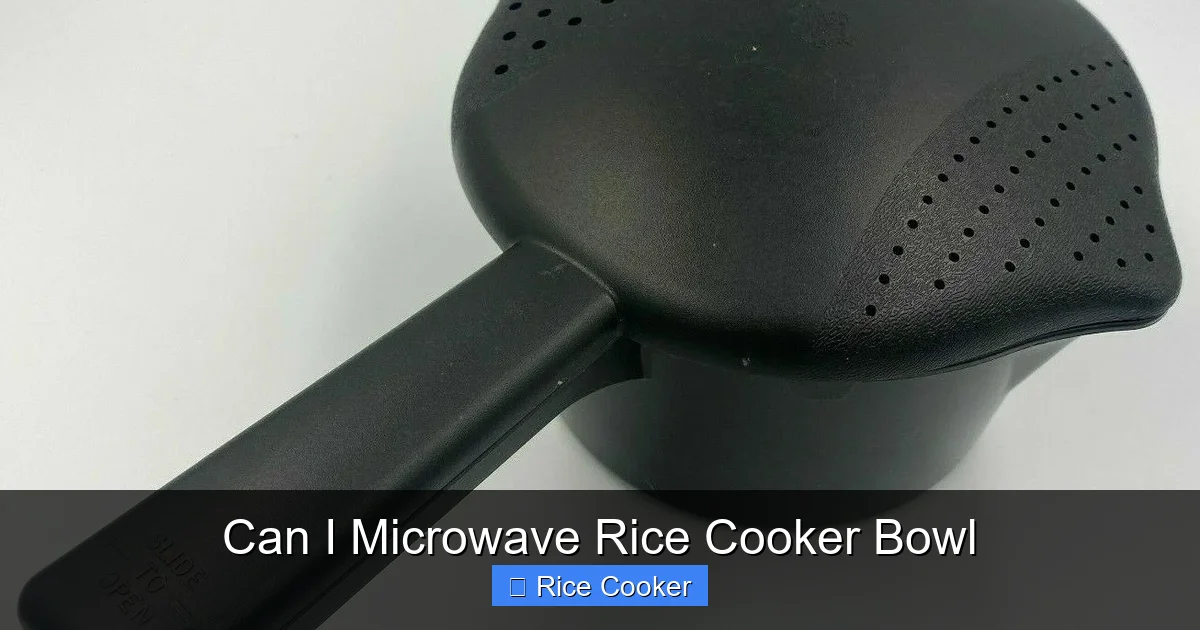
Yes, you can microwave rice cooker bowls—but only if they’re made from safe materials like glass, ceramic, or BPA-free plastic. Most modern rice cooker bowls are designed for stovetop use, but many are also microwave-safe. However, always check the manufacturer’s label or test a small area first. Using the wrong type of bowl in the microwave can cause cracking, melting, or even release harmful chemicals. With proper care and attention, your rice cooker bowl can be a convenient tool for reheating leftovers, cooking grains, or making simple meals on the go.
Key Takeaways
- Material Matters: Only microwave-safe materials like tempered glass, ceramic, or BPA-free plastic should be used. Avoid metal, non-stick coatings, or unknown plastics.
- Check Labels First: Always look for “Microwave Safe” stamps or symbols on the bottom of your rice cooker bowl before heating.
- Prevent Hot Spots: Stir food halfway through microwaving and cover with a lid or vented plastic wrap to ensure even heating.
- Avoid Overheating: Don’t leave the bowl in the microwave longer than necessary—overheating can damage the container or affect food quality.
- Test Before Committing: If unsure about safety, perform a simple water test: fill the bowl with water and heat for 1–2 minutes. If it gets too hot to touch, it may not be safe.
- Clean After Use: Wash with mild soap and warm water. Avoid abrasive scrubbers that might wear down labels or coatings.
📑 Table of Contents
- Can I Microwave Rice Cooker Bowl?
- Understanding Rice Cooker Bowls: Design and Materials
- How to Tell If Your Rice Cooker Bowl Is Microwave Safe
- Safety Risks of Microwaving Non-Safe Rice Cooker Bowls
- Best Practices for Microwaving Rice Cooker Bowls
- Alternatives to Microwaving Rice Cooker Bowls
- Expert Tips for Long-Term Bowl Care
- Conclusion: Play It Safe, Eat With Confidence
Can I Microwave Rice Cooker Bowl?
We’ve all been there—you come home after a long day, open the fridge, and stare at a container of last night’s stir-fry or leftover jasmine rice. The microwave is your best friend in these moments, offering quick, convenient reheating. But what if you only have your trusty rice cooker bowl? That sleek, compact dish that’s perfect for cooking grains but usually reserved for the stovetop? Can you pop it in the microwave without worrying about warping, melting, or worse—sending toxic fumes into your dinner?
The short answer is yes—but with caveats. Whether your rice cooker bowl is safe for the microwave depends entirely on its material, design, and manufacturer specifications. In this comprehensive guide, we’ll walk you through everything you need to know about microwaving rice cooker bowls, including which types are safe, how to test them, and smart tips to keep both your food and kitchenware in top shape.
Understanding Rice Cooker Bowls: Design and Materials
What Is a Rice Cooker Bowl?
A rice cooker bowl is a specialized container designed specifically for use in electric rice cookers. Unlike regular pots or bowls, these are engineered to distribute heat evenly and often feature non-stick interiors for easy cleanup. They come in various sizes—typically ranging from 1 to 5 cups—and are usually made from durable materials that can withstand repeated heating cycles.
Visual guide about Can I Microwave Rice Cooker Bowl
Image source: i.pinimg.com
While their primary function is cooking rice, many people repurpose these bowls for other tasks like steaming vegetables, making oatmeal, or even preparing soups. Their compact size and versatility make them popular among students, small families, and anyone living in compact spaces.
Common Materials Used in Rice Cooker Bowls
Rice cooker bowls are typically constructed from one of several key materials, each with different microwave compatibility:
- Tempered Glass: Heat-resistant and transparent, allowing you to monitor food easily. These are generally microwave-safe if labeled as such.
- Ceramic or Porcelain: Often glazed for durability; most are microwave-safe unless they contain metallic paint or trim.
- Stainless Steel: Rarely used due to poor heat distribution, but some modern models include stainless steel lids. Never microwave stainless steel containers—they reflect microwaves and can cause arcing or fires.
- BPA-Free Plastic: Lightweight and affordable, but plastic degrades over time with heat exposure. Only use if explicitly marked microwave-safe.
- Non-Stick Coated Interior: While great for cooking, non-stick coatings like PTFE (Teflon) can break down at high temperatures and release fumes when overheated.
Why Material Determines Microwave Safety
Microwaves work by exciting water molecules in food, generating heat. Certain materials react unpredictably in this environment. Metal reflects microwaves, creating sparks. Plastics may soften or melt. Even ceramics with lead-based glazes can leach toxins when heated.
This is why understanding your bowl’s composition isn’t just helpful—it’s essential for safety. A rice cooker bowl built for consistent stovetop heat might not handle sudden, concentrated microwave energy well.
How to Tell If Your Rice Cooker Bowl Is Microwave Safe
Check the Manufacturer Label
The most reliable way to determine microwave safety is to consult the original packaging or user manual. Reputable brands like Zojirushi, Tiger, Instant Pot, or Cuckoo clearly state whether their products are microwave-compatible.
Look for phrases like “Microwave Safe,” “Do Not Microwave,” or icons resembling a microwave symbol crossed out. If you’ve lost the manual, search online using your model number—many manufacturers provide digital copies.
Inspect the Bottom of the Bowl
Many bowls feature small text or symbols printed near the base. Common indicators include:
- A wavy line inside a square (universal microwave symbol)
- A circle with an “M” inside
- Text stating “Microwave Oven Safe”
If none of these appear, assume it’s not safe unless proven otherwise.
Perform the Water Test
This simple DIY method helps assess heat resistance:
- Fill the empty rice cooker bowl halfway with cold water.
- Place it in the microwave on high for 1–2 minutes.
- Carefully remove (use oven mitts!) and feel the sides.
If the bowl feels extremely hot or warped, it likely isn’t microwave-safe. If it remains cool or only slightly warm, it may be suitable—but still verify with the manufacturer if possible.
Beware of Misleading Claims
Some brands advertise “all-purpose” bowls implying microwave compatibility, but this isn’t guaranteed. Always double-check rather than assume. When in doubt, transfer food to a dedicated microwave-safe container.
Safety Risks of Microwaving Non-Safe Rice Cooker Bowls
Melting and Warping
Plastic bowls, especially older or low-quality ones, can soften, warp, or even melt when exposed to microwave radiation. This not only ruins the container but also contaminates food with plastic particles.
Release of Harmful Chemicals
Non-stick coatings degrade above certain temperatures (around 260°F/127°C), releasing potentially toxic gases like perfluorooctanoic acid (PFOA). Even “safe” plastics can emit volatile organic compounds (VOCs) when overheated.
Arcing and Fire Hazards
Metal components—such as decorative rims, handles with metal accents, or stainless steel lids—can cause dangerous electrical arcs inside the microwave, risking fire or damaging the appliance.
Uneven Heating and Foodborne Illness
Incompatible containers may absorb microwaves unevenly, leading to cold spots where bacteria survive. This defeats the purpose of safe reheating and poses health risks.
Damage to the Microwave
Repeated use of unsafe containers can create micro-scratches in the interior walls of your microwave, reducing its efficiency and lifespan.
Best Practices for Microwaving Rice Cooker Bowls
Use Only Verified Safe Bowls
If your rice cooker bowl has been confirmed as microwave-safe via label, manual, or water test, proceed confidently. Examples include tempered glass bowls from brands like Pyrex or Anchor Hocking, or ceramic bowls from reputable kitchenware lines.
Cover Your Food Properly
To prevent splatters and promote even heating, cover the bowl with a microwave-safe lid, vented plastic wrap, or a damp paper towel. This traps steam and reduces cooking time.
Stir Midway Through
For foods like rice, pasta, or saucy dishes, pause halfway through microwaving and give everything a good stir. This ensures uniform temperature distribution and avoids super-hot pockets.
Follow Time Guidelines
Start with shorter intervals (e.g., 1 minute) and add time incrementally. Rice and grains typically need 1–2 minutes per cup on high. Overcooking increases the risk of container stress.
Let It Rest
After microwaving, let the bowl sit for 30–60 seconds. Residual heat continues cooking food, and resting prevents burns from sudden temperature drops.
Handle With Care
Always use oven mitts when removing hot containers. Some materials retain heat longer than others—even if the exterior seems cool.
Clean Immediately After Use
Residue buildup can weaken materials over time. Wash with warm, soapy water and avoid scouring pads that might scratch labels or coatings.
Alternatives to Microwaving Rice Cooker Bowls
Transfer to Microwave-Safe Container
If you’re unsure about your bowl’s safety or want peace of mind, simply pour the contents into a certified microwave-safe dish. This eliminates risk entirely and gives you more flexibility in portion control.
Reheat on the Stovetop
For delicate foods like creamy risottos or sauces, gentle stovetop reheating preserves texture better than microwaving. Use low heat and occasional stirring.
Use a Microwave-Safe Lid
Some rice cooker bowls come with lids designed for stovetop use. Check if replacement lids exist that are microwave-compatible. Brands like Hamilton Beach or Black+Decker sometimes offer matching sets.
Invest in a Dedicated Microwave Container
Consider purchasing a set of microwave-safe glass or ceramic bowls specifically labeled for oven-to-microwave use. These are often more affordable than replacing entire rice cookers and offer broader utility.
Repurpose for Other Kitchen Tasks
If microwaving isn’t an option, use your rice cooker bowl for:
- Overnight oats or yogurt parfaits (refrigerate instead of heat)
- Measuring dry ingredients
- Serving snacks or dips
- Storing leftovers in the fridge (just don’t microwave without verification)
Expert Tips for Long-Term Bowl Care
Store Dry and Clean
Moisture trapped in crevices can promote mold or bacterial growth. Always air-dry completely before storing.
Avoid Sudden Temperature Changes
Never move a hot bowl directly into cold water or freezer. Thermal shock can crack glass or warp plastic.
Inspect Regularly
Check for chips, cracks, discoloration, or peeling labels. Damaged containers should be retired immediately—even if they previously seemed fine.
Don’t Stack Heavy Items On Top
If storing with other dishes, place a cloth between bowls to prevent scratching.
Read Reviews Before Buying New Bowls
When shopping for replacements or additional bowls, prioritize customer feedback about microwave compatibility. Sites like Amazon, Walmart, or Target often include verified purchase reviews highlighting real-world performance.
Conclusion: Play It Safe, Eat With Confidence
So, can you microwave a rice cooker bowl? The answer hinges on knowledge—not guesswork. With the right information, you can confidently use your bowl for reheating, cooking, and beyond. Always verify material safety first, follow best practices during use, and never compromise on cleanliness or condition.
Remember, your rice cooker bowl is a valuable kitchen asset. Treat it with care, respect its limitations, and it will serve you well for years. And when in doubt? Transfer the food. Better safe than sorry—especially when it comes to your health and appliances.
By following these guidelines, you’ll maximize convenience without sacrificing safety. Happy cooking—and happy microwaving!
Frequently Asked Questions
Can all rice cooker bowls go in the microwave?
No, not all rice cooker bowls are microwave-safe. Only those made from approved materials like tempered glass, ceramic, or BPA-free plastic—and only if explicitly labeled as such by the manufacturer.
What happens if I microwave a non-safe rice cooker bowl?
You risk melting, warping, chemical leaching, or even fire hazards. Non-stick coatings may release toxins, while metal parts can spark. Always verify safety before microwaving.
How can I test if my rice cooker bowl is microwave-safe?
Fill it with cold water and microwave for 1–2 minutes. If the bowl becomes excessively hot or deformed, it’s likely not safe. Also check for “Microwave Safe” labels or consult the manual.
Are glass rice cooker bowls always microwave-safe?
Tempered glass bowls are generally safe, but confirm with the manufacturer. Some may have metal rims or bases that aren’t microwave-compatible.
Can I microwave rice cooker bowls with lids?
Only if both the bowl and lid are labeled microwave-safe. Otherwise, remove the lid and cover loosely with vented plastic wrap or a microwave-safe plate.
Is it okay to reheat soup in a rice cooker bowl in the microwave?
Only if the bowl is confirmed microwave-safe. Cover to prevent splatter, stir halfway, and avoid overheating. For best results, transfer to a dedicated microwave-safe container.