
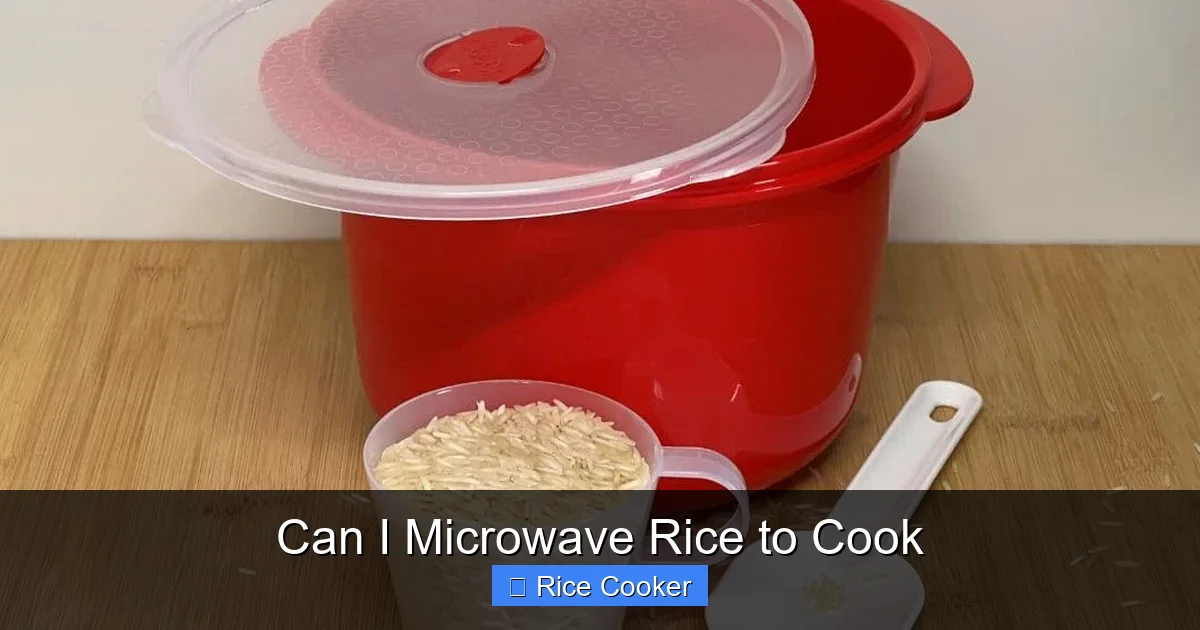
Can I microwave rice to cook? Absolutely — microwaving is a fast, energy-efficient way to prepare rice, especially for small batches or leftover grains. With the right technique, you can achieve fluffy, evenly cooked results without a rice cooker. Whether you’re using white, brown, or instant rice, this method saves time while keeping nutrients intact.
Key Takeaways
- Microwaving works for most rice types: White, brown, jasmine, basmati, and instant rice can all be safely cooked in the microwave with proper ratios and timing.
- Use the right container: Choose a microwave-safe bowl with a lid or vented cover to trap steam and ensure even cooking.
- Water-to-rice ratio matters: A general rule is 1:1.5 (rice to water), but adjust based on grain type — e.g., use slightly more water for brown rice.
- Let it rest after cooking: Allowing the rice to sit covered for 3–5 minutes helps absorb excess moisture and improves texture.
- Safety first: Stir halfway through cooking and check doneness with a fork to avoid overcooking or cold spots.
- It’s great for leftovers: Reheating leftover rice in the microwave is faster than stovetop methods and helps preserve flavor.
- Energy efficient: Microwaving uses less electricity than boiling or steaming, making it ideal for small meals or dorm cooking.
📑 Table of Contents
- Can I Microwave Rice to Cook? The Fast, Flavorful Answer
- Why Choose the Microwave for Cooking Rice?
- Types of Rice You Can Microwave
- Step-by-Step Guide: How to Microwave Rice Perfectly
- Common Mistakes and How to Avoid Them
- Reheating Leftover Rice: Microwave Edition
- Microwave vs. Other Cooking Methods: A Quick Comparison
- Pro Tips for Perfect Microwaved Rice Every Time
- Conclusion: Yes, You Can — and Should — Microwave Rice
Can I Microwave Rice to Cook? The Fast, Flavorful Answer
You’re standing in the kitchen, hungry, and just realized your rice cooker is broken. Or maybe you’re a student living off instant noodles and want something a little more satisfying. The question pops into your head: Can I microwave rice to cook? The short answer is yes — absolutely. In fact, microwaving rice has become one of the most convenient ways to prepare it, especially when you’re short on time or equipment. It’s quick, energy-efficient, and surprisingly effective when done right.
Unlike boiling or steaming, which require constant attention and larger amounts of water, microwaving lets you set it and forget it — as long as you follow the basics. From white rice to brown rice, instant varieties to leftover grains, the microwave can handle them all. And the best part? You don’t need fancy gadgets. Just a microwave-safe bowl, some water, and a few minutes of your time.
In this guide, we’ll walk you through everything you need to know about cooking rice in the microwave. We’ll cover different rice types, step-by-step instructions, pro tips, safety reminders, and even how to reheat leftovers like a pro. So whether you’re a busy parent, a college student, or just someone who loves quick meals, this is your ultimate cheat sheet for microwaving rice perfectly every time.
Why Choose the Microwave for Cooking Rice?
If you’ve ever wondered whether you can microwave rice to cook, you’re not alone. Many people rely on stovetops or rice cookers, but the microwave offers several advantages that make it worth considering. Let’s break down why this method is gaining popularity — especially in small kitchens or dorm rooms where space and appliances are limited.
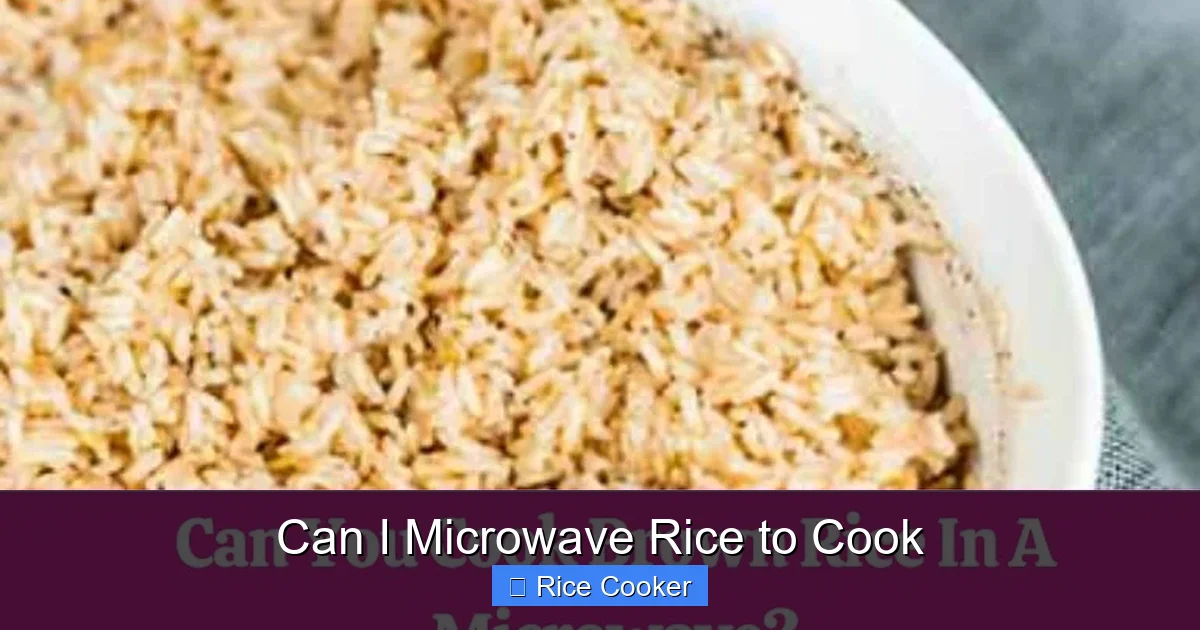
Visual guide about Can I Microwave Rice to Cook
Image source: mymicrowaveguide.com
Speed and Convenience
One of the biggest perks of microwaving rice is speed. While traditional stovetop cooking can take 20–40 minutes depending on the grain, microwave cooking usually takes just 8–12 minutes. That’s a game-changer if you’re making dinner for one or need a side dish in a hurry. Plus, there’s no stirring required after the initial mix — just set the timer and let the magic happen.
Energy Efficiency
Microwaves use significantly less energy than stovetops. According to the U.S. Department of Energy, microwaving food consumes up to 80% less energy than conventional ovens or burners. This means lower utility bills and a smaller carbon footprint — perfect for eco-conscious cooks.
Minimal Cleanup
With only one bowl to wash, cleanup is a breeze. No pots, strainers, or soaking pans needed. Just rinse your bowl and you’re done. That makes it ideal for quick meals or when you’re too tired to do dishes.
Great for Small Batches
Unlike stovetop methods that work best with large quantities, microwaving shines with small portions. Need two servings of jasmine rice? No problem. Want to cook just enough quinoa for lunch tomorrow? Easy. This precision is especially helpful for meal preppers or single households.
Preserves Nutrients
Cooking rice in the microwave uses less water than boiling, which helps retain more of its natural vitamins and minerals. Since many B-vitamins and fiber are water-soluble, minimizing water exposure keeps the rice healthier overall.
Types of Rice You Can Microwave
So, can I microwave rice to cook? Yes — but not all rice is created equal. Different grains have unique textures, cooking times, and water requirements. Let’s explore which types work best in the microwave and why.
White Rice
White rice is the most commonly microwaved type due to its fast cooking time and soft texture. Varieties like long-grain white rice (think basmati or jasmine) and short-grain white rice (like sushi rice) both respond well to microwave cooking. Because the starch content is higher, white rice tends to absorb water quickly and becomes tender in under 10 minutes.
Brown Rice
Brown rice takes longer to cook than white rice because of its bran layer, which slows down water absorption. However, it’s still very possible to microwave brown rice successfully. Use a slightly higher water ratio (about 1:1.75) and increase cooking time to 12–15 minutes. Patience pays off — the result is a nuttier, chewier grain that’s packed with fiber.
Instant Rice
This is the easiest option. Instant rice packets (like those from Minute Rice) are pre-cooked, dried, and designed for quick rehydration. All you need to do is add hot water and wait 5 minutes. But if you’re starting with raw grains, instant doesn’t apply here — unless you’re using instant rice mixes.
Wild Rice
Wild rice is technically a seed, not a grain, and requires extra time and water. To microwave wild rice, use 1 cup of rice with 3 cups of water and cook for 20–25 minutes. It expands significantly during cooking, so don’t skimp on space in your bowl.
Other Varieties: Basmati, Jasmine, Arborio
These aromatic and sticky grains can all be microwaved. Basmati and jasmine rice benefit from a 1:1.5 water ratio and 10–12 minutes of cooking. Arborio, used in risotto, needs more liquid (1:2 ratio) and longer time (15+ minutes) to achieve that creamy texture — though true risotto still benefits from constant stirring on the stovetop.
Step-by-Step Guide: How to Microwave Rice Perfectly
Now that you know can I microwave rice to cook, let’s get practical. Follow these simple steps to turn raw grains into fluffy, delicious rice every time.
Gather Your Ingredients and Tools
Before you start, make sure you have:
- 1 cup of uncooked rice (adjust for serving size)
- Appropriate amount of water (see chart below)
- A microwave-safe bowl (glass or ceramic)
- A tight-fitting lid or microwave-safe plate to cover the bowl
- Optional: a fork or spoon for stirring
Measure Water Correctly
The water-to-rice ratio is critical. Here’s a quick reference:
- White rice: 1 cup rice + 1.5 cups water
- Brown rice: 1 cup rice + 1.75–2 cups water
- Wild rice: 1 cup rice + 3 cups water
- Instant or pre-cooked rice: Follow package instructions (usually just hot water)
Add Rice and Water to the Bowl
Combine rice and water in your microwave-safe bowl. Stir once to distribute evenly. Cover the bowl with a lid or microwave-safe plate — this traps steam and ensures even heat distribution.
Cook in the Microwave
Microwave on high power for the recommended time:
- White rice: 8–10 minutes
- Brown rice: 12–15 minutes
- Wild rice: 20–25 minutes
After half the cooking time, carefully remove the bowl (it will be hot!) and give the rice a stir. This helps prevent clumping and ensures uniform texture.
Let It Rest
Once the timer goes off, leave the rice covered and let it sit for 3–5 minutes. This allows residual heat to finish cooking the center and lets excess moisture evaporate. Fluff with a fork before serving.
Check for Doneness
Press a grain between your fingers. It should be tender with no hard center. If still crunchy, microwave in 1-minute increments until done.
Common Mistakes and How to Avoid Them
Even experienced cooks make mistakes when microwaving rice. Here are the most common pitfalls and how to fix them.
Mistake #1: Using Too Little Water
Undercooking happens when you don’t add enough water. This leaves your rice dry and chalky. Always double-check your ratio, especially for denser grains like brown rice.
Mistake #2: Not Covering the Bowl
Without a lid, steam escapes, leading to uneven cooking and potential burns when you stir. Always cover to create a sealed environment.
Mistake #3: Stirring Too Much
Stirring at the end is fine, but avoid doing it too often. Over-stirring breaks apart the grains and affects texture.
Mistake #4: Using the Wrong Container
Plastic containers can warp or leach chemicals when heated. Stick to glass, ceramic, or microwave-safe plastic.
Mistake #5: Ignoring the Resting Time
Rushing the resting phase means you miss out on better texture. Patience = better rice.
Mistake #6: Overfilling the Bowl
Too much rice increases cooking time and risks overflow when steam builds. Cook no more than 2–3 cups at once.
Reheating Leftover Rice: Microwave Edition
Can I microwave rice to cook? Yes — but what about reheating it? Reheating leftover rice in the microwave is not only safe (if stored properly) but also quick and effective. Here’s how to do it right.
Store Properly First
Always cool rice within 1 hour of cooking and refrigerate within 2 hours. Store in an airtight container. Never leave rice at room temperature for more than 2 hours to avoid bacterial growth.
Reheat with Moisture
Leftover rice dries out fast. To prevent this, add a tablespoon of water or broth to the rice before reheating. Cover and microwave in 30-second bursts, fluffing between each, until warm throughout.
Flavor Boosting Tips
Add a splash of soy sauce, butter, or herbs while reheating to revive flavor. For fried rice, toss in scrambled eggs and vegetables before microwaving.
Microwave vs. Other Cooking Methods: A Quick Comparison
While microwaving is great, how does it stack up against stovetop, rice cooker, or oven methods?
Microwave vs. Stovetop
Pros of microwave: Faster, less water, fewer dishes, energy-efficient.
Cons: Less control over texture, harder to scale up, occasional unevenness.
Microwave vs. Rice Cooker
Pros of rice cooker: Consistent results, automatic shut-off, better for large batches.
Cons: Requires appliance, slower startup, more cleanup.
Best Use Case:
Use the microwave for small portions, quick meals, or when your rice cooker is broken. Save the rice cooker for family dinners or when you want foolproof results.
Pro Tips for Perfect Microwaved Rice Every Time
Want to level up your rice game? Try these expert tips.
- Soak brown rice for 20 minutes before cooking to reduce cooking time and improve texture.
- Add a pinch of salt or a teaspoon of oil to enhance flavor and prevent sticking.
- Use a thermometer to check internal temperature — rice should reach 212°F (100°C).
- Ventilate your microwave by opening the door slightly if steam builds up too quickly.
- Experiment with broths instead of water for deeper flavor — chicken, vegetable, or coconut milk all work.
Conclusion: Yes, You Can — and Should — Microwave Rice
So, can I microwave rice to cook? The answer is a confident yes. Whether you’re dealing with a broken appliance, cooking for one, or just want a fast side dish, the microwave delivers reliable, tasty results. It’s not just a backup plan — it’s a legitimate, efficient cooking method backed by science and real-life convenience.
From white to brown rice, from quick meals to meal prep, microwaving gives you flexibility without sacrificing quality. With the right water ratio, proper covering, and a little patience, you’ll never look back. And the best part? You don’t need a rice cooker at all — just a microwave, a bowl, and a few minutes.
Next time hunger strikes and your rice cooker’s on the fritz, remember: you’ve got this. Grab your grains, add some water, pop it in the microwave, and enjoy perfectly cooked rice in under 15 minutes. It’s that simple — and that powerful.
Frequently Asked Questions
Can I microwave rice in a plastic container?
Only if it’s labeled microwave-safe. Regular plastic can warp or release harmful chemicals when heated. Use glass, ceramic, or certified microwave-safe containers instead.
How much water do I need for 1 cup of rice in the microwave?
For white rice, use 1.5 cups of water. For brown rice, use 1.75–2 cups. Adjust based on desired consistency and grain type.
How long does it take to cook rice in the microwave?
White rice takes 8–10 minutes, brown rice 12–15 minutes, and wild rice 20–25 minutes. Always check for doneness and add time in 1-minute increments if needed.
Is it safe to reheat leftover rice in the microwave?
Yes, as long as the rice was cooled and stored properly within 2 hours of cooking. Add moisture and reheat in short bursts to avoid drying out.
Why is my microwaved rice mushy?
Most likely due to too much water or overcooking. Use the correct water ratio and avoid microwaving longer than recommended. Letting it rest helps balance the texture.
Can I cook different types of rice together in the microwave?
Not recommended. Different grains have varying cooking times and water needs. Cook them separately for best results.