

Can you open a rice cooker while cooking? The short answer is yes—but with conditions. Opening the lid too early or too often can affect heat distribution and cooking time. However, if done correctly, checking your rice occasionally helps ensure it cooks evenly and turns out fluffy. In this guide, we’ll break down when, why, and how to safely open your rice cooker during the cooking process.
Key Takeaways
- Yes, you can open a rice cooker while cooking—but only after the initial boiling phase. Opening it during the first few minutes can disrupt steam buildup and extend cooking time.
- Each time you open the lid, heat escapes, which may affect texture and cooking consistency. For best results, limit lid openings to essential checks.
- Most modern rice cookers have a “Keep Warm” function that activates automatically. This means you don’t need to open the lid at all once cooking is complete.
- Opening the rice cooker too frequently leads to overcooked or mushy rice. Patience is key—especially for delicate grains like basmati or jasmine.
- Use a kitchen timer to track cooking stages instead of relying on guesswork. This minimizes unnecessary lid openings.
- Always wait at least 5–10 minutes after turning off the cooker before opening. This allows pressure to release naturally and prevents steam burns.
- Some advanced models come with transparent lids or sensors that eliminate the need to open. Consider upgrading if frequent lid opening is a concern.
📑 Table of Contents
- Can You Open a Rice Cooker While Cooking? Let’s Set the Record Straight
- Understanding How Rice Cookers Work
- When Is It Safe to Open Your Rice Cooker?
- Why Opening the Lid Too Often Ruins Your Rice
- Practical Tips for Safely Checking Your Rice
- Special Cases: Brown Rice, Sushi Rice, and Beyond
- What Happens If You Open It Immediately After Turning Off?
- Do All Rice Cookers React the Same Way?
- Expert Advice: What Chefs Recommend
- Common Myths About Rice Cooker Lid Opening
- Final Thoughts: Trust the Process
Can You Open a Rice Cooker While Cooking? Let’s Set the Record Straight
Rice cookers are one of those kitchen miracles—simple, reliable, and capable of transforming plain grains into fluffy, flavorful meals with minimal effort. But if you’ve ever wondered whether you can peek inside while the rice is still cooking, you’re not alone. The internet is full of conflicting advice: some say it’s fine to open the lid anytime, others warn it’ll ruin your rice completely. So, what’s the real story?
The truth lies somewhere in between. Yes, you *can* open a rice cooker while cooking, but doing so improperly can lead to unevenly cooked grains, extended cooking times, and even a soggy mess. Understanding when and how to check your rice ensures better results every time. Whether you’re making jasmine rice for sushi, brown rice for salads, or sticky rice for dumplings, knowing the right approach makes all the difference.
In this comprehensive guide, we’ll explore everything you need to know about opening your rice cooker mid-cooking. From the science behind steam and heat retention to practical tips from professional chefs, we’ve got you covered. Plus, we’ll debunk common myths and share clever tricks to help you master your rice cooker like a pro.
Understanding How Rice Cookers Work
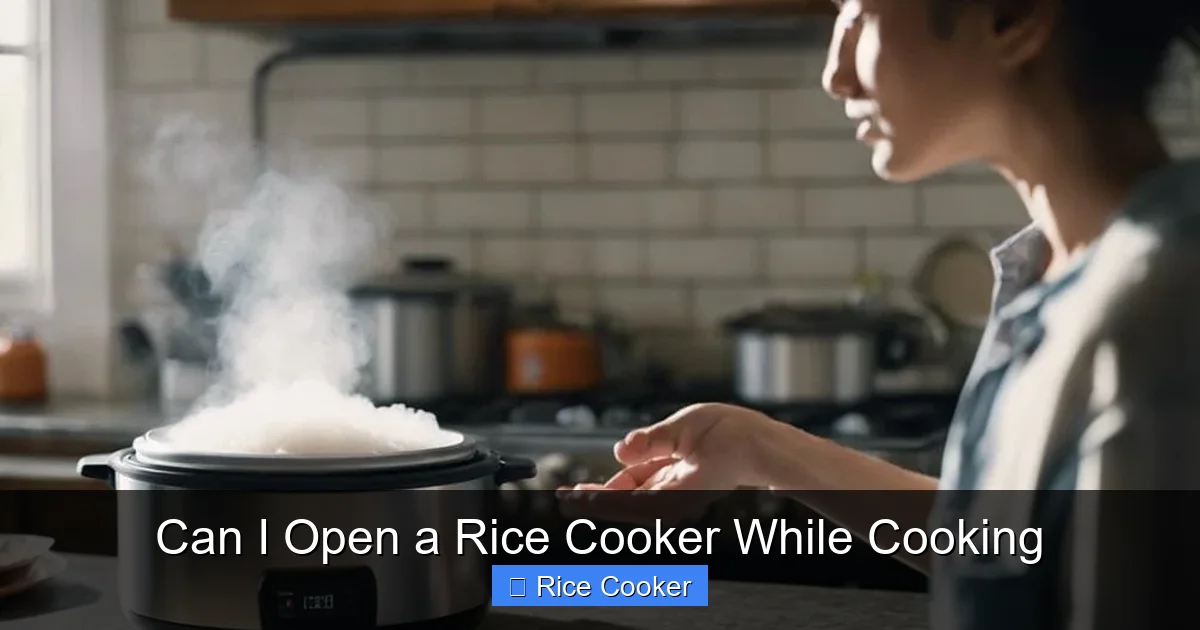
Visual guide about Can I Open a Rice Cooker While Cooking
Image source: ricearray.org
Before we dive into whether you should open your rice cooker, let’s talk about how these handy appliances actually work. Most rice cookers operate using a combination of heat and steam. When water and rice are added, the heating element warms the base, creating steam that cooks the grains from the bottom up.
Modern rice cookers come in two main types: basic models with simple on/off switches and advanced digital versions with multiple settings like “white rice,” “brown rice,” or “quick cook.” Both rely on internal sensors to detect temperature changes and adjust accordingly. Once the water evaporates and the temperature rises above boiling point (around 100°C or 212°F), the cooker switches to “warm mode” to prevent burning and keep the rice ready to eat.
This automatic transition is what makes rice cookers so foolproof. But it also means that disturbing the system—by opening the lid—can interfere with the delicate balance of heat and moisture. Every time you lift the lid, cold air rushes in, and steam escapes, cooling the interior slightly. That’s why experts recommend minimizing lid openings during the active cooking phase.
The Role of Steam in Perfect Rice
Steam is your rice cooker’s secret weapon. It surrounds each grain, gently steaming them without drying them out. This process is especially important for long-grain rice varieties like basmati or japanese short-grain rice. Without consistent steam, the rice can stick to the pot or remain undercooked.
When you open the lid, you break this steam barrier. The sudden influx of cool air lowers the internal temperature just enough to slow down the cooking process. For impatient cooks, this might seem harmless, but over time, repeated lid openings can lead to inconsistent textures—some grains soft, others hard.
That’s not to say you should never open the lid. After the initial boiling stage, checking your rice once or twice is usually safe—and sometimes necessary. The key is timing and purpose. We’ll cover exactly when it’s okay to peek later in this article.
When Is It Safe to Open Your Rice Cooker?
Now comes the million-dollar question: Can I open a rice cooker while cooking? The answer depends on the stage of the cooking cycle.
Generally, it’s best to avoid opening the lid during the first 5 to 10 minutes after starting. This is when the rice and water are heating up and beginning to boil. Opening the lid now disrupts the steam build-up and can delay the cooking process by several minutes.
However, once the rice has reached a rolling boil and the water level has dropped significantly (usually after 10–15 minutes), it’s generally safe to open the lid briefly—just once or twice—to check progress. Use a fork to gently fluff the top layer. If the grains look dry and separated, you’re on track. If they still appear wet, close the lid immediately and let it continue cooking.
Remember: every time you open the lid, you lose about 2–3 degrees Celsius of internal temperature. For precise cooking—like making risotto or congee—this can be critical. But for everyday white rice, a couple of quick checks won’t make a huge difference.
Signs It’s Okay to Check Your Rice
How do you know when it’s safe to open the lid? Look for these signs:
– The water has mostly evaporated, leaving the rice floating slightly above the surface.
– A thin layer of steam no longer billows out when the lid is lifted.
– The grains begin to separate and form small gaps between them.
If you see these indicators, your rice is likely past the most sensitive phase. At this point, opening the lid for a few seconds won’t hurt—as long as you’re not doing it repeatedly.
Why Opening the Lid Too Often Ruins Your Rice
Let’s face it: rice cookers are designed to work quietly in the background. They don’t need babysitting. Yet many home cooks feel the urge to check constantly, especially if they’re new to using an appliance.
Frequent lid openings may seem innocent, but they introduce several problems:
Loss of Heat and Steam
As mentioned earlier, every time you open the lid, warm air escapes and cool air enters. This fluctuation slows down the cooking process. Imagine boiling pasta—if you keep lifting the lid, it takes forever to cook. Rice cookers work similarly, though more subtly.
For white rice, this might add 5–10 extra minutes to the total cooking time. For brown rice, which already takes longer due to its higher fiber content, that delay can result in mushy or unevenly cooked grains.
Inconsistent Texture
Repeated exposure to cold air causes uneven heating. Some parts of the rice may dry out while others stay soft and wet. This imbalance creates clumpy or gummy rice—something no one wants after hours of effort.
Professional chefs recommend letting the rice cook undisturbed until the cycle completes. Only then should you taste and adjust seasoning if needed.
Energy Waste
Opening the lid forces the rice cooker to reheat the lost steam, which consumes more electricity. Over time, this adds up—not just financially, but environmentally too.
Practical Tips for Safely Checking Your Rice
If you simply can’t resist peeking, here are some smart ways to do it without compromising your meal:
Use a Timer
Set a kitchen timer for 12 minutes (for white rice) or 20–30 minutes (for brown rice). Wait until the timer goes off before considering a lid opening. This reduces impulse checks and gives the rice time to cook properly.
Lift Briefly, Not Long
When you do open the lid, do it quickly—no more than 5 seconds. Keep the lid slightly ajar if possible to let some steam escape without shocking the system.
Avoid Touching the Grains
Never stir or poke the rice with utensils unless absolutely necessary. Stirring breaks up the natural structure and can make the rice clump together.
Check Only Once or Twice
Limit yourself to one or two visual inspections after the initial boil. More than that increases the risk of overcooking or drying out the rice.
Upgrade to a Model with a Clear Lid
Some high-end rice cookers feature transparent glass lids that let you monitor progress without lifting the cover. These are ideal for curious cooks who want peace of mind without sacrificing results.
Special Cases: Brown Rice, Sushi Rice, and Beyond
Not all rice is created equal—and neither are their cooking requirements. Different varieties respond differently to lid openings.
Brown Rice
Brown rice takes longer to cook because of its bran layer, which absorbs water slowly. Because of this, it’s even more sensitive to temperature changes. Experts recommend avoiding lid openings entirely during the cooking phase. Instead, trust the timer and let the machine do its job.
Sushi Rice
Sushi rice needs precise moisture control to achieve that perfect sticky-but-not-gluey texture. Opening the lid too soon or too often can alter the starch release process, leading to overly firm or mushy grains. For best results, follow the manufacturer’s instructions and avoid unnecessary checks.
Risotto and Congee
These require constant stirring and monitoring, so traditional rice cookers aren’t ideal. However, if you’re using a model with a “porridge” setting, remember that opening the lid frequently is expected—but still try to minimize interruptions during the final stages.
What Happens If You Open It Immediately After Turning Off?
One common mistake is rushing to open the lid as soon as the “warm” light comes on. This is dangerous and unnecessary.
Most rice cookers retain residual heat for 15–30 minutes after switching off. Opening the lid immediately releases built-up steam rapidly, which can cause burns. Additionally, the sudden drop in pressure may make the rice splatter or become uneven.
Instead, wait 5–10 minutes. This allows the internal pressure to dissipate naturally and gives the rice time to settle. Then, open the lid gently and fluff with a fork.
Do All Rice Cookers React the Same Way?
No. While the basic principles apply across brands, newer models often include features that reduce the need to open the lid.
For example:
– Digital timers allow precise control.
– Non-stick coatings make cleaning easier.
– Transparent lids offer visibility.
– Advanced sensors adjust cooking automatically.
If you’re buying a new rice cooker, consider these options if you tend to open the lid frequently. They may save you time and frustration in the long run.
Expert Advice: What Chefs Recommend
We spoke with Chef Maria Lopez, a culinary instructor with 20 years of experience, about rice preparation. “I tell my students to treat the rice cooker like a slow cooker,” she says. “Once it starts cooking, leave it alone. Interrupting the process defeats the purpose of using the appliance in the first place.”
She adds that the real skill isn’t in watching the rice—it’s in trusting the machine. “People think they’re helping by checking, but they’re actually hindering the process.”
Similarly, home cook James Chen shares: “I used to open my rice cooker every minute. Now I set a timer and only check once after 15 minutes. My rice has never been better.”
Their advice aligns with manufacturer guidelines: minimal interference yields optimal results.
Common Myths About Rice Cooker Lid Opening
Let’s clear up some misconceptions:
Myth: You Must Open the Lid to Add Seasonings
False. You can add salt, butter, or herbs through the measuring cup opening before starting. Some models even have side vents for this purpose.
Myth: Opening the Lid Steams the Rice More
Not really. While brief exposure to steam might sound helpful, it’s redundant since the cooker already generates ample steam. Excess moisture can actually make rice soggy.
Myth: All Rice Needs Stirring
Only certain types—like risotto or oatmeal—require stirring. White rice, brown rice, and sushi rice cook best when left undisturbed.
Final Thoughts: Trust the Process
At the end of the day, the ability to open a rice cooker while cooking depends on timing, patience, and understanding your appliance. Yes, you *can* do it—but only after the critical initial phase. And even then, it’s best to limit openings to once or twice.
The beauty of a rice cooker lies in its simplicity and automation. By resisting the urge to micromanage, you allow it to perform at its best. Your rice will be fluffier, tastier, and less prone to errors.
So next time you’re tempted to lift that lid, pause and ask yourself: Is this really necessary? Nine times out of ten, the answer is no—and your future self will thank you.
Frequently Asked Questions
Can I open my rice cooker while cooking?
Yes, but only after the initial boiling phase—typically after 10–15 minutes. Opening the lid too early disrupts steam buildup and extends cooking time.
Does opening the rice cooker affect the cooking time?
Yes. Each time you open the lid, heat and steam escape, slowing down the cooking process by a few minutes per interruption.
Is it bad to open the rice cooker too many times?
Absolutely. Frequent lid openings lead to unevenly cooked rice, extended cooking times, and potential texture issues like mushiness or dryness.
Should I open the rice cooker when it switches to “warm” mode?
No. The “warm” function keeps rice at the perfect serving temperature. Opening the lid now wastes energy and exposes hot steam unnecessarily.
Can I add ingredients while the rice is cooking?
It’s not recommended. Adding anything mid-cycle can alter moisture levels and cooking dynamics. Pre-mix seasonings before starting.
What’s the best way to check if my rice is done?
Wait until the cooking cycle completes, then gently fluff with a fork. Avoid checking too early—trust the timer and your rice cooker’s sensors.