
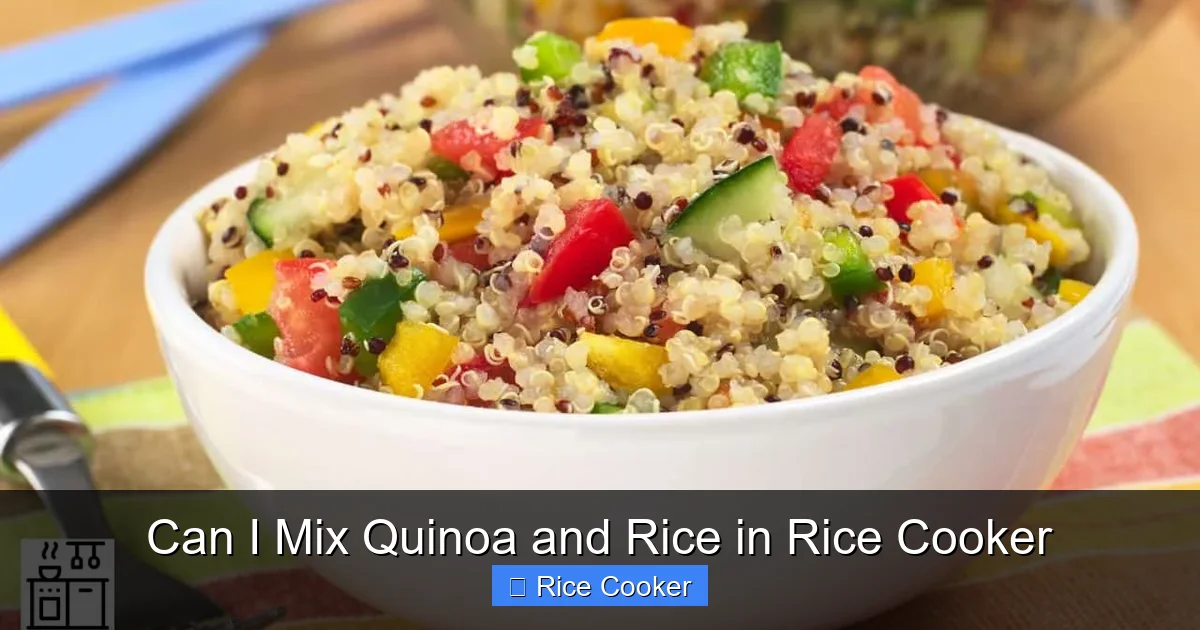
Yes, you can absolutely mix quinoa and rice in your rice cooker—it’s a simple way to boost nutrition and flavor without extra effort. While the cooking times and water ratios differ slightly, with a few adjustments, both grains cook beautifully together. This combo gives you a protein-rich, fluffy grain bowl that’s perfect for meals or side dishes.
Key Takeaways
- Compatibility: Quinoa and rice can be cooked together in most standard rice cookers, though cooking times may vary.
- Water Ratios Matter: Use about 1.5 cups of water per cup of quinoa and 1.75–2 cups per cup of rice, adjusting based on grain type.
- Rinsing is Essential: Always rinse quinoa well to remove saponins, which can give it a bitter taste.
- Cooking Time Adjustment: Rice typically cooks faster than quinoa; start checking at the shorter end of the recommended time.
- Flavor & Texture Blend: The result is a nuttier, protein-packed dish with a soft yet chewy texture—great for salads or bowls.
- Tip: Add Flavor: Toss in herbs, garlic, or broth for extra depth when cooking mixed grains.
📑 Table of Contents
- Can I Mix Quinoa and Rice in Rice Cooker?
- Understanding Quinoa vs. Rice: Key Differences
- How to Safely Mix Quinoa and Rice in Your Rice Cooker
- Troubleshooting Common Issues
- Best Rice Cooker Types for Mixed Grains
- Creative Ways to Use Mixed Quinoa and Rice
- Tips for Perfect Results Every Time
- Conclusion
Can I Mix Quinoa and Rice in Rice Cooker?
Have you ever stood in your kitchen, staring at your pantry full of grains, wondering how to make something both nutritious and delicious without spending hours cooking? If so, you’re not alone. Many home cooks are looking for ways to simplify meal prep while still serving up wholesome, satisfying dishes. One popular question that keeps popping up is: can I mix quinoa and rice in a rice cooker?
The answer is a resounding yes—but with a few important caveats. Quinoa and rice aren’t identical grains, but they can work beautifully together in the right conditions. In this guide, we’ll walk through everything you need to know: from understanding how each grain behaves in a rice cooker to mixing them safely and deliciously. Whether you’re meal-prepping lunches, making a hearty dinner, or just want to try something new, combining quinoa and rice is a smart, tasty choice.
Understanding Quinoa vs. Rice: Key Differences
Before we dive into mixing, let’s talk about what makes these two grains different. Understanding their unique properties helps explain why some adjustments are necessary—and why they can actually complement each other so well.
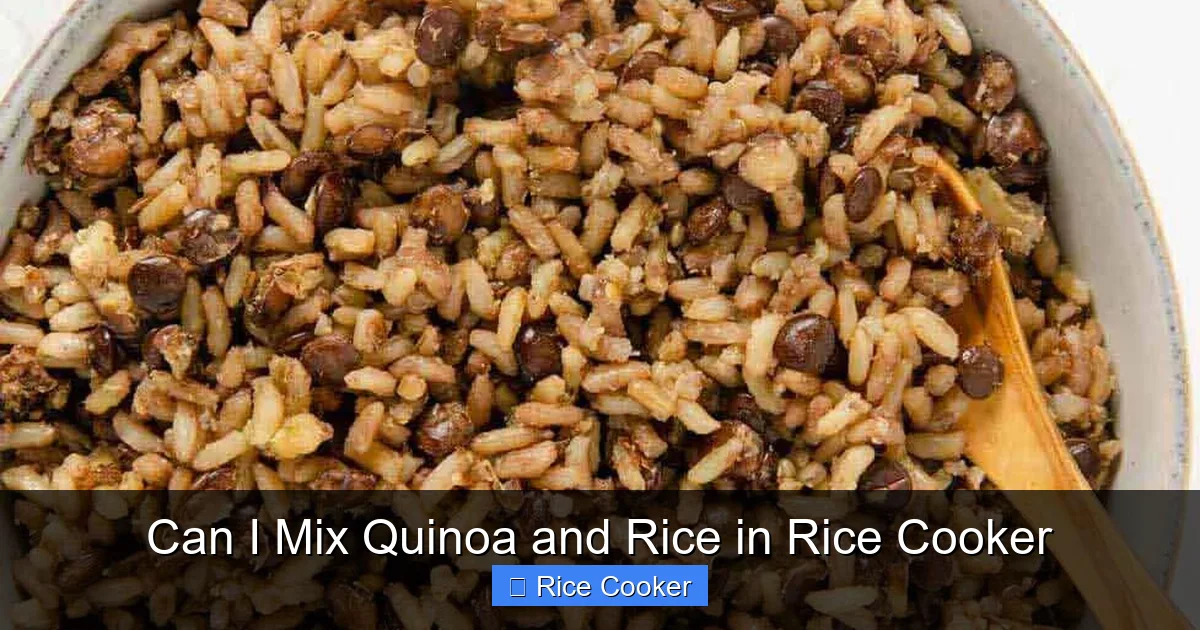
Visual guide about Can I Mix Quinoa and Rice in Rice Cooker
Image source: d219o304zcx1el.cloudfront.net
Quinoa: The Protein-Powered Superstar
Quinoa (pronounced “keen-wah”) is often called a superfood for good reason. It’s one of the few plant-based foods that contains all nine essential amino acids, making it a complete protein. This sets it apart from most grains, including rice. Native to South America, quinoa has been eaten for thousands of years and is prized for its high fiber, iron, magnesium, and B-vitamin content.
However, quinoa has a few quirks. First, it needs to be rinsed thoroughly before cooking to wash away naturally occurring compounds called saponins. These can leave a bitter, soapy taste if not removed. Second, quinoa takes longer to cook than white rice—usually around 15–20 minutes—and requires more liquid. Most recipes call for a 1:2 ratio (one part quinoa to two parts water), though this can vary slightly depending on the variety.
Rice: The Reliable Staple
White rice, brown rice, jasmine, basmati—rice comes in many forms, but all share a similar structure and cooking behavior. White rice cooks quickly, usually in 15–20 minutes, and needs about 1.5 to 1.75 cups of water per cup of rice. Brown rice, being less processed, takes longer—around 40–45 minutes—and needs even more water because its bran layer absorbs moisture slowly.
One thing to remember: rice is forgiving. It’s designed to cook evenly in a rice cooker, which uses steam and temperature control to prevent burning or undercooking. This reliability is why rice cookers were invented!
Why Mix Them?
So why would anyone want to combine these two grains? For starters, it’s practical. Instead of cooking rice one day and quinoa another, why not do both at once? You save time, water, and energy. Plus, the nutritional benefits multiply. A bowl with both grains gives you complex carbs, fiber, protein, and a variety of minerals—ideal for balanced meals.
Texture-wise, the fluffiness of rice contrasts nicely with the slightly chewy, nutty bite of quinoa. The result is a more interesting mouthfeel than plain rice alone. And flavor? Quinoa adds earthiness that complements savory dishes, while rice keeps things neutral and versatile.
How to Safely Mix Quinoa and Rice in Your Rice Cooker
Now that you understand the basics, let’s get into the step-by-step process. Don’t worry—it’s easier than it sounds! With the right ratios and timing, you can cook both grains perfectly together.
Step 1: Rinse the Quinoa Thoroughly
This is non-negotiable. Place your quinoa in a fine-mesh strainer and run cold water over it for 30–60 seconds, rubbing it gently between your fingers. Keep rinsing until the water runs clear. This removes bitterness and ensures your final dish tastes clean and fresh.
Step 2: Measure Accurately
Use a measuring cup for both grains. A general rule of thumb is:
- 1 cup quinoa → 2 cups water
- 1 cup white rice → 1.5–1.75 cups water
- 1 cup brown rice → 2–2.25 cups water
If you’re using 1 cup total of mixed grains (e.g., ½ cup quinoa + ½ cup rice), adjust water accordingly. For example:
– ½ cup quinoa needs ~1 cup water
– ½ cup white rice needs ~¾ cup water
Add them together: 1¾ cups total water for this mix.
Step 3: Combine Grains and Water
Add your rinsed quinoa and rice to the rice cooker pot. Pour in the total amount of water. Give it a quick stir to distribute evenly. Some people prefer to add a pinch of salt or a splash of olive oil for extra flavor—optional, but nice!
Step 4: Set the Timer (If Possible)
Most basic rice cookers have preset settings like “White Rice” or “Brown Rice.” If yours has a “Mixed Rice” setting, use that. Otherwise, choose the setting closest to the slower-cooking grain. Since quinoa takes longer than white rice, set it to “Brown Rice” mode if available. If not, just press “Cook” and monitor.
Step 5: Let It Rest
Once the cycle ends, let the mixture sit covered for 5–10 minutes. This allows any remaining steam to finish cooking the grains evenly and gives them time to absorb excess moisture. Fluff with a fork before serving.
Troubleshooting Common Issues
Even with perfect ratios, sometimes things don’t go as planned. Here’s how to fix common problems.
Too Mushy?
If your quinoa and rice turned out mushy, you likely used too much water or cooked it too long. Next time, reduce water by ¼ cup and check for doneness halfway through. Remember, quinoa firms up as it cools, so slight overcooking won’t ruin it—just avoid mush.
Still Bitterness?
Did your quinoa taste bitter despite rinsing? Double-check that you rinsed it well. Also, avoid soaking it beforehand—this can cause uneven cooking. Fresh quinoa should be rinsed right before cooking.
Uneven Texture?
If some grains are soft and others hard, your rice cooker might not be distributing heat evenly. Stirring halfway through cooking (after the first 5 minutes) can help. Or, consider cooking them separately and combining afterward for better control.
Sticking to the Pot?
This usually means insufficient water or old ingredients. Make sure your grains are fresh and your water ratio is correct. A thin layer of oil on the bottom of the pot (about 1 tsp) can also prevent sticking.
Best Rice Cooker Types for Mixed Grains
Not all rice cookers are created equal when it comes to handling mixed grains. Here’s what to look for.
Standard Rice Cookers (Basic Models)
These are affordable and simple. They usually have one or two settings and work fine for small batches of mixed grains. Just remember to monitor closely since they lack advanced controls.
Sushi Rice Cookers
Made specifically for sticky grains like sushi rice, these models maintain lower temperatures during cooking and have precise timing. Great if you plan to cook mostly short-grain rice, but they can handle quinoa too—just expect a slightly firmer result.
Multi-Cooker / Pressure Cookers
Devices like Instant Pot or Crock-Pot offer multiple functions: pressure cook, slow cook, sauté, etc. They’re excellent for mixed grains because you can adjust heat and pressure. Use the “Manual” or “Pressure Cook” function with a timer matching quinoa’s needs.
Smart Rice Cookers
High-end models come with sensors, AI, and apps. They detect moisture levels and adjust cooking automatically. Some even have dedicated “quinoa” or “mixed grain” programs. Worth the investment if you cook grains frequently.
Creative Ways to Use Mixed Quinoa and Rice
Mixing quinoa and rice isn’t just about convenience—it opens doors to delicious new meals.
Breakfast Bowls
Try a warm breakfast bowl with cooked quinoa-rice blend, topped with scrambled eggs, avocado, and a drizzle of honey. Add chia seeds or nuts for crunch.
Meal Prep Containers
Cook a big batch of mixed grains at the start of the week. Store in airtight containers and pair with roasted veggies, grilled chicken, or beans for grab-and-go lunches.
Salads and Sides
Cool the cooked mixture and toss with diced cucumbers, cherry tomatoes, feta, and lemon dressing for a refreshing salad. Serve alongside fish or grilled meats.
Stuffed Peppers or Veggies
Use the grain mix as a filling for bell peppers, zucchini boats, or stuffed mushrooms. Add black beans, corn, and spices for Mexican-inspired flavors.
International Flavors
Infuse your grains with global tastes. Cook them in vegetable broth instead of water, then add curry powder, turmeric, or soy sauce for Asian or Middle Eastern twists.
Tips for Perfect Results Every Time
Want consistent, restaurant-quality results? Follow these pro tips.
- Prep Ahead: Measure and rinse grains the night before to save time.
- Don’t Rush: Let the rice cooker do its job. Avoid opening the lid during cooking.
- Fluff Immediately: Use a fork to fluff while hot—it separates grains and improves texture.
- Store Properly: Refrigerate leftovers within 2 hours and reheat with a splash of water to restore moisture.
- Experiment Gradually: Start with small batches (e.g., ¼ cup quinoa + ¾ cup rice) to test ratios before scaling up.
Conclusion
Mixing quinoa and rice in your rice cooker is not only possible—it’s a game-changer for busy home cooks who want healthy, flavorful meals with minimal effort. By understanding how each grain behaves and making small adjustments to water and timing, you can enjoy a nutritious, satisfying dish every time. The key is rinsing quinoa, measuring carefully, and letting the rice cooker handle the rest. With a little practice, you’ll be whipping up custom grain blends that rival takeout or meal delivery options. So go ahead—give it a try. Your taste buds and body will thank you.
Frequently Asked Questions
Is it okay to mix quinoa and rice in the same rice cooker pot?
Yes, you can mix quinoa and rice in the same pot, as long as you adjust the water and cooking time. Just rinse the quinoa and use a slightly higher water ratio to account for both grains.
What happens if I don’t rinse the quinoa before cooking?
If you skip rinsing, the quinoa may taste bitter due to saponins. Always rinse thoroughly under running water before adding it to the rice cooker.
Can I substitute water with broth for more flavor?
Absolutely! Using vegetable, chicken, or beef broth instead of water adds richness and depth. Just keep an eye on salt levels since broth is often salty.
How long does it take to cook a mix of quinoa and white rice?
It usually takes 18–25 minutes, depending on your rice cooker. Check after 15 minutes to avoid overcooking.
Can I cook brown rice and quinoa together?
Yes, but brown rice takes longer to cook. Set your rice cooker to the longest available setting or cook them separately and combine.
Do I need to soak the grains before cooking?
No soaking is needed for either grain. In fact, soaking can lead to uneven cooking in a rice cooker. Add them dry and ready to go.