

You absolutely can use broth in your rice cooker—it’s a simple swap that adds rich flavor and extra nutrients to your grains. Whether you’re making jasmine rice, quinoa, or even oatmeal, broth transforms ordinary meals into something extraordinary. With the right ratios and techniques, your rice cooker becomes a versatile kitchen tool for soups, stews, and flavorful side dishes too.
Key Takeaways
- Broth adds depth and flavor: Using broth instead of water gives your rice a savory, umami-rich taste that elevates every bite.
- Nutritional boost: Broth contains vitamins, minerals, and collagen from bones, adding health benefits to your meal.
- Versatile cooking applications: Broth works with white rice, brown rice, quinoa, risotto, and even grains like barley or farro.
- Adjust cooking times slightly: Broth may require 5–10 minutes less than water due to its liquid density and flavor concentration.
- Choose quality broth: Use low-sodium, organic, or homemade broth for better control over salt and ingredients.
- Avoid high-fat broths: Fatty broths can affect texture; opt for reduced or skimmed versions if concerned about greasiness.
- Clean your rice cooker regularly: Residue from broth can build up; clean after each use to maintain performance and hygiene.
📑 Table of Contents
- Can I Put Broth in Rice Cooker? The Answer Is Yes—Here’s Why It Works
- Why Use Broth Instead of Water?
- Types of Broth You Can Use
- How to Use Broth in Your Rice Cooker: Step-by-Step Guide
- Creative Recipes Using Broth in the Rice Cooker
- Common Mistakes to Avoid
- Tips for Best Results
- Is It Safe to Use Broth in a Rice Cooker?
- Final Thoughts: Broth Makes Every Grain Better
Can I Put Broth in Rice Cooker? The Answer Is Yes—Here’s Why It Works
Have you ever stood over your rice cooker, staring at the measuring cup, wondering if there’s a way to make your next bowl of rice more flavorful than just plain water? You’re not alone. Many home cooks are discovering that swapping water for broth is not only possible but downright delicious. In fact, using broth in a rice cooker is one of the simplest upgrades you can make to your meal prep routine.
So, can I put broth in a rice cooker? Absolutely. Not only is it safe and effective, but it also transforms your grains into something far more satisfying. Whether you’re cooking jasmine rice, basmati, brown rice, or even quinoa, adding broth introduces layers of flavor that water simply can’t match. Plus, you get the added benefit of extra nutrients from simmered bones and vegetables.
In this comprehensive guide, we’ll walk you through everything you need to know about using broth in your rice cooker—from choosing the right type of broth to adjusting cooking times and cleaning your appliance afterward. We’ll also share creative recipe ideas and expert tips so you can start cooking smarter, tastier meals today.
Why Use Broth Instead of Water?
If you’ve ever tasted rice cooked in chicken or vegetable broth, you probably noticed how much richer and more aromatic it was compared to water-cooked rice. That’s because broth carries the essence of whatever it was made from—whether it’s slow-cooked chicken bones, roasted vegetables, or a mix of herbs and spices.
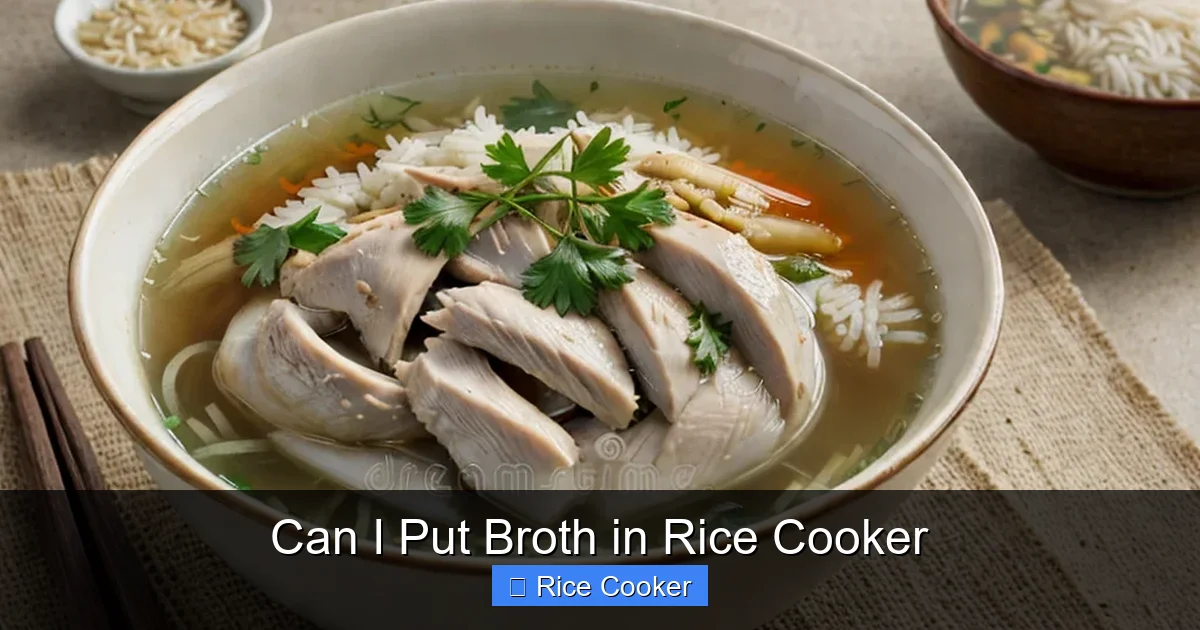
Visual guide about Can I Put Broth in Rice Cooker
Image source: ricecookerjunkie.com
Enhanced Flavor Profile
Water is neutral. Broth, on the other hand, brings depth. When rice absorbs broth during cooking, it soaks up those savory notes, creating a more complex and satisfying dish. Think of it like seasoning from within: no need to add extra salt or spices after cooking—the flavor is already infused.
For example, try cooking brown rice in mushroom broth instead of water. You’ll get earthy, umami-rich grains that pair beautifully with stir-fries, salads, or even as a base for grain bowls. The difference is noticeable—and delicious.
Nutritional Benefits
Homemade or store-bought broth often contains more than just water and salt. Bone broths, in particular, are rich in collagen, amino acids, calcium, magnesium, and phosphorus—nutrients that support joint health, digestion, and skin elasticity. Even commercial vegetable broths offer vitamins and minerals from simmered vegetables.
When you cook rice in broth, you’re essentially doubling down on nutrition without changing your eating habits. It’s an easy win for anyone looking to boost their daily nutrient intake.
Convenience and Efficiency
Using broth in your rice cooker saves time and effort. Instead of preparing a separate soup or sauce, you’re enhancing your main dish in one pot. This is especially helpful for busy weeknights when you want a hearty, flavorful meal ready in under 30 minutes.
Types of Broth You Can Use
Not all broths are created equal, and choosing the right one can make a big difference in taste and texture. Here are the most common types and how they perform in a rice cooker:
Chicken Broth
One of the most popular choices, chicken broth adds a mild, savory flavor that complements a wide range of dishes. It’s great for white rice, quinoa, and even risotto-style preparations. Look for low-sodium versions to control salt levels.
Pro tip: If you’re using leftover rotisserie chicken bones or carcasses, simmer them for 12–24 hours to make your own rich, nutrient-dense broth. Freeze it in ice cube trays for easy portioning later.
Vegetable Broth
Perfect for vegetarian or vegan diets, vegetable broth brings bright, herbal notes to your grains. Try it with wild rice, arborio (for risotto), or even polenta. It’s light yet flavorful, making it ideal for summer meals.
Avoid pre-made vegetable broths with added MSG or preservatives. Opt for organic, no-salt-added brands or make your own from scraps like onion skins, carrot tops, and celery leaves.
Beef Broth
Rich and full-bodied, beef broth pairs wonderfully with hearty grains like brown rice, barley, or farro. It’s excellent for one-pot meals like pilafs or grain-based casseroles. Just be mindful of fat content—drain or use reduced broth if needed.
Fish or Seafood Broth
Less common but gaining popularity, seafood broth adds a briny, oceanic flavor to rice. Use it sparingly—it can overpower delicate grains like jasmine or sushi rice. Best for dishes like paella-inspired rices or coastal-style grain bowls.
Bone Broth
This powerhouse of nutrition is made by simmering animal bones and connective tissue. It’s incredibly rich in collagen and minerals. While it has a strong flavor, it works beautifully with grains like quinoa, millet, or even oats. Just reduce the amount slightly since bone broth is denser than regular broth.
How to Use Broth in Your Rice Cooker: Step-by-Step Guide
Ready to give it a try? Follow these simple steps to cook perfect rice using broth in your rice cooker:
Step 1: Measure the Right Amount
The general rule is the same as with water: one cup of uncooked rice typically requires two cups of liquid. So if you’re using broth instead of water, use the same ratio. For example:
- 1 cup long-grain white rice → 2 cups broth
- 1 cup brown rice → 2.5 cups broth (brown rice absorbs more liquid)
- 1 cup quinoa → 2 cups broth
Always check your rice cooker’s manual for specific guidelines, as models vary slightly.
Step 2: Choose High-Quality Broth
Pick a broth that complements your dish. Avoid overly salty or heavily processed options. If using store-bought broth, look for “no salt added” or “low sodium” varieties. You can always adjust seasoning after cooking if needed.
Step 3: Add Rice and Broth to the Inner Pot
Rinse your rice (if required) and place it in the inner pot of the rice cooker. Pour in the broth, then give it a gentle stir to distribute the liquid evenly.
Note: Don’t skip rinsing unless you’re using quick-cooking or parboiled rice. Rinsing removes excess starch and prevents clumping.
Step 4: Close the Lid and Start Cooking
Secure the lid and press the “Cook” button. Most modern rice cookers have settings for different grains—select the appropriate one (e.g., “White Rice,” “Brown Rice,” “Quinoa”). The machine will automatically switch to “Keep Warm” once done.
Step 5: Let It Rest
After cooking, let the rice sit for 5–10 minutes with the lid closed. This allows the grains to absorb any remaining moisture and become fluffier. Then fluff with a fork before serving.
Creative Recipes Using Broth in the Rice Cooker
Now that you know the basics, here are some fun and tasty ways to use broth in your rice cooker:
Cheesy Chicken and Rice Casserole
Cook 1 cup of white rice in chicken broth. Add diced cooked chicken, frozen peas, shredded cheese, and a splash of cream. Stir gently and cook on the “Risotto” or “Soup” setting if available. Top with parsley and serve warm.
Vegetarian Wild Rice Pilaf
Combine 1 cup wild rice with 2.5 cups vegetable broth, chopped onions, garlic, thyme, and a bay leaf. Cook until tender. Remove the bay leaf and stir in toasted pecans and fresh sage for a gourmet touch.
Spicy Saffron Risotto
Use chicken or vegetable broth with a pinch of saffron threads. Cook Arborio rice slowly, stirring occasionally, until creamy and al dente. Finish with Parmesan, lemon zest, and chives.
Breakfast Quinoa Porridge
Swap water for almond or chicken broth. Add quinoa, cinnamon, a dash of vanilla, and a handful of berries. Cook until soft and creamy. Top with nuts and honey for a nourishing morning meal.
Common Mistakes to Avoid
Even experienced cooks make errors when first trying broth in the rice cooker. Here’s how to avoid them:
Using Too Much Salt
Store-bought broth can be high in sodium. Always taste before adding salt. If your rice tastes too salty, balance it out by adding a bit of sugar or serving with steamed vegetables on the side.
Skipping the Rinse
While not always necessary, rinsing helps remove surface starch, especially with short-grain rice. This results in fluffier, less sticky grains.
Overfilling the Cooker
Never exceed the maximum fill line. Overfilling can cause overflow, clog the vent, or damage the heating element.
Ignoring Cleaning Needs
Broth can leave behind protein residues or fat that harden over time. Clean the inner pot, lid, and exterior after each use to prevent buildup and maintain hygiene.
Tips for Best Results
Want to take your broth-cooked rice to the next level? Try these pro tips:
- Pre-sear ingredients: Sauté onions, garlic, or mushrooms before adding rice and broth for extra flavor.
- Add herbs early: Tie rosemary, thyme, or bay leaves in a cheesecloth bundle and toss it into the pot while cooking.
- Use broth cubes: If fresh broth isn’t available, dissolve a bouillon cube in hot water and use it as a substitute.
- Experiment with ratios: Try mixing broth and water (e.g., 1:1) for a balanced flavor.
- Store leftovers properly: Cool cooked rice quickly and refrigerate within two hours to avoid bacterial growth.
Is It Safe to Use Broth in a Rice Cooker?
Yes—it’s completely safe. Rice cookers are designed to handle various liquids, including broths. As long as you follow standard food safety practices (like not leaving cooked rice at room temperature for too long), using broth is not only safe but beneficial.
Just remember to clean your rice cooker regularly. Over time, proteins and fats from broth can accumulate inside the pot or around the heating plate, affecting performance and potentially harboring bacteria.
Final Thoughts: Broth Makes Every Grain Better
Cooking rice with broth isn’t just a clever trick—it’s a game-changer for your kitchen. It simplifies meal prep, boosts flavor and nutrition, and turns a basic staple into a gourmet experience. Whether you’re feeding a family or whipping up a solo dinner, this small change makes a big impact.
So next time you reach for the rice cooker, don’t just grab the water. Reach for that rich, aromatic broth instead. Your taste buds—and your body—will thank you.
Frequently Asked Questions
Can I use any type of broth in my rice cooker?
Yes, you can use chicken, vegetable, beef, fish, or bone broth. Just choose one that matches the flavor profile of your dish and adjust salt levels accordingly.
Does using broth change cooking time?
Usually not significantly. Most rice cookers automatically detect moisture levels and adjust timing. However, broth may require 5–10 minutes less than water due to higher density and flavor concentration.
Should I rinse the rice before using broth?
It depends on the type of rice. White rice and sushi rice benefit from rinsing to remove excess starch. Brown rice and whole grains often don’t need it, but rinsing is still optional.
Can I mix broth and water together?
Absolutely! A 50/50 mix or even 75% broth and 25% water is a great way to balance flavor and reduce salt content if using high-sodium broth.
Will fatty broth ruin my rice?
Not necessarily. However, excess fat can affect texture and make rice greasy. For best results, use reduced or skimmed broth, or drain off excess fat after cooking.
How do I clean my rice cooker after using broth?
Let the inner pot cool, then wash it with warm soapy water. Use a non-abrasive sponge to avoid scratching the coating. Wipe the lid and exterior with a damp cloth. Never submerge electrical parts.