
Can I put brown rice in a rice cooker? Yes, absolutely! While it may take a little extra time compared to white rice, most modern rice cookers handle brown rice beautifully. With the right water-to-rice ratio and a few helpful tips, you’ll get fluffy, tender grains every single time.
Key Takeaways
- Brown rice is fully compatible with rice cookers: Most standard and advanced models can cook brown rice without any issues.
- Adjust cooking time and water ratios: Brown rice typically needs more water and longer cooking than white rice.
- Soaking helps reduce cooking time: A quick soak (30 minutes to overnight) can make brown rice softer and faster to cook.
- Use the correct settings: Many rice cookers have a dedicated “brown rice” or “multi-grain” setting for better results.
- Clean your rice cooker regularly: Brown rice leaves more residue, so cleanliness ensures optimal performance.
- Fluff and rest after cooking: Let brown rice stand covered for 5–10 minutes to finish steaming evenly.
📑 Table of Contents
- Can I Put Brown Rice in a Rice Cooker? The Ultimate Guide
- Why Choose Brown Rice Over White?
- How to Cook Brown Rice in a Rice Cooker: Step-by-Step
- Common Mistakes and How to Avoid Them
- Tips for Perfect Brown Rice Every Time
- Brown Rice vs. White Rice: Cooking Comparison
- Frequently Asked Questions About Cooking Brown Rice in a Rice Cooker
Can I Put Brown Rice in a Rice Cooker? The Ultimate Guide
Have you ever wondered, “Can I put brown rice in a rice cooker?” If you’re like many home cooks who love the convenience of a rice cooker but want to eat more nutritious, fiber-rich meals, the answer is a resounding yes! Brown rice isn’t just safe—it’s actually one of the best things you can cook in your rice cooker. In fact, using a rice cooker is one of the most foolproof ways to prepare perfectly cooked brown rice without overcooking or turning it into mush.
Unlike traditional stovetop methods that require constant attention and guesswork, a rice cooker does all the hard work for you. It monitors temperature, steams the rice gently, and shuts off automatically when done. This makes it ideal for brown rice, which has a tougher outer bran layer and takes longer to cook than white rice. Whether you’re preparing a quick dinner or meal prepping for the week, learning how to cook brown rice in a rice cooker can elevate your kitchen game. Plus, it saves time, reduces cleanup, and gives consistent results every single time.
Why Choose Brown Rice Over White?
Before diving into the “how-to,” let’s talk about why brown rice deserves a spot in your diet—and in your rice cooker. Unlike white rice, which has been stripped of its bran and germ during processing, brown rice retains these nutrient-dense parts. That means it’s packed with fiber, B vitamins, magnesium, selenium, and antioxidants. These nutrients support digestion, stabilize blood sugar, boost energy, and even help maintain heart health.
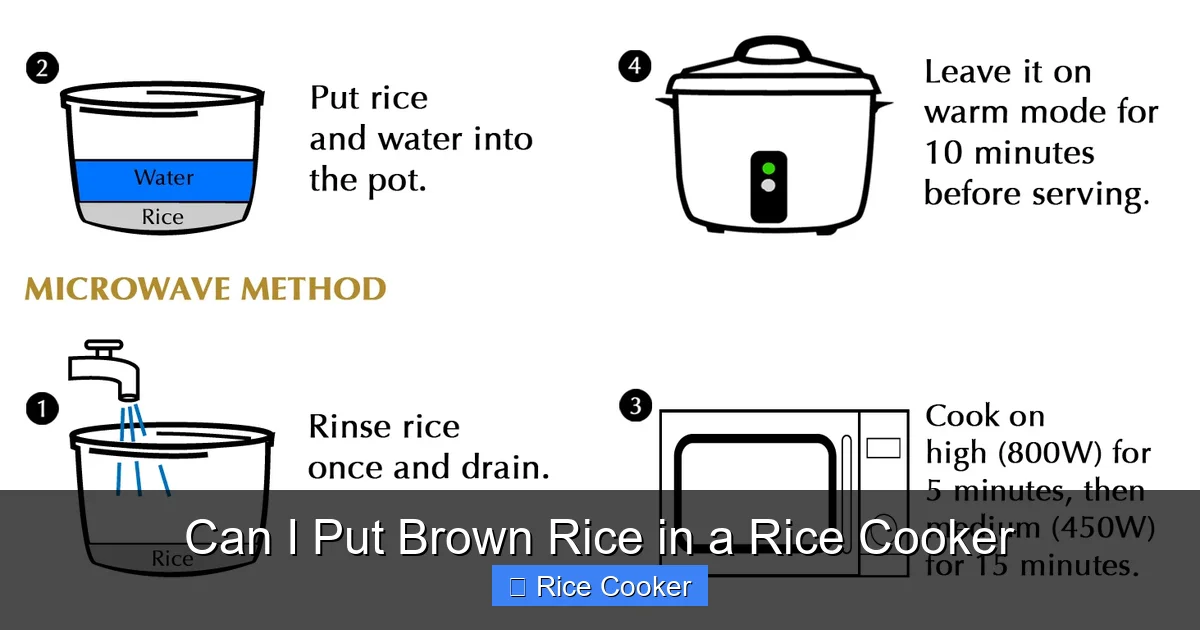
Visual guide about Can I Put Brown Rice in a Rice Cooker
Image source: familychoice.com.ph
Studies show that people who regularly consume whole grains like brown rice have a lower risk of chronic diseases such as type 2 diabetes, obesity, and cardiovascular conditions. And because brown rice digests more slowly than white rice, it keeps you fuller longer—perfect if you’re watching your weight or just want sustained energy throughout the day.
The Science Behind Brown Rice Cooking
So, what makes brown rice different from white rice when it comes to cooking? The key lies in its structure. Brown rice still has the bran layer intact, which acts like a natural barrier. This layer slows down water absorption and increases cooking time. While white rice can absorb water quickly and cook in about 18–20 minutes, brown rice needs more time and moisture to soften properly.
This is where your rice cooker shines. Modern rice cookers use precise temperature control and steam regulation to gently break down the grain without overcooking the inside. The inner pot’s non-stick surface also prevents sticking, which is especially important for brown rice, which tends to leave behind more starchy residue.
How to Cook Brown Rice in a Rice Cooker: Step-by-Step
Ready to try it? Here’s a simple, foolproof method for cooking brown rice in a rice cooker. Follow these steps, and you’ll never go back to guessing on the stovetop again.
Step 1: Measure and Rinse the Rice
Start by measuring your brown rice. A general rule of thumb is 1 cup of uncooked brown rice yields about 3 cups of cooked rice. For example, if you’re serving four people, use 1 cup of dry rice. Place the rice in a fine-mesh strainer and rinse it under cold water for 30–60 seconds. Rinsing removes excess starch, which helps prevent clumping and sticky rice.
Pro Tip: Avoid soaking brown rice for too long. While soaking can reduce cooking time, brown rice doesn’t need as much as white rice. A quick 10–30 minute soak is usually enough.
Step 2: Add Water
The water-to-rice ratio is critical. For brown rice, use 1.5 to 1.75 cups of water per 1 cup of rice. Some recipes recommend even more water, especially if you prefer softer rice. Start with 1.5 cups and adjust next time based on your preference.
Example:
– 1 cup brown rice
– 1.5 cups water
– Pinch of salt (optional)
Step 3: Choose the Right Setting
If your rice cooker has a specific setting for brown rice or multi-grain, use it! These settings are calibrated to handle longer cooking times and higher water levels. If you don’t have a special setting, the regular “white rice” or “normal” setting will still work—just expect it to take a bit longer.
Tip: Some newer models even have a “quick cook” option, but avoid it for brown rice. Patience pays off with fluffier results.
Step 4: Cook and Rest
Once you press start, let the magic happen. Cooking time for brown rice in a rice cooker usually ranges from 35 to 50 minutes, depending on your model and rice brand. When the cycle finishes, do not open the lid immediately. Let the rice sit, covered, for 5 to 10 minutes. This allows residual steam to finish cooking the grains evenly and improves texture.
Step 5: Fluff and Serve
After resting, gently fluff the rice with a fork or rice paddle. This breaks up any clumps and separates the grains. Now it’s ready to serve alongside your favorite stir-fry, curry, grilled chicken, or veggie bowl!
Common Mistakes and How to Avoid Them
Even with the best intentions, things can go wrong when cooking brown rice. But don’t worry—most issues are easy to fix with a little knowledge and practice.
Mistake #1: Using Too Little Water
If your brown rice turns out hard or gummy, it’s likely due to incorrect water levels. Undercooked rice feels firm and chalky; overcooked rice is mushy. Always start with the recommended 1.5–1.75 cups per cup of rice. If you’re unsure, add a little more water next time.
Mistake #2: Skipping the Rinse
Rinsing removes excess starch that can lead to clumpy rice. Think of it like washing off flour before baking—it creates a cleaner texture. Skip this step only if you prefer stickier rice, like sushi rice.
Mistake #3: Not Letting It Rest
This is a big one! Skipping the resting period means missing out on the final steaming stage, which helps unify the texture. Your rice might look done but still feel slightly raw in the center.
Mistake #4: Using Old or Low-Quality Rice
Old rice loses moisture and becomes harder to cook evenly. Buy fresh brown rice from a reputable source, and store it in an airtight container in a cool, dry place. Proper storage keeps it tasting great and cooking smoothly.
Tips for Perfect Brown Rice Every Time
Want to level up your brown rice game? Try these pro tips to make your rice cooker even more effective.
Tip 1: Soak for Faster Cooking
A 30-minute soak (or overnight in the fridge) softens the bran layer, allowing water to penetrate more easily. This can cut cooking time by 10–15 minutes and result in a creamier texture.
Tip 2: Use a Timer
If you’re meal prepping, set a timer so you know exactly when to start cooking. For example, if dinner is at 6 PM, begin cooking around 5:15 PM to allow for resting time.
Tip 3: Add Flavor with Broth Instead of Water
For extra flavor, substitute half or all of the water with vegetable or chicken broth. This adds depth without requiring extra seasoning.
Tip 4: Clean Your Rice Cooker After Each Use
Brown rice leaves behind more residue than white rice. After cooking, wipe the inner pot with a damp cloth and mild soap. Never submerge the heating plate—just clean the removable parts thoroughly.
Tip 5: Experiment with Varieties
Try cooking other whole grains in your rice cooker too—like wild rice, quinoa, or millet. Many of the same principles apply, and your rice cooker can become a versatile kitchen tool.
Brown Rice vs. White Rice: Cooking Comparison
Let’s compare how brown and white rice differ when cooked in a rice cooker. Understanding these differences helps you choose the right approach for each.
| Feature | Brown Rice | White Rice |
|---|---|---|
| Cooking Time | 35–50 minutes | 18–25 minutes |
| Water Ratio | 1.5–1.75 cups water per 1 cup rice | 1 cup water per 1 cup rice |
| Nutrition | High in fiber, B vitamins, magnesium | Lower in fiber, enriched with some nutrients |
| Texture | Chewier, nuttier flavor | Softer, lighter |
| Best for | Health-conscious meals, salads, pilafs | Quick sides, Asian dishes, desserts |
As you can see, while both types work well in a rice cooker, brown rice requires more attention to timing and water. But the payoff—in taste, nutrition, and satisfaction—is worth it.
Frequently Asked Questions About Cooking Brown Rice in a Rice Cooker
Still have questions? You’re not alone! Here are answers to some of the most common concerns people have when cooking brown rice in a rice cooker.
Can I cook different types of brown rice in a rice cooker?
Yes! Brown basmati, jasmine, black rice, and red rice all work well in a rice cooker. Just remember that darker varieties may take slightly longer to cook and might need a bit more water. Adjust ratios as needed based on package instructions.
Do I need a special rice cooker for brown rice?
No, you don’t need a high-end model. Even basic rice cookers can handle brown rice just fine. However, models with fuzzy logic or multiple settings (like brown rice or multi-grain) tend to give more consistent results.
Why is my brown rice still hard after cooking?
Hard brown rice usually means there wasn’t enough water or the rice cooker didn’t reach full heat. Make sure you’re using the correct water ratio and let the rice cooker complete the full cycle without interruption. Also, check if your rice is fresh.
Can I cook brown rice in a slow cooker instead?
Yes, but it requires monitoring. Set the slow cooker to low heat, use 2–2.5 cups of water per cup of rice, and cook for 1.5 to 2 hours. Stir occasionally to prevent sticking. It’s not as hands-off as a rice cooker, though.
How do I store leftover brown rice?
Store cooked brown rice in an airtight container in the refrigerator for up to 5 days. Reheat gently on the stove or in the microwave with a splash of water to restore moisture. Avoid reheating in the rice cooker unless it’s designed for that purpose.
Can I cook frozen brown rice in the rice cooker?
It’s possible, but not recommended. Frozen brown rice often contains excess moisture and may not cook evenly. Thaw it completely and rinse before cooking for best results.
Frequently Asked Questions
Can I cook different types of brown rice in a rice cooker?
Yes! Brown basmati, jasmine, black rice, and red rice all work well in a rice cooker. Just remember that darker varieties may take slightly longer to cook and might need a bit more water. Adjust ratios as needed based on package instructions.
Do I need a special rice cooker for brown rice?
No, you don’t need a high-end model. Even basic rice cookers can handle brown rice just fine. However, models with fuzzy logic or multiple settings (like brown rice or multi-grain) tend to give more consistent results.
Why is my brown rice still hard after cooking?
Hard brown rice usually means there wasn’t enough water or the rice cooker didn’t reach full heat. Make sure you’re using the correct water ratio and let the rice cooker complete the full cycle without interruption. Also, check if your rice is fresh.
Can I cook brown rice in a slow cooker instead?
Yes, but it requires monitoring. Set the slow cooker to low heat, use 2–2.5 cups of water per cup of rice, and cook for 1.5 to 2 hours. Stir occasionally to prevent sticking. It’s not as hands-off as a rice cooker, though.
How do I store leftover brown rice?
Store cooked brown rice in an airtight container in the refrigerator for up to 5 days. Reheat gently on the stove or in the microwave with a splash of water to restore moisture. Avoid reheating in the rice cooker unless it’s designed for that purpose.
Can I cook frozen brown rice in the rice cooker?
It’s possible, but not recommended. Frozen brown rice often contains excess moisture and may not cook evenly. Thaw it completely and rinse before cooking for best results.