
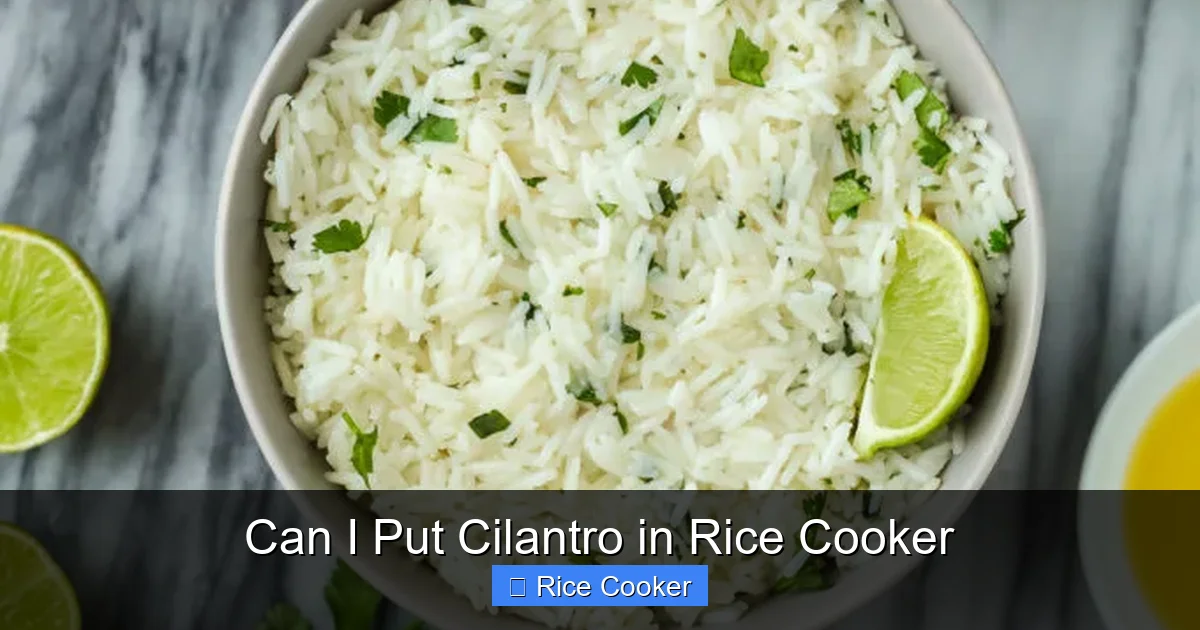
You absolutely can add cilantro to your rice cooker—and it’s a game-changer for flavor! While not traditional, blending fresh herbs like cilantro into your rice during cooking enhances aroma, taste, and nutrition. Whether you’re making a Mexican-inspired dish or a simple side, this method is quick, healthy, and beginner-friendly.
Key Takeaways
- Yes, it’s safe and effective: Adding cilantro to your rice cooker won’t harm the appliance or your food—it simply adds fresh flavor during the cooking process.
- Best timing matters: Add whole sprigs early in cooking for subtle infusion, or stir in chopped leaves at the end for bold flavor.
- Pair with compatible grains: Works especially well with long-grain rice, jasmine, basmati, and brown rice for a fragrant finish.
- Boosts nutritional value: Cilantro is rich in antioxidants, vitamins A and K, and has natural anti-inflammatory properties.
- Customize your blend: Mix with garlic, lime zest, cumin, or chili flakes to create unique flavor profiles.
- Easy cleanup: Use a fine-mesh strainer or cheesecloth to remove herb bits before serving.
- Perfect for meal prep: Cook a batch of cilantro rice ahead of time and store it for up to 3 days in the fridge.
📑 Table of Contents
- Can I Put Cilantro in Rice Cooker? Yes—Here’s How It Works
- Why Use Cilantro in Your Rice Cooker?
- How to Properly Add Cilantro to Your Rice Cooker
- Best Rice Types to Pair With Cilantro
- Creative Recipes Using Cilantro in the Rice Cooker
- Troubleshooting Common Issues
- Tips for Meal Prep and Storage
- Frequently Asked Questions
- Conclusion: Embrace the Flavor Boost
Can I Put Cilantro in Rice Cooker? Yes—Here’s How It Works
If you love the bright, citrusy punch of fresh cilantro but aren’t sure how to use it in your daily meals, you’re in luck. One surprisingly effective and beginner-friendly method is adding cilantro directly to your rice cooker. You might be wondering: Can I put cilantro in rice cooker? The short answer is yes, and doing so can transform a plain bowl of rice into something vibrant, aromatic, and full of flavor.
Whether you’re preparing a weeknight dinner, meal-prepping for the week, or experimenting with international flavors, incorporating cilantro into your rice cooker is both practical and delicious. In this complete guide, we’ll walk through everything you need to know—from why cilantro works so well, to step-by-step instructions, recipe ideas, and even troubleshooting tips. By the end, you’ll feel confident using your rice cooker like a pro chef.
Why Use Cilantro in Your Rice Cooker?
Cilantro, also known as coriander leaves, is more than just a garnish. It’s a powerhouse herb packed with flavor, nutrients, and versatility. When added to rice during cooking, cilantro infuses the grains with subtle notes of citrus, earthiness, and a hint of spice—without overpowering the dish.
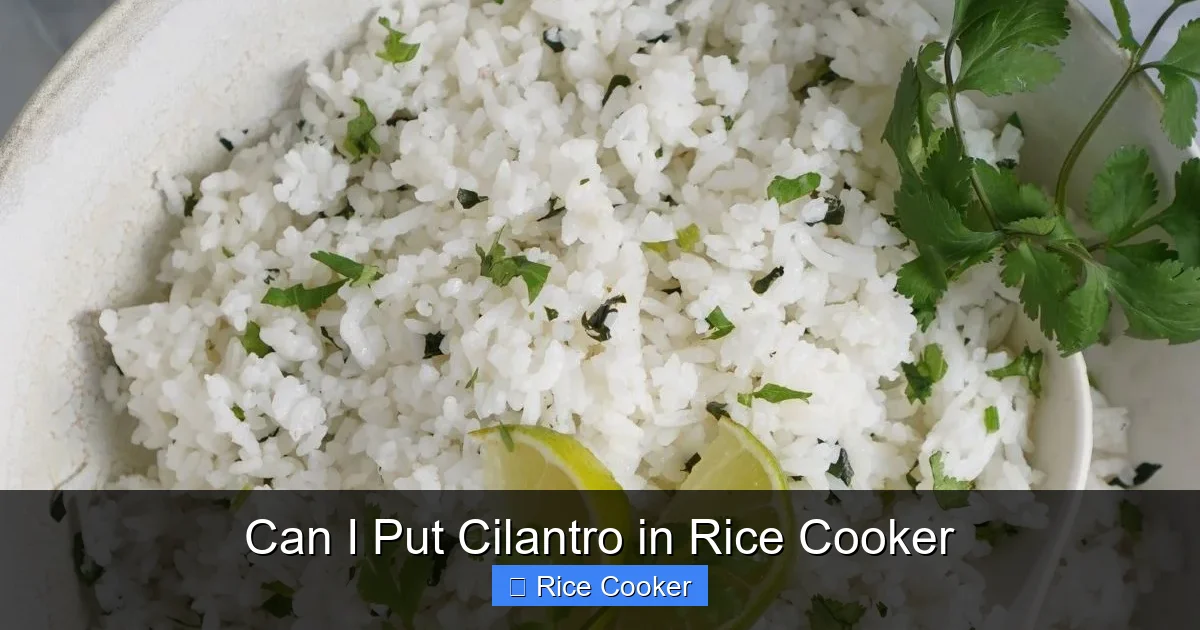
Visual guide about Can I Put Cilantro in Rice Cooker
Image source: i.pinimg.com
The Science Behind Flavor Infusion
During the rice cooking process, heat opens up the cell walls of the grains, allowing them to absorb liquids and aromatics more effectively. This is why adding ingredients like onions, garlic, or herbs during the initial soaking or heating phase can deeply flavor your rice. Cilantro releases its essential oils when exposed to warm water and steam, gently permeating the rice from within.
Unlike boiling herbs separately (which often leads to bitter, over-extracted flavors), using the rice cooker’s closed environment helps preserve the delicate balance of cilantro’s aroma. Plus, the gentle heat prevents the leaves from turning black or slimy—keeping them fresh and green throughout the cycle.
Nutritional Benefits of Adding Cilantro
Beyond taste, cilantro brings health benefits to the table. It’s loaded with antioxidants like quercetin and kaempferol, which help fight inflammation and support heart health. A single cup of fresh cilantro provides more than 100% of your daily vitamin K needs and a solid dose of vitamin A, crucial for eye health and immune function.
When combined with rice—a staple grain rich in carbohydrates and fiber—you get a balanced meal that’s satisfying and nourishing. For those following plant-based diets, this combo offers essential amino acids and phytonutrients that complement each other beautifully.
How to Properly Add Cilantro to Your Rice Cooker
Adding cilantro to your rice cooker isn’t complicated, but there are a few best practices to follow for optimal results. The key lies in timing, preparation, and technique.
Choosing the Right Type of Cilantro
Always use fresh, high-quality cilantro. Avoid wilted or yellowing leaves, as they won’t release their full flavor. If you only have dried cilantro, skip it—dried herbs don’t infuse well in liquid-heavy dishes and can leave a dusty, overpowering taste.
For beginners, start with a small amount—about 1/4 cup chopped leaves per 1 cup of uncooked rice. You can always adjust the next time based on personal preference.
Preparation Tips
Before adding cilantro to your rice cooker, give it a quick prep:
- Rinse the stems and leaves under cold water to remove dirt.
- Pat dry with a clean towel or paper towel to prevent excess moisture.
- Chop finely—this increases surface area, helping the flavor distribute evenly.
- For stronger infusion, tie a few sprigs in cheesecloth and drop it in like a tea bag (easy removal later).
Step-by-Step Instructions
- Measure your rice: Start with 1 cup of uncooked rice (any type works).
- Add water: Use the standard ratio—1:1.5 or 1:2 depending on rice variety (check package instructions).
- Add cilantro: Place 1–2 tablespoons of chopped cilantro directly into the inner pot.
- Optional add-ins: Toss in a minced garlic clove, a pinch of salt, or a splash of lime juice for extra depth.
- Close and cook: Seal the lid and press “Cook.” Let the rice cooker do its magic.
- Rest and fluff: Once done, let the rice sit for 5 minutes before opening. Gently fold in extra cilantro if desired.
Timing Matters: When to Add Cilantro
The timing of adding cilantro affects the final flavor profile:
- Early addition (with water): Best for subtle, background flavor. Cilantro steeps gently, resulting in a mild, herbal note.
- Late addition (after cooking): Preserves bright, fresh flavor. Stir in chopped leaves right after the cycle ends.
- Mid-cycle addition: Some advanced users add herbs halfway through cooking, but this requires monitoring and isn’t recommended for beginners.
Best Rice Types to Pair With Cilantro
Not all rice varieties respond equally to cilantro infusion. Choosing the right grain makes a big difference in texture and flavor absorption.
Long-Grain White Rice
This is the most common choice for cilantro rice. Its fluffy, separate grains absorb flavor beautifully without becoming mushy. Jasmine rice, a type of long-grain white rice, pairs especially well due to its slightly floral undertone, which complements cilantro’s citrus notes.
Basmatic Rice
Aromatic and nutty, basmati rice takes well to infused liquids. When cooked with cilantro and a touch of saffron or turmeric, it becomes a fragrant base for Indian or Middle Eastern dishes.
Brown Rice
Though it takes longer to cook, brown rice holds onto its nutty flavor and chewy texture even after absorbing herbs. Add cilantro during the soaking phase for a wholesome, nutrient-dense meal.
Wild Rice & Brown Basmati Blends
These blends offer complexity and depth. Their earthy tones harmonize wonderfully with cilantro’s freshness, creating a gourmet-style dish with minimal effort.
Creative Recipes Using Cilantro in the Rice Cooker
Once you master the basics, the possibilities expand. Here are five delicious ideas to inspire your next meal.
1. Cilantro Lime Rice
A crowd favorite, especially for tacos, burritos, or grilled chicken. After cooking, stir in juice from one lime and a handful of chopped cilantro. Top with avocado slices and a sprinkle of cotija cheese.
2. Spiced Cilantro Chicken & Rice Bowl
Cook chicken breast strips in the same pot as your cilantro rice. Add a teaspoon of ground cumin, smoked paprika, and a bay leaf while the rice soaks. Serve hot with sliced tomatoes and red onion.
3. Coconut Cilantro Rice
Replace half the water with coconut milk for a creamy, tropical twist. Add a pinch of turmeric for color and anti-inflammatory benefits. Perfect with seafood or tofu.
4. Herbed Cilantro Pilaf
Combine cilantro with diced carrots, peas, and green onions. Sauté briefly before adding rice and water. This colorful pilaf is great as a side or vegetarian main course.
5. Cilantro Fried Rice (Instant Pot Style)
Use the “Keep Warm” function to crisp up leftover rice. Stir in scrambled eggs, frozen peas, soy sauce, and a generous amount of cilantro. Cook on sauté mode until heated through.
Troubleshooting Common Issues
Even with the best intentions, things can go wrong. Here’s how to fix common problems.
Problem: Cilantro Turns Black or Slimy
This usually happens when too much cilantro is added or when it’s exposed to prolonged high heat. To avoid this:
- Use only fresh, clean leaves.
- Don’t overcrowd the pot—limit cilantro to 1–2 tbsp per cup of rice.
- Remove cilantro sprigs early if using whole stems.
Problem: Flavor Is Too Strong or Bitter
Over-infusion can make cilantro taste soapy or overpowering. Combat this by:
- Using less cilantro initially.
- Balancing with acidic elements like lime juice or lemon zest.
- Stirring in fresh herbs after cooking to brighten the dish.
Problem: Rice Is Undercooked or Mushy
Adding extra water or herbs can alter absorption rates. Stick to standard ratios and avoid mashing the rice during cooking. If undercooked, return to cook for 5 more minutes.
Tips for Meal Prep and Storage
Cilantro rice stores well and tastes even better the next day as flavors meld together. Follow these tips for success:
- Cool quickly: Spread cooked rice on a baking sheet to cool faster, then transfer to an airtight container.
- Store properly: Keep in the fridge for up to 3 days or freeze in portions for up to 2 months.
- Reheat wisely: Steam in the microwave with a damp paper towel or reheat on the stove with a splash of water to restore softness.
- Add freshness back: Stir in a spoonful of chopped cilantro before serving to revive that bright flavor.
Frequently Asked Questions
Can I use dried cilantro in the rice cooker?
No, dried cilantro doesn’t infuse well in liquid and may leave a dusty, overpowering taste. Always prefer fresh cilantro for best results.
Will cilantro change the color of my rice?
Minimal staining occurs, especially with white rice. Green flecks may appear, but they’re harmless and add visual appeal.
Is it safe to leave cilantro in the rice after cooking?
Yes, it’s safe. Just remove large stems or bundles before serving for easier eating.
Can I substitute cilantro with parsley or basil?
Yes! Parsley offers a milder, grassier flavor, while basil gives a sweet, peppery note. Adjust amounts based on preference.
Does cilantro rice keep well overnight?
Absolutely. Refrigerate in an airtight container and reheat with a splash of water to maintain texture.
Can I add cilantro to instant pot rice?
Yes! The process is nearly identical. Use the “Steam” or “Manual” setting and follow the same timing and prep steps.
Conclusion: Embrace the Flavor Boost
So, can you put cilantro in rice cooker? Without a doubt—yes, and it’s one of the simplest ways to elevate your everyday meals. With just a handful of fresh leaves, a little water, and your trusty rice cooker, you can create flavorful, aromatic dishes that impress family and guests alike.
Whether you’re aiming to reduce kitchen waste, boost nutrition, or explore global cuisines, cilantro rice is a versatile, beginner-friendly option. Try it once, and you might find yourself reaching for that bunch of cilantro at the grocery store just to make another batch of perfectly seasoned rice.
Remember: cooking is about creativity. Don’t be afraid to experiment with spices, grains, and herbs. Your rice cooker is more than a machine—it’s a canvas for flavor. So go ahead, add that cilantro, and watch your meals come alive.
Frequently Asked Questions
Can I use dried cilantro in the rice cooker?
No, dried cilantro doesn’t infuse well in liquid and may leave a dusty, overpowering taste. Always prefer fresh cilantro for best results.
Will cilantro change the color of my rice?
Minimal staining occurs, especially with white rice. Green flecks may appear, but they’re harmless and add visual appeal.
Is it safe to leave cilantro in the rice after cooking?
Yes, it’s safe. Just remove large stems or bundles before serving for easier eating.
Can I substitute cilantro with parsley or basil?
Yes! Parsley offers a milder, grassier flavor, while basil gives a sweet, peppery note. Adjust amounts based on preference.
Does cilantro rice keep well overnight?
Absolutely. Refrigerate in an airtight container and reheat with a splash of water to maintain texture.
Can I add cilantro to instant pot rice?
Yes! The process is nearly identical. Use the “Steam” or “Manual” setting and follow the same timing and prep steps.