

Can I put coconut milk in a rice cooker? Absolutely! Coconut milk adds rich flavor and creaminess to rice dishes like never before. With the right technique, your rice cooker handles it perfectly—no extra pots needed. Whether you’re making jasmine rice or biryani, this simple swap transforms ordinary meals into restaurant-quality feasts.
Have you ever dreamed of fluffy, fragrant rice with a tropical twist? Imagine serving golden-brown basmati infused with the subtle sweetness of coconut, or tender jasmine rice kissed by vanilla and cinnamon—all cooked in under 30 minutes using just one pot. That dream isn’t far from reality, thanks to coconut milk and your trusty rice cooker. But here’s the real question on everyone’s mind: can I put coconut milk in a rice cooker? The answer? Yes, absolutely—and it might just change how you think about rice forever.
Before we dive into recipes and techniques, let’s clear up a common myth: coconut milk doesn’t ruin your rice cooker. Modern appliances are built to handle liquids ranging from plain water to broths, soups, and yes—even dairy-free alternatives like coconut milk. What matters most is balance, timing, and choosing the right type of coconut milk. Think of it less as an experiment and more as an upgrade. Instead of bland, beige rice, you get vibrant color, aromatic depth, and a velvety mouthfeel that elevates everything from family dinners to festive feasts.
Whether you’re new to Southeast Asian flavors or simply looking to spice up your grain game, using coconut milk in your rice cooker opens up a world of possibilities. From creamy risotto-inspired textures to fragrant pilafs bursting with herbs, the kitchen becomes your canvas. And because rice cookers automate heat control, there’s no constant stirring or risk of scorching. Just measure, pour, press start, and relax. In the next sections, we’ll walk through exactly how to do it safely, deliciously, and with confidence.
Key Takeaways
- Yes, coconut milk works great in most rice cookers: It’s safe and effective for both white and brown rice varieties.
- Balance is key: Use half coconut milk, half water or broth to avoid mushy or overly greasy results.
- Flavor boost: Coconut milk pairs beautifully with spices like turmeric, cinnamon, cardamom, and ginger.
- Texture matters: Jasmine and basmati rice absorb coconut milk best; short-grain may become sticky.
- Cleaning tip: Most modern rice cookers have non-stick inner pots that handle coconut residue easily.
- Time-saving benefit: One-pot cooking means fewer dishes and hands-on prep time under 10 minutes.
- Safety first: Always check your model’s manual—some older units aren’t rated for fats or oils.
📑 Table of Contents
Understanding Your Rice Cooker’s Capabilities
Not all rice cookers were created equal—and that includes their ability to handle thicker liquids like coconut milk. While most modern models (especially those labeled as “fuzzy logic” or “intelligent”) can manage coconut milk without issue, some basic or older units may struggle due to design limitations. So before you pour that first ladle of coconut milk, take a quick peek at your appliance.
Most contemporary rice cookers use induction heating or precise temperature sensors to regulate cooking cycles. This means they maintain consistent warmth without overcooking or burning. Coconut milk, while richer than water, still behaves like a liquid during the initial soak and cooking phases. The key difference? Fat content. Coconut fat solidifies when cool but remains liquid when heated—so during cooking, it blends seamlessly into the grains.
However, if your rice cooker has a fixed thermostat (common in budget models), it might not adjust well to added fat, potentially leading to uneven heating or longer cook times. Also, some cookers warn against using oils or creams because they can coat the heating element or interfere with steam release. Always consult your owner’s manual first. If it says “not recommended for dairy or oil-based liquids,” consider using a stovetop method instead. But for 90% of users with standard electric rice cookers made after 2010, coconut milk is not only safe—it’s encouraged!
Choosing the Right Type of Coconut Milk
Not all coconut milks are the same, and picking the wrong one can ruin your dish. There are two main types: thick (or full-fat) and thin (or light). Thick coconut milk contains around 24–26% fat and holds its shape when shaken. Thin coconut milk has about 17% fat and pours easily.
For rice dishes, thick coconut milk is usually preferred. It delivers creaminess and richness without disappearing too quickly into the grains. However, if you find it too heavy, you can dilute it with water or vegetable broth. A good rule of thumb: use equal parts thick coconut milk and water for a balanced flavor and texture.
Avoid using coconut cream (which is the solidified top layer of canned coconut milk) unless you’re aiming for ultra-rich desserts like mango sticky rice. Coconut cream burns easily and isn’t meant for savory or even mildly sweet rice dishes. Stick to canned coconut milk labeled “full-fat” or “thick.” Shake the can well before opening—fat separates naturally, and you want it evenly distributed.
Also, consider unsweetened vs. sweetened versions. Unsweetened gives you full control over sugar content, which is ideal if you’re pairing coconut rice with spicy curries or protein-heavy meals. Sweetened works wonders for breakfast bowls or dessert rice recipes like coconut pandan or red bean pudding.
How Coconut Milk Changes Cooking Time and Ratio
Water is the default liquid in rice cooking because it hydrates grains efficiently without altering taste or texture. Coconut milk, being denser and oilier, changes the dynamic slightly. First, it slows down absorption—grains need time to soak up both water and fat. Second, because coconut milk is pre-cooked (from the canning process), it doesn’t require extra heat to break down fibers like fresh coconut would.
As a result, you’ll often reduce cooking time by 5–10%. For example, if plain jasmine rice takes 15 minutes, coconut-milk version might finish in 12–13 minutes. But don’t guess—measure accurately. A common starting ratio is:
– 1 cup long-grain rice : ¾ cup thick coconut milk + ¼ cup water
This keeps the dish from becoming soupy while ensuring enough moisture for proper hydration. For brown rice, which absorbs more liquid, try ½ cup coconut milk + ½ cup water per cup of rice. Short-grain rice (like arborio) can handle up to ¾ cup coconut milk + ¼ cup water, but watch out—it may become very sticky.
Always add salt or seasoning after cooking, since coconut milk can mute flavors during prolonged heat exposure. Taste before serving and adjust as needed.
Best Rice Varieties for Coconut Milk
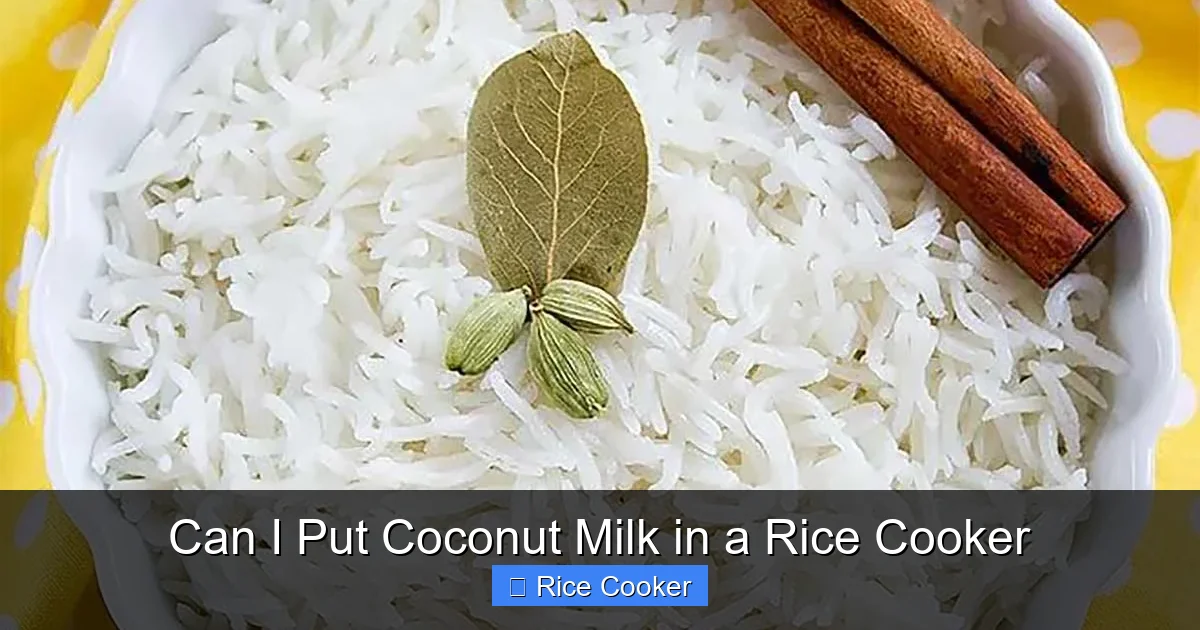
Visual guide about Can I Put Coconut Milk in a Rice Cooker
Image source: munatycooking.com
Not every rice type shines when paired with coconut milk. Some work harmoniously; others fall flat or turn into gluey clumps. Here’s a breakdown of the top performers:
Jasmine Rice
Light, floral, and slightly sticky, jasmine rice is a classic match for coconut milk. Its natural aroma complements the tropical notes, creating a fragrant bed for curries or stir-fries. Use medium-grain jasmine for best results—it holds shape without becoming mushy. Cook it with ¾ cup coconut milk and ¼ cup water per cup of rice. Serve warm with Thai green curry or lemongrass chicken.
Basmati Rice
Elongated, slender, and aromatic, basmati soaks up coconut milk beautifully while maintaining separation between grains. Ideal for biryanis or Indian-inspired coconut rice dishes. Brown basmati also works well—just increase liquid slightly and add 5 minutes to cook time. Try mixing in saffron threads or cardamom pods for an elevated touch.
Arborio Rice
Though traditionally used for risotto, arborio rice thrives with coconut milk. Its high starch content creates a creamy, porridge-like consistency perfect for comfort food or vegan risotto bowls. Cook slowly on low heat if using stovetop, or rely on your rice cooker’s gentle simmer cycle. Add mushrooms, peas, or roasted vegetables halfway through cooking for a complete meal.
Bomba Rice
A lesser-known gem from Spain, bomba rice absorbs up to five times its volume in liquid—making it ideal for coconut-infused paella or seafood rice. Its firm texture stands up to bold flavors, and the coconut milk adds richness without overwhelming. Cook with 1:1 ratio of coconut milk to water for maximum absorption.
Avoid These Rices
Stick to the above if possible. White sushi rice can become overly sticky with coconut milk. Wild rice tends to clump and loses its earthy character. Instant rice lacks structure and may turn gummy. Stick to whole-grain or medium-to-long varieties for reliable results.
Step-by-Step Guide: Making Coconut Milk Rice
Ready to try it yourself? Follow this foolproof method for perfect coconut rice every time—no chef skills required.
Gather Your Ingredients
– 1 cup jasmine, basmati, or arborio rice
– ¾ cup thick coconut milk (unsweetened preferred)
– ¼ cup water or vegetable broth
– Pinch of salt
– Optional: ½ tsp turmeric (for golden color), 1 cinnamon stick, or 3 green cardamom pods
Preparation Steps
1. Rinse the rice under cold water until the water runs clear. This removes excess starch and prevents stickiness.
2. Combine rice, coconut milk, water, salt, and any spices in the rice cooker’s inner pot. Stir gently to distribute ingredients.
3. Close the lid and select the standard “white rice” setting. If your model has a “congee” or “porridge” mode, skip it—coconut milk rice doesn’t need prolonged boiling.
4. Once cooking finishes, let the rice rest for 5 minutes with the lid closed. This allows residual steam to finish hydration and firms up texture.
5. Fluff with a fork or rice paddle. Taste and adjust salt or sweetness if needed.
Pro tip: For extra fragrance, toast dried coconut flakes in a dry pan before adding them to the mix. They pop with flavor and add crunch!
Troubleshooting Common Issues
Even with perfect ratios, things can go sideways. Here’s how to fix them:
– Rice too wet or soupy? Drain excess liquid through a fine mesh strainer, then return rice to pot and reheat with lid off to evaporate moisture.
– Rice too dry or hard? Add 1–2 tbsp hot water, cover, and let sit 5 minutes. Don’t overcook—it’ll continue absorbing.
– Too greasy? Spoon off surface oil after resting, or cook with less coconut milk next time.
– Burnt bottom? Clean the heating plate immediately with vinegar and baking soda paste. Never use abrasive scrubbers.
Remember: coconut milk varies by brand. Start conservative and adjust future batches based on your results.
Creative Ways to Use Coconut Milk Rice
Coconut milk rice isn’t just a side dish—it’s a star ingredient in global cuisines and fusion meals alike. Expand your culinary horizons with these ideas:
Thai-Inspired Coconut Jasmine Rice
Pair with pan-seared fish, tofu, or chicken glazed in tamarind sauce. Garnish with crushed peanuts, lime wedges, and fresh cilantro. The coconut base balances spicy curries beautifully.
Indian Biryani Twist
Layer partially cooked coconut rice with marinated lamb or chickpeas, fried onions, mint leaves, and saffron-infused milk. Seal tightly and bake in oven for 20 minutes—no pilaf pan needed!
Vegan Coconut Risotto
Use arborio rice, coconut milk, nutritional yeast, and garlic. Sauté mushrooms and spinach during last 5 minutes. Top with lemon zest and parsley.
Dessert Rice Pudding
Stir in maple syrup, vanilla extract, and toasted coconut flakes. Chill overnight for a silky texture. Serve with fresh berries or mango slices.
Meal Prep Hack
Cook large batches of coconut rice on weekends. Store in airtight containers for 3–4 days. Reheat with a splash of water to restore moisture. Perfect for bento boxes or grain salads.
Fusion Bowls
Combine with black beans, corn, avocado, and lime dressing for a Tex-Mex twist. Or mix with edamame, carrots, and sesame oil for Asian salad inspiration.
The versatility is endless. Get creative—your rice cooker is ready for adventure.
Maintenance Tips for Your Rice Cooker
Using coconut milk means dealing with fat residue—but don’t panic! Proper cleaning keeps your appliance running smoothly.
Immediate After-Cooking Care
Let the pot cool completely before washing. Hot fat can warp plastic parts or trap odors. Wipe the outer lid and housing with a damp cloth. Remove the inner pot and rinse under warm water immediately—fat hardens quickly.
Deep Cleaning Method
Fill the inner pot halfway with warm water and 1 tbsp baking soda. Let soak 15 minutes, then scrub with a soft sponge. For stubborn spots, use a toothbrush dipped in vinegar solution. Avoid steel wool or harsh chemicals.
Storage Advice
Store your rice cooker unplugged in a dry place. Check seals annually for wear. If your model has a removable anti-bacterial filter, clean it monthly per manufacturer instructions.
Regular maintenance extends lifespan and ensures consistent performance. A happy cooker makes better rice!
Safety Considerations and Limitations
While coconut milk is generally safe, there are boundaries. First, never overload the rice cooker beyond its capacity line—usually marked on the inner pot. Excess liquid can cause overflow and electrical hazards.
Second, avoid using coconut milk in pressure cookers unless specifically designed for it. Standard rice cookers aren’t sealed like pressure models, so steam release could be compromised.
Third, monitor children and pets near the appliance during operation—hot surfaces and steam pose burn risks.
Lastly, if your rice cooker smells funky after coconut milk use, descale it with citric acid or white vinegar weekly. Coconut’s natural oils can leave behind odors if not cleaned promptly.
When in doubt, err on the side of caution. When you’re confident, enjoy the flavor explosion!
Frequently Asked Questions
Is it safe to put coconut milk in a rice cooker?
Yes, it’s generally safe for most modern rice cookers. Just ensure your model can handle liquids beyond water and follow recommended ratios to avoid overflow or uneven cooking.
What happens if I use too much coconut milk?
Too much can make the rice soggy or greasy. Always start with a balanced ratio—typically ¾ coconut milk to ¼ water per cup of rice—and adjust next time based on results.
Can I substitute coconut milk with other creams?
You can, but outcomes differ. Heavy cream adds richness but may scorch; almond milk yields lighter texture. Coconut milk offers unique flavor and works best for tropical or Southeast Asian dishes.
Do I need to rinse rice before adding coconut milk?
Yes, always rinse rice until water runs clear. This removes excess starch, preventing stickiness and ensuring even absorption of coconut milk.
How long does coconut milk rice stay fresh?
Refrigerated, cooked coconut rice lasts 3–4 days. Freeze portions in ice cube trays for up to 2 months. Reheat with a splash of water to restore moisture.
Why does my rice cooker smell bad after using coconut milk?
Oils can linger if not cleaned immediately. Descale regularly with vinegar or citric acid, and wash the inner pot while warm. Persistent odors may indicate mineral buildup or worn seals.