
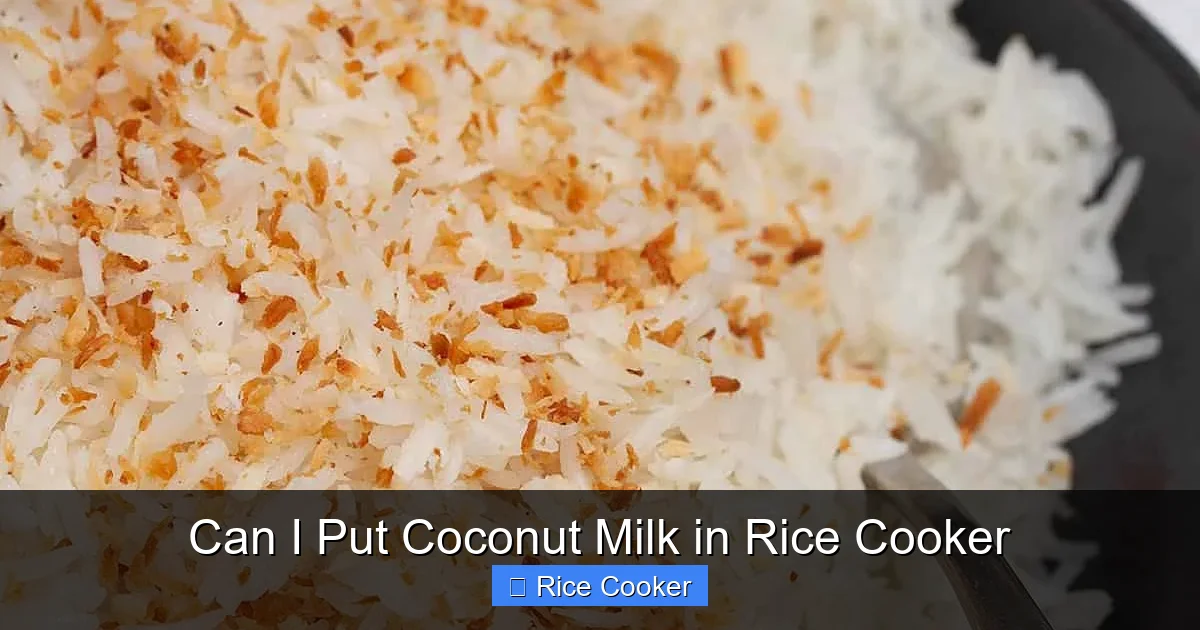
You can definitely use coconut milk in a rice cooker—it creates rich, creamy rice perfect for dishes like Thai curry or sweet coconut rice. Unlike water, coconut milk adds natural sweetness and depth of flavor without extra sugar. Just follow the right ratio (usually 1:1 coconut milk to rice) and adjust for texture. Using coconut milk saves time and boosts taste, making it ideal for both savory and dessert recipes. Whether you’re new to cooking with coconut milk or want expert tips, this guide covers everything you need for foolproof results every time.
Key Takeaways
- Yes, it’s safe and common: Most modern rice cookers handle coconut milk just fine, especially those with fuzzy logic or induction heating.
- Use full-fat coconut milk: It provides creaminess and prevents separation; light versions may make the rice too thin.
- Stick to 1:1 ratio: One cup of uncooked rice typically needs one cup of coconut milk (plus a splash of water if needed).
- Add flavor early: Simmer spices like turmeric, cardamom, or vanilla with the rice before adding coconut milk for deeper taste.
- Adjust for texture: If rice is too soft, drain excess liquid; if too thick, add warm water gradually until desired consistency.
- Perfect for desserts: Coconut milk pairs beautifully with jasmine rice, sticky rice, or even Arborio for risotto-style dishes.
- Clean-up tip: Line the inner pot with parchment paper to avoid sticking—especially important with dairy-free fats.
📑 Table of Contents
- Can I Put Coconut Milk in Rice Cooker? The Ultimate Guide
- Why Use Coconut Milk Instead of Water?
- Which Type of Coconut Milk Works Best?
- How to Measure Coconut Milk for Perfect Rice
- Step-by-Step Instructions for Cooking Coconut Rice
- Flavor Variations & Recipe Ideas
- Troubleshooting Common Issues
- Special Considerations for Different Rice Types
- Cleaning & Maintenance Tips
- Final Thoughts: Why You’ll Love Coconut Milk Rice
Can I Put Coconut Milk in Rice Cooker? The Ultimate Guide
Ever stood in your kitchen, craving that rich, velvety coconut-infused rice from your favorite Thai restaurant—only to realize you’re out of stock and don’t want to drive all the way to the store? Or maybe you’ve been experimenting with plant-based meals and want to elevate your grains without hours of stovetop stirring?
If so, you’re not alone. And here’s the good news: yes, you can absolutely put coconut milk in a rice cooker. In fact, using coconut milk instead of water transforms plain rice into something extraordinary—creamy, aromatic, and packed with subtle tropical notes. Whether you’re making a comforting bowl of coconut rice, a fragrant red curry base, or even a sweet dessert like coconut sticky rice, your rice cooker can handle it all—with a few smart tweaks.
This guide walks you through everything: why coconut milk works so well, which types are best, how to measure correctly, and how to fix common mistakes. Plus, we’ll share pro tips for flavor pairing and recipe ideas that will make your next meal unforgettable. So grab your favorite bag of basmati or jasmine rice, open a can of coconut milk, and let’s get cooking!
Why Use Coconut Milk Instead of Water?
Water is great for basic white rice—it keeps things simple and reliable. But when you swap in coconut milk, magic happens. That’s because coconut milk isn’t just another liquid; it’s a blend of fat, protein, and natural sugars that infuse each grain with richness and complexity.
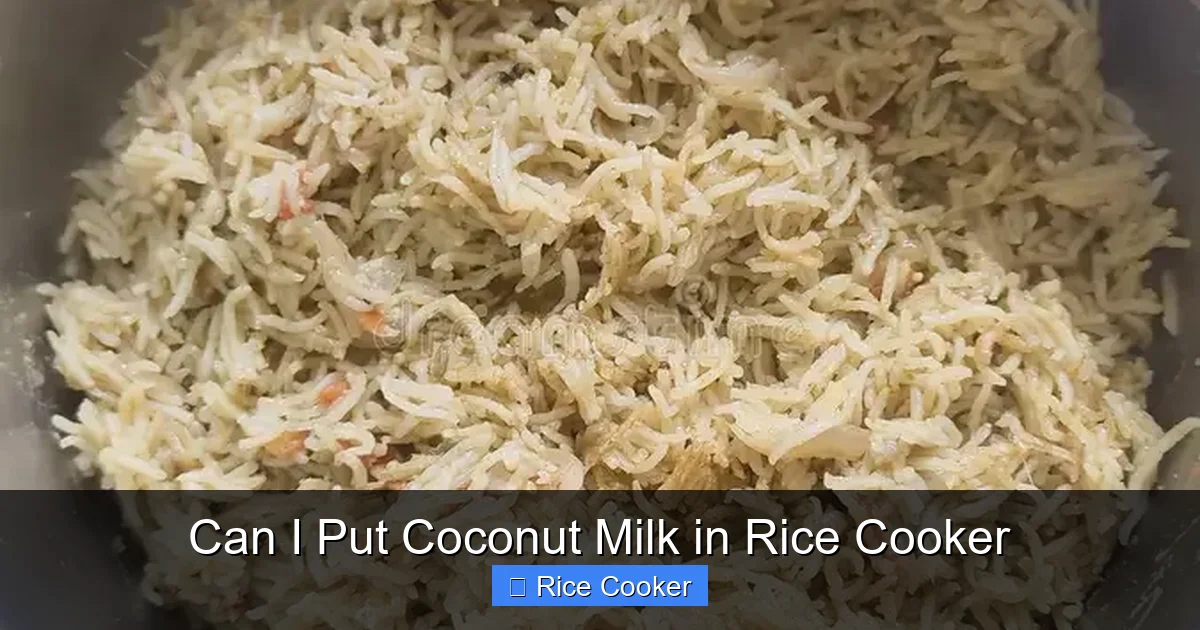
Visual guide about Can I Put Coconut Milk in Rice Cooker
Image source: thumbs.dreamstime.com
The Flavor Boost
Coconut milk brings a mild, slightly sweet nuttiness that enhances the natural aroma of long-grain rice varieties like jasmine or basmati. Unlike water, which can sometimes dilute delicate flavors, coconut milk acts as a carrier, helping spices and herbs meld seamlessly into every bite. Think about it: when you eat Thai green curry over coconut rice, the two components harmonize perfectly—and that harmony starts with the liquid used to cook the rice.
Creamy Texture Without Cream
If you’ve ever tried making risotto, you know how labor-intensive it can be—constant stirring, slow addition of broth, waiting… But what if you could skip all that and still get a luxuriously creamy result? Enter coconut milk. Its high fat content mimics the mouthfeel of heavy cream or butter, giving you that indulgent texture with zero dairy. Plus, it’s naturally vegan-friendly, making it a fantastic option for plant-based diets.
Health & Nutrition Perks
While full-fat coconut milk is higher in saturated fat than water, it also contains medium-chain triglycerides (MCTs), which are metabolized differently than other fats. Some studies suggest MCTs may support metabolism and provide quick energy. Of course, moderation matters—so enjoy it as part of a balanced diet rather than a daily staple. For context, one cup of canned full-fat coconut milk has about 550 calories and 60 grams of fat, so portion control is key.
Which Type of Coconut Milk Works Best?
Not all coconut milks are created equal—and choosing the wrong one can ruin your dish. Here’s what to look for:
- Full-Fat Canned Coconut Milk: This is your go-to. It has a thick, creamy consistency due to the emulsified coconut cream mixed with water. Brands like Aroy-D or Chaokoh work well. Avoid refrigerated cartons unless labeled “canned” or “bottled”—those are usually thinner and less stable.
- Light or Low-Fat Coconut Milk: These have had some cream removed, resulting in a runnier texture. They’re okay for soups or smoothies but often lead to mushy, undercooked rice because they lack binding power.
- Virgin vs. Refined: Virgin coconut oil or milk comes from fresh coconuts and has a stronger, more authentic flavor. Refined versions are milder and better suited if you prefer subtlety. For rice, either works—but start with refined if you’re unsure.
Pro Tip: Always shake the can thoroughly before opening. The cream settles at the top, so mixing ensures even distribution and consistent creaminess.
How to Measure Coconut Milk for Perfect Rice
Getting the ratio right is crucial. Too much liquid = soggy rice. Too little = dry, chalky grains. Here’s the golden rule:
The Standard Ratio: 1:1
For most white rice varieties (like jasmine, basmati, or Texmati), use one cup of uncooked rice paired with one cup of coconut milk. Add a tablespoon or two of water if your rice cooker runs dry or your coconut milk is very thick. Brown rice and wild rice usually require slightly more liquid—try 1.25 cups of coconut milk per cup of rice.
Measuring Tips
- Use measuring cups meant for liquids—not dry ingredients—for accuracy.
- If your rice cooker doesn’t have markings, fill to the same level you’d use for water-only cooking.
- Don’t skimp on rice measurement! Overfilling causes uneven cooking.
Example: To make 2 cups of cooked coconut rice, measure 1 cup of jasmine rice, rinse it briefly under cold water, then combine with 1 cup of coconut milk + 1 tbsp water in the inner pot.
Step-by-Step Instructions for Cooking Coconut Rice
Ready to try it yourself? Follow these easy steps for foolproof results every time.
Step 1: Rinse Your Rice
Rinsing removes excess starch, preventing clumping. Place rice in a fine-mesh strainer and rinse under cool running water until the water runs clear—about 30 seconds to a minute.
Step 2: Combine Ingredients
Add rinsed rice and coconut milk to the inner pot of your rice cooker. Optional: toss in a pinch of salt, a cinnamon stick, or a strip of kaffir lime leaf for extra flavor.
Step 3: Set the Mode
Most rice cookers have a “White Rice” or “Normal” setting. If yours has a “Steam” or “Fuzzy Logic” mode, use that—it adjusts timing based on moisture levels, which helps with coconut milk.
Step 4: Let It Cook & Rest
Press start! Once done, let the rice sit for 10 minutes with the lid closed. This allows residual steam to finish hydrating the grains and firms up the texture.
Step 5: Fluff & Serve
Gently fluff with a fork. Additions like toasted coconut flakes, lime zest, or cilantro make beautiful garnishes.
Common Mistake Alert: Don’t open the lid during cooking! Steam escapes, and temperature drops, leading to uneven results.
Flavor Variations & Recipe Ideas
Coconut milk is incredibly versatile. Here are five delicious ways to use it in your rice cooker:
1. Classic Coconut Jasmine Rice
Perfect as a side for curries or stir-fries. Add a teaspoon of sugar and a pinch of salt for balance.
2. Spiced Red Coconut Rice
Sauté a minced shallot in ghee, add turmeric and coriander seeds, then mix with rice and coconut milk. Simmer for 5 minutes before cooking. Great with blackened fish or roasted vegetables.
3. Coconut Sticky Rice (Thai Style)
Use glutinous rice and reduce coconut milk by half during cooking. Serve warm with mango slices or grilled chicken.
4. Vanilla Coconut Rice Pudding
Combine 1 cup rice, 2 cups coconut milk, ¼ cup sugar, and 1 tsp vanilla. Cook on “Porridge” or low heat until thickened. Chill and top with berries.
5. Coconut Curry Base Rice
After cooking rice in coconut milk, stir in a homemade curry paste, diced tomatoes, and chickpeas. Simmer 10 minutes for a complete meal.
Bonus Hack: Freeze leftover coconut rice in portions for quick breakfast bowls with fruit and nuts.
Troubleshooting Common Issues
Even with perfect technique, things can go sideways. Here’s how to fix them:
Problem: Rice Is Too Wet or Soupy
Cause: Too much liquid or insufficient draining after cooking.
Fix: After the cook cycle ends, uncover and gently fluff. If still wet, spread rice on a baking sheet, broil for 2–3 minutes to evaporate excess moisture.
Problem: Rice Sticks Together
Cause: Over-stirring or insufficient rinsing.
Fix: Always rinse before cooking. Never stir once the rice cooker turns off.
Problem: Coconut Separates After Cooking
Cause: Fat rises to surface naturally.
Fix: Stir gently before serving. Or chill overnight—the cream will solidify, letting you scoop it off separately.
Problem: Rice Burns at Bottom
Cause: Uneven heat or scorching on older models.
Fix: Line the pot with parchment paper. Add 1 tbsp oil or butter to prevent sticking.
Problem: Taste Too Sweet or Bland
Cause: Over-sweetening or missing seasoning.
Fix: Balance with salt, lime juice, or chili flakes. Taste test halfway through cooking.
Special Considerations for Different Rice Types
Not all rice behaves the same in coconut milk. Adjust accordingly:
- Jasmine Rice: Fragrant and slightly sticky. Ideal for coconut dishes. Stick to 1:1 ratio.
- Basmati Rice: Long-grain, fluffy when cooked properly. May need 1 tbsp extra water per cup.
- Arborio Rice: Short-grain Italian variety. Creates a creamy risotto-like texture. Cook on “Risotto” mode if available.
- Brown Rice: Higher fiber, takes longer. Use 1.25 cups coconut milk per cup rice. Add 5 minutes to cook time.
- Glutinous (Sticky) Rice: Requires precise liquid control. Reduce coconut milk by 20% and cook covered.
Cleaning & Maintenance Tips
Coconut residue can be tricky to remove, but it’s totally manageable:
- Soak Immediately: Let the inner pot sit with warm water and a drop of dish soap for 10 minutes before scrubbing.
- Avoid Steel Wool: Use non-abrasive sponges only. Harsh scrubbers damage anti-stick coatings.
- Check Seals Regularly: Coconut fat can gum up rubber gaskets. Wipe clean and replace if cracked.
- Store Properly: Keep the lid off to air out odors. Cover rice leftovers with plastic wrap touching the surface to prevent crusting.
Eco-Friendly Option: Reuse leftover coconut cream in baking (cakes, muffins) or smoothies.
Final Thoughts: Why You’ll Love Coconut Milk Rice
Cooking rice with coconut milk isn’t just a shortcut—it’s an upgrade. It turns a humble grain into a flavorful, satisfying centerpiece that works for breakfast, lunch, dinner, or dessert. Plus, it’s beginner-friendly, requiring no special skills beyond measuring and pressing a button.
Whether you’re feeding a family, meal-prepping for the week, or impressing guests with restaurant-quality sides, coconut milk rice delivers. And the best part? Once you master the basics, the possibilities are endless. From savory spice blends to sweet vanilla infusions, your creativity sets the limit.
So next time you open that can of coconut milk, remember: your rice cooker is ready. Dump it in, press start, and get ready to enjoy the creamiest, most aromatic rice you’ve ever tasted—without lifting a single whisk.
Frequently Asked Questions
Can I use light coconut milk in my rice cooker?
It’s possible, but light coconut milk lacks the fat needed for creaminess, often resulting in thin, mushy rice. For best results, use full-fat canned coconut milk.
Do I need to adjust cooking time when using coconut milk?
Generally no—most rice cookers automatically detect moisture levels. However, brown or glutinous rice may need slightly longer. Check after the standard cycle completes.
Can I substitute coconut milk for water in any rice recipe?
Almost! White rice, jasmine, basmati, and arborio all adapt well. Avoid quick-cook or instant varieties, as they rely on precise water absorption ratios that coconut milk disrupts.
Will coconut milk make my rice too greasy?
Only if you use excessive amounts. Stick to the 1:1 ratio and drain any excess liquid after cooking. A little fat enhances flavor—too much just means overdoing it.
How do I store leftover coconut rice?
Refrigerate in an airtight container for up to 5 days. Reheat gently in a microwave with a splash of water to restore moisture. Do not freeze, as it affects texture.
Can I add vegetables or proteins while cooking coconut rice?
Yes! Diced carrots, peas, or shredded chicken work great. Add them during the last 5 minutes of cooking so they don’t turn mushy. Avoid acidic ingredients like tomatoes earlier, as they break down too quickly.