
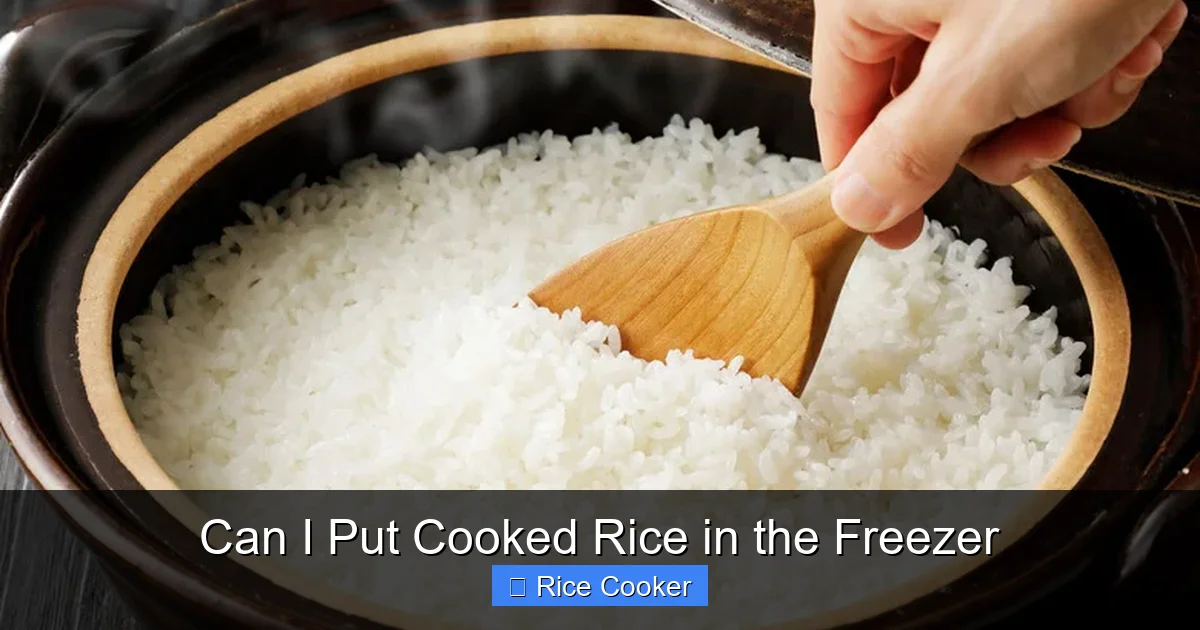
Can I put cooked rice in the freezer? Absolutely! Freezing cooked rice is a smart way to reduce food waste and enjoy ready-to-eat meals later. With proper storage techniques, your rice stays safe, fresh, and delicious for weeks—even months.
Key Takeaways
- Freezing extends shelf life: Cooked rice can last up to 3 months in the freezer when stored properly.
- Prevents spoilage: Freezing halts bacterial growth, including dangerous Bacillus cereus, which thrives in improperly cooled rice.
- Best storage method: Use airtight containers or heavy-duty freezer bags to maintain quality and prevent freezer burn.
- Thawing and reheating: Thaw rice in the fridge overnight or microwave it with a splash of water to restore moisture.
- Portion control: Freeze rice in meal-sized portions for easy reheating without waste.
- Safety first: Never refreeze rice that’s been fully defrosted unless cooked again.
- Versatile use: Frozen rice works great in stir-fries, casseroles, salads, or as a quick side dish.
📑 Table of Contents
- Can I Put Cooked Rice in the Freezer? A Complete Guide to Safe & Smart Storage
- Why Freeze Cooked Rice?
- How Long Can You Store Cooked Rice in the Freezer?
- Step-by-Step: How to Properly Freeze Cooked Rice
- What Happens When You Freeze Cooked Rice?
- How to Thaw and Reheat Frozen Cooked Rice
- Types of Rice That Freeze Well
- Common Mistakes to Avoid When Freezing Cooked Rice
- Can You Freeze Rice Before Cooking?
- Health and Safety Considerations
- Creative Ways to Use Frozen Cooked Rice
- Final Thoughts: Yes, You Should Freeze Cooked Rice
Can I Put Cooked Rice in the Freezer? A Complete Guide to Safe & Smart Storage
Have you ever found yourself staring at a pot of leftover rice after dinner, wondering what to do with it? Or maybe you cooked too much and ended up tossing half of it because you weren’t sure if it was still good? You’re not alone. In fact, millions of people every year discard perfectly edible food simply because they don’t know how to store it properly.
Cooked rice is one of those foods that’s both incredibly versatile and surprisingly tricky to store. While it makes a fantastic base for stir-fries, fried rice, or rice bowls, its tendency to harbor harmful bacteria—like Bacillus cereus—makes improper handling a real health risk. But here’s the good news: yes, you absolutely can put cooked rice in the freezer. And doing so is one of the safest, most practical ways to preserve it.
Freezing cooked rice is not only possible—it’s encouraged by food safety experts when done correctly. Whether you’re meal prepping for the week, making a big batch of fried rice, or just want to save time later, freezing rice is a game-changer. In this article, we’ll walk you through everything you need to know about freezing cooked rice: from preparation and storage to thawing and reheating, all while keeping your food safe and delicious.
Why Freeze Cooked Rice?
Visual guide about Can I Put Cooked Rice in the Freezer
Image source: mashed.com
Before diving into the “how,” let’s talk about the “why.” Why go through the trouble of freezing rice when you could just eat it now or toss it later?
First, freezing significantly extends the shelf life of cooked rice. At room temperature, rice should be used within 4–6 hours to avoid bacterial growth. Refrigerated rice lasts about 4–7 days. But in the freezer, properly stored rice can stay safe and tasty for up to 3 months. That’s a huge difference!
Second, freezing helps prevent food waste. We’ve all thrown away rice that looked or smelled fine but was past its prime. Freezing allows you to store rice in small portions, so you only take out what you need. This means less guessing and less guilt.
Third, frozen rice is incredibly convenient. Once it’s frozen solid, you can pop out a portion, thaw it quickly, and have a hot, fluffy side dish in minutes. It’s perfect for busy weeknights when you don’t want to cook from scratch.
And finally, freezing doesn’t ruin the texture or flavor of rice if done right. With a few simple steps, your frozen rice can taste almost as good as freshly made.
How Long Can You Store Cooked Rice in the Freezer?
One of the most common questions is: “How long can I keep cooked rice in the freezer?” The short answer is up to 3 months. But let’s break that down.
According to the U.S. Department of Agriculture (USDA), cooked rice can be safely stored in the freezer for up to 3 months. After that, while it may not be unsafe, the quality starts to decline. Texture becomes slightly drier, and flavor may fade.
But remember: freezing doesn’t kill bacteria—it stops their growth. So, the key is proper storage. If your rice has been sitting at room temperature for more than 2 hours before freezing, it should be discarded. Always cool rice quickly before freezing to minimize bacterial risk.
Also, note that different types of rice (white, brown, jasmine, basmati) behave slightly differently when frozen. Brown rice, with its higher oil content, may become softer over time, while white rice tends to hold its shape better. But both are safe to freeze for up to 3 months.
Step-by-Step: How to Properly Freeze Cooked Rice
Freezing rice might sound simple, but doing it right makes all the difference. Follow these steps to ensure your rice stays fresh, safe, and easy to reheat.
1. Cool the Rice Quickly
After cooking, don’t let rice sit out. Bacteria multiply rapidly between 40°F and 140°F (the “danger zone”). To cool rice safely, spread it in a shallow pan or tray. Stir occasionally to speed up cooling. You can even place the pan in an ice bath for faster results. Once it’s cool to the touch, proceed to the next step.
2. Portion It Out
Instead of freezing a whole pot, divide the rice into meal-sized portions. Use freezer-safe containers or heavy-duty plastic bags. Label each with the date and contents. Portioning prevents you from thawing more than you need, reducing waste.
3. Pack It Tightly
Use airtight containers or freezer bags. Squeeze out as much air as possible to prevent freezer burn. For bags, lay them flat so they freeze evenly and stack neatly in your freezer.
4. Freeze Flat or in Containers
If using bags, freeze them flat. This saves space and allows for faster thawing. If using containers, leave a little headspace since rice expands slightly when frozen.
5. Store at 0°F or Below
Keep your freezer at 0°F (-18°C) or lower for optimal preservation. Most home freezers meet this standard, but it’s worth checking.
6. Rotate Your Stock
Use the oldest frozen rice first. A good rule of thumb is the “first in, first out” method.
What Happens When You Freeze Cooked Rice?
You might wonder: does freezing change rice? The short answer is yes—but not necessarily for the worse.
When rice freezes, the water inside forms ice crystals. These can slightly disrupt the starch structure, which may affect texture. After thawing, rice can sometimes feel a bit dry or crumbly. But with the right reheating technique, you can bring back its fluffy consistency.
Another thing to consider is freezer burn. This happens when air touches the surface of the rice, causing dehydration and off-flavors. That’s why airtight packaging is essential.
However, freezing actually helps preserve nutrients better than refrigeration. Vitamin loss is slower in the freezer, so your rice retains more of its original nutritional value over time.
How to Thaw and Reheat Frozen Cooked Rice
Thawing and reheating frozen rice correctly is key to restoring its texture and flavor.
Thawing Options
- In the refrigerator: Transfer the container or bag to the fridge and let it thaw overnight. This is the safest method and preserves quality best.
- Quick thaw in cold water: Seal the bag tightly and submerge it in cold water for 15–30 minutes. Change the water every 15 minutes to keep it cold.
- Microwave defrost: Use the defrost setting. Stir occasionally to distribute heat evenly.
Reheating Tips
Once thawed, reheat rice thoroughly to an internal temperature of 165°F (74°C). Here’s how:
- Stovetop: Heat in a saucepan over medium-low. Add a tablespoon of water or broth per cup of rice. Cover and steam for 3–5 minutes, stirring occasionally.
- Microwave: Place rice in a microwave-safe dish. Cover with a damp paper towel to retain moisture. Microwave in 30-second intervals, stirring between each, until hot.
- Oven: Preheat to 350°F (175°C). Spread rice on a baking sheet, add a splash of water, cover with foil, and warm for 10–15 minutes.
Adding a little fat—like butter, oil, or a dash of soy sauce—can enhance flavor and help restore softness.
Types of Rice That Freeze Well
Not all rice is created equal when it comes to freezing. Some types hold up better than others.
White Rice
White rice freezes exceptionally well. Its refined grain structure resists breaking down during freezing and thawing. Jasmine and basmati white rice are especially popular choices for freezing due to their aromatic qualities.
Brown Rice
Brown rice can be frozen, but it may soften more than white rice. Because it contains more fiber and oils, it’s also more prone to oxidation. To minimize this, store it in airtight containers and consume within 2–3 months.
Wild Rice
Wild rice freezes well and keeps its chewy texture. It’s often used in stuffing or pilafs, so having it on hand is helpful.
Rice Bowls and Leftover Rice Dishes
Frozen rice works great in mixed dishes. Try freezing portions of fried rice, rice salads, or rice-based casseroles. Just make sure to cool them completely before freezing.
Common Mistakes to Avoid When Freezing Cooked Rice
Even with the best intentions, mistakes happen. Here are some common errors and how to fix them.
Mistake 1: Not Cooling Rice Fast Enough
Leaving hot rice uncovered encourages bacterial growth. Always cool rice within 2 hours.
Mistake 2: Using Non-Freezer-Safe Containers
Avoid glass containers that aren’t oven-safe or thin plastic bags that tear easily. Invest in BPA-free freezer bags or glass containers with tight lids.
Mistake 3: Overfilling Containers
Containers that are too full expand when frozen and may crack. Leave ½ inch of space at the top.
Mistake 4: Thawing on the Counter
Never thaw rice at room temperature. Bacteria grow quickly in the “danger zone.”
Mistake 5: Skipping the Damp Paper Towel
When microwaving, a damp paper towel helps trap steam, preventing dried-out rice.
Mistake 6: Refreezing Thawed Rice
Once rice has been fully thawed and warmed, it should not be refrozen unless cooked again first.
Can You Freeze Rice Before Cooking?
This is a fun twist: can you freeze uncooked rice?
Yes! Dry rice (uncooked) can be frozen for up to 1 year. Just store it in an airtight container or bag. When you’re ready to cook, take it out, rinse if needed, and cook as usual. Freezing uncooked rice can even reduce cooking time slightly because the grains are already partially hydrated.
However, this method isn’t commonly used in home kitchens. Most people prefer to freeze cooked rice for immediate use in meals.
Health and Safety Considerations
Food safety is paramount when dealing with rice. Unlike meat or dairy, rice doesn’t contain natural preservatives, making it vulnerable to contamination.
The main concern with rice is Bacillus cereus, a bacterium that can survive cooking and produce toxins that cause food poisoning. These toxins are heat-stable, meaning reheating won’t destroy them.
That’s why rapid cooling and proper freezing are so important. Freezing halts bacterial reproduction, giving you time to use the rice safely.
Always check for signs of spoilage: off smells, slimy texture, or mold. If anything looks or smells wrong, throw it out.
Creative Ways to Use Frozen Cooked Rice
Don’t let frozen rice sit in your freezer forever. Here are some delicious ideas:
- Fried Rice: Sauté frozen rice with vegetables, eggs, soy sauce, and your favorite proteins.
- Rice Pudding: Warm frozen rice with milk, sugar, cinnamon, and raisins for a cozy dessert.
- Risotto: Simmer frozen rice with broth for a creamy, comforting meal.
- Rice Salads: Mix thawed rice with chopped veggies, herbs, and a vinaigrette.
- Stuffed Peppers or Tomatoes: Use rice as a filling for baked stuffed dishes.
- Burgers or Patties: Combine rice with mashed potatoes or breadcrumbs for veggie patties.
Having frozen rice on hand makes it easy to whip up a meal in minutes—perfect for busy families or unexpected guests.
Final Thoughts: Yes, You Should Freeze Cooked Rice
So, can you put cooked rice in the freezer? The answer is a confident yes.
Freezing cooked rice is safe, practical, and helps reduce food waste. With proper techniques—cooling quickly, portioning, using airtight containers, and reheating thoroughly—you can enjoy rice that tastes great and is safe to eat.
Whether you’re meal prepping, saving leftovers, or just want a backup plan for dinner, freezing rice is a smart move. It’s one of those kitchen hacks that seems simple but makes a big difference.
Next time you have extra rice, don’t toss it. Freeze it. Your future self will thank you.
Frequently Asked Questions
Can I freeze cooked rice directly from the stove?
No, you shouldn’t freeze hot rice directly. Always cool it to room temperature first, ideally within 2 hours, to prevent bacterial growth. Spread it thinly to speed cooling.
Does frozen rice lose nutrients?
Freezing actually helps preserve nutrients better than refrigeration. While some vitamins can degrade over time, the process is slow. Properly stored rice remains nutritious for up to 3 months.
How do I prevent freezer burn on rice?
Use airtight containers or heavy-duty freezer bags, removing as much air as possible. Label with the date and store flat for even freezing. Freezer burn causes dryness and off-flavors.
Can I freeze rice in aluminum foil?
Not recommended. Aluminum foil isn’t airtight and can allow air to enter, leading to freezer burn. Use glass containers, plastic bags, or freezer-safe wraps instead.
Is it safe to eat reheated frozen rice?
Yes, as long as it’s heated to 165°F (74°C) throughout. Reheat thoroughly and never eat cold or undercooked rice, as it may harbor harmful bacteria.
How long does frozen rice last?
Properly stored cooked rice can last up to 3 months in the freezer. Quality begins to decline after that, though it’s still safe to eat. Always prioritize freshness and flavor.