
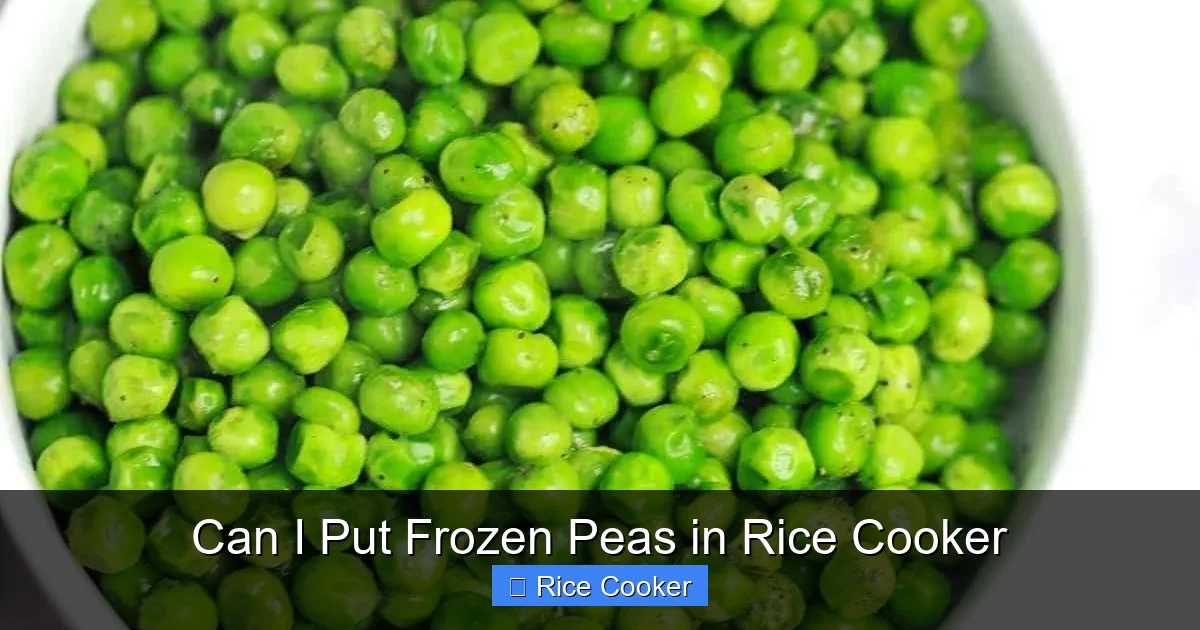
Can I put frozen peas in a rice cooker? Absolutely! This quick and easy method helps you prepare nutritious, tender peas without extra pots or pans. With just a few simple steps, you’ll have delicious, ready-to-eat peas in minutes—perfect for side dishes, stir-fries, or even as a snack.
Key Takeaways
- Frozen peas cook quickly: They typically take only 5–10 minutes in a rice cooker, making them one of the fastest ways to prepare vegetables.
- No pre-soaking needed: Unlike rice, frozen peas don’t require soaking—just add water and press start.
- Best cooking method: Use the “Steam” or “Rice” setting for consistent results; avoid overcooking by monitoring the timer.
- Nutritional benefits preserved: Steaming in a rice cooker retains vitamins and color better than boiling on the stove.
- Versatile uses: Cooked peas work great in salads, soups, casseroles, or as a simple side dish.
- Clean-up is easy: One-pot cooking means fewer dishes to wash afterward.
- Safety tip: Always ensure the peas are fully cooked before serving, especially if reheating leftovers.
📑 Table of Contents
- Can I Put Frozen Peas in a Rice Cooker? The Simple Answer
- Why Use a Rice Cooker for Frozen Peas?
- How to Cook Frozen Peas in a Rice Cooker: Step-by-Step Guide
- Tips for Perfectly Cooked Frozen Peas
- Troubleshooting Common Issues
- Creative Ways to Use Cooked Frozen Peas
- Are Frozen Peas Good for You?
- Comparing Methods: Rice Cooker vs. Other Cooking Techniques
- Final Thoughts: Why You Should Try This Today
Can I Put Frozen Peas in a Rice Cooker? The Simple Answer
If you’re like most home cooks, you’ve probably wondered whether it’s safe—and practical—to toss frozen peas into your rice cooker. The short answer? Yes, you absolutely can! In fact, using a rice cooker to cook frozen peas is not only possible but also incredibly convenient. Whether you’re meal-prepping for the week, whipping up a last-minute side dish, or just want to simplify your cooking routine, the rice cooker has got your back.
The beauty of using a rice cooker for frozen peas lies in its ability to steam food evenly and efficiently. Unlike boiling, which can leach nutrients out into the water, steaming preserves the vibrant green color, crisp texture, and essential vitamins in your peas. Plus, you don’t need to stand over the stove—just add ingredients, set the timer, and let the machine do the work. This makes it ideal for busy weekdays or when you’re cooking for a crowd.
In this comprehensive guide, we’ll walk you through everything you need to know about cooking frozen peas in a rice cooker. From understanding why this method works so well to troubleshooting common issues and exploring creative recipes, you’ll become a pro at using your rice cooker for more than just rice. Let’s dive in!
Why Use a Rice Cooker for Frozen Peas?
You might be thinking, “Do I really need a rice cooker just for peas?” And honestly, you could just microwave or boil them. But there are several compelling reasons why using a rice cooker is a smarter choice—especially when you consider convenience, nutrition, and consistency.
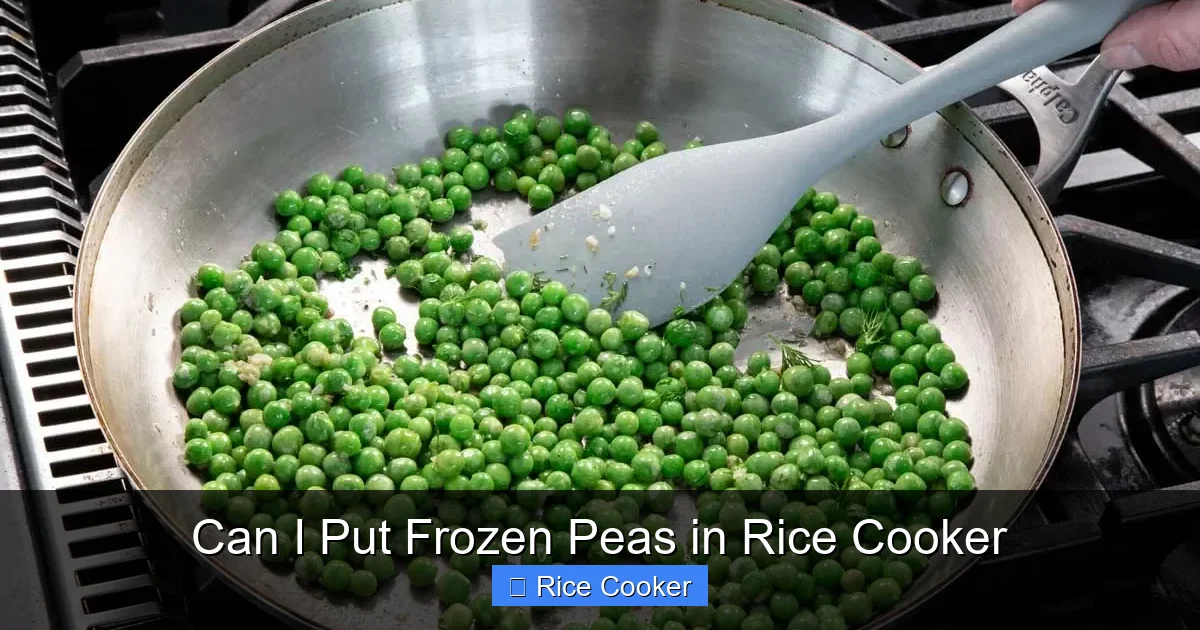
Visual guide about Can I Put Frozen Peas in Rice Cooker
Image source: recipes.net
1. Speed and Convenience
One of the biggest advantages of using a rice cooker is how fast it works. Frozen peas usually take only 5 to 10 minutes to cook completely. That’s faster than bringing a pot of water to a boil, adding the peas, waiting for them to soften, and then draining. With a rice cooker, you simply rinse (optional), add water, press a button, and walk away. It’s hands-free cooking at its finest.
2. Even Cooking and Consistent Results
Rice cookers are designed to maintain a steady internal temperature, ensuring that your peas cook uniformly. No more worrying about some peas being mushy while others are still icy. The automated shut-off feature also prevents overcooking—something that’s easy to mess up on the stovetop if you’re distracted.
3. Nutrient Retention
Steaming is widely recognized as one of the healthiest ways to cook vegetables because it minimizes nutrient loss. When you boil peas, valuable water-soluble vitamins like vitamin C and B-complex can dissolve into the water. But with a rice cooker, the peas steam in their own moisture, locking in flavor and nutrition. A study from the Journal of Agricultural and Food Chemistry found that steaming preserves up to 90% of certain heat-sensitive nutrients compared to boiling.
4. Less Mess and Fewer Dishes
Cooking peas on the stove often means dealing with splattering water, sticky pots, and a drain full of pea debris. A rice cooker keeps everything contained in one bowl. After cooking, just wipe the inside, and you’re done. It’s perfect for small kitchens or families who want to minimize cleanup.
5. Multi-Purpose Appliance Power
A good rice cooker isn’t just for grains. Many modern models come with multiple settings—steam, slow cook, yogurt, and even soup functions. By mastering frozen peas, you’re unlocking the full potential of your appliance. Soon, you’ll be making steamed broccoli, blanched carrots, and even poaching eggs all in the same machine.
How to Cook Frozen Peas in a Rice Cooker: Step-by-Step Guide
Ready to try it yourself? Here’s a foolproof method to cook frozen peas in your rice cooker. Follow these steps, and you’ll get perfectly tender yet crisp peas every single time.
What You’ll Need
- 1 cup frozen peas (do not thaw)
- ½ cup water (or vegetable broth for extra flavor)
- Pinch of salt (optional)
- Your rice cooker and inner pot
Step 1: Prepare the Rice Cooker Pot
Start by ensuring your rice cooker’s inner pot is clean and dry. If you notice any leftover residue from previous meals, give it a quick rinse. There’s no need to grease it—peas release their own moisture as they thaw and steam.
Step 2: Add Ingredients
Add the frozen peas directly to the pot. Do not thaw them first. Adding cold peas helps regulate the cooking temperature and prevents scorching. Pour in half a cup of water (or broth) over the peas. If you like seasoned peas, sprinkle in a pinch of salt or a dash of garlic powder for extra flavor.
Step 3: Set the Timer and Mode
Close the lid and select the “Steam” setting if your rice cooker has one. If not, use the standard “Rice” mode. Most rice cookers will automatically switch to “Keep Warm” once cooking is complete—but since peas cook so quickly, you may hear the switch happen within minutes.
Step 4: Wait and Check
Let the peas cook for about 7–10 minutes. Avoid opening the lid too early, as this lets heat escape and slows down the process. Once the cycle ends, check the peas. They should be bright green and slightly soft but not mushy. If they’re still icy, close the lid and let them sit for another 2–3 minutes.
Step 5: Serve Immediately
Open the lid carefully (watch for steam!), fluff the peas gently with a fork, and serve right away. For best texture and taste, eat them fresh—though you can store leftovers in an airtight container for up to 3 days.
Tips for Perfectly Cooked Frozen Peas
Even with the right method, a few small adjustments can make your peas even better. Here are some expert tips to help you nail the texture, flavor, and presentation.
Don’t Overfill the Pot
Most rice cookers work best when filled no more than halfway. Overloading can prevent proper steam circulation and lead to uneven cooking. If you’re cooking a large batch, consider doing it in two smaller portions.
Use Fresh Water or Broth
While tap water works fine, using vegetable or chicken broth adds subtle depth of flavor. Just remember that broth may contain salt, so adjust seasoning accordingly.
Flavor Boosters
- Lemon zest: Adds brightness and cuts through the earthiness of peas.
- Butter or olive oil: Stir in a teaspoon after cooking for richness.
- Herbs: Toss in fresh mint, dill, or chives at the end for a fresh twist.
Cool Down Quickly
If you’re adding peas to a cold dish like a salad or pasta, shock them in ice water after cooking to stop the cooking process and preserve their crunch. This technique is called “blanching” and is great for maintaining texture.
Reheating Leftovers
To reheat leftover steamed peas, place them back in the rice cooker with a splash of water and run the “Steam” cycle for 2–3 minutes. Alternatively, microwave in a covered bowl with a damp paper towel to retain moisture.
Troubleshooting Common Issues
Even with the best intentions, things don’t always go as planned. Here’s how to handle some common problems when cooking frozen peas in a rice cooker.
Problem: Peas Are Too Mushy
This usually happens when the peas are overcooked or the water ratio is too high. To fix it next time:
- Reduce water to ¼ cup per cup of peas.
- Cook for only 5–7 minutes.
- Avoid letting them sit in the “Keep Warm” mode for too long.
Mushy peas are still edible, but they’re best used in purees, soups, or mashed potato blends.
Problem: Peas Don’t Cook Through
If the center is still frozen solid, it could mean:
- The rice cooker isn’t hot enough (try preheating with a cup of boiling water).
- The peas are packed too tightly.
- You opened the lid frequently during cooking.
Solution: Spread peas loosely in the pot and ensure the heating element is clean and functional.
Problem: Bland Taste
Frozen peas can sometimes lack flavor, especially if they’ve been sitting in the freezer for a while. Combat blandness by:
- Adding herbs or spices during cooking.
- Finishing with a squeeze of lemon or a pat of butter.
- Using seasoned broth instead of plain water.
Creative Ways to Use Cooked Frozen Peas
Cooked peas aren’t just for eating straight from the bowl. They’re incredibly versatile and can elevate a wide range of dishes. Here are some delicious ideas to inspire your next meal.
1. Green Goddess Pasta Salad
Toss cooled peas with spiralized zucchini, cherry tomatoes, feta cheese, and a lemon-olive oil dressing. Top with toasted almonds for crunch. This colorful salad is perfect for picnics or summer dinners.
2. Pea and Mint Risotto
Instead of traditional Arborio rice, try blending cooked peas into a creamy risotto base. The natural sweetness pairs beautifully with Parmesan and fresh mint. It’s a vegetarian-friendly alternative that’s surprisingly rich.
3. Pea Pesto
Blend cooked peas with garlic, pine nuts, olive oil, and Pecorino Romano until smooth. Use it as a spread, pasta sauce, or dip. Swap out basil for a unique twist—pea pesto is mild, nutty, and oh-so-gourmet.
4. Stuffed Bell Peppers
Mix cooked peas into a quinoa-and-lentil filling, stuff into halved peppers, and bake until tender. Garnish with avocado slices and a drizzle of tahini for a satisfying plant-based meal.
5. Pea and Ham Skillet
Sauté diced ham with onions, then stir in cooked peas and a splash of cream. Serve over rice or polenta for a comforting, protein-packed dinner.
6. Smoothie Booster
Blended frozen peas add natural sweetness and hidden veggies to green smoothies. Combine with banana, spinach, almond milk, and a touch of honey for a nutrient-dense breakfast.
Are Frozen Peas Good for You?
Absolutely! Frozen peas are not only convenient but also packed with nutrients. According to the USDA, one cup of frozen peas contains:
- 9 grams of carbohydrates
- 4 grams of fiber
- 4 grams of protein
- Vitamin K, vitamin C, folate, and potassium
They’re low in calories (about 60 per cup) and high in antioxidants, which support heart health, digestion, and immune function. Freezing preserves many of these nutrients better than canning, and they’re harvested at peak ripeness—meaning you get maximum nutrition even after months in the freezer.
Plus, because they’re flash-frozen shortly after harvest, frozen peas retain their vibrant color and crisp texture far longer than fresh peas, which wilt quickly once picked.
Comparing Methods: Rice Cooker vs. Other Cooking Techniques
Let’s compare how different cooking methods stack up when it comes to preparing frozen peas. We’ll look at taste, texture, nutrition, and effort.
| Method | Time | Texture | Nutrition | Effort |
|---|---|---|---|---|
| Rice Cooker (Steam) | 5–10 min | Even, tender-crisp | High (steamed) | Very Low |
| Boiling | 3–5 min + draining | Soft, sometimes mushy | Medium (nutrients lost in water) | Medium |
| Microwave | 2–4 min | Variable (can be soggy) | Medium-High | Low |
| Sautéing | 4–6 min | Crispy edges, soft center | High | Medium |
As you can see, the rice cooker strikes a sweet spot between speed, simplicity, and quality. While microwaving is faster, it often leads to uneven cooking. Boiling is fine but wastes water and nutrients. Sautéing gives great flavor but requires attention. The rice cooker offers automation without sacrificing results.
Final Thoughts: Why You Should Try This Today
Cooking frozen peas in a rice cooker isn’t just a clever trick—it’s a game-changer for anyone looking to eat healthier, save time, and reduce kitchen clutter. It’s accessible to beginners and efficient enough for experienced cooks. Whether you’re feeding a family, meal-prepping lunches, or just craving a quick side, this method delivers consistent, tasty results with minimal effort.
And here’s the best part: once you master peas, you’ll likely start experimenting with other frozen vegetables—broccoli, corn, carrots—all using the same simple technique. Your rice cooker becomes a multi-tool for healthy living.
So go ahead—grab those frozen peas, fire up your rice cooker, and enjoy a bowl of perfectly steamed greens in under ten minutes. Your future self (and your taste buds) will thank you.
Frequently Asked Questions
Can I cook other frozen vegetables in a rice cooker?
Yes! Broccoli, green beans, carrots, and corn all work well in a rice cooker using the same steaming method. Adjust cooking times based on vegetable density—firm veggies like carrots may need a few extra minutes.
Should I rinse frozen peas before cooking?
It’s optional. Rinsing removes excess ice crystals and any packaging residue, but it’s not necessary. If you skip rinsing, make sure the peas aren’t clumped together to allow even heat distribution.
Can I cook peas and rice together in the same pot?
Technically yes, but it’s not recommended. Rice needs a longer cooking time and absorbs liquid differently than peas. Cooking them separately ensures both reach ideal texture and don’t interfere with each other.
How long do cooked peas last in the fridge?
Stored in an airtight container, cooked peas stay fresh for up to 3–4 days. For longer storage, freeze them in portion-sized bags for up to 8 months. Thaw before reheating.
Is it safe to leave peas in the rice cooker after cooking?
Yes, but avoid leaving them in the “Keep Warm” mode for more than 1 hour. Bacteria can grow in the temperature danger zone (40°F–140°F). If unsure, refrigerate promptly.
Can I use the rice cooker’s “Slow Cook” setting for peas?
Not ideal. Slow cooking at low temperatures won’t properly thaw frozen peas or kill bacteria effectively. Stick to steam or short-cycle rice modes for safety and texture.