
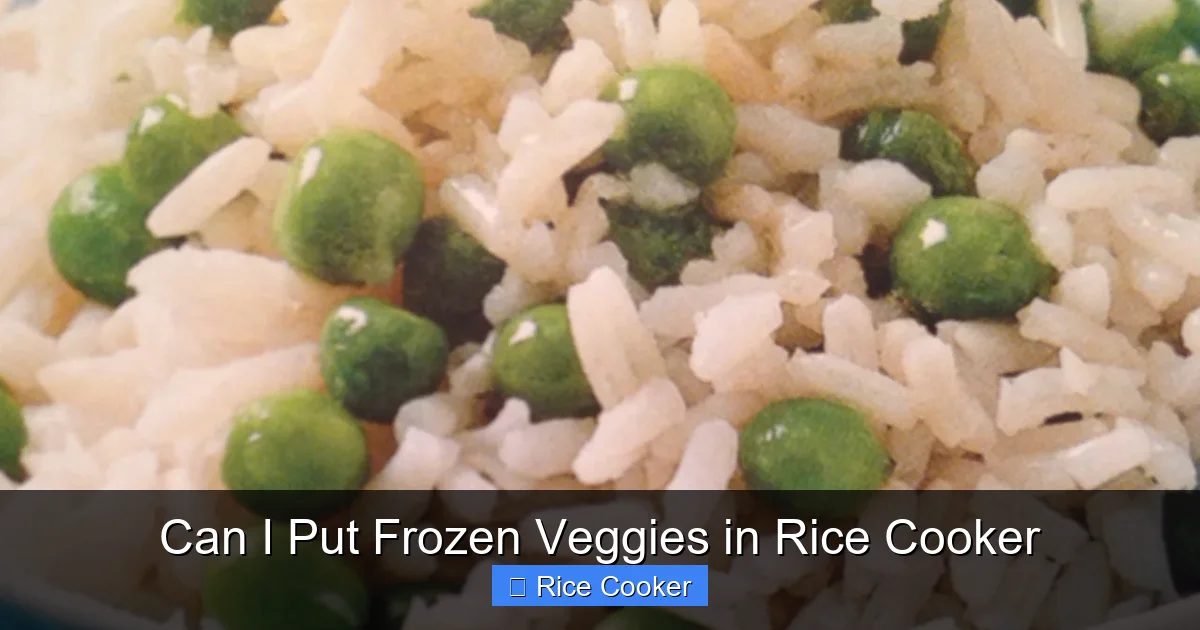
You can definitely add frozen vegetables to your rice cooker—no thawing required! It’s a quick, easy way to boost flavor, nutrition, and meal variety without extra steps. Whether you’re making fried rice, stir-fry-style grains, or just want a veggie-packed side dish, the rice cooker handles it all with minimal effort.
Have you ever stood over a hot stove, stirring a pot of rice while also trying to sauté frozen broccoli, only to realize how messy and time-consuming it all is? Or maybe you bought a big bag of mixed frozen vegetables but aren’t sure what to do with them beyond boiling or microwaving? If so, you’re not alone. Many home cooks love the convenience of their rice cookers—but are hesitant to use them with frozen ingredients because they worry about uneven cooking, mushy textures, or watery results.
The good news? You can absolutely put frozen veggies in your rice cooker—and doing so opens up a world of quick, healthy, and fuss-free meals. In fact, using frozen vegetables in this appliance might be one of the easiest ways to sneak more plant-based goodness into your daily diet. Whether you’re preparing a side dish, building a grain bowl, or making a one-pot meal, your rice cooker is ready for action—no prep required.
In this article, we’ll walk through everything you need to know: which frozen vegetables work best, how to adjust your recipe, tips for perfect texture and flavor, creative meal ideas, and common mistakes to avoid. By the end, you’ll feel confident tossing those frozen peas or chopped kale straight into your cooker—and enjoying vibrant, nutritious meals every time.
Key Takeaways
- Frozen veggies work great in rice cookers—they cook quickly and evenly without needing to be pre-thawed.
- No need to drain or squeeze them; just toss them in raw for hands-off cooking.
- Best results come from choosing compatible vegetables like peas, corn, broccoli, carrots, and bell peppers.
- Adjust water levels slightly when using frozen ingredients to account for added moisture.
- This method saves time and reduces food waste by using up leftover frozen produce.
- Experiment with seasonings and proteins to turn your rice cooker meal into a complete dinner.
- Cleaning is easy—most rice cookers have non-stick inner pots that wipe clean after cooking frozen veggies.
📑 Table of Contents
- Why Use Frozen Veggies in Your Rice Cooker?
- Which Frozen Vegetables Work Best?
- How to Add Frozen Veggies Without Mess or Misfires
- Creative Meal Ideas Using Frozen Veggies in the Rice Cooker
- Common Mistakes and How to Avoid Them
- Tips for Cleaning and Maintaining Your Rice Cooker After Using Frozen Veggies
- Final Thoughts: Embrace the Convenience
Why Use Frozen Veggies in Your Rice Cooker?
Frozen vegetables are a kitchen staple for good reason. They’re picked at peak ripeness, flash-frozen soon after harvest, and lock in nutrients better than many fresh options that sit on shelves for days. Plus, they save you time, reduce food waste, and make healthy eating accessible—even on busy nights.
Using them in your rice cooker takes that convenience to the next level. Unlike stovetop methods that require constant attention (stirring, monitoring, draining), the rice cooker does all the work automatically. Just measure your rice, add water, throw in your frozen veggies, press start, and go about your day.
This method is especially helpful during winter months when fresh produce is limited, or when you’re meal-prepping for the week ahead. Instead of buying separate frozen entrees, you can build balanced, homemade meals using simple ingredients you already have in your freezer.
The Science Behind Cooking Frozen Veggies in a Rice Cooker
When you add frozen vegetables directly to uncooked rice, several things happen:
– As the rice absorbs water and begins to heat up, the surrounding temperature rises.
– The frozen veggies slowly defrost and cook through conduction—heat transfers from the hot water and rice to the vegetables.
– Because everything cooks together in a sealed environment, flavors blend beautifully.
– Steam builds up inside the pot, gently steaming the veggies instead of boiling them, which helps preserve color, texture, and nutrients.
Most rice cookers are designed to maintain consistent internal temperatures between 185°F and 212°F (85°C to 100°C), which is ideal for both grains and vegetables. This means even if your veggies start out at 0°F (-18°C), they’ll warm up gradually and cook thoroughly without shocking the system.
Importantly, you don’t need to thaw frozen vegetables before adding them. Doing so can lead to sogginess or inconsistent cooking. The rice cooker handles it perfectly—just give it a gentle stir halfway through cooking if you prefer even distribution.
Which Frozen Vegetables Work Best?
Visual guide about Can I Put Frozen Veggies in Rice Cooker
Image source: missvickie.com
Not all frozen vegetables are created equal when it comes to rice cooker compatibility. Some hold their shape well, others break down quickly, and some may release too much water and dilute your dish. Here’s a breakdown of the best options:
Top Performers: Low-Moisture & Firm Textures
- Broccoli florets: Cook evenly and stay tender-crisp.
- Peas: Sweet, bright green, and naturally starchy—great for binding sauces.
- Cauliflower: Becomes fluffy and absorbs seasonings well.
- Carrots (diced or sliced): Add natural sweetness and color.
- Bell peppers (chopped): Cook down nicely without turning to mush.
- Mushrooms: Release liquid as they cook, so use sparingly or drain excess water first.
Use with Caution: High-Moisture or Delicate Types
- Spinach or kale: Wilt quickly; best added near the end of cooking or stirred in after.
- Zucchini or summer squash: Can become waterlogged; consider lightly salting and squeezing to remove excess moisture before adding.
- Green beans: May soften too much; cook on the “porridge” or extended setting if available.
Pro tip: Look for plain, unseasoned frozen vegetables without added sauces or breading. These pure veggies won’t interfere with your rice’s texture or create unwanted gunk in your cooker.
How to Add Frozen Veggies Without Mess or Misfires
Adding frozen vegetables to your rice cooker seems straightforward—but a few small adjustments ensure success every time.
Step-by-Step Instructions
- Measure your rice according to package directions (usually 1 cup rice : 1½ cups water).
- Add the correct amount of water. Since frozen veggies contain moisture, reduce total liquid by about ¼ cup to prevent soupiness.
- Toss in your frozen vegetables—no need to thaw. Mix them gently with the rice before pouring in water.
- Close the lid and select the appropriate setting. Standard white rice mode works fine for most combos. For firmer grains like quinoa or barley, use the corresponding setting.
- Avoid opening the lid during cooking. Every time you lift it, steam escapes and cooking times increase.
- Let the unit keep warm for 10–15 minutes after cycling off. This finishes cooking any stubborn bits and melds flavors.
Water Adjustments Are Key
One of the biggest concerns people have is whether adding frozen veggies will make their rice too wet. The answer depends on the type and quantity of vegetables used.
As a general rule:
– For every 1 cup of frozen vegetables added, reduce water by 2–4 tablespoons.
– Heavier veggies like mushrooms or zucchini release more water, so cut back accordingly.
– Lighter ones like peas or broccoli need less adjustment.
If you’re unsure, start with the standard rice-to-water ratio and add veggies halfway through cooking. That way, you can monitor consistency and adjust future batches.
Creative Meal Ideas Using Frozen Veggies in the Rice Cooker
Once you master the basics, the possibilities explode. Here are six delicious ways to turn frozen vegetables into satisfying meals:
1. Tropical Coconut Fried Rice
Combine jasmine rice, frozen mango chunks, frozen edamame, diced red bell pepper, and shredded carrots. Add coconut milk instead of water, plus soy sauce, garlic powder, and a splash of lime juice. Cook on white rice setting and top with crushed peanuts and cilantro.
2. Mediterranean Grain Bowl
Cook farro or brown rice with frozen spinach, artichoke hearts (thawed and drained), sun-dried tomatoes (oil packed), and olives. Season with oregano, lemon zest, and olive oil. Finish with feta cheese and grilled chicken if desired.
3. Spicy Southwest Black Bean Bowls
Mix black beans, corn, black-eyed peas, and diced tomatoes (with juice) into cooked white or wild rice. Season with chili powder, cumin, smoked paprika, and a dash of hot sauce. Top with avocado slices and sour cream.
4. Creamy Garlic Parmesan Polenta with Roasted Veggies
Instead of traditional polenta, try instant grits or quick-cooking oats in your rice cooker. Stir in frozen broccoli, cauliflower, and peas. Mix in grated Parmesan, garlic powder, and a splash of heavy cream for richness.
5. Asian-Inspired Brown Rice Stir-Fry
Sauté minced ginger and garlic in a bit of oil before adding brown rice, frozen snap peas, carrots, and bok choy. Pour in low-sodium broth (instead of water), soy sauce, sesame oil, and a pinch of sugar. Simmer until tender and fluff with a fork.
6. One-Pot Chicken and Veggie Dinner
Brown chicken breasts in a skillet, then transfer to your rice cooker with rice, frozen corn, diced potatoes, and onion. Cover with chicken broth and seasonings like thyme, rosemary, and bay leaf. Cook until chicken is done and rice is fluffy.
Each of these recipes uses minimal prep, requires only one pot, and delivers maximum flavor and nutrition. Best of all—cleanup takes less than five minutes.
Common Mistakes and How to Avoid Them
Even experienced cooks occasionally run into issues when using frozen veggies in their rice cookers. Let’s demystify the most frequent pitfalls:
Mistake #1: Not Adjusting Water Levels
Result: Soup instead of rice, or undercooked grains.
Solution: Always reduce water slightly when adding frozen vegetables. Start conservatively and tweak based on results.
Mistake #2: Overloading the Pot
Result: Uneven cooking, stuck-on residue, or burnt bottoms.
Solution: Follow manufacturer guidelines for max capacity. Don’t fill past the “max line.”
Mistake #3: Adding Salt Too Early
Result: Hardened rice or overly salty edges.
Solution: Add salt after cooking or mix it into the water toward the end. Some rice cookers benefit from salting post-cooking anyway.
Mistake #4: Ignoring the Keep-Warm Setting
Result: Cold, clumpy rice that doesn’t reheat well.
Solution: Let the cooker rest on keep-warm for at least 10 minutes. This allows residual heat to finish cooking any uncooked bits and redistributes moisture.
Mistake #5: Using Pre-Cooked or Breaded Frozen Veggies
Result: Greasy, greasy mess that coats your cooker’s interior.
Solution: Stick to plain frozen vegetables. If you must use flavored varieties (like garlic butter broccoli), rinse them briefly in cold water before adding.
Mistake #6: Skipping the Stir Before Closing
Result: Veggies stuck to the bottom or uneven distribution.
Solution: Gently mix rice and frozen vegetables together before pouring in water and closing the lid.
By avoiding these errors, you’ll enjoy consistently great results—every single time.
Tips for Cleaning and Maintaining Your Rice Cooker After Using Frozen Veggies
After cooking frozen vegetables, your rice cooker may have some residual moisture or tiny bits of veggies clinging to the sides. Fear not—cleaning is simple and quick.
Immediate Care Steps
- Unplug the unit and let it cool completely before cleaning.
- Remove the inner pot and wash it with warm, soapy water. Most are dishwasher-safe, but hand-washing preserves the non-stick coating longer.
- Wipe the exterior and lid with a damp cloth. Avoid submerging the base or electrical components.
- Check the steam vent and clear any debris with a toothpick or soft brush.
- Air-dry everything thoroughly before storing to prevent mold or mildew.
For stubborn spots or lingering odors, sprinkle baking soda on the inner pot, fill halfway with water, and run a quick cycle on the “cook” setting. Then rinse thoroughly.
Regular maintenance extends the life of your rice cooker and ensures hygienic, odor-free operation—even after hearty vegetable-loaded meals.
Final Thoughts: Embrace the Convenience
Putting frozen veggies in your rice cooker isn’t just possible—it’s brilliant. It transforms a humble kitchen appliance into a versatile, time-saving powerhouse for healthy eating. No chopping, no draining, no babysitting required. Just measure, toss, press start, and enjoy.
Whether you’re feeding a family, meal-prepping for the week, or simply craving something nutritious after a long day, this technique delivers on all fronts. And because frozen vegetables retain their nutrients so well, you’re getting real food benefits—not empty calories or processed junk.
So next time you open your freezer and see those colorful bags of peas, carrots, or broccoli, don’t hesitate. Grab your rice cooker, add a handful, and watch magic happen. Your taste buds—and your schedule—will thank you.
Frequently Asked Questions
Can I use any type of frozen vegetables in my rice cooker?
Most plain frozen vegetables work well—peas, broccoli, carrots, and bell peppers are ideal. Avoid heavily seasoned or breaded varieties, as they can leave residue and affect texture. Spinach and delicate greens are best added near the end of cooking.
Do I need to thaw frozen vegetables before adding them to the rice cooker?
No, you don’t need to thaw them. In fact, thawing can cause uneven cooking or soggy results. Just toss the frozen vegetables directly into uncooked rice and proceed as usual.
Will adding frozen veggies make my rice too wet?
Possibly—but you can easily fix it by reducing the amount of water slightly. For every cup of frozen vegetables, decrease water by 2–4 tablespoons. Monitor consistency and adjust future batches accordingly.
What’s the best way to season rice with frozen veggies?
Seasonings work best when added to the water or mixed with the rice before cooking. Try soy sauce, garlic powder, Italian herbs, smoked paprika, or coconut milk for rich flavor. Taste and adjust after cooking.
Can I cook meat or protein along with frozen vegetables in the rice cooker?
Yes! Brown chicken, beef, or tofu in a skillet first, then transfer to the cooker with rice and frozen veggies. Add broth instead of water for extra moisture and flavor.
How long should I let the rice cooker keep warm after cooking?
At least 10–15 minutes. This allows any uncooked bits to finish cooking and helps redistribute moisture, resulting in fluffier rice and better-tasting vegetables.