
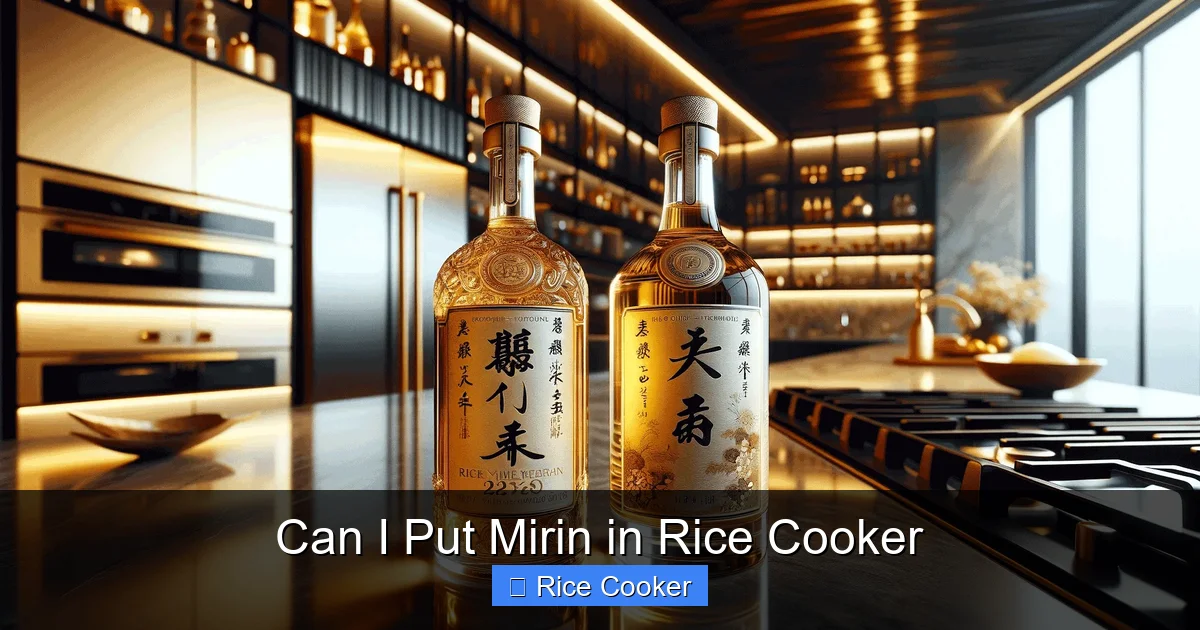
Can I put mirin in rice cooker? Absolutely! Mirin adds a subtle sweetness and glossy finish to your rice without affecting the cooker’s function. It’s a simple swap that turns plain rice into something special—great for sushi, fried rice, or side dishes.
Have you ever stared at a pot of plain white rice, wondering how to make it taste more interesting? Or maybe you’ve seen beautifully glazed rice in Japanese restaurants and wondered how they do it? The secret might be simpler than you think: mirin. That’s right—this sweet, umami-rich Japanese condiment can transform your everyday rice into something extraordinary—and the best part? You don’t need fancy equipment. Your trusty rice cooker is all you need.
In this deep dive, we’ll answer your burning question—can I put mirin in rice cooker?—and show you exactly how to do it right. From flavor profiles to technique tips, we’ll cover everything so your rice doesn’t just fill your stomach—it delights your senses.
Key Takeaways
- Mirin works perfectly in rice cookers: It doesn’t interfere with heating or steaming mechanisms.
- Enhances flavor and texture: Adds natural sweetness, depth, and a tender bite to rice.
- Boosts visual appeal: Gives rice a beautiful, glossy sheen that looks restaurant-quality.
- Versatile ingredient: Great for savory dishes like teriyaki chicken or onigiri.
- Use sparingly: A little goes a long way—too much can make rice overly sticky or cloying.
- Substitute if needed: Mix sugar and rice vinegar if mirin isn’t available.
- Safety first: Always use food-safe mirin (not cooking sake) to avoid off-flavors.
📑 Table of Contents
- What Is Mirin and Why Should You Care?
- Can You Put Mirin in a Rice Cooker? Yes—Here’s How!
- Benefits of Cooking Rice with Mirin
- Troubleshooting Common Issues
- Creative Ways to Use Mirin-Rice Beyond the Basics
- Substitutions When You Don’t Have Mirin
- Tips for Choosing and Storing Mirin
- Final Thoughts: Is Mirin Worth It?
What Is Mirin and Why Should You Care?
Before we get into the nitty-gritty of cooking with mirin, let’s talk about what it actually is. Mirin is a type of Japanese sweet rice wine, traditionally used in both sweet and savory dishes. Unlike Western cooking wines, which are often salty or acidic, mirin is naturally sweet due to its high sugar content—typically around 14% alcohol and 17–18% sugar. It’s made from fermented glutinous rice, similar to sake, but with added sugar to balance the flavor.
The magic of mirin lies in its ability to add subtle sweetness while enhancing umami. It doesn’t overpower like sugar would; instead, it deepens flavors and creates a balanced, rounded taste. Think of it as nature’s flavor enhancer—no artificial additives, just clean, delicious complexity.
Now, here’s the fun part: mirin isn’t just for desserts. In Japan, it’s a staple in many savory dishes like teriyaki, simmered vegetables, and yes—rice. When cooked with rice, mirin brings out a richer aroma, gives the grains a soft sheen, and prevents them from drying out during storage.
Types of Mirin: Which One Should You Use?
Not all mirin is created equal. There are two main types:
– Hon Mirin: This is traditional, full-strength mirin with a longer fermentation time. It has a deeper flavor and lower acidity. Because it’s less processed, it’s the best choice for cooking.
– Mirin-Style Seasoning: These are commercial versions designed for convenience. They often contain sugar, salt, and preservatives to extend shelf life. While still tasty, they lack the depth of hon mirin.
When buying mirin, look for bottles labeled “cooking mirin” or “hon mirin.” Avoid those marketed as “sweet mirin” or “for dessert”—they’re usually too sugary and not meant for savory cooking.
Also, always check the label. Some brands mix mirin with sake to cut costs. If the bottle says “mirin” but lists sake as the second ingredient, it’s not ideal for cooking. True mirin should list rice, water, kome jō (polished rice), and sometimes barley or other grains—but no artificial flavors.
Can You Put Mirin in a Rice Cooker? Yes—Here’s How!
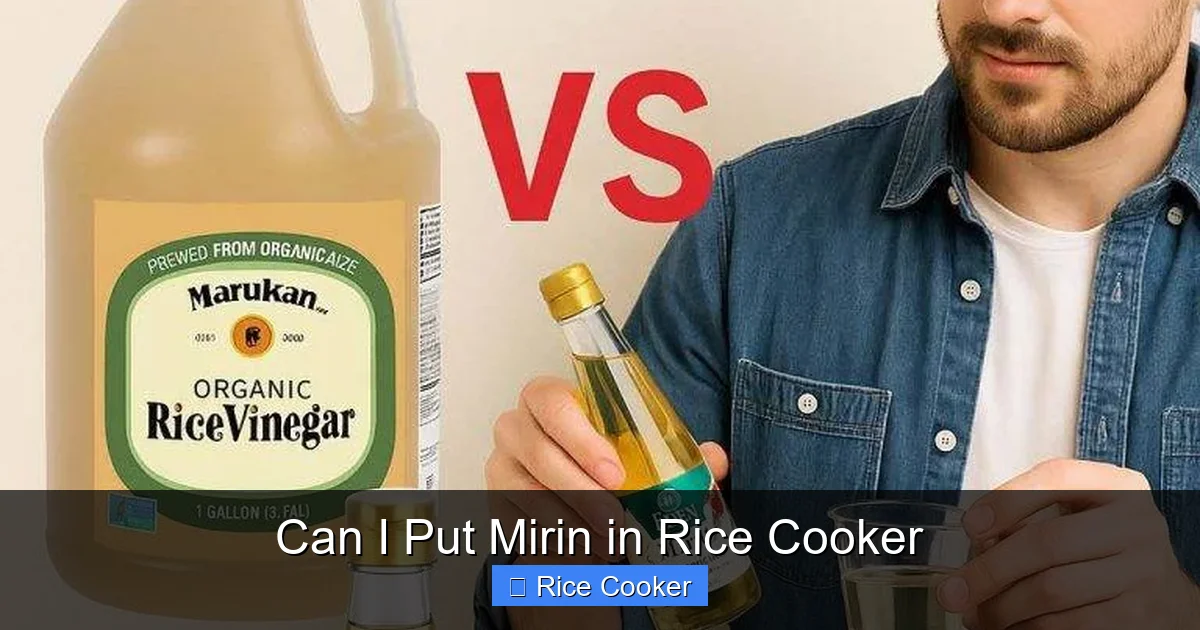
Visual guide about Can I Put Mirin in Rice Cooker
Image source: expertreviewsbestricecooker.com
So, back to your original question: can I put mirin in rice cooker? The short answer is yes—absolutely! And the good news? Your rice cooker handles mirin just fine. Unlike boiling pots where heat can evaporate delicate flavors unevenly, rice cookers maintain a consistent temperature throughout the cooking cycle. This means mirin melts into the rice gently, infusing each grain with flavor without burning or turning bitter.
The process is simple: treat mirin like you would water or broth. Just swap out some of the liquid (usually half the water) for an equal amount of mirin. For example, if your recipe calls for 1 cup of water, try using ½ cup water + ½ cup mirin. This keeps the rice moist and flavorful without making it too wet or sticky.
One thing to remember: mirin is already cooked rice wine. That means it doesn’t need extra cooking time—just add it along with the water and rice. The rice cooker will handle the rest.
Practical Example: Sweet & Savory Mirin Rice
Let’s walk through a quick recipe to see how easy it is:
Ingredients:
– 1 cup Japanese short-grain rice
– ¾ cup water
– ¼ cup mirin
– Pinch of salt
Instructions:
1. Rinse the rice under cold water until the water runs clear. This removes excess starch and prevents stickiness.
2. Add rice, water, mirin, and a pinch of salt to the rice cooker bowl.
3. Stir gently to combine.
4. Close the lid and press “Cook.” Most rice cookers have a standard setting—no need to adjust anything.
5. Once done, fluff the rice with a fork and serve immediately.
Voilà! You’ve got fragrant, slightly sweet rice with a beautiful golden hue. It pairs wonderfully with grilled fish, miso soup, or even onigiri (Japanese rice balls).
Benefits of Cooking Rice with Mirin
Adding mirin to your rice cooker isn’t just about gourmet flair—it offers several real benefits that improve both taste and texture.
1. Enhanced Flavor Profile
Plain rice is neutral, which is why it works well as a base. But mirin adds layers. Its natural sweetness balances savory dishes, while its umami notes deepen overall richness. Try serving mirin rice with teriyaki beef or stir-fried veggies—the flavors meld beautifully.
2. Improved Texture and Moisture Retention
Thanks to its alcohol content, mirin helps the rice absorb moisture evenly. After cooking, the alcohol evaporates, leaving behind soft, fluffy grains that stay tender even after cooling. This is especially helpful if you’re meal-prepping—mirin rice reheats better than regular rice.
3. Natural Gloss and Appearance
Ever notice how restaurant rice looks shiny and appetizing? That’s the result of mirin’s natural sugars caramelizing slightly during cooking. Your homemade rice won’t look quite like that—but it’ll be close enough to impress guests!
4. Healthier Alternative to Added Sugar
If you’re watching your sugar intake, mirin is still a better option than pouring in granulated sugar. It provides sweetness without the spike in calories or refined carbs. Plus, it’s free of artificial preservatives when you choose high-quality brands.
5. Versatility Across Cuisines
Mirin isn’t just for Japanese food. It works wonders in fusion recipes too! Try mirin rice with Korean bulgogi, Thai basil chicken, or even Mexican-style rice with black beans and corn. The subtle sweetness complements spicy, tangy, and smoky flavors alike.
Troubleshooting Common Issues
Even though mirin is safe and easy to use, a few common mistakes can ruin your results. Here’s how to avoid them.
Problem: Rice Is Too Sticky or Gluey
This usually happens when too much mirin is used—or when the wrong ratio of liquid is applied. Mirin is thick and syrupy compared to water. Using full mirin instead of mixing it with water can overwhelm the rice.
Solution: Always dilute mirin with water. A good rule of thumb is 1 part mirin to 2–3 parts water. Start with ¼ cup mirin per cup of rice, then adjust next time based on preference.
Problem: Off-Flavors or Sour Taste
This is rare but possible if you use low-quality mirin-style seasoning. These products often contain vinegar or citric acid, which can leave a sour aftertaste when heated.
Solution: Stick to pure hon mirin. If you’re unsure, taste a small amount before cooking. It should smell fragrant and slightly floral—not vinegary.
Problem: Rice Doesn’t Cook Evenly
Some rice cookers struggle with non-traditional liquids. If your rice comes out uneven—some parts mushy, others hard—try reducing the mirin slightly and increasing water by 1 tablespoon.
Problem: Alcohol Smell Lingers
While most of the alcohol evaporates during cooking, a faint smell may remain. If you’re sensitive to it, open the lid briefly halfway through cooking to release steam.
Creative Ways to Use Mirin-Rice Beyond the Basics
Once you master basic mirin rice, the possibilities expand. Here are some inspired ideas:
Onigiri (Japanese Rice Balls)
Mix mirin rice with furikake (seasoned seaweed flakes) or pickled plums (umeboshi) for flavor. Press into triangle shapes, wrap in nori, and enjoy as a portable snack or lunchbox addition.
Rice Bowl Toppings
Serve mirin rice topped with marinated tofu, sautéed mushrooms, and a drizzle of ponzu sauce. The mirin cuts through rich textures and adds brightness.
Fried Rice Upgrade
Instead of plain steamed rice, use leftover mirin rice for fried rice. The sweetness complements soy sauce and egg, creating a harmonious balance.
Sushi Rice Perfection
While traditional sushi rice uses rice vinegar, sugar, and salt, adding a touch of mirin can enhance the gloss and depth. Just don’t overdo it—too much sweetness masks the fish’s flavor.
Meal Prep Magic
Cook a big batch of mirin rice on Sunday and store it in airtight containers. It stays fresh for up to 5 days in the fridge and tastes great cold too—perfect for salads or wraps.
Substitutions When You Don’t Have Mirin
Life happens—sometimes you run out of mirin. No worries! You can mimic its effect with common pantry items.
Best Substitute: Rice Vinegar + Sugar
Mix 1 tablespoon rice vinegar with 1 teaspoon sugar. Let it dissolve completely. This combo replicates mirin’s balance of sweet and tangy.
Quick Fix: Sake + Sugar
If you have dry sake, add 1 teaspoon sugar per 1 tablespoon sake. Heat gently until dissolved, then use as you would mirin.
Not Recommended: Sweet Cooking Wine
Avoid using sweet vermouth or dessert wines. They contain different flavor compounds and may alter the final taste negatively.
Always test substitutions in small batches first. What works in theory might not work in practice depending on your rice type and cooker model.
Tips for Choosing and Storing Mirin
To get the most out of mirin—especially in your rice cooker—it pays to know how to handle it properly.
Buy Quality Over Quantity
Don’t skimp on mirin. Cheap versions lose potency quickly and develop off-notes. Invest in a reputable brand like Kikkoman, Marukan, or Yamato. They last up to a year unopened and 6 months once opened if refrigerated.
Store Properly
After opening, seal the bottle tightly and refrigerate. Mirin thickens when cold, but it returns to normal consistency at room temperature. If it’s been open too long, it may taste flat—trust your nose.
Check Expiration Dates
Unlike many spirits, mirin doesn’t have an indefinite shelf life. Look for “best by” dates on the label. Discard if it smells off or develops mold.
Final Thoughts: Is Mirin Worth It?
So, back to the question that started it all: can I put mirin in rice cooker? The answer is a confident yes—and not just because it’s possible. Mirin transforms ordinary rice into something memorable, versatile, and deeply satisfying. It’s one of those small ingredients that makes a big difference, much like salt or butter in Western cooking.
Whether you’re feeding a family dinner or impressing a dinner guest, mirin rice delivers. It’s easy, affordable, and requires no special skills. All you need is curiosity and a willingness to experiment.
Give it a try tonight. Swap out half your water for mirin, cook your rice as usual, and take a moment to appreciate the subtle shift in aroma, taste, and appearance. You might just find yourself reaching for the bottle again tomorrow.
Remember: cooking is about joy, not perfection. Even professional chefs tweak recipes daily. So go ahead—add that mirin, taste it, learn from it. Your rice (and your palate) will thank you.
Frequently Asked Questions
Can mirin replace all the water in rice cooker?
No, using 100% mirin will make rice overly sticky and unbalanced. Always mix it with water—start with a 1:2 ratio (one part mirin to two parts water).
Does mirin affect the cooking time in a rice cooker?
No, mirin doesn’t change cooking time. It behaves like liquid, so the cycle remains the same as regular rice.
Is it okay to use mirin for sushi rice?
Yes, but use sparingly. Traditional sushi rice relies on vinegar-sugar balance; mirin adds sweetness that may mask delicate flavors if overused.
Can kids eat mirin rice?
Yes, but in moderation. Mirin contains trace alcohol that evaporates during cooking, but the residual sweetness may not appeal to young palates.
Will mirin rice go bad faster than regular rice?
Not significantly. Properly stored, mirin rice lasts as long as regular rice—about 5–7 days refrigerated. Keep it sealed to prevent drying.
Can I freeze mirin rice?
Absolutely. Portion into freezer-safe containers and freeze for up to 2 months. Thaw overnight in the fridge before reheating.