
Can I put my rice cooker in the dishwasher? This is a common question many home cooks ask. The short answer is: it depends on your model. Some modern rice cookers are dishwasher-safe, but older or cheaper models often have components that can warp, leak, or get damaged by water and heat. Before tossing your rice cooker into the dishwasher, check the manufacturer’s instructions carefully—your safety and the longevity of your appliance depend on it.
Key Takeaways
- Dishwasher safety varies by model: Not all rice cookers are built to withstand high heat and strong detergents found in dishwashers.
- Check the manual first: The safest way to know if your rice cooker is dishwasher-safe is to consult the user manual or product label.
- Remove removable parts: Always take apart components like inner pots, lids, and measuring cups before washing.
- Handwashing is often safer: For most users, handwashing with warm soapy water is the best method to preserve your rice cooker.
- Watch for signs of damage: Cracks, warped plastic, or loose seals may indicate it’s time to replace your rice cooker, not just clean it.
- Energy efficiency matters: Dishwashers use more water and energy than handwashing small items like rice cooker parts.
- Prevent mold and bacteria: Proper cleaning prevents food residue buildup, which can lead to unpleasant smells and health risks.
📑 Table of Contents
- Can I Put My Rice Cooker in the Dishwasher? What You Need to Know
- Understanding Your Rice Cooker’s Construction
- When Is It Safe to Put a Rice Cooker in the Dishwasher?
- Risks of Putting a Rice Cooker in the Dishwasher
- Best Practices for Cleaning Your Rice Cooker
- How to Tell If Your Rice Cooker Is Damaged
- Eco-Friendly and Cost-Saving Alternatives
- What About Other Kitchen Appliances?
- Frequently Asked Questions About Rice Cooker Cleaning
- Conclusion: When in Doubt, Handwash
Can I Put My Rice Cooker in the Dishwasher? What You Need to Know
Have you ever finished cooking a perfect pot of jasmine rice, only to wonder: “Should I just toss the whole thing in the dishwasher?” It seems convenient—after all, dishwashers are designed to clean kitchen tools. But when it comes to your rice cooker, things aren’t always so simple. The answer to “can I put my rice cooker in the dishwasher” isn’t a straightforward yes or no. It depends on the make, model, age, and construction of your appliance.
In this comprehensive guide, we’ll walk you through everything you need to know about cleaning your rice cooker safely and effectively. Whether you’re using an electric rice cooker, a pressure cooker combo, or a smart rice cooker with Wi-Fi connectivity, understanding how to maintain it will keep your meals delicious and your appliance working smoothly for years.
Understanding Your Rice Cooker’s Construction
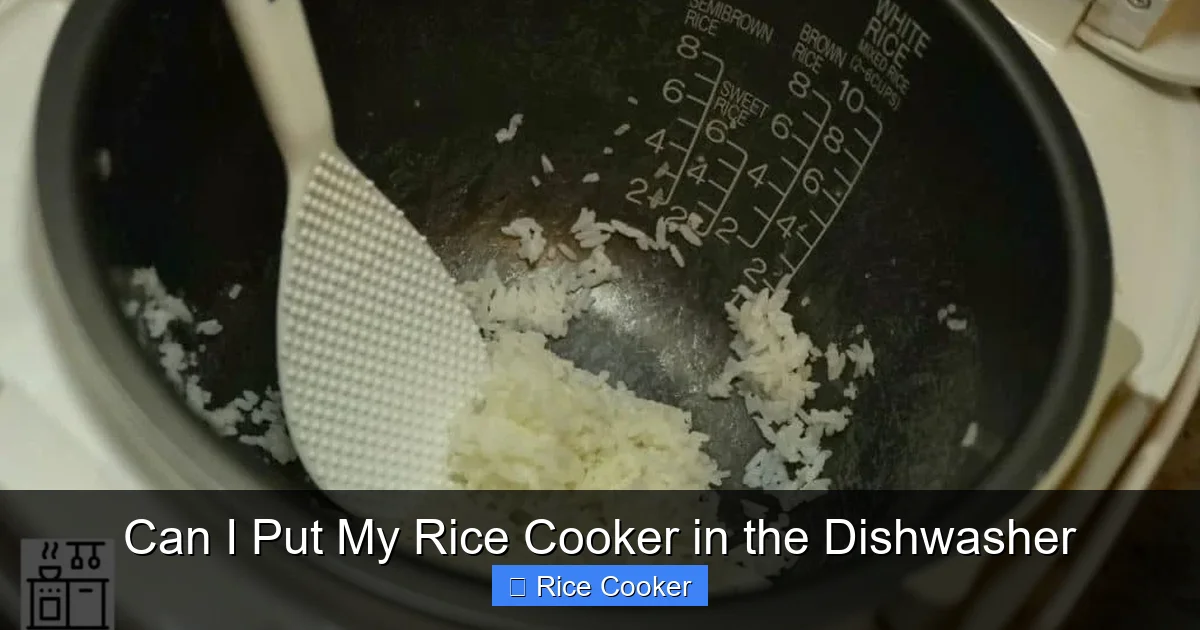
Before deciding whether to toss your rice cooker into the dishwasher, it’s important to understand what makes up your appliance. Most rice cookers consist of several key components, each made from different materials designed for specific functions.
Visual guide about Can I Put My Rice Cooker in the Dishwasher
Image source: kitchencuddle.com
The Inner Cooking Pot (Rice Pot)
This is the part that directly contacts your food. Many modern rice pots are coated with non-stick surfaces, such as Teflon or ceramic. These coatings are generally durable, but they can degrade under high heat and harsh detergents. Older models might have stainless steel or aluminum pots without coatings, which are usually more dishwasher-friendly—but still require caution.
The Lid and Steam Vent
The lid often contains a steam vent—a small hole or mechanism that releases excess moisture during cooking. This component is frequently made of plastic or silicone, both of which can melt or warp if exposed to high temperatures in a dishwasher. Even if your pot is dishwasher-safe, the lid might not be.
Heating Base and Control Panel
The bottom of your rice cooker houses the heating element, while the control panel includes buttons, lights, and sometimes digital displays. These parts are not meant to get wet. Submerging them in water or exposing them to high heat and steam can permanently damage electronics and cause malfunctions.
Accessories and Measuring Cups
Many rice cookers come with additional accessories like measuring cups, ladles, or even extra lids. These smaller pieces are often made of plastic or silicone and should never go in the dishwasher unless explicitly labeled as safe.
When Is It Safe to Put a Rice Cooker in the Dishwasher?
The good news? Some newer rice cookers are indeed dishwasher-safe. But how do you tell? Start by checking the label inside the lid or on the side of the unit. Manufacturers often print a dishwasher symbol—usually a dishwasher with an “X” through it—to indicate whether a part is safe to wash in one.
If you can’t find a label, look for the user manual. If you’ve misplaced it, most brands offer digital copies online. Search for your model number on the company’s website and download the PDF. The manual will specify which parts can go in the dishwasher and which must be hand-washed.
For example, the Zojirushi NS-ZCC10 model clearly states on its packaging that the inner pot and lid are top-rack dishwasher-safe. Meanwhile, the Instant Pot Duo Crisp+ lists only certain detachable parts as dishwasher-safe, warning against submerging the main unit.
Risks of Putting a Rice Cooker in the Dishwasher
Even if your rice cooker isn’t labeled as dishwasher-safe, some people still risk it—especially if they’re in a hurry. But doing so can lead to serious problems.
Warping and Leaking
Plastic lids and handles can warp due to high heat and moisture. A warped seal means steam can escape improperly, affecting cooking performance. Worse, if the lid doesn’t fit correctly, water from the dishwasher could seep into the base, damaging internal wiring.
Damage to Non-Stick Coatings
High-temperature dishwasher cycles can break down non-stick surfaces over time. Once degraded, these coatings flake off into your food and reduce the pan’s effectiveness. Replacement inner pots can cost $30–$60, so prevention is worth it.
Electrical Hazards
Never immerse the entire rice cooker—especially the base—in water. While modern units have safety features, prolonged exposure to moisture increases the risk of short circuits. If the base gets wet, unplug it immediately and let it dry completely before use.
Poor Cleaning Results
Dishwashers rely on hot water and detergent jets to clean. Small items like rice cooker parts may get jostled around or not receive enough contact with cleaning agents. As a result, stubborn rice grains or grease might remain stuck, leading to odors and bacterial growth.
Best Practices for Cleaning Your Rice Cooker
Instead of relying on the dishwasher, consider these safer, more effective methods for keeping your rice cooker clean.
Handwashing the Inner Pot
After use, let the pot cool slightly. Then, fill it with warm, soapy water and scrub gently with a soft sponge or brush. Avoid abrasive scrubbers that can scratch non-stick surfaces. Rinse thoroughly and dry completely before storing.
Cleaning the Lid and Steam Vent
Remove the lid and use a damp cloth or toothbrush to clean around the steam vent. Be gentle—this area collects starch residue easily. For tough spots, soak the lid in warm soapy water for 10–15 minutes before wiping.
Wiping Down the Exterior
Use a damp cloth to wipe the outside of the rice cooker, including the control panel. Never spray water directly onto buttons or vents. Dry with a clean towel to prevent water spots and mineral buildup.
Deep Cleaning Tips
Every few weeks, give your rice cooker a deeper clean. Make a paste of baking soda and water and apply it to the inner pot to remove odors or burnt-on bits. Let it sit for 15 minutes, then scrub and rinse. For sticky lids, vinegar can help cut through residue.
How to Tell If Your Rice Cooker Is Damaged
Sometimes, cleaning isn’t the issue—your rice cooker might be past its prime. Watch for these signs:
- Cracks in the pot or lid: Even tiny cracks can harbor bacteria and affect food safety.
- Persistent burning smell: This could mean the non-stick coating is breaking down.
- Uneven cooking: If your rice is always mushy or undercooked, the heating element may be failing.
- Loose or missing parts: Handles that wobble or seals that don’t close properly compromise performance.
If you notice any of these issues, it’s time to consider replacing your rice cooker rather than trying to fix it.
Eco-Friendly and Cost-Saving Alternatives
While dishwashers are convenient, they use significantly more water and energy than handwashing. According to the U.S. Environmental Protection Agency, dishwashers use about 3–5 gallons per cycle, compared to 2–4 gallons for handwashing—but only if done efficiently. For small items like rice cooker parts, handwashing uses far less.
Plus, handwashing extends the life of your appliance. By avoiding harsh chemicals and extreme heat, you protect delicate components and save money on repairs or replacements. Over time, this adds up—literally. A single rice cooker replacement costs $50–$150, depending on features.
Another eco-friendly tip: reuse old toothbrushes for scrubbing rice pots. They’re biodegradable, free, and effective at getting into small crevices without scratching surfaces.
What About Other Kitchen Appliances?
The question “can I put my rice cooker in the dishwasher” applies to many small appliances. Here’s a quick comparison:
- Slow cookers: Most are not dishwasher-safe due to electrical components.
- Blenders: Only the pitcher and blades may be dishwasher-safe—always check.
- Air fryers: Some baskets are dishwasher-safe, but the main unit is not.
- Electric kettles: Never submerge the base; only wash the removable pot.
In general, if your appliance has a cord or electronic display, assume it’s not dishwasher-safe unless stated otherwise.
Frequently Asked Questions About Rice Cooker Cleaning
We’ve covered a lot, but you probably still have questions. Here are answers to the most common ones.
Can I put just the inner pot of my rice cooker in the dishwasher?
Yes, if it’s labeled as dishwasher-safe. Look for the dishwasher symbol on the pot or lid. However, even dishwasher-safe pots should be cleaned regularly to prevent buildup. Handwashing is still gentler on non-stick coatings.
How often should I clean my rice cooker?
After every use, wipe down the interior and exterior. Do a deep clean (soak, scrub, and disinfect) once a week or after cooking strong-smelling foods like fish or curry.
Is vinegar safe for cleaning rice cooker parts?
Yes, diluted white vinegar (1 part vinegar to 3 parts water) can help remove mineral deposits and odors. Just rinse thoroughly afterward to avoid lingering taste.
Can I use bleach to disinfect my rice cooker?
Only occasionally and in very dilute form. Strong bleach can damage plastics and coatings. Instead, use a mixture of water and vinegar or a food-safe disinfectant spray.
Why does my rice cooker smell bad after washing?
This usually means food residue remains or mold grows in hard-to-reach areas. Clean thoroughly, dry completely, and store in a well-ventilated area. Replace the unit if the smell persists despite cleaning.
What’s the best way to store a rice cooker?
Store with the lid slightly open to allow airflow. Place it in a dry cabinet, away from direct sunlight or heat sources. Don’t stack heavy items on top.
Conclusion: When in Doubt, Handwash
So, can you put your rice cooker in the dishwasher? Possibly—but only if your model is specifically labeled as dishwasher-safe. For most people, the safest, most effective, and longest-lasting method is handwashing. It’s quicker than you think, protects your appliance, and helps prevent costly damage.
Remember: your rice cooker is more than a convenience—it’s an investment in your meals. Treat it well, clean it properly, and it will serve you faithfully for years. And when you finally do decide to upgrade, you’ll know exactly what to look for in a new model.
Next time you finish cooking, skip the dishwasher temptation. Grab a sponge, some soap, and a little elbow grease. Your future self—and your next pot of perfect rice—will thank you.
Frequently Asked Questions
Can I put just the inner pot of my rice cooker in the dishwasher?
Yes, if your rice cooker’s inner pot is labeled as dishwasher-safe. Check for a dishwasher symbol on the pot or consult the manual. However, even dishwasher-safe pots benefit from gentle handwashing to extend their lifespan.
How often should I clean my rice cooker?
Clean your rice cooker after every use by wiping the interior and exterior. Perform a deep clean—including soaking and scrubbing—once a week or after cooking strong-flavored foods to prevent odors and buildup.
Is vinegar safe for cleaning rice cooker parts?
Yes, a diluted solution of white vinegar and water (1:3 ratio) is safe and effective for removing mineral deposits and neutralizing odors. Rinse thoroughly afterward to avoid any lingering taste in your food.
Can I use bleach to disinfect my rice cooker?
Use bleach sparingly and only in very dilute form. Strong bleach can damage plastics and non-stick coatings. Instead, opt for vinegar or a food-safe disinfectant spray for regular cleaning.
Why does my rice cooker smell bad after washing?
A bad odor usually indicates leftover food residue or mold growth. Ensure you clean thoroughly, dry completely, and store in a ventilated area. If the smell persists despite cleaning, the appliance may need replacement.
What’s the best way to store a rice cooker?
Store your rice cooker in a dry place with the lid slightly open to allow airflow. Keep it away from heat sources and sunlight. Avoid stacking heavy objects on top to prevent warping or damage.