
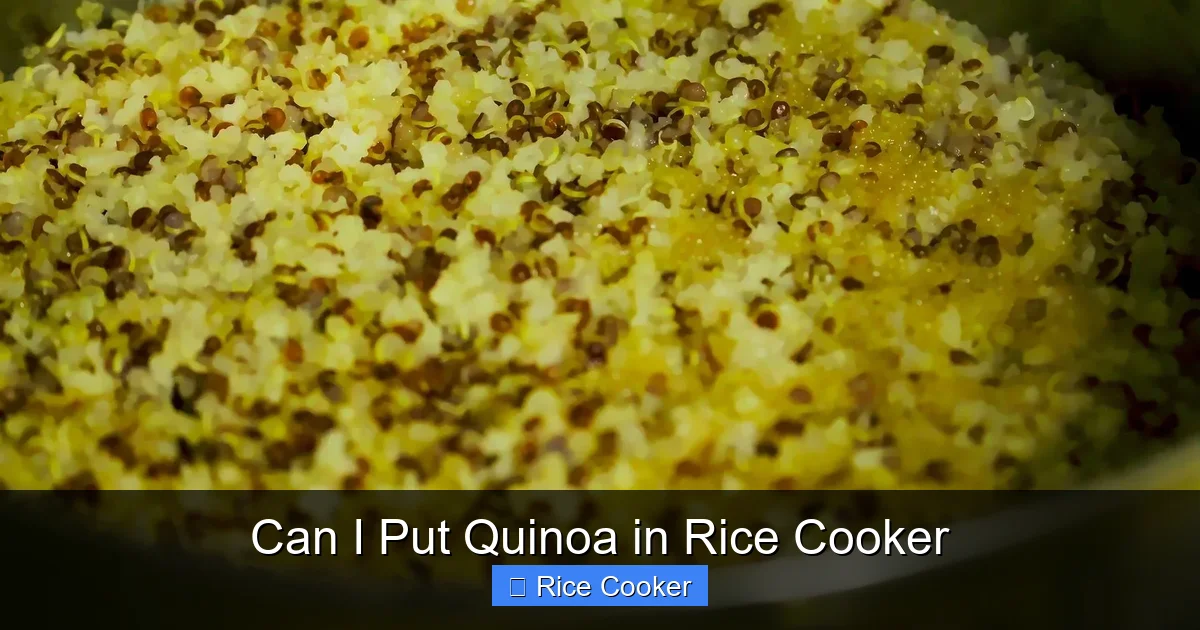
Can I put quinoa in rice cooker? Absolutely yes! Quinoa and rice cookers work beautifully together, giving you fluffy, nutritious grains in minutes. With the right ratio of water to quinoa, your rice cooker can handle this superfood just like rice.
Key Takeaways
- Quinoa works perfectly in rice cookers: Most standard rice cookers can cook quinoa without any modifications.
- Use a 2:1 liquid-to-grain ratio: For most quinoa varieties, use two parts liquid (water or broth) to one part dry quinoa.
- Rinse quinoa before cooking: Always rinse thoroughly to remove bitter saponins for better taste and texture.
- Let it rest after cooking: Allow quinoa to sit covered for 5 minutes after cooking to finish steaming and fluff up.
- Experiment with flavors: Add herbs, spices, or liquids like vegetable broth for enhanced taste.
- Check your cooker’s settings: Some models have specific settings for brown rice or quick-cook grains—use them when available.
- Clean your rice cooker properly: Quinoa can stick if residue builds up; clean promptly after use.
📑 Table of Contents
- Can I Put Quinoa in Rice Cooker? A Complete Guide to Cooking Quinoa Perfectly
- Why Choose Quinoa Over Regular Rice?
- Understanding Your Rice Cooker
- The Science Behind Cooking Quinoa
- Step-by-Step Guide: How to Cook Quinoa in a Rice Cooker
- Troubleshooting Common Issues
- Creative Ways to Use Cooked Quinoa
- Tips for Best Results Every Time
- Final Thoughts: Why Quinoa Belongs in Your Kitchen
Can I Put Quinoa in Rice Cooker? A Complete Guide to Cooking Quinoa Perfectly
Have you ever wondered whether your trusty rice cooker can handle more than just white or brown rice? The answer is a resounding yes—especially when it comes to quinoa. This ancient grain, often called a “superfood” for its impressive nutritional profile, is incredibly versatile and surprisingly simple to cook using a rice cooker. Whether you’re meal prepping for the week or whipping up a quick dinner side dish, knowing how to cook quinoa in a rice cooker opens up a world of possibilities.
In this detailed guide, we’ll walk you through everything you need to know about cooking quinoa in a rice cooker. From understanding the basics of what makes quinoa special to mastering the perfect water-to-grain ratio, you’ll be cooking fluffy, golden quinoa like a pro in no time. We’ll also share expert tips, troubleshooting advice, and even creative ways to customize your quinoa dishes. So grab your rice cooker and let’s get started!
Why Choose Quinoa Over Regular Rice?
If you’re still wondering why someone would choose quinoa over traditional rice, let’s break down the benefits. First off, quinoa is packed with protein—about 8 grams per cooked cup—making it a great plant-based protein source. It’s also rich in fiber, iron, magnesium, and several essential amino acids that your body needs but can’t produce on its own.
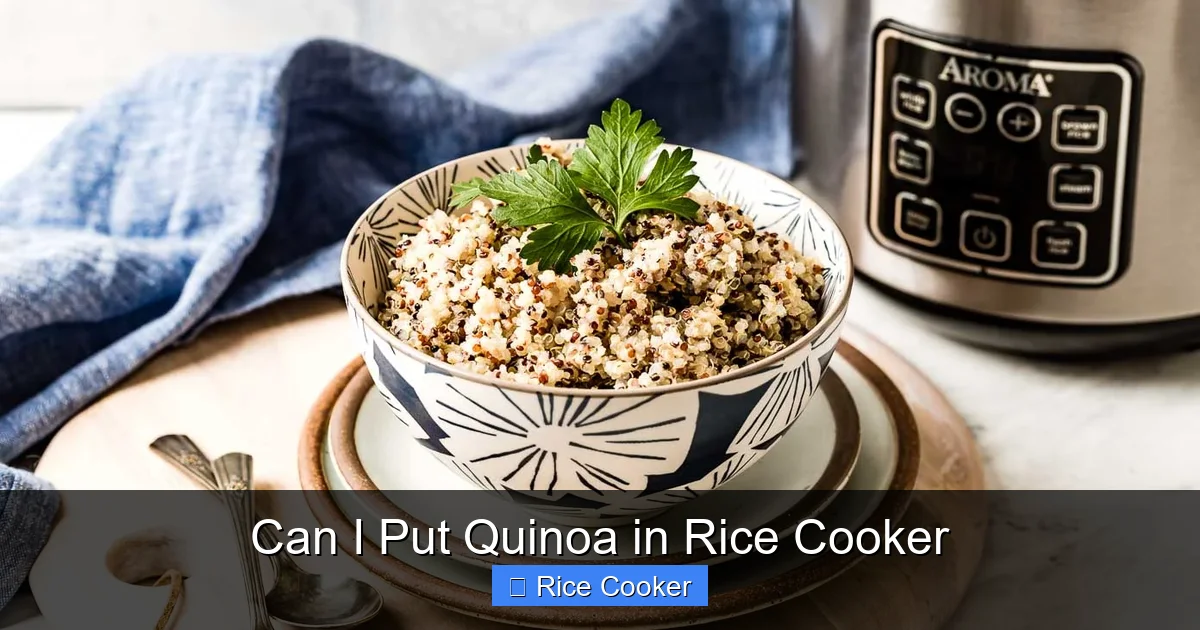
Visual guide about Can I Put Quinoa in Rice Cooker
Image source: foolproofliving.com
The Nutritional Edge
Unlike many grains, quinoa is considered a complete protein, meaning it contains all nine essential amino acids. That makes it an excellent choice for vegetarians, vegans, or anyone looking to diversify their protein intake. Plus, it has a lower glycemic index than white rice, helping keep blood sugar levels more stable.
Texture and Flavor Profile
Cooked quinoa has a slightly nutty flavor and a pleasantly chewy yet tender texture. It holds up well in salads, soups, stir-fries, and even breakfast bowls with fruits and yogurt. Its versatility means you can serve it as a side dish, use it as a base for bowls, or mix it into casseroles and baked goods.
Time-Saving Convenience
One of the biggest reasons people turn to rice cookers is convenience. No stirring required, minimal supervision, and consistent results every time. And guess what? Quinoa fits right into that same category. Once you learn the basics, cooking quinoa in a rice cooker becomes as easy as pressing a button.
Understanding Your Rice Cooker
Before diving into the quinoa-cooking process, it’s helpful to understand how your rice cooker works. Most modern rice cookers operate using internal sensors that detect temperature changes during the cooking cycle. They typically go through four stages: preheating, boiling, simmering, and warming.
Types of Rice Cookers
There are three main types of rice cookers you might encounter:
- Basic Rice Cookers: Simple, affordable models that heat water and cook grains automatically.
- Fuzzy Logic Rice Cookers: More advanced models that adjust cooking times and temperatures based on the type of grain being cooked.
- Multi-Cooker Rice Cookers: These combine a rice cooker with pressure cooking, slow cooking, or steaming functions.
Regardless of the type, the principle remains the same: add ingredients, press start, and wait. However, fuzzy logic and multi-cooker models often have presets for different grains, including quinoa or brown rice, which can improve results.
Can All Rice Cookers Handle Quinoa?
Most standard rice cookers can indeed cook quinoa—no special attachments or modifications needed. However, some ultra-basic models may lack the precision or capacity for certain quinoa recipes. If your cooker has a “Quick Cook” or “Brown Rice” setting, those are great options for quinoa too.
The Science Behind Cooking Quinoa
To get the best results, it helps to understand what happens during the cooking process. When quinoa absorbs water, its starches gelatinize, causing the seeds to expand and soften. The outer layer, called the germ, releases the edible part of the seed while retaining its shape.
Why Rinsing Matters
Quinoa naturally produces a bitter-tasting compound called saponin along its outer coating. While this acts as a natural pesticide, it can make quinoa taste soapy if not rinsed away. Always run your quinoa under cold water using a fine-mesh strainer until the water runs clear. This step ensures a mild, pleasant flavor and prevents clumping.
Water Absorption Differences
Unlike rice, quinoa doesn’t absorb as much liquid relative to its size. But because it swells significantly during cooking, the general rule is to use a 2:1 ratio of liquid to dry quinoa. For example, if you’re using 1 cup of dry quinoa, measure out 2 cups of water or broth.
Resting Period Importance
After the rice cooker finishes its cycle, resist the urge to open the lid immediately. Letting quinoa sit for about 5 minutes allows excess moisture to distribute evenly and helps fluff up the grains. Think of it as letting bread rise—it makes a big difference in texture.
Step-by-Step Guide: How to Cook Quinoa in a Rice Cooker
Ready to try it yourself? Follow these simple steps for foolproof quinoa every time.
What You’ll Need
- 1 cup uncooked quinoa (white, red, or tri-color)
- 2 cups water or vegetable broth (optional, for added flavor)
- Fine-mesh strainer
- Measuring cups
- Your rice cooker
Step 1: Rinse the Quinoa Thoroughly
Place the quinoa in a fine-mesh strainer and rinse under cool running water for at least 30 seconds. Keep rinsing until the water coming out looks clear. Shake the strainer gently to help drain excess water.
Step 2: Measure Ingredients Accurately
Use a dry measuring cup for the quinoa to ensure accuracy. Then pour in 2 cups of liquid. Remember, if you’re using broth instead of water, the extra flavor will enhance your dish—just make sure it’s low-sodium if you’re watching salt intake.
Step 3: Add to Rice Cooker Pot
Transfer both the rinsed quinoa and liquid into the inner pot of your rice cooker. Give it a quick stir to distribute evenly.
Step 4: Select the Right Setting (If Available)
If your rice cooker has a “Brown Rice” or “Quick Cook” setting, select it now. Otherwise, just press the standard “Cook” button. The default setting usually works fine for quinoa.
Step 5: Let It Cook
Close the lid and allow the machine to do its job. Cooking time varies by model but typically takes between 15–20 minutes.
Step 6: Rest and Fluff
Once the cycle ends, leave the lid closed and let it sit for 5 minutes. Afterward, use a fork to gently fluff the quinoa. Avoid over-stirring, or you’ll lose the light, airy texture.
Step 7: Serve Immediately or Store
Enjoy warm as a side dish, or let it cool and store in an airtight container in the fridge for up to 5 days. Quinoa reheats beautifully in the microwave or on the stovetop.
Troubleshooting Common Issues
Even with the best techniques, sometimes things don’t go exactly as planned. Here’s how to fix common quinoa mishaps.
Gummy or Sticky Quinoa
This usually happens when too much liquid is used or the quinoa isn’t rinsed properly. In the future, double-check your measurements and always rinse thoroughly. Also, avoid opening the lid mid-cycle—steam loss can affect consistency.
Dry or Undercooked Quinoa
If your quinoa is crunchy or still has a hard center, it likely didn’t absorb enough liquid or wasn’t given enough time. Next time, increase the liquid slightly (try 2¼ cups instead of 2) or let it cook a few extra minutes. Note that older or less fresh quinoa may take longer to soften.
Too Much Liquid Remaining
Sometimes a little extra liquid evaporates, leaving you with wet-looking quinoa. Simply spread it out on a baking sheet and bake at 300°F (150°C) for 10–15 minutes to evaporate the excess moisture. Alternatively, fluff with a fork and let it sit uncovered at room temperature for a bit.
Quinoa Sticking to the Bottom
This can happen if the bottom of your pot gets too hot or isn’t coated with enough oil. To prevent sticking, lightly grease the inner pot with olive oil or spray before adding quinoa and liquid.
Creative Ways to Use Cooked Quinoa
Once you master the basics, the real fun begins—experimenting with flavors and pairings.
Breakfast Bowls
Top cooked quinoa with Greek yogurt, fresh berries, sliced almonds, and a drizzle of honey. Add chia seeds or flaxseeds for extra omega-3s.
Salad Starters
Combine cooled quinoa with chopped cucumbers, cherry tomatoes, feta cheese, and a lemon-olive oil dressing. Perfect for lunch prep!
Savory Dishes
Stir quinoa into soups, use it as a stuffing base for bell peppers, or mix it into veggie burgers for added binding and nutrition.
Baked Goods
Substitute quinoa flour or cooked quinoa in muffins, pancakes, or energy bars for a nutrient boost.
Tips for Best Results Every Time
Want to become a quinoa-cooking rockstar? Try these pro tips.
- Use a Timer: Set a kitchen timer even after the rice cooker beeps—sometimes it needs a little extra resting time.
- Fluff Gently: Use a fork with tines rather than a spoon to preserve the grain structure.
- Store Properly: Keep cooked quinoa in an airtight container with a piece of parchment paper on top to prevent drying out.
- Toast Before Cooking: Lightly sauté rinsed quinoa in a dry pan for 2–3 minutes before adding liquid. This enhances the nutty flavor.
- Try Different Broths: Chicken, mushroom, or miso broth can transform plain quinoa into something extraordinary.
Final Thoughts: Why Quinoa Belongs in Your Kitchen
So, can you put quinoa in a rice cooker? Not only can you—you should! It’s simple, healthy, and adaptable to countless meals. Whether you’re feeding a family or meal-prepping solo, this grain delivers on both nutrition and convenience.
With just a few minutes of prep and one button press, you’ve got a delicious, wholesome side dish ready. And once you see how well quinoa performs in a rice cooker, you’ll probably find yourself reaching for it more often than rice.
Next time you’re planning a meal, consider swapping out your usual grain for quinoa. Your body—and your taste buds—will thank you.
Frequently Asked Questions
Can I cook red quinoa in a rice cooker the same way as white quinoa?
Yes, red quinoa can be cooked in a rice cooker using the same method as white quinoa. It may take a few extra minutes to soften, so check after 18–20 minutes and adjust as needed. The 2:1 liquid ratio still applies.
Do I need to soak quinoa before cooking it in a rice cooker?
No, soaking is not necessary when using a rice cooker. Unlike stovetop methods where soaking reduces cooking time, the automated heating and timing of rice cookers eliminate the need for pre-soaking.
How long does quinoa take to cook in a rice cooker?
Most rice cookers take about 15–20 minutes to cook quinoa. White quinoa cooks faster than red or black varieties, which may require up to 25 minutes. Always follow your specific model’s instructions.
Can I cook quinoa directly in the rice cooker pot without a liner?
Yes, you can cook quinoa directly in the inner pot of your rice cooker. However, using a nonstick liner or lightly greasing the pot helps prevent sticking, especially if you’re making larger batches.
Is it safe to leave quinoa in the rice cooker on the “warm” setting for hours?
While rice cookers are designed to keep food warm, it’s best not to leave quinoa sitting on the warm setting for extended periods (more than 2–3 hours). Bacteria can grow in perishable foods left at room temperature too long. Transfer to the refrigerator once cooled.
Can I cook quinoa and rice together in the same rice cooker?
You can cook quinoa and rice together, but note that they have different cooking times. Rice typically needs longer than quinoa. One workaround is to add the rice first, let it partially cook, then add quinoa and finish the cycle—but this isn’t foolproof. For consistent results, cook separately.