
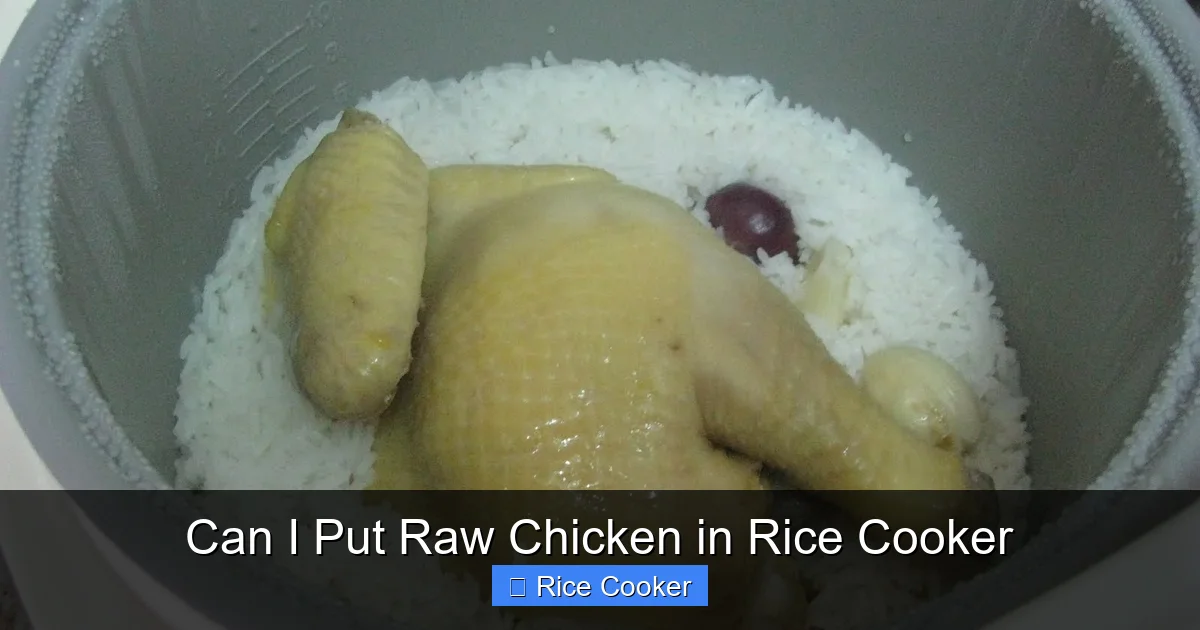
Can I put raw chicken in rice cooker? Absolutely—yes! A rice cooker can safely cook raw chicken when used correctly, saving time and effort. However, it’s essential to follow food safety guidelines to prevent cross-contamination and ensure even cooking. With the right prep and timing, your rice cooker becomes a versatile kitchen tool for one-pot meals that are both convenient and delicious.
Key Takeaways
- Safety First: Always thaw frozen chicken completely and cook to an internal temperature of 165°F (74°C) to kill harmful bacteria like Salmonella.
- Proper Prep Matters: Cut chicken into uniform pieces so it cooks evenly alongside the rice without overcooking the grains.
- Use the Right Ratio: Stick to recommended water-to-rice ratios and adjust liquid slightly when adding chicken—extra moisture from meat may require less water.
- Avoid Cross-Contamination: Use separate utensils and bowls for raw chicken, and clean the rice cooker thoroughly after use to prevent bacterial spread.
- Experiment with Flavors: Add herbs, spices, or broth to infuse flavor into both the chicken and rice for restaurant-quality results at home.
- Check Doneness: Use a meat thermometer to confirm chicken is fully cooked before serving—never rely solely on visual cues.
- Clean Immediately: Rinse the inner pot and lid right after cooking to prevent residue buildup and maintain hygiene.
📑 Table of Contents
- Can I Put Raw Chicken in Rice Cooker? The Definitive Guide
- Why Use a Rice Cooker for Chicken and Rice?
- Safety Considerations When Cooking Raw Chicken in a Rice Cooker
- Step-by-Step Guide: How to Cook Raw Chicken in a Rice Cooker
- Common Mistakes to Avoid
- Creative Recipe Ideas Using Raw Chicken in a Rice Cooker
- Choosing the Right Rice Cooker for Meat Cooking
- Alternatives and Variations
- Conclusion: Embrace the Versatility of Your Rice Cooker
Can I Put Raw Chicken in Rice Cooker? The Definitive Guide
Have you ever stood in your kitchen, staring at a bag of raw chicken, wondering if your trusty rice cooker could handle the job? You’re not alone. Many home cooks are discovering that their rice cookers aren’t just for fluffy white rice—they can be powerful tools for preparing full meals, including proteins like chicken. But before you toss that chicken thigh into the pot, let’s talk about what actually happens when you cook raw chicken in a rice cooker, how to do it safely, and why this method might just become your new favorite shortcut.
The short answer: Yes, you can put raw chicken in a rice cooker. In fact, using your rice cooker to cook chicken alongside rice is a time-saving, energy-efficient way to make complete meals. Whether you’re preparing a busy weeknight dinner or meal-prepping for the weekend, this technique offers convenience without sacrificing flavor or safety—if done correctly. From understanding cooking times to avoiding common mistakes, we’ll walk through everything you need to know to turn your rice cooker into a culinary powerhouse.
Why Use a Rice Cooker for Chicken and Rice?
At first glance, tossing raw chicken into a rice cooker might seem unconventional. After all, most recipes call for oven-baked or pan-fried chicken. But there are compelling reasons why this method works so well—and why more people are turning to their rice cookers for protein-packed meals.
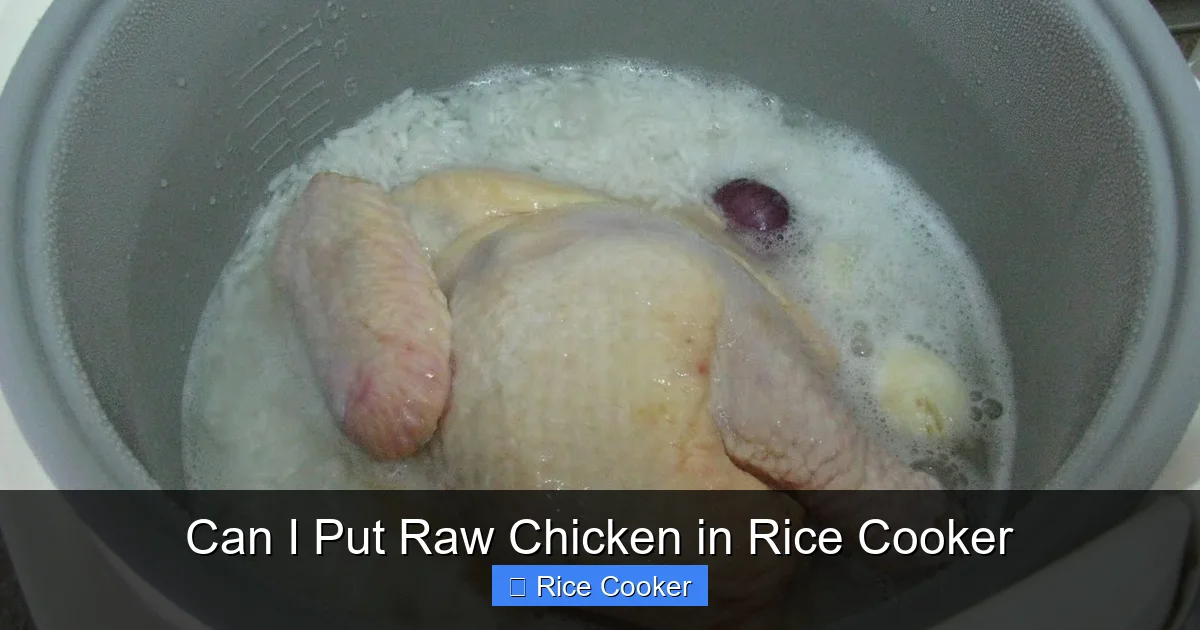
Visual guide about Can I Put Raw Chicken in Rice Cooker
Image source: 1.bp.blogspot.com
Convenience and Simplicity
One of the biggest advantages of using a rice cooker is its hands-off nature. Once you add your ingredients and press “cook,” you can go about other tasks while your meal prepares itself. There’s no need to monitor heat levels, flip chicken, or worry about burning edges—just set it and forget it (within reason).
Imagine coming home tired after work and realizing you only have chicken, rice, and some frozen veggies. Instead of wrestling with a hot stovetop, you simply rinse the rice, cut up the chicken, toss everything in, and let the machine do the rest. It’s ideal for busy families, students, or anyone who wants to minimize cleanup and maximize flavor.
Energy Efficiency
Rice cookers consume significantly less energy than ovens or stovetops. Since they operate at lower temperatures and retain heat efficiently, you’re saving electricity while still achieving perfectly cooked results. Plus, because everything cooks in one vessel, there’s minimal heat loss—meaning your kitchen stays cooler during summer months.
Even Cooking and Flavor Infusion
Modern rice cookers often come with specialized settings like “porridge,” “slow cook,” or “steam” modes that help cook chicken gently and evenly. When you combine chicken with aromatic ingredients such as garlic, ginger, or soy sauce, those flavors naturally infuse into both the meat and the rice, creating a cohesive, delicious dish.
Versatility Beyond Basmati
Traditionally associated with jasmine or basmati rice, many rice cookers now support a variety of grains—brown rice, quinoa, wild rice—and even legumes. Adding chicken opens up endless recipe possibilities, from savory pilafs to hearty grain bowls.
Safety Considerations When Cooking Raw Chicken in a Rice Cooker
While the idea of cooking chicken in a rice cooker sounds appealing, safety should always come first. Raw poultry carries potential pathogens like Salmonella and Campylobacter, which can cause serious illness if undercooked or cross-contaminated. Fortunately, following a few simple rules makes cooking chicken in your rice cooker safe and effective.
Thaw Completely Before Cooking
Never attempt to cook frozen chicken directly in your rice cooker. Ice crystals inside the frozen meat won’t melt evenly, leading to uneven cooking and increased risk of bacterial growth. Always thaw chicken using one of these methods:
- Refrigerator thawing: Place chicken in the fridge for 24 hours per pound (e.g., 3 pounds = 3 days).
- Cold water thawing: Submerge sealed packaging in cold water, changing water every 30 minutes until thawed (about 30 minutes per pound).
- Microwave thawing: Use the defrost setting, then cook immediately—don’t let it sit.
Cut Into Uniform Pieces
Chicken breasts, thighs, and drumsticks cook at different rates. To ensure even doneness, cut larger pieces into smaller, bite-sized chunks. This also helps the chicken absorb flavors better and prevents overcooked rice while the larger pieces finish cooking.
Monitor Internal Temperature
The USDA recommends cooking all poultry to an internal temperature of 165°F (74°C). Insert a digital meat thermometer into the thickest part of the chicken—avoid touching bone—to verify. If you don’t have a thermometer, check that juices run clear and there’s no pink remaining.
Avoid Cross-Contamination
This is arguably the most critical step. Never place raw chicken directly on the counter or into the rice cooker without proper preparation. Follow these steps:
- Use a clean cutting board and knife (or designate one specifically for raw meats).
- Place chicken in a bowl or container—not directly on the counter.
- Add rice and liquids to another bowl first.
- Only combine them once ready to cook.
- Wash hands, utensils, and surfaces immediately after handling raw chicken.
Clean Thoroughly After Use
After cooking, rinse the inner pot and lid with hot, soapy water. Some models are dishwasher-safe, but hand-washing preserves seals and non-stick coatings longer. Don’t skip this step—bacteria thrive in warm, moist environments, and your rice cooker is perfect for harboring them if neglected.
Step-by-Step Guide: How to Cook Raw Chicken in a Rice Cooker
Ready to try it yourself? Here’s a foolproof method for making tender, juicy chicken and perfectly cooked rice in one pot.
Gather Your Ingredients
You’ll need:
- 1 cup uncooked long-grain rice (white or brown)
- 1–1½ pounds boneless, skinless chicken (cut into 1-inch pieces)
- 1½ cups water (adjust based on rice type)
- Optional flavorings: onion slices, garlic cloves, bay leaf, salt, pepper, soy sauce, or broth
Prepare the Rice Cooker
Ensure the inner pot is clean and dry. If your model has multiple settings (like “white rice” or “mixed”), select the appropriate one. Note that adding meat may extend total cooking time by 5–10 minutes.
Add Ingredients in Order
Follow this sequence for best results:
- Place rice in the pot first.
- Add water or broth.
- Layer chicken pieces evenly over rice (do not stir).
- Add any aromatics or seasonings.
Tip: For brown rice, increase liquid to 2 cups and expect longer cooking times (up to 50 minutes).
Cook and Rest
Press “Cook” and wait. Once the cycle completes, let the rice cooker sit undisturbed for 5–10 minutes. This resting period allows residual heat to finish cooking the chicken gently and lets steam redistribute, resulting in fluffier rice.
Serve Immediately
Fluff the rice with a fork, remove any large aromatics, and serve hot. Leftovers can be stored in an airtight container in the refrigerator for up to 3 days.
Common Mistakes to Avoid
Even experienced cooks occasionally stumble when adapting rice cooker recipes. Let’s clear up some frequent errors so your next attempt is flawless.
Overfilling the Pot
Most rice cookers have maximum fill lines. Exceeding this can lead to overflow, clogged vents, or uneven cooking. As a rule, don’t fill beyond two-thirds capacity when adding extra ingredients like chicken.
Skipping the Pre-Cook Soak (for Brown Rice)
Brown rice benefits from a quick soak (15–30 minutes) before cooking, especially when combined with chicken. This ensures consistent texture despite the added protein.
Not Stirring During Cooking
Unlike traditional stovetop methods, you shouldn’t stir chicken and rice together while cooking. Doing so breaks apart grains and causes mushiness. Keep layers intact until the end.
Using Too Much Liquid
Chicken releases moisture as it cooks. Start with slightly less water than usual—maybe 1¼ cups instead of 1½—and adjust if needed after testing doneness.
Ignoring the Warm Setting
If you’re not serving immediately, switch the rice cooker to “warm” mode after cooking. Leaving it on “cook” will continue boiling the rice, turning it sticky and unpleasant.
Creative Recipe Ideas Using Raw Chicken in a Rice Cooker
Once you’ve mastered the basics, the possibilities expand dramatically. Here are five flavorful recipes to inspire your next meal:
1. Garlic Herb Chicken and Rice
Toss chicken pieces with minced garlic, rosemary, thyme, salt, and pepper. Layer over rinsed white rice with 1½ cups broth. Cook until done. Garnish with parsley before serving.
2. Spicy Thai Basil Chicken Bowl
Marinate chicken in fish sauce, lime juice, chili flakes, and sugar for 15 minutes. Combine with jasmine rice, sliced bell peppers, and basil leaves. Steam-cook for extra vibrancy.
3. One-Pot Mexican Chicken & Rice
Drizzle chicken with olive oil, then add diced tomatoes, corn kernels, black beans, cumin, and chili powder. Top with rice and water. Serve with avocado slices and sour cream.
4. Creamy Mushroom Chicken Pilaf
Sauté sliced mushrooms briefly (optional), then layer with chicken and rice. Pour in chicken stock mixed with a splash of cream. Finish with grated Parmesan.
5. Lemon Pepper White Bean & Chicken Medley
Combine cannellini beans, lemon zest, oregano, and chicken thighs. Add arborio rice for a creamy risotto-like texture. Cook with vegetable broth for depth.
Choosing the Right Rice Cooker for Meat Cooking
Not all rice cookers are created equal. While basic models handle plain rice well, advanced ones offer features that make cooking chicken safer and tastier.
Fuzzy Logic vs. Basic Models
“Fuzzy logic” rice cookers automatically adjust heating patterns based on sensor readings, mimicking human intuition. These are ideal for variable loads like chicken and rice because they detect when water has been absorbed and reduce heat accordingly—preventing scorching or undercooking.
Multi-Function Settings
Look for machines with “slow cook,” “steam,” or “soup” modes. These allow gentler cooking for delicate proteins and help retain nutrients. Some high-end models even have dedicated “meat” programs.
Non-Stick Coating Quality
A durable, PFOA-free non-stick surface makes cleanup easier and ensures chicken doesn’t stick—especially important when removing bones or skin later.
Timer and Delay Functions
These let you prep ingredients the night before and start cooking automatically. Perfect for meal prep! Just remember to store raw chicken separately until it’s time to cook.
Capacity Matters
For families of four or more, choose a 10-cup (uncooked) capacity. Smaller units (4–6 cups) work great for couples or singles but may struggle with large cuts of chicken.
Alternatives and Variations
If you’re hesitant about cooking raw chicken directly in rice, consider these adaptations:
- Par-cook chicken first: Sear or boil chicken briefly before adding to rice. This reduces total cooking time and guarantees safety.
- Use a steamer basket: Place raw chicken in a perforated insert above the rice. Steam cooks it without direct contact, minimizing splatter and simplifying cleanup.
- Pre-marinate overnight: Enhance flavor and tenderness by marinating chicken in acidic ingredients (yogurt, citrus, vinegar) for several hours before cooking.
Conclusion: Embrace the Versatility of Your Rice Cooker
So, can you put raw chicken in a rice cooker? The answer is a confident yes—provided you follow food safety protocols, respect cooking times, and choose the right ingredients. Far from being limited to plain grains, your rice cooker can become the centerpiece of diverse, nutritious meals that save time, energy, and effort.
By treating your rice cooker as a multi-functional appliance rather than just a rice-maker, you unlock creative possibilities that transform ordinary ingredients into extraordinary dishes. Whether you’re whipping up a quick family dinner or experimenting with global flavors, this humble kitchen gadget proves its worth time and again.
Next time you open the fridge and see chicken and rice staring back at you, don’t hesitate. Gather your spices, measure your water, and let science—and your rice cooker—do the rest. Your taste buds (and your schedule) will thank you.
Frequently Asked Questions
Is it safe to cook raw chicken in a rice cooker?
Yes, it’s safe as long as you cook the chicken to an internal temperature of 165°F (74°C), use fresh ingredients, avoid cross-contamination, and clean the appliance afterward. Always thaw frozen chicken completely before cooking.
How long does it take to cook chicken and rice in a rice cooker?
Typically 20–30 minutes for white rice with chicken pieces. Brown rice may take 40–50 minutes due to longer absorption times. Cooking duration depends on rice type, chicken size, and liquid volume.
Can I cook frozen chicken in a rice cooker?
No, never cook frozen chicken directly. It creates uneven cooking and increases bacterial risk. Always thaw using safe methods (refrigerator, cold water, or microwave) before adding to your rice cooker.
Should I wash the rice cooker after cooking chicken?
Absolutely. Rinse the inner pot and lid with hot, soapy water immediately after use. Bacteria multiply quickly in warm, moist environments, so thorough cleaning prevents contamination.
What if my chicken is still pink inside?
Pink color doesn’t always mean undercooked—some cuts (like thighs) may appear pink even when safe. Use a meat thermometer to check internal temperature. If below 165°F (74°C), return to cook for 2–3 more minutes.
Can I add vegetables along with raw chicken and rice?
Yes, many vegetables (carrots, peas, broccoli) can be added safely. Harder veggies like potatoes or sweet potatoes benefit from pre-boiling, while softer ones (zucchini, spinach) can go in raw toward the end of cooking.