
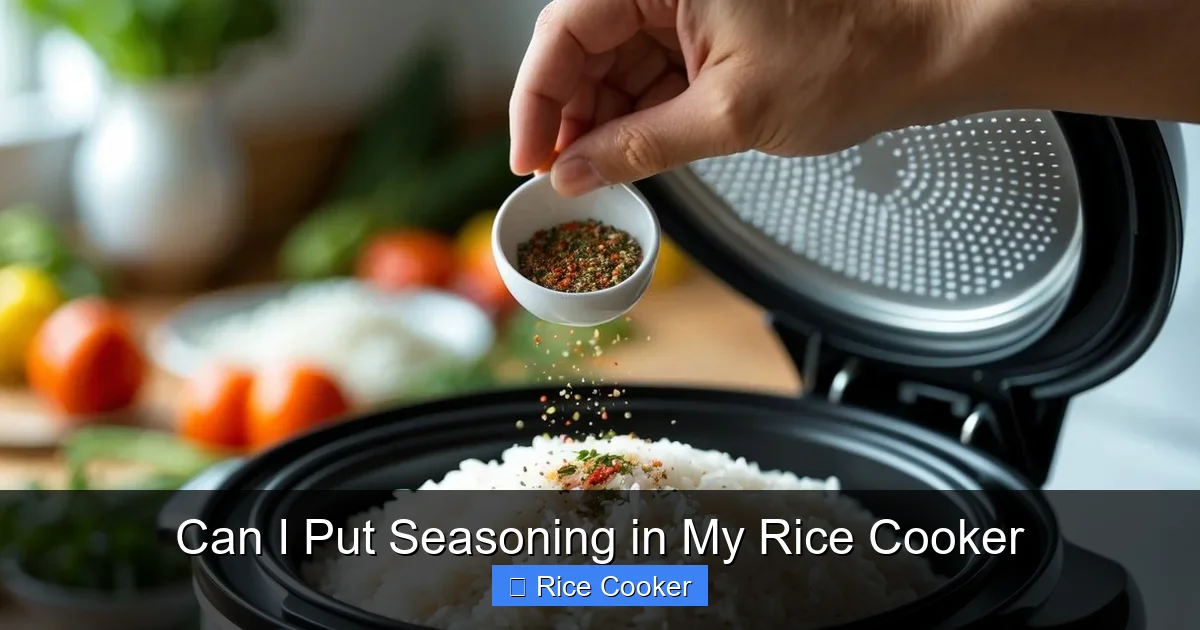
Can I put seasoning in my rice cooker? Absolutely! Adding herbs, spices, broth, or sauces can transform plain rice into a flavorful dish. The key is knowing which seasonings work best and how to add them without affecting the rice’s texture. With a few simple tips, your rice cooker becomes a powerful tool for creating tasty, one-pot meals.
Key Takeaways
- Rice cookers can handle most liquid-based seasonings: Broths, soy sauce, wine, and marinades add depth without harming the appliance.
- Solid ingredients require caution: Large chunks of meat or vegetables may not cook evenly and could clog the heating plate.
- Herbs and dried spices are safe and effective: Add them before cooking for full flavor infusion.
- Cooking times may vary with added ingredients: Adjust settings or use timers to prevent overcooking or drying out.
- Cleaning seasoning residue is essential: Buildup can affect performance and create odors over time.
- Experiment with global flavors: Try Thai basil, garam masala, miso paste, or curry powder for exciting twists.
- Always check your rice cooker manual: Some models have specific guidelines about liquids and ingredients.
📑 Table of Contents
- Can I Put Seasoning in My Rice Cooker? A Complete Guide to Flavorful One-Pot Meals
- How Rice Cookers Work: The Science Behind the Magic
- Safe Seasonings to Use in Your Rice Cooker
- Seasoning Techniques That Work Best
- Creative Seasoned Rice Recipes You Can Make in Minutes
- Common Mistakes and How to Avoid Them
- Special Considerations for Different Rice Types
- Maintenance Tips for Seasoned Rice Cookers
- Conclusion: Yes, You Can—And Should—Season Your Rice Cooker
Can I Put Seasoning in My Rice Cooker? A Complete Guide to Flavorful One-Pot Meals
Rice is a staple in kitchens around the world—simple, affordable, and incredibly versatile. Whether you’re making fluffy jasmine rice, chewy brown rice, or sticky sushi rice, the basic method involves water and heat. But what if you want more than just plain white or brown grains? What if you want your rice to taste like it’s been simmered in savory broth, fragrant spices, or rich umami sauce?
That’s where seasoning comes in—and yes, you absolutely can put seasoning in your rice cooker. In fact, many home cooks swear by this technique to elevate their meals from basic to bold. From garlic and turmeric to coconut milk and fish sauce, adding flavor directly into the rice cooker can save time, reduce cleanup, and create deeply satisfying dishes.
But before you start tossing in every spice under the sun, it’s important to understand how your rice cooker works and which seasonings play nicely with its design. This guide will walk you through everything you need to know—from safe ingredients to creative recipe ideas—so you can season your rice with confidence.
How Rice Cookers Work: The Science Behind the Magic
Before diving into seasoning, let’s quickly recap how rice cookers function. Most modern electric rice cookers use a combination of heat and steam to cook rice evenly. They typically have:
– A heating element at the bottom (the “heating plate”)
– A thermostat that detects when the water has evaporated
– A switch that turns off the heat once the rice is done
– A removable inner pot (usually non-stick)
When you add water and rice, the heat causes the water to absorb into the grains. Once all the water is gone, the temperature rises, triggering the thermostat to shut off the heater. This prevents burning and keeps your rice perfectly cooked.
Now, here’s the key point: **as long as the seasoning is liquid-based or finely ground**, it won’t interfere with this process. Dry spices, herbs, and broths dissolve or blend into the cooking environment without disrupting the heat cycle. However, large solid pieces—like chicken thighs or whole carrots—can sit on top of the rice and cook unevenly, potentially leaving some parts raw while others become mushy.
Understanding this mechanism helps you choose the right seasonings and avoid common mistakes.
Safe Seasonings to Use in Your Rice Cooker
Not all seasonings are created equal when it comes to rice cookers. The best ones are those that dissolve easily, distribute evenly, and complement the natural texture of rice. Here are some safe and delicious options:
Liquid-Based Seasonings
Liquids are the easiest and safest way to add flavor. Since they mix directly with the cooking water, they infuse the rice from the inside out.
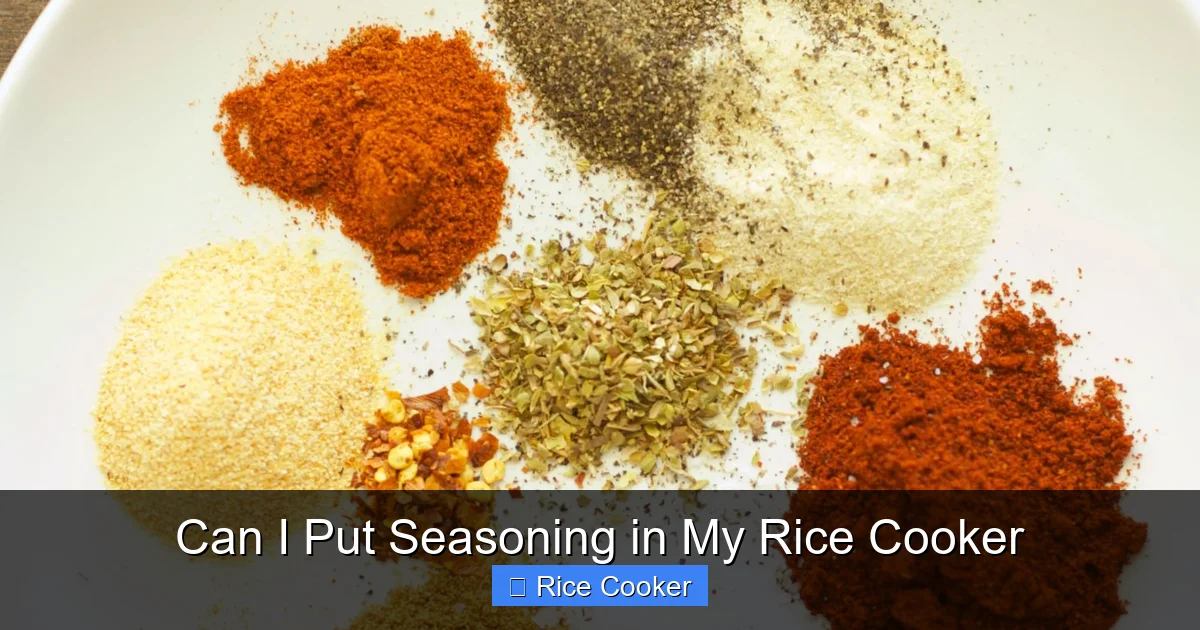
Visual guide about Can I Put Seasoning in My Rice Cooker
Image source: i0.wp.com
- Broth: Chicken, vegetable, or beef broth can replace water and add rich, savory notes. For extra depth, use low-sodium broth so you can control salt levels.
- Soy Sauce or Tamari: A few tablespoons add umami and a hint of saltiness. Best for short-grain or sushi rice.
- Coconut Milk: Perfect for Thai or Indian-inspired rice. It creates creamy, aromatic basmati or jasmine rice.
- Wine or Beer: White wine pairs well with risotto-style rice, while dark beer can enhance hearty grain bowls.
- Marinades: Use a small amount of marinade (without large chunks) for flavorful, tender grains.
Dry Herbs and Spices
Dried herbs and spices release their aroma slowly during cooking, creating complex layers of flavor.
- Bay Leaves: Add one or two leaves to impart a subtle earthy note. Remove before serving.
- Paprika or Smoked Paprika: Great for Spanish or Mexican dishes. Adds color and a touch of smokiness.
- Garam Masala: Use 1–2 teaspoons for Indian-style fragrant rice. Combine with a splash of water or yogurt.
- Cumin or Coriander: Toast lightly first to enhance flavor, then add with rice and water.
- Turmeric: Not only adds golden color but also anti-inflammatory benefits. Mix with a little oil or water to prevent clumping.
Aromatics
Onions, garlic, ginger, and lemongrass don’t need to be fully cooked to add flavor—just enough to infuse the rice.
- Minced Garlic: Add 1–2 cloves directly into the pot with water and rice.
- Ginger Slices: Fresh ginger adds warmth. Peel and slice thinly before adding.
- Shallots or Onion: Diced finely and sautéed briefly before adding rice can create a flavorful base.
- Lemongrass Stalk: Crush slightly and add for a bright, citrusy aroma. Remove before eating.
Seasoning Techniques That Work Best
Simply dumping seasonings into the rice cooker isn’t always enough. How you prepare and add them makes a big difference in taste and consistency.
Layering Flavors Before Cooking
The most effective method is to combine seasonings with water or broth before adding rice. For example:
- Mix 2 cups of broth with 1 tablespoon soy sauce and 1 teaspoon sesame oil.
- Add 1 cup jasmine rice and ½ teaspoon turmeric.
- Cook as usual.
This ensures even distribution and deep flavor penetration.
Using a Cheesecloth or Spice Bag
If you’re using whole spices like star anise, cinnamon sticks, or bay leaves, place them in a small cheesecloth pouch or coffee filter. Tie it securely and submerge it in the water. Remove it after cooking—no need to dig through your rice!
Adding Fat for Richness
Oils, butter, or ghee can enhance mouthfeel and carry fat-soluble flavors. Stir in 1–2 tablespoons of melted butter or coconut oil with the liquid before adding rice.
Post-Cooking Enhancements
Sometimes, you want to keep the rice mild and add flavor afterward. In that case:
- Fluff the rice gently and drizzle with olive oil, lime juice, or chili crisp.
- Sprinkle fresh herbs like cilantro or parsley on top.
- Toss with toasted nuts, seeds, or crispy onions.
This approach gives you more control and prevents over-seasoning.
Creative Seasoned Rice Recipes You Can Make in Minutes
Ready to get cooking? Here are five inspired recipes you can make entirely in your rice cooker—no stove needed.
1. Coconut Curry Rice
- 1 cup jasmine or basmati rice
- 1 cup light coconut milk
- 1 cup water
- 1 tablespoon red curry paste
- 1 teaspoon turmeric
- 1 shallot, minced
- 1 cup frozen peas and carrots
Combine all ingredients in the rice cooker. Set to “Cook” and serve hot with grilled chicken or tofu.
2. Garlic Herb Brown Rice
- 1 cup brown rice
- 2 cups vegetable broth
- 3 cloves garlic, minced
- 1 teaspoon dried thyme
- 1 teaspoon rosemary
- 2 tablespoons olive oil
Heat oil in the pot, add garlic and herbs, stir for 30 seconds. Add rice and broth, cook until done. Fluff and serve with lemon wedges.
3. Teriyaki Glazed Rice
- 1 cup sushi rice
- 1¾ cups water
- ¼ cup teriyaki sauce
- 1 teaspoon grated ginger
- 1 scallion, chopped
Mix all ingredients in the cooker. When finished, stir in extra scallions for freshness. Top with grilled salmon.
4. Spanish Paella-Style Rice
- 1 cup short-grain rice
- 2 cups chicken broth
- 1 teaspoon smoked paprika
- ½ onion, diced
- ½ red bell pepper, diced
- ½ cup frozen green beans
- Pinch of saffron threads (optional)
Sauté veggies briefly, add rice and spices, then pour in broth. Cook until tender. Garnish with olives and parsley.
5. Miso Ginger Rice Bowl
- 1 cup brown rice
- 2 cups water
- 2 tablespoons white miso paste
- 1-inch piece ginger, grated
- 1 teaspoon sesame oil
- Toppings: steamed edamame, nori strips, scallions, furikake
Whisk miso with a little warm water, add to rice cooker with other ingredients. Serve warm with toppings.
Common Mistakes and How to Avoid Them
Even experienced cooks make errors when seasoning rice in the cooker. Let’s go over the most frequent pitfalls and how to fix them.
Overloading with Salt or Soy Sauce
Too much salty seasoning can make rice unpalatable. Start with small amounts and taste before adding more.
Using Too Much Liquid
Adding too many liquids (like broth + soy sauce + wine) can result in mushy rice. Stick to the standard rice-to-liquid ratio (usually 1:1.5 for white rice).
Ignoring the Rice-to-Water Ratio
Seasoning doesn’t change the cooking time significantly, but it’s still important to measure water accurately. Use a measuring cup, not volume from the pot.
Not Cleaning Residue
Spices, oils, and sauces can leave sticky residues. Always clean the inner pot immediately after use—don’t let it sit overnight.
Using High Heat Settings
Most rice cookers have a single “Cook” setting. Avoid manual high-heat modes unless your model specifically supports them for stews or soups.
Special Considerations for Different Rice Types
Not all rice behaves the same. Here’s how to season based on grain type:
White Rice
Best for absorbing bold flavors. Ideal with broths, soy sauce, and aromatic spices like cumin or cinnamon.
Brown Rice
Cooks longer and absorbs more liquid. Use extra broth or coconut milk for tenderness. Herbs like thyme or sage pair well.
Sushi Rice
Stick to mild, clean flavors—rice vinegar, a pinch of sugar, and soy sauce work beautifully.
Gluten-Free Rice
Use tamari instead of soy sauce, and ensure all seasonings are certified gluten-free. Coconut aminos are another great option.
Instant or Quick-Cooking Rice
Less forgiving with added liquids. Stick to minimal seasoning and follow package instructions closely.
Maintenance Tips for Seasoned Rice Cookers
To keep your rice cooker in top shape—especially after cooking seasoned rice—follow these care steps:
- Clean the inner pot daily: Wash with warm, soapy water. Avoid abrasive scrubbers on non-stick surfaces.
- Check the lid seal: Make sure it’s intact to prevent steam leaks and maintain pressure.
- Inspect the heating plate: Wipe away any food particles that could cause sticking or uneven heating.
- Store properly: Keep the cooker unplugged and components dry when not in use.
- Deep clean monthly: Soak the pot in vinegar-water solution to remove mineral buildup from broth or sauces.
Proper maintenance ensures consistent performance and extends the life of your appliance.
Conclusion: Yes, You Can—And Should—Season Your Rice Cooker
So, can you put seasoning in your rice cooker? The answer is a resounding yes—and doing so opens up a world of flavor possibilities. With the right techniques, safe ingredients, and a little creativity, your rice cooker transforms from a simple appliance into a culinary powerhouse.
Whether you’re whipping up a quick weeknight dinner or preparing a fragrant side dish for guests, seasoned rice is both convenient and impressive. Just remember to start simple, respect your appliance’s limits, and always clean up thoroughly.
Next time you open your pantry, don’t just reach for plain rice. Grab that bottle of miso, that jar of curry paste, or that bunch of fresh herbs—your rice cooker is ready to turn ordinary grains into extraordinary meals.
Frequently Asked Questions
Can I put spices directly into my rice cooker?
Yes, dried spices like turmeric, cumin, or paprika can be added directly. They dissolve into the cooking water and infuse the rice with flavor. Just avoid large chunks or whole pods that won’t break down.
Will soy sauce ruin my rice cooker?
No, soy sauce won’t damage your rice cooker as long as it’s used in moderation. It adds salt and umami but can leave residue—clean the inner pot promptly after use.
Can I cook meat and rice together in the rice cooker?
It’s possible, but not ideal. Small, pre-cooked meats or diced chicken work better than whole cuts. Ensure the meat is tender and the rice cooks evenly by adjusting liquid levels.
Is it okay to add butter or oil to seasoned rice?
Absolutely. Melted butter, ghee, or oil mixed with the cooking liquid enhances richness and helps distribute flavors. Use 1–2 tablespoons per cup of rice.
How do I prevent my seasoned rice from being too salty?
Start with small amounts of salty ingredients like broth or soy sauce. Taste the liquid before adding rice, and add more seasoning gradually. You can always add more, but not take it away.
Can I reuse the cooking liquid from seasoned rice?
Not recommended. The liquid contains starch and seasonings that may spoil or develop off-flavors. Always discard leftovers and wash the pot thoroughly.