
Absolutely, you can add seasonings to your rice cooker—it’s a simple way to boost flavor while saving time and dishes. Whether you’re using salt, soy sauce, curry powder, or fresh herbs, most seasonings work perfectly in a rice cooker. Just remember to balance moisture and avoid over-seasoning to keep your rice fluffy and delicious.
Key Takeaways
- Seasoning is safe and effective: Adding spices, sauces, or herbs to rice in the cooker won’t harm your appliance or ruin your dish.
- Moisture matters: Too much liquid can make rice soggy; always adjust water levels when adding extra ingredients.
- Best seasonings for rice cookers: Soy sauce, broth, garlic, onions, turmeric, and dried herbs are ideal for enhancing flavor.
- Cooking time stays the same: Most rice cookers use preset timers, so don’t worry about timing changes when you add seasoning.
- Cleaning is easy: Modern rice cookers are non-stick and dishwasher-safe, making cleanup simple after flavor-packed meals.
- Experiment safely: Start with small amounts of strong flavors (like curry or chili) to avoid overwhelming the rice.
📑 Table of Contents
- Can I Put Seasoning in Rice Cooker? The Ultimate Guide to Flavorful Rice
- Why Add Seasoning to Rice?
- What Types of Seasonings Can Go in a Rice Cooker?
- Step-by-Step Guide: How to Season Rice in a Rice Cooker
- Popular Seasoned Rice Recipes You Can Make in a Rice Cooker
- Common Mistakes to Avoid
- Cleaning Your Seasoned Rice Cooker
- Can All Rice Cookers Handle Seasoning?
- Final Thoughts: Embrace the Flavor
Can I Put Seasoning in Rice Cooker? The Ultimate Guide to Flavorful Rice
Have you ever stood over the stove, stirring a pot of plain white rice, wondering how to make it taste more exciting? Or maybe you’re tired of eating the same old rice every day and want to spice things up—literally? If so, you’re not alone. Millions of home cooks around the world are looking for ways to elevate their rice game without extra effort. That’s where the rice cooker comes in—and yes, you absolutely can put seasoning in your rice cooker!
Rice cookers aren’t just for boiling water and turning on a light anymore. Today’s models are smart, versatile, and designed to handle more than just plain grains. With a little creativity, you can turn a simple bowl of rice into a flavorful, aromatic dish that rivals restaurant-quality meals. Whether you’re cooking jasmine rice with coconut milk or brown rice with turmeric and ginger, seasoning your rice in the cooker is not only possible—it’s easy, safe, and delicious.
In this guide, we’ll walk you through everything you need to know about adding seasonings to your rice cooker. From choosing the right ingredients to adjusting cooking times and cleaning up afterward, we’ve got you covered. So grab your favorite rice cooker and let’s get started!
Why Add Seasoning to Rice?
Rice is one of the most versatile foods on the planet. It’s eaten in over 100 countries, and each culture has its own way of preparing it. But even with all its popularity, plain rice can be… well, plain. That’s why adding seasoning makes such a big difference. Not only does it enhance the taste, but it also adds nutrition, color, and variety to your meals.
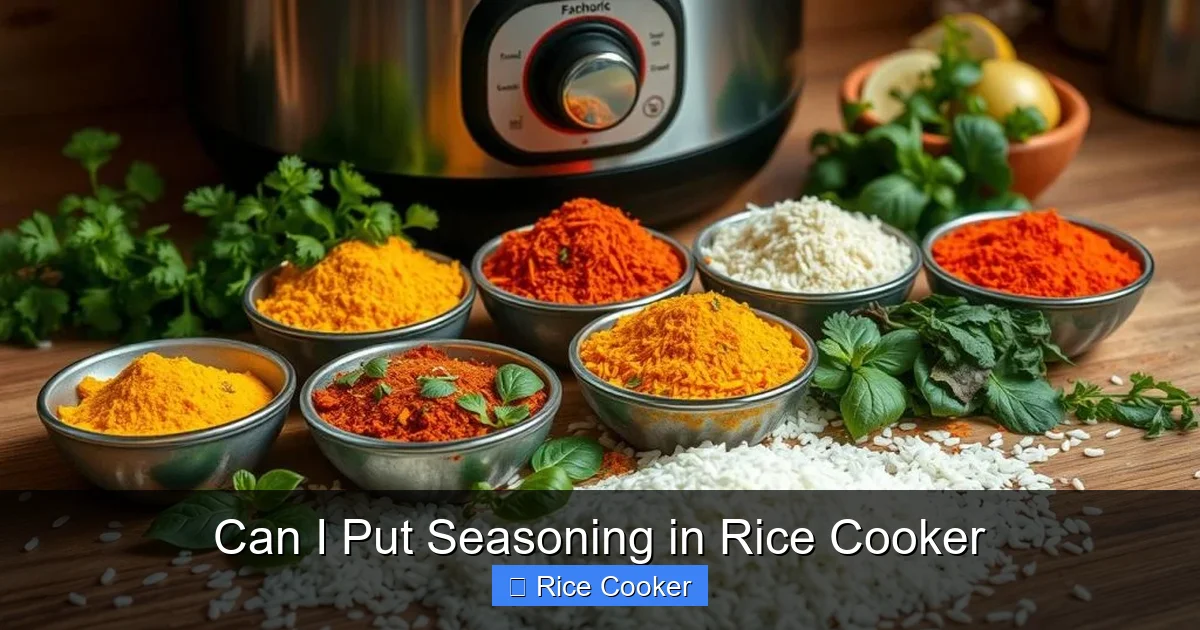
Visual guide about Can I Put Seasoning in Rice Cooker
Image source: ricearray.org
Flavor Boost Without Extra Work
One of the best things about using a rice cooker is that it does most of the work for you. Once you add your ingredients and press a button, the machine takes over. This means you can season your rice in advance—whether you’re using dry spices, sauces, or broths—without having to stand by the stove. No constant stirring, no risk of burning, and no extra dishes to wash. Just mix, pour, and let the cooker do its magic.
Nutritional Benefits of Seasoned Rice
Beyond taste, seasoning your rice can make it healthier. For example, using vegetable or chicken broth instead of water adds protein and vitamins. Turmeric brings anti-inflammatory benefits, while garlic supports immune health. Even something as simple as a splash of soy sauce provides umami depth and a touch of sodium reduction compared to table salt. By choosing the right seasonings, you can turn a basic staple into a powerhouse meal.
Perfect for Meal Prep and Batch Cooking
If you’re meal prepping for the week, seasoned rice is a lifesaver. Cook a large batch in your rice cooker with your favorite spices, then portion it out into containers. You can pair it with grilled chicken, roasted vegetables, or stir-fries for quick lunches or dinners. Plus, the flavors meld beautifully, so each serving tastes just as good—or better—as the first.
What Types of Seasonings Can Go in a Rice Cooker?
The short answer: almost anything! But not all seasonings are created equal. Some work better than others because of their texture, moisture content, or intensity. Let’s break down the best options.
Liquid-Based Seasonings
Liquid seasonings like broth, soy sauce, fish sauce, and coconut milk are excellent choices. They infuse the rice with rich flavors and often add a creamy texture. When using these, always reduce the amount of plain water you normally use. For example, if a recipe calls for 1 cup of water, try replacing half of it with broth or a splash of soy sauce.
Dry Spices and Herbs
Powdered spices such as curry powder, garam masala, turmeric, and paprika blend easily into rice. Dried herbs like thyme, oregano, and bay leaves also work well. Just toss them in before adding water—they’ll dissolve and distribute evenly during cooking. Avoid whole spices like peppercorns or cinnamon sticks unless you plan to remove them later (more on that below).
Aromatics and Vegetables
Sautéed garlic, ginger, onions, or leeks add incredible depth. For extra flavor, chop them finely and cook them briefly in oil before adding rice and water. You can also add diced tomatoes, spinach, or mushrooms—just be mindful of added moisture. Overdoing it might make your rice too wet, but a little goes a long way.
Sauces and Condiments
Ketchup, teriyaki sauce, hoisin, or even a spoonful of pesto can transform plain rice into something special. These are great for kids or picky eaters who love bold flavors. Just remember that some sauces are thick and salty, so adjust your water and salt accordingly.
Sweet Options
Don’t forget sweet rice! Coconut milk with a pinch of sugar makes perfect coconut rice. Or try adding a splash of maple syrup and vanilla to brown rice for a dessert-like treat. These are especially popular in Asian and Latin American cuisines.
Step-by-Step Guide: How to Season Rice in a Rice Cooker
Ready to try it yourself? Follow these simple steps to create flavorful, foolproof rice every time.
Step 1: Choose Your Base
Start with any type of rice—white, brown, jasmine, basmati, or even wild rice. Rinse it under cold water to remove excess starch, which helps prevent clumping.
Step 2: Add Aromatics (Optional)
If you’re using garlic, onion, or ginger, sauté them lightly in a bit of oil in your rice cooker insert. This releases their oils and intensifies their flavor. Be careful not to burn them.
Step 3: Mix in Dry Ingredients
Add your spices, herbs, or powdered seasonings directly to the rice. Stir gently to coat evenly. A little experimentation here pays off—try a teaspoon of curry powder for Indian-style rice or a pinch of smoked paprika for a Southern twist.
Step 4: Pour in Liquid
Use a combination of water and liquid seasonings. A general rule is 1 cup of rice to 1.5 cups of liquid. If you’re using broth or sauce, reduce plain water by half. Don’t fill past the max line!
Step 5: Close and Cook
Secure the lid and press the “Cook” button. Most modern rice cookers have settings like “Brown Rice,” “Quick Rice,” or “Steam,” but standard white rice usually works fine. Wait for the beep—no need to open the lid!
Step 6: Fluff and Serve
Once cooked, let the rice sit for 5–10 minutes with the lid closed. Then fluff it with a fork to release steam and redistribute moisture. Taste and adjust seasoning if needed—a dash more salt or a squeeze of lemon can make all the difference.
Popular Seasoned Rice Recipes You Can Make in a Rice Cooker
Let’s put theory into practice with some tried-and-true recipes. These dishes are easy, flavorful, and perfect for busy weekdays or special occasions.
1. Coconut Curry Rice
Combine 1 cup jasmine rice, 1 cup coconut milk, 1 cup water, 1 tbsp curry powder, 1 tsp turmeric, and a pinch of salt. Cook as usual. Garnish with cilantro and serve with grilled shrimp or tofu.
2. Garlic Herb Brown Rice
Sauté 2 minced garlic cloves in 1 tsp olive oil. Add 1 cup brown rice, 2 cups water, ½ tsp dried rosemary, and ¼ tsp thyme. Cook until tender. Top with lemon zest and feta cheese.
3. Teriyaki Glazed Rice
Mix 1 cup white rice, 1.5 cups water, and 2 tbsp teriyaki sauce. Add a strip of nori seaweed for authenticity. After cooking, drizzle with extra teriyaki and sesame seeds.
4. Spanish Saffron Rice (Arroz con Pollo Style)
Toast 1 tsp saffron threads in ¼ cup hot water for 10 minutes. Mix with 1 cup basmati rice, 1.5 cups chicken broth, 1 chopped tomato, and ½ bell pepper. Simmer for 15 minutes, then finish in the rice cooker.
5. Sweet Cinnamon Rice Pudding
For dessert! Combine 1 cup cooked rice, 1 cup milk, 2 tbsp sugar, ½ tsp cinnamon, and a dash of vanilla. Heat gently in the rice cooker using the “Warm” setting for 20 minutes. Chill and serve cold.
Common Mistakes to Avoid
Even experienced cooks make errors when seasoning rice. Here are some pitfalls to watch out for.
Adding Too Much Liquid
This is the #1 mistake. Too much liquid leads to mushy, undercooked rice. Always measure carefully and follow the 1:1.5 ratio unless your recipe says otherwise.
Using Salt Before Water
If you add salt directly to dry rice without water, it won’t dissolve evenly. Always mix salt with liquid first, or sprinkle it on top after cooking.
Skipping the Rinse
Unrinsed rice can be sticky or gummy, especially with added fats or oils from seasonings. A quick rinse removes surface starch and ensures fluffier results.
Overloading with Strong Flavors
While bold seasonings are fun, too much can overwhelm the rice. Start small—especially with spices like chili powder or fish sauce—and build up gradually.
Not Letting It Rest
Rushing to serve immediately causes condensation and sogginess. Always let rice sit covered for 5–10 minutes after cooking. It allows steam to equalize and flavors to meld.
Cleaning Your Seasoned Rice Cooker
After cooking, cleaning your rice cooker is straightforward—but it requires attention, especially if you’ve used oily or sticky seasonings.
Detach and Soak
Remove the inner pot and soak it in warm, soapy water for 10–15 minutes. This loosens food residue and makes scrubbing easier.
Use Non-Abrasive Tools
A soft sponge or brush works best. Avoid steel wool or harsh scrubbers, which can damage the non-stick coating.
Rinse Thoroughly
Make sure all soap and seasoning residue is rinsed away. Leftover spices or oils can affect future batches.
Wipe the Exterior
Use a damp cloth to clean the outside of the cooker. Don’t submerge the base or plug in wet appliances.
Check the Lid Seal
Inspect the rubber seal around the lid for stuck food particles. Clean it gently with a toothbrush and mild detergent.
Air Dry Completely
Let all parts air dry before reassembling. Moisture inside can cause mold or odors over time.
Can All Rice Cookers Handle Seasoning?
Most modern rice cookers are built to handle a variety of ingredients, including those with oils, acids, or strong flavors. However, older models or budget units may not have durable coatings or precise temperature control. Always check your manual for care instructions.
If you’re unsure, start with mild seasonings like broth or herbs. And never use metal utensils inside the pot—they can scratch the surface and trap bacteria.
Final Thoughts: Embrace the Flavor
Adding seasoning to your rice cooker isn’t just about making rice tastier—it’s about unlocking new culinary possibilities. With so many combinations to explore, you’ll never get bored of this humble grain. Whether you’re cooking for one or feeding a crowd, seasoned rice is quick, healthy, and satisfying.
So next time you open your rice cooker, don’t just reach for plain water. Try a splash of soy sauce, a pinch of turmeric, or a handful of frozen peas. Your taste buds—and your family—will thank you.
And remember: the best part about cooking is experimenting. What works for one person might not work for another. Keep notes, tweak recipes, and find your signature style. After all, even the simplest meals can become extraordinary with a little flavor.
Frequently Asked Questions
Can I put soy sauce in my rice cooker?
Yes, soy sauce is a great way to add umami and saltiness to your rice. Use it in place of part of the water—about 2–3 tablespoons per cup of rice works well. Just be cautious not to overdo it, as soy sauce is already salty.
Is it safe to add oil or butter to rice in the cooker?
Absolutely. Adding a teaspoon of oil or butter enhances flavor and prevents sticking. It’s especially helpful when cooking brown rice or using dry seasonings. Just mix it in before adding water.
Can I use fresh herbs in the rice cooker?
Fresh herbs like parsley, basil, or cilantro can be added, but they lose potency during cooking. For best results, add them during the last 5 minutes of cooking or stir them in after the rice is done.
Will seasoning change how long the rice cooks?
No, most rice cookers use automatic timers based on water absorption, not flavor intensity. However, denser grains like brown rice may take longer regardless of seasoning. Stick to the recommended settings.
Can I cook different types of rice together in the same batch?
It’s possible, but not ideal. White and brown rice have different cooking times and textures. For consistent results, cook them separately or choose varieties with similar cook times (e.g., both short-grain).
How do I store leftover seasoned rice?
Store it in an airtight container in the refrigerator for up to 4 days. Reheat gently on the stovetop with a splash of water or broth to restore moisture. Avoid reheating in the rice cooker unless it’s designed for reheating.