
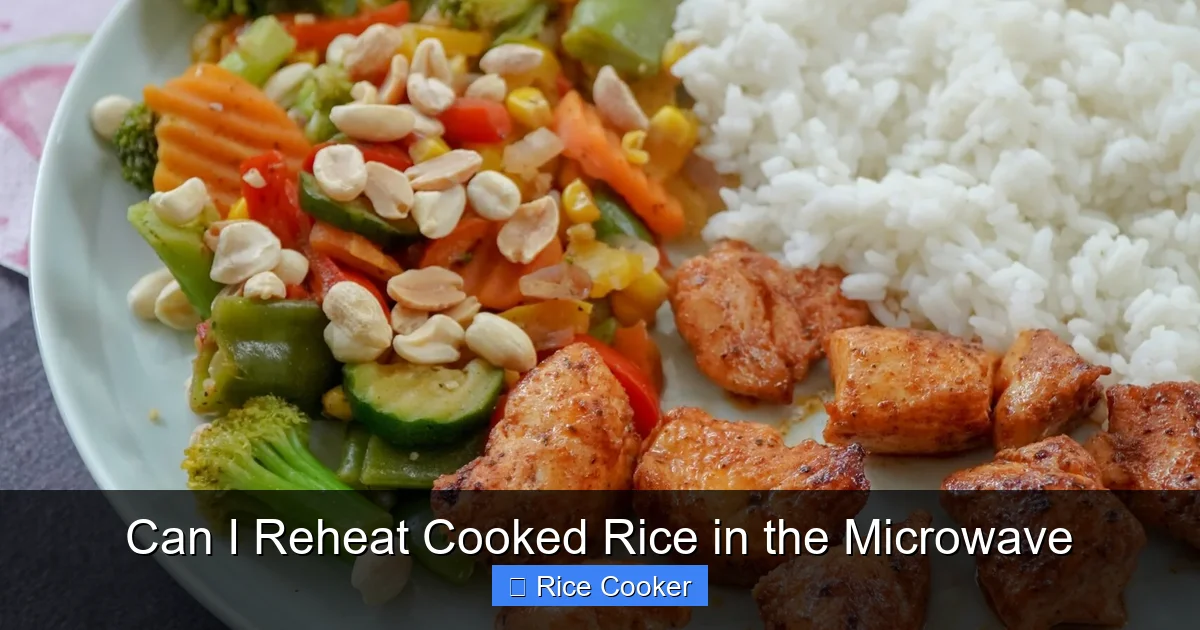
Reheating cooked rice in the microwave is not only safe but also one of the easiest ways to enjoy leftovers. As long as the rice was stored properly and heated to the right temperature, you can avoid common risks like bacillus cereus and still get delicious results. This guide walks you through everything you need to know—from storage tips to reheating techniques—so your second (or third) helping tastes just as good as the first.
Key Takeaways
- Safety First: Always reheat rice to an internal temperature of 165°F (74°C) to kill harmful bacteria that may have grown during storage.
- Proper Storage: Cool rice quickly and store it in shallow, airtight containers to reduce the risk of bacterial growth.
- Microwave Technique: Use a microwave-safe dish, cover it with a damp paper towel, and stir halfway through heating for even warmth.
- Avoid Overheating: Reheat rice in short intervals to prevent drying out or forming cold spots that aren’t fully cooked.
- Flavor Boosters: Add a splash of water, broth, or butter while reheating to restore moisture and enhance taste.
- Don’t Refreeze: Once thawed, never refreeze reheated rice—it can develop harmful bacteria and lose quality.
- Best Practices: Consume reheated rice within 2–3 days for optimal safety and flavor.
📑 Table of Contents
- Can I Reheat Cooked Rice in the Microwave?
- The Science Behind Reheating Rice Safely
- How to Store Cooked Rice Correctly
- Step-by-Step Guide to Reheating Rice in the Microwave
- Tips for Flavorful and Tasty Reheated Rice
- Alternative Methods to Reheat Rice
- Signs It’s Time to Throw Away Your Rice
- Conclusion: Yes, You Can Safely Reheat Rice in the Microwave
Can I Reheat Cooked Rice in the Microwave?
We’ve all been there—you cook a big batch of rice for dinner, enjoy the first serving, and then wonder: Can I reheat cooked rice in the microwave? The answer is yes, absolutely—but with some important caveats. While reheating rice in the microwave is quick, convenient, and perfectly safe when done correctly, improper handling can lead to foodborne illness. In this comprehensive guide, we’ll walk you through everything you need to know about safely reheating rice using your microwave, from storage to technique, so you can enjoy leftover rice without worry.
Whether you’re meal prepping for the week, making fried rice the next day, or simply don’t want to waste perfectly good grains, knowing how to reheat rice properly is a kitchen essential. We’ll cover the science behind why rice can be risky if mishandled, the best practices for storing and reheating it, and even share pro tips to make your reheated rice taste fresh again. By the end of this article, you’ll feel confident every time you pop that container into the microwave.
The Science Behind Reheating Rice Safely
Before diving into reheating techniques, it’s important to understand why rice requires special attention when it comes to food safety. Unlike other starchy foods, raw rice contains spores of a bacterium called Bacillus cereus. These spores are harmless when consumed in small amounts, but they can survive cooking—especially if the rice isn’t cooled and stored quickly. Once rice cools down, these spores can multiply and produce toxins that cause food poisoning, often mistaken for stomach flu due to symptoms like nausea, vomiting, and diarrhea.
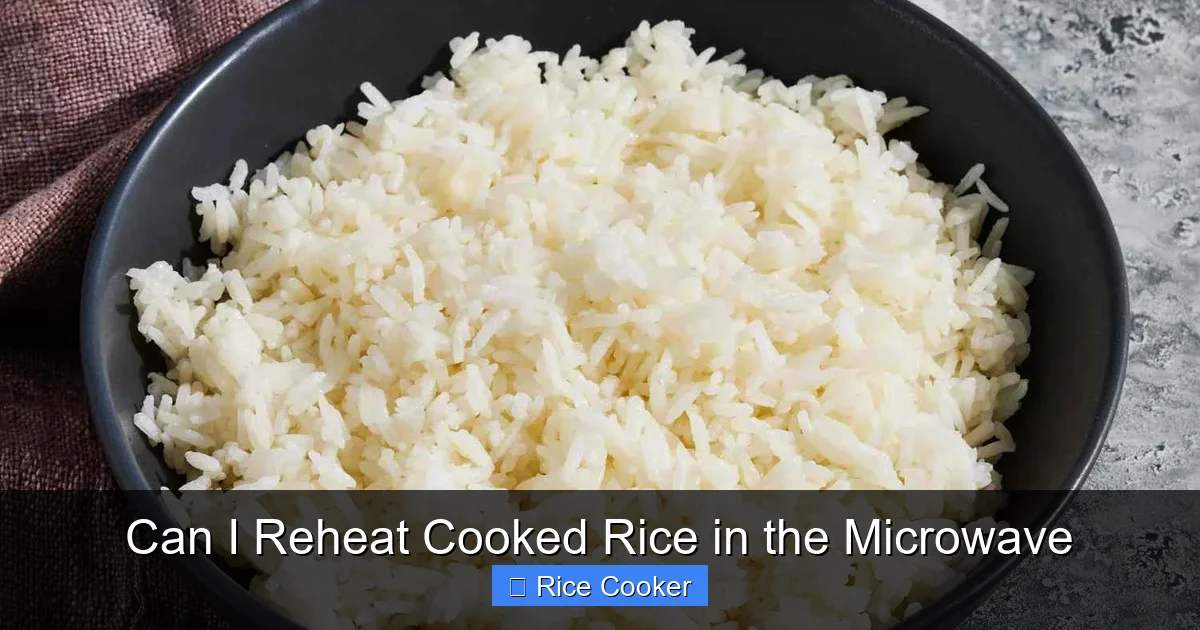
Visual guide about Can I Reheat Cooked Rice in the Microwave
Image source: recipes.net
Why Rice Is More Dangerous Than Other Leftovers
Most vegetables, meats, and proteins are less prone to bacterial growth because they either lack the right environment or have natural preservatives. Rice, on the other hand, is a perfect breeding ground for Bacillus cereus when left at room temperature for too long. The bacteria thrive in the starch-rich environment and can double every 20 minutes under ideal conditions. That’s why the USDA recommends against leaving cooked rice at room temperature for more than two hours—and ideally, it should be refrigerated within one hour.
When you reheat rice, the goal isn’t just to warm it up—it’s to bring it to a temperature high enough to kill any bacteria that might have developed. The magic number here is 165°F (74°C), which is the minimum internal temperature recommended by food safety experts to eliminate harmful microbes. Your microwave can achieve this, but only if used correctly.
The Risks of Improper Reheating
Many people assume that as long as rice looks and smells fine, it’s safe to eat. But the problem with Bacillus cereus is that its toxins are heat-stable—meaning they don’t break down during reheating. So even if you boil or microwave rice until steaming hot, you won’t destroy the toxins already produced. That’s why prevention starts with proper cooling and storage, not just reheating.
Additionally, reheating rice improperly can create cold spots where bacteria survive. Microwaves heat unevenly, so parts of the rice may remain below 165°F while the rest is scorching hot. Stirring helps distribute heat, but skipping this step increases the risk of undercooked areas—and potential illness.
How to Store Cooked Rice Correctly
Even if you plan to reheat rice in the microwave, proper storage is the first line of defense against foodborne illness. The key is speed and method. After cooking, rice should be cooled rapidly and stored in the refrigerator within one hour. Here’s how to do it right:
Cooling Rice Quickly
Instead of letting rice sit on the counter, spread it thinly across a baking sheet or divide it into shallow containers. This increases surface area and allows heat to dissipate faster. You can also place the container in an ice bath for extra cooling power. Avoid stacking rice in deep bowls—it takes too long to cool and creates a warm environment where bacteria love to grow.
Storage Containers Matter
Use airtight, microwave-safe containers with tight-fitting lids. Glass or BPA-free plastic works well. Label each container with the date so you know when it was made—rice should be eaten within 4–6 days for best quality and safety. Never store rice in open dishes or uncovered pots.
Freezing Rice: A Safe Option
If you’re not planning to eat the rice within a few days, freezing is a great alternative. Portion it into freezer-safe bags or containers, remove as much air as possible, and freeze for up to three months. Thaw overnight in the fridge before reheating. Just remember: once thawed, don’t refreeze reheated rice—it loses texture and becomes unsafe.
Step-by-Step Guide to Reheating Rice in the Microwave
Now that your rice is safely stored, let’s talk about reheating it in the microwave. With the right technique, you can revive even slightly dry or cold rice into something tender and flavorful. Follow these steps for best results:
Choose the Right Dish
Use a microwave-safe plate or bowl. Ceramic, glass, or microwave-safe plastic are all fine—just avoid metal. If you’re reheating a large amount, consider using a larger dish so the rice doesn’t overflow when it splatters from steam.
Add Moisture (Optional but Helpful)
Rice tends to dry out after refrigeration. To combat this, add a tablespoon of water or broth per cup of rice before microwaving. You can also dot the top with a small piece of butter or drizzle with a bit of oil. Cover the dish with a damp paper towel or microwave-safe lid. This traps steam and prevents the rice from getting rubbery.
Heat in Intervals
Microwave on high for 30–60 seconds at a time. Rice typically needs 1–2 minutes total, depending on quantity and starting temperature. After each interval, give the rice a gentle stir to redistribute heat and check for hot spots.
Check the Temperature
Use a food thermometer to ensure the center reaches at least 165°F. If it’s still cold in the middle, continue heating in 15-second increments until safe. Never guess—cold rice is a health hazard.
Let It Rest
After microwaving, let the rice stand for 1–2 minutes. This allows residual heat to finish warming the interior. Then fluff it with a fork before serving.
Tips for Flavorful and Tasty Reheated Rice
Reheated rice doesn’t have to be bland or mushy. With a few simple tricks, you can make it taste almost as good as fresh. Here are some pro tips to elevate your reheated rice:
- Add Liquid: As mentioned earlier, adding water, broth, or even soy sauce while reheating adds moisture and depth of flavor.
- Sauté with Aromatics: For fried rice, heat a pan with oil, garlic, and onions, then add your reheated rice and stir-fry. This transforms cold leftovers into a restaurant-quality dish.
- Mix in Sauces or Seasonings: Stir in tomato paste, curry powder, or a dash of vinegar for bold new flavors.
- Use Steam Trick: Place a microwave-safe bowl of hot water inside the microwave with your rice. The steam will help soften the grains.
- Fluff Immediately: After reheating, fluff the rice with a fork to separate grains and restore texture.
Common Mistakes to Avoid
- Not Covering the Dish: This leads to uneven drying.
- Overheating: Can make rice hard and chewy.
- Skipping Stirring: Causes hot and cold spots.
- Using Metal Lids: Sparks can occur and damage your microwave.
Alternative Methods to Reheat Rice
While the microwave is fast and convenient, other methods can yield better texture—especially if you’re making fried rice or want fluffier grains. Here’s how to reheat rice using stovetop or oven techniques:
Stovetop Method
Place rice in a saucepan with a splash of water or broth. Cover and simmer over low heat for 5–7 minutes, stirring occasionally. This gentle heat prevents sticking and restores moisture. Great for small batches or when you want more control.
Oven Method
Preheat your oven to 350°F (175°C). Spread rice on a baking sheet lined with parchment paper. Drizzle with a little oil or water, cover with foil, and bake for 10–15 minutes. Check and stir halfway through. Ideal for reheating large quantities without drying out.
Air Fryer Option
Spray the air fryer basket with oil, add rice, and reheat at 350°F for 3–5 minutes. Shake or stir halfway through. This method gives rice a slightly crispy edge—perfect for fried rice lovers.
Signs It’s Time to Throw Away Your Rice
Despite your best efforts, sometimes rice goes bad. Know the warning signs:
- Unpleasant Odor: Sour or rancid smell indicates spoilage.
- Mold Growth: White, green, or black spots mean the rice is contaminated.
- Unusual Texture: Slimy or overly sticky rice is a red flag.
- Expired Date: If stored beyond 6 days, discard it even if it looks fine.
Trust your senses—if something feels off, it’s better to be safe than sorry.
Conclusion: Yes, You Can Safely Reheat Rice in the Microwave
Reheating cooked rice in the microwave is not only possible—it’s one of the most efficient ways to enjoy leftovers. With proper storage, careful reheating, and attention to temperature, you can avoid foodborne illness and serve up delicious, safe rice every time. Remember: the key is speed in cooling, airtight storage, and thorough reheating to 165°F. Whether you’re making fried rice, adding it to soups, or enjoying it plain with a fried egg, your reheated rice can be just as satisfying as the first serving.
By following the tips and techniques outlined in this guide, you’ll never fear reheating rice again. Next time you’re faced with leftovers, reach for your microwave with confidence—and savor every bite.
Frequently Asked Questions
Is it safe to reheat rice in the microwave more than once?
No, it’s not recommended to reheat rice multiple times. Each time you heat it, there’s a higher chance of bacterial growth if not handled properly. It’s safest to consume reheated rice within one sitting.
How long can I keep cooked rice in the fridge?
Cooked rice should be stored in the refrigerator within one hour of cooking and consumed within 4–6 days for optimal safety and quality.
Can I reheat frozen rice in the microwave?
Yes, but thaw it first in the refrigerator or use the defrost setting on your microwave. Once thawed, reheat immediately to 165°F and avoid refreezing.
Why does my reheated rice taste dry?
Dryness usually comes from not adding moisture during reheating. Try adding a splash of water, broth, or oil and covering the dish with a damp paper towel to trap steam.
Does color change in rice mean it’s spoiled?
A slight darkening is normal due to oxidation, especially in brown rice. However, if the rice has mold, slime, or a foul odor, it should be discarded immediately.
Can I reheat rice that’s been left out overnight?
It’s risky. If rice has been at room temperature for over two hours, it may harbor dangerous bacteria. When in doubt, throw it out. Better safe than sick.