
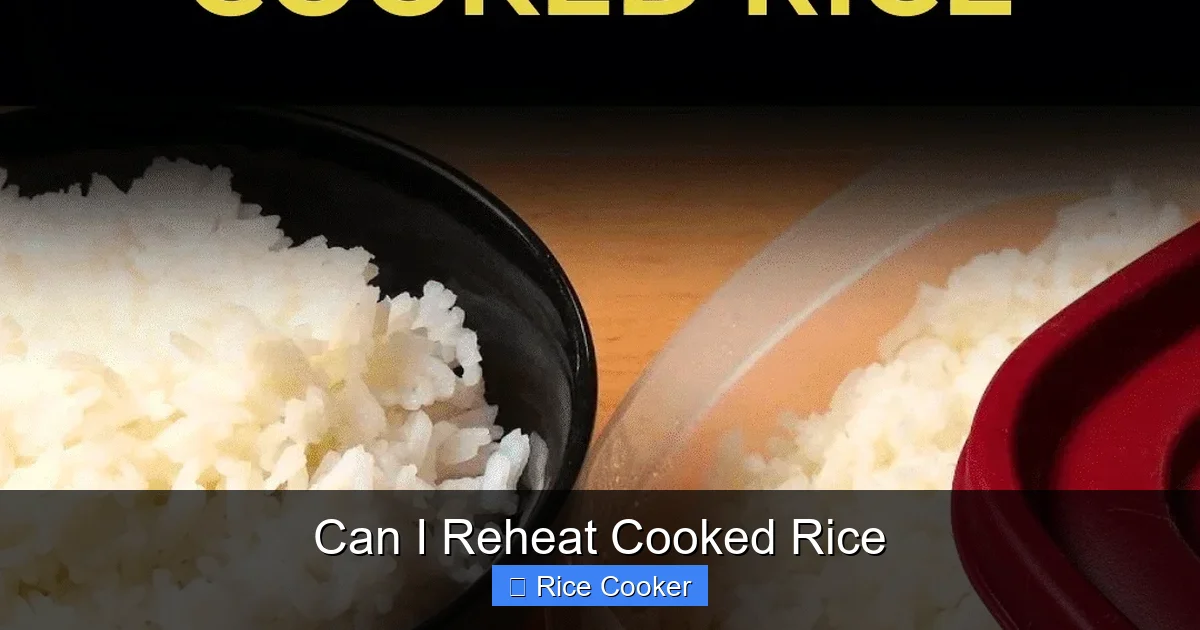
Can I reheat cooked rice? Absolutely! Reheating rice is not only safe when done correctly but also a great way to reduce food waste. The key lies in proper storage, quick cooling, and thorough reheating. Whether you’re saving leftovers for lunch tomorrow or reviving last night’s dinner, mastering the reheating process ensures your rice stays tasty, tender, and safe to eat.
# Can I Reheat Cooked Rice?
You just finished a delicious meal featuring fluffy jasmine rice or savory brown rice pilaf. But instead of eating it all in one sitting, you save the rest for later. That’s smart—leftover rice is convenient, affordable, and eco-friendly. But here’s the big question on every home cook’s mind: **can I reheat cooked rice?** The short answer is yes—but only if you do it right. In this complete guide, we’ll walk you through everything you need to know about safely reheating cooked rice, from storage to serving, so your second (or third!) helping tastes just as good as the first.
Cooked rice is incredibly versatile. It pairs perfectly with stir-fries, curries, grilled meats, soups, and salads. Yet many people avoid reheating it because they’ve heard myths about toxins or dryness. These concerns are understandable but often exaggerated—when handled properly, reheated rice is not only safe but also full of flavor and nutrition. Let’s debunk those myths and give you practical, science-backed methods to enjoy leftover rice again and again.
Whether you’re using a rice cooker, stovetop method, or instant pot, knowing how to store and reheat your rice makes meal prep easier and reduces kitchen waste. We’ll cover different types of rice (white, brown, sushi, etc.), ideal reheating techniques, safety precautions, and even creative ways to use leftover rice beyond plain reheating. By the end of this article, you’ll feel confident every time you ask yourself, “Can I reheat cooked rice?”
—
## Understanding Rice Safety: Why It Matters
Before we dive into reheating tips, let’s talk about why food safety is so important when dealing with cooked rice. You might be surprised to learn that rice isn’t inherently dangerous—but certain bacteria can grow in it under the wrong conditions.
### The Risk of Bacillus Cereus
One common culprit is *Bacillus cereus*, a spore-forming bacterium found in soil and dust. When raw rice absorbs water during cooking, these spores can survive the process. If the warm, moist rice is left sitting at room temperature for too long, the spores can germinate and produce toxins that cause food poisoning. Symptoms include nausea, vomiting, and diarrhea—similar to other bacterial infections.
This doesn’t mean you should never eat reheated rice. It means you must handle it carefully. The good news? Proper refrigeration kills active bacteria (though not necessarily pre-formed toxins), and reheating to a high enough temperature destroys any remaining pathogens.
### How Long Is Rice Safe?
Freshly cooked rice is safest eaten immediately. However, if cooled and refrigerated within two hours (ideally one hour), it can last 3–4 days in the fridge. Frozen rice remains safe for up to 3 months. Always label containers with dates so you track freshness.
—
## Best Practices for Storing Leftover Rice
Reheating starts with proper storage. No matter how you plan to reuse your rice—whether tomorrow or next week—how you store it dramatically affects its safety and quality.
### Cooling Down Fast
After cooking, resist the urge to let rice sit uncovered on the counter. Bacteria multiply rapidly between 40°F and 140°F (the “danger zone”). Instead, spread the rice in a shallow container or tray to cool quickly. Stir occasionally to release heat evenly. This helps bring the internal temperature down faster, reducing bacterial growth.
### Use Airtight Containers
Once cooled to room temperature (within 1–2 hours), transfer the rice to airtight containers. Glass or BPA-free plastic works well. Avoid sealing too tightly until fully cooled—steam buildup can create condensation, which encourages mold.
### Portion Control Helps
Divide large batches into smaller portions (about 1 cup each). This allows you to thaw or reheat only what you need, minimizing repeated exposure to temperature fluctuations.
### Label and Date Everything
Write the date on the container. Most experts recommend using refrigerated rice within 4 days. If you’re freezing, mark the container with both date and contents (e.g., “Brown Rice – 10/15”).
—
## Top 3 Ways to Reheat Cooked Rice Safely
Now for the main event: bringing your saved rice back to life. Here are three reliable methods, ranked by flavor retention and ease.
### 1. Microwave Method (Fastest)
Microwaving is popular because it’s quick and requires minimal cleanup. But without care, your rice can turn rubbery or develop cold spots.
#### Step-by-Step Guide:
– Place rice in a microwave-safe dish.
– Cover with a damp paper towel or lid to trap steam.
– Heat on high in 30-second intervals, stirring between each cycle.
– Check internal temperature with a food thermometer—it should reach at least 165°F (74°C).
– Fluff with a fork before serving.
💡 Pro Tip: Add a teaspoon of water or broth while microwaving to revive dryness.
### 2. Stovetop Steaming (Best Texture)
Steaming over simmering water or in a covered pot preserves moisture and prevents scorching. This method gives restaurant-quality results.
#### Step-by-Step Guide:
– Transfer rice to a saucepan.
– Add a splash of water or broth.
– Cover and heat over medium-low for 3–5 minutes, stirring occasionally.
– Remove from heat and let sit covered for 2 minutes before fluffing.
💡 Pro Tip: For extra flavor, toss in a pinch of salt, garlic powder, or sesame oil.
### 3. Oven or Toaster Oven (For Large Batches)
Need to reheat multiple servings at once? Preheat your oven to 350°F (175°C). Spread rice on a baking sheet lined with parchment. Cover tightly with foil and heat for 10–15 minutes, checking halfway. Flip the batch halfway through for even warming.
—
## Choosing the Right Rice Type for Reheating
Not all rice is created equal when it comes to reheating. Different varieties behave differently based on starch content and grain structure.
### White Rice vs. Brown Rice
White rice (like jasmine or basmati) has less fiber and cooks faster, making it ideal for quick reheats. Its refined texture holds up well after multiple cycles.
Brown rice, while nutritious, contains more bran and takes longer to cook—and also longer to reheat. Because it’s chewier initially, some prefer adding liquid during reheating to prevent hardening.
### Sushi Rice Considerations
Sushi rice is sticky due to higher amylopectin content. While safe to reheat, it can become mushy if overcooked. Gentle steaming is best—never boil!
### Instant Rice Mixes
Many instant rice products are designed for single-use convenience. While technically safe to reheat, their texture may degrade. Stick to homemade or freshly cooked rice for best results.
—
## Common Mistakes to Avoid
Even experienced cooks make these errors. Steer clear of them to keep your rice tasting great.
### Skipping the Damp Paper Towel
Dry rice in the microwave turns into a rock. Always cover with a damp cloth or vented lid to create a humid environment.
### Overcrowding the Pan
Too much rice in one pot traps cold spots. Reheat in thin layers for uniform heat distribution.
### Using Cold Water Directly
Adding ice-cold water to hot rice causes thermal shock, potentially cracking grains. Warm liquids work better.
### Ignoring Smell and Texture
Trust your senses. If rice smells funky or feels slimy, it’s time to throw it away—no exceptions.
### Reheating More Than Once
Each reheating cycle increases the risk of bacterial regrowth and textural loss. Plan ahead and reheat only once per day.
—
## Creative Ways to Use Reheated Rice
Don’t stop at plain reheating! Leftover rice is a pantry superhero.
### Fried Rice
Stir-fry with scrambled eggs, vegetables, soy sauce, and a splash of oyster sauce. Add shrimp or tofu for protein.
### Rice Pudding
Simmer with milk, cinnamon, sugar, and raisins for a cozy dessert. Perfect for using older rice.
### Rice Salad
Mix with chopped veggies, herbs, olive oil, lemon juice, and chickpeas for a refreshing lunch.
### Rice Cakes or Fritters
Form into patties, coat in breadcrumbs, and pan-fry until golden. Great with sweet or savory toppings.
### Stuffing or Dressing
Use as a base for baked goods like shepherd’s pie or meatloaf filling.
—
## Freezing Rice: A Game-Changer
Freezing extends rice’s shelf life significantly and is perfect for meal prep. Follow these steps:
– Cool completely before freezing.
– Store in freezer-safe bags or containers, removing excess air.
– Label with date and quantity.
– Thaw in the refrigerator overnight or use the defrost setting on your microwave.
Frozen rice reheats beautifully—just follow standard reheating methods above.
—
## FAQs About Reheating Cooked Rice
Is it safe to reheat rice more than once?
It’s generally not recommended to reheat rice more than once. Each cycle raises the risk of bacterial contamination and textural degradation. Plan portions wisely to minimize waste.
How do I know if my rice is spoiled?
If rice smells sour, has a slimy texture, or shows signs of mold, discard it immediately. When in doubt, throw it out—your health is worth it.
Can I reheat rice directly from the freezer?
Yes! Thaw frozen rice in the refrigerator overnight or microwave using the defrost setting. Then reheat thoroughly to 165°F (74°C) before eating.
Does type of rice affect how I should reheat it?
Brown rice needs slightly more liquid during reheating due to higher fiber content. Sushi rice benefits from gentle steaming to maintain stickiness without becoming mushy.
What’s the fastest way to reheat rice without drying it out?
The microwave with a damp paper towel works best for speed and moisture retention. Add a splash of water or broth if needed.
Can children and elderly eat reheated rice?
Yes, as long as it’s reheated to 165°F (74°C) and stored properly. However, these groups may have weaker immune systems, so extra caution is advised.
—
## Final Thoughts
So, can I reheat cooked rice? Absolutely—with confidence and the right techniques. By understanding food safety principles, storing rice correctly, and choosing the best reheating method for your needs, you can enjoy delicious, safe, and sustainable meals every time.
Remember: the goal isn’t just to warm up leftovers—it’s to preserve flavor, texture, and nutrition. With a little planning and attention to detail, reheated rice can be just as satisfying as the original dish.
Next time you cook a big batch of rice, think beyond tonight’s plate. Save a portion, freeze another, and get ready to explore new recipes with your versatile staple. Your taste buds—and your kitchen wallet—will thank you.
Key Takeaways
- Safety First: Reheated rice must reach 165°F (74°C) internally to kill harmful bacteria like Bacillus cereus.
- Cool Quickly: Never leave cooked rice at room temperature for more than 2 hours—refrigerate within 1 hour.
- Use the Right Method: Steam, microwave, or stovetop are all effective; steaming preserves moisture best.
- Fluff Before Reheating: Break up clumps gently before heating to ensure even warmth.
- Don’t Overheat: Limit reheating cycles to avoid drying out the grains.
- Check Texture & Smell: Discard rice that smells sour, slimy, or has an off odor.
- Freezing Works Too: Rice freezes well for up to 3 months—thaw in the fridge overnight.
Frequently Asked Questions
What is can i reheat cooked rice?
can i reheat cooked rice is an important topic with many practical applications.