
Soaking rice before cooking is not just possible—it’s beneficial! This simple step can significantly improve your rice’s texture, reduce cooking time, and make cleanup easier. Whether you’re using a rice cooker or stovetop method, soaking helps remove excess starch, leading to fluffier, less sticky results.
Key Takeaways
- Improves Texture: Soaking breaks down starches, resulting in softer, more uniform grains.
- Saves Time: Pre-soaked rice cooks faster because it absorbs water more efficiently.
- Reduces Stickiness: Rinsing and soaking removes surface starch that causes clumping.
- Enhances Flavor Absorption: Rice soaks up seasonings and aromatics better when prepped this way.
- Works for Most Varieties: From white rice to brown and specialty grains, soaking is generally helpful.
- Easy to Do: Just cover rice with water, let it sit, then rinse before cooking.
📑 Table of Contents
- Can I Soak Rice Before Cooking?
- The Science Behind Soaking Rice
- How Long Should You Soak Rice?
- Which Types of Rice Benefit Most from Soaking?
- Soaking vs. Not Soaking: What’s the Difference?
- Tips for Perfectly Soaked Rice Every Time
- Soaking and Rice Cookers: A Match Made in Kitchen Heaven
- Common Mistakes to Avoid
- Soaking Rice for Different Dishes
- Environmental and Health Benefits of Soaking Rice
- Final Thoughts: Is Soaking Worth It?
- Conclusion
Can I Soak Rice Before Cooking?
If you’re like most home cooks, you probably toss dry rice straight into your rice cooker or pot without a second thought. But what if there was a simple trick—something as easy as adding water—that could make your rice fluffier, less sticky, and ready faster? The answer: yes, you absolutely can soak rice before cooking, and many experts agree it’s one of the best ways to elevate your side dish game.
Soaking rice isn’t a new-age trend or a gourmet technique. It’s a time-honored practice used across cultures and cuisines, from Japanese short-grain sushi rice to Indian basmati and even hearty brown rice. At its core, soaking allows water to penetrate the grain, kickstarting the hydration process before heat is applied. This means less time on the stove and more time enjoying a perfectly cooked meal. Plus, it reduces the amount of starch that turns into glue during cooking, which is why your rice comes out less sticky and easier to fluff.
In this guide, we’ll walk through everything you need to know about soaking rice—how long to soak it, which types benefit most, how it affects cooking time, and how to do it right whether you’re using a rice cooker or stovetop. By the end, you’ll be convinced that a little prep time pays big dividends in every bite.
The Science Behind Soaking Rice
Before we dive into the “how,” let’s talk about the “why.” Why does soaking rice make such a difference? It all comes down to starch structure and water absorption.
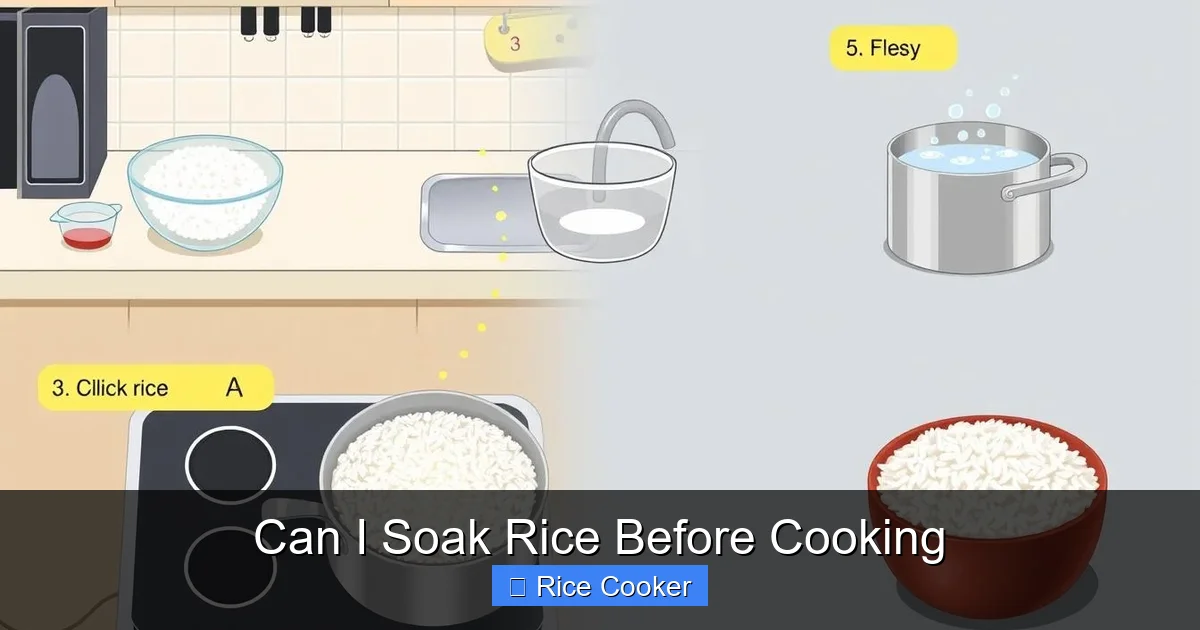
Visual guide about Can I Soak Rice Before Cooking
Image source: ricearray.org
Starch Breakdown and Hydration
Rice contains two types of starch: amylose and amylopectin. Amylose contributes to a firmer, drier texture, while amylopectin makes rice stickier. When you cook rice, heat causes these starches to gelatinize—meaning they absorb water and swell. But if the rice hasn’t had time to absorb water beforehand (like when you cook it dry), the outer layers absorb water first, forming a tough crust while the inside remains undercooked. This uneven cooking leads to mushy or chewy results.
Soaking rice allows it to hydrate gradually. Water penetrates the grain’s surface, softening the exterior and preparing the interior for even heat distribution. This pre-hydration ensures that when you apply heat, the entire grain cooks uniformly—leading to tender, fluffy rice instead of a lumpy mess.
Reducing Excess Starch
Another key benefit of soaking is removing surface starch. Rice naturally releases some starch when rinsed or soaked, especially in white rice. That starch is what makes rice sticky when cooked. By letting rice sit in water, you give excess starch a chance to leach out—especially if you give it a gentle rinse after soaking. This is especially important if you’re making rice for salads, pilafs, or dishes where you want individual grains, not a clump.
Think of it like washing vegetables before eating. You don’t want dirt or residue, right? The same principle applies to rice—removing excess starch improves both taste and texture.
How Long Should You Soak Rice?
The ideal soaking time depends on the type of rice you’re using. Here’s a general guide:
- White Rice: 15–30 minutes
- Basmati Rice: 30 minutes to 1 hour
- Brown Rice: 30 minutes to 1 hour (longer may be needed)
- Sushi Rice: 20–30 minutes
- Wild Rice: No soaking needed—but rinse well
For most common varieties like jasmine or long-grain white rice, a quick 20-minute soak is plenty. Basmati and brown rice benefit from longer soaking because their grains are denser and take more time to hydrate fully.
Here’s a simple step-by-step method:
- Measure your rice and place it in a bowl.
- Add cold water until the rice is submerged by about an inch.
- Let it sit for the recommended time.
- Gently swish the rice with your fingers to help release starch.
- Drain and rinse once or twice under cold running water until the water runs clear.
Pro tip: Don’t soak rice for more than 2 hours unless refrigerated—longer exposure can lead to bacterial growth, especially in warmer kitchens.
Which Types of Rice Benefit Most from Soaking?
Not all rice is created equal when it comes to soaking. Some varieties gain more from pre-soaking than others.
White Rice
White rice—like jasmine, long-grain, or medium-grain—benefits greatly from soaking. Because it’s been milled to remove the bran and germ, it lacks natural moisture retention. Soaking helps compensate for that, reducing cooking time and preventing overcooking. White rice soaked for 20 minutes before cooking often comes out fluffier and less likely to form clumps.
Basmati Rice
This aromatic Indian and Pakistani favorite is prized for its long grains and nutty flavor. However, basmati tends to dry out quickly during cooking if not properly hydrated. Soaking basmati for at least 30 minutes ensures each grain plumps evenly, resulting in a light, separate texture perfect for biryanis or pilafs.
Brown Rice
Brown rice has a tougher hull and more fiber, so it takes longer to cook. Soaking helps soften the outer layer, allowing water to penetrate more easily. A 45-minute to 1-hour soak can reduce cooking time by 10–15 minutes and produce a more consistent result. Be cautious not to over-soak brown rice, though—its texture can become too soft if left too long.
Sushi Rice
Sushi rice requires careful handling to maintain its sticky-yet-separate balance. Soaking sushi rice for 20–30 minutes before rinsing helps control stickiness while ensuring even cooking. Many sushi chefs recommend soaking rice overnight for the best results, but a shorter soak works well for home cooks.
Instant Rice and Quick-Cook Varieties
If you’re using instant or quick-cook rice (like Minute Rice), soaking is usually unnecessary—and might even lead to mushiness. These are designed to cook fast with minimal prep, so skip soaking unless the package instructions suggest otherwise.
Soaking vs. Not Soaking: What’s the Difference?
Let’s compare two scenarios: cooking rice dry versus soaking it first. Imagine you’re making a family dinner with jasmine rice and want fluffy, independent grains.
Cooking Without Soaking
You measure 1 cup of rice, rinse it once, and add it directly to the rice cooker with 1.5 cups of water. You press start and wait. After 18 minutes, the rice cooker beeps. You open the lid—only to find a dense, slightly gummy mass that sticks together. Some grains are still hard in the center. Cleanup is messy because the pot is caked with stuck-on rice. You serve it anyway, knowing it could’ve been better.
Cooking With Soaking
This time, you soak the rinsed rice for 25 minutes. After draining, you add it to the rice cooker with 1.5 cups of water. The timer runs, but this time, the rice is tender, light, and each grain stands alone. There’s no crust at the bottom, and the rice separates easily with a fork. Your family raves about the texture. Cleanup is a breeze.
The difference? Hydration and starch management. Soaking gives you control over the final result.
Tips for Perfectly Soaked Rice Every Time
Ready to try soaking? Here are some pro tips to ensure success:
- Use the Right Ratio: For soaking, use about 2–2.5 times the volume of water compared to rice. Soak in a wide-mouth bowl for even exposure.
- Don’t Skip the Rinse: After soaking, drain and rinse thoroughly. This removes the last bit of surface starch.
- Adjust Water in Cooking: If you soaked rice for a long time (over 30 minutes), reduce the cooking water slightly—soaked rice already holds more moisture.
- Keep It Cool: Soak at room temperature. If your kitchen is warm, consider refrigerating the rice and bowl for safety.
- Experiment with Flavors: Soak rice in broth or infused water (with herbs or spices) for added flavor depth.
Soaking for Special Diets
Soaking can also help with digestion and nutrient availability. Soaking brown rice reduces phytic acid, which can inhibit mineral absorption. This makes nutrients more bioavailable—great for people with sensitive stomachs or those following a whole-foods diet.
Soaking and Rice Cookers: A Match Made in Kitchen Heaven
One of the biggest advantages of soaking rice is how well it pairs with rice cookers. These appliances rely on precise timing and consistent heat, and soaked rice responds beautifully to their automation.
When you soak rice before adding it to a rice cooker, you’re essentially giving the appliance a head start. The grains are already hydrated, so they require less active cooking time. This means:
- Less energy used
- More accurate doneness
- Fewer chances of burning or undercooking
Many modern rice cookers also have a “quick cook” or “soak” mode, though traditional models work just fine. Either way, pre-soaking ensures your machine doesn’t have to work overtime.
For example, if your rice cooker recommends 18 minutes for white rice, soaking for 20–30 minutes might bring total active cooking time down to 15 minutes. That’s a small change, but it adds up over time—especially if you cook rice daily.
Soaking and Stovetop Cooking
Don’t worry—you don’t need a fancy appliance to enjoy the benefits of soaking. You can absolutely soak rice for stovetop cooking too. The process is the same: soak, rinse, drain, then add to your pot with adjusted water levels.
Just remember that stovetop cooking requires more attention. Keep an eye on the rice during the last few minutes to prevent boiling over or sticking, especially if you reduced the water due to soaking.
Common Mistakes to Avoid
Even with the best intentions, mistakes happen. Here’s how to avoid them:
- Over-soaking: More than 2 hours at room temperature increases spoilage risk. Always refrigerate if soaking longer.
- Skipping the rinse: Starchy water left in the rice can make it gummy. Rinse until water runs clear.
- Using hot water to soak: Cold water is best. Hot water can start cooking the rice prematurely.
- Not adjusting water ratios: Over-soaked rice needs less cooking water. Check the rice halfway through and adjust if needed.
What About Wild Rice?
Wild rice is different—it’s actually a seed, not true rice. It doesn’t benefit much from soaking and can become mushy if over-prepared. Just rinse it well and cook as directed.
Soaking Rice for Different Dishes
Different meals call for different textures. Here’s how soaking can help:
- Rice Pudding: Skip soaking—it would make the rice too soft.
- Risotto: No soaking needed; constant stirring achieves creaminess.
- Fried Rice: Soak briefly (10–15 min) to remove excess starch, then rinse well.
- Jambalaya or Paella: Soak long-grain rice for better absorption of spices and liquids.
Environmental and Health Benefits of Soaking Rice
Beyond taste and texture, soaking rice has eco-friendly perks too. Because soaked rice cooks faster, you use less gas or electricity. That’s a small but meaningful reduction in your carbon footprint.
Health-wise, soaking brown rice helps break down phytic acid, which can interfere with iron and zinc absorption. While you don’t need to soak it forever, doing it occasionally supports better nutrient uptake—especially if you eat rice regularly.
Final Thoughts: Is Soaking Worth It?
At the end of the day, soaking rice is a simple, low-effort habit that delivers high rewards. It’s not about perfection—it’s about consistency and improvement. Even if you only soak rice once a week, you’ll notice the difference in every bowl.
Whether you’re feeding a crowd, meal-prepping for the week, or just craving a better side dish, soaking rice is a game-changer. And the best part? It works with any rice cooker, any rice variety, and any cooking method.
So next time you reach for a bag of rice, pause. Add water. Let it sit. Then cook. Your future self—and your dinner guests—will thank you.
Conclusion
To sum it up: yes, you should soak rice before cooking. It’s a small step with big results—fluffier grains, less stickiness, faster cooking, and tastier meals. From white rice to basmati and brown rice, nearly every variety benefits from proper hydration before heat. And whether you’re using a rice cooker or stovetop, soaking ensures even cooking and better texture.
Give it a try tonight. Measure your rice, cover it with water, and let it rest for 20–30 minutes. Rinse, cook, and serve. You’ll be amazed at how much better your rice can be.
Frequently Asked Questions
Does soaking rice make it cook faster?
Yes, soaking rice allows it to absorb water before cooking, which speeds up the cooking process. Soaked rice typically requires 5–10 fewer minutes on the stove or in the rice cooker.
Can I soak rice overnight?
It’s not recommended to soak rice overnight at room temperature due to the risk of bacterial growth. If you must soak longer than 2 hours, refrigerate the rice and soak bowl covered.
Should I rinse rice before soaking?
Yes, always rinse rice before soaking to remove excess surface starch. This helps prevent stickiness and improves overall texture.
Is soaking necessary for all types of rice?
No, instant or quick-cook rice doesn’t need soaking. Most long-grain, short-grain, and brown rice varieties benefit from soaking for better results.
Will soaking make rice mushy?
Only if overdone. Soaking too long or not rinsing afterward can lead to mushiness. Follow recommended times and always rinse after soaking.
Can I soak rice in flavored liquid?
Absolutely! Soaking rice in broth, coconut milk, or spiced water infuses flavor deep into the grains, enhancing taste without changing texture negatively.