
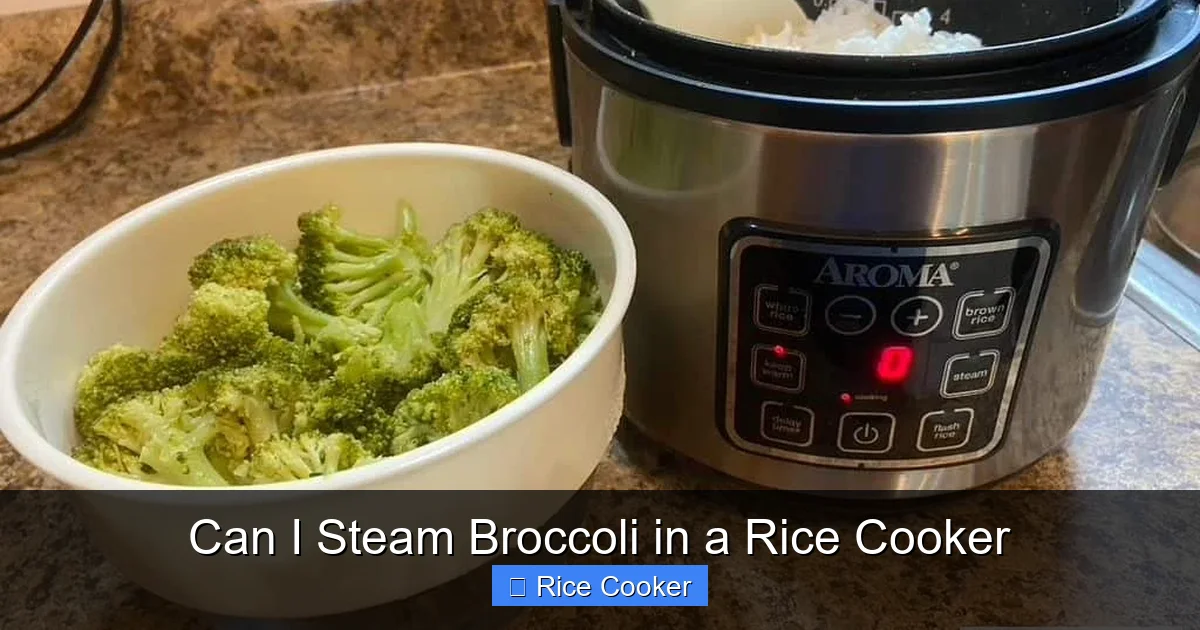
Absolutely! You can steam broccoli in a rice cooker with minimal effort and great results. It’s a quick, healthy way to cook broccoli while preserving its vibrant color, crisp texture, and essential nutrients. Whether you’re meal prepping or just want a side dish ready in minutes, using your rice cooker is a smart kitchen hack.
Key Takeaways
- Yes, it’s possible: Most modern rice cookers have a steaming function that works perfectly for broccoli.
- Nutrient retention: Steaming broccoli in a rice cooker helps preserve vitamins C and K better than boiling.
- Time-efficient: Cooking broccoli this way takes only 5–7 minutes from start to finish.
- No extra equipment needed: Use the built-in steamer basket that comes with most rice cookers.
- Customizable texture: Adjust cooking time based on how tender or crunchy you like your broccoli.
- Great for meal prep: Cook large batches and store for easy, healthy sides throughout the week.
- Safety first: Always follow manufacturer instructions to avoid overfilling or damaging your appliance.
[FEATURED_IMAGE_PLACEHOLDER]
Introduction: The Rice Cooker—More Than Just Rice
If you own a rice cooker, chances are you’ve already discovered it’s one of the most versatile appliances in your kitchen. Sure, it cooks rice like a champ, but did you know it can do so much more? From steaming fish to making soups, stews, and even desserts, rice cookers are quietly becoming multitaskers. And yes—you can definitely steam broccoli in a rice cooker. In fact, it might just become your go-to method for preparing this nutrient-packed green veggie.
Broccoli is a powerhouse vegetable loaded with fiber, antioxidants, vitamin C, folate, and compounds like sulforaphane that support detoxification and reduce inflammation. But traditional cooking methods—like boiling or microwaving—can strip away some of these beneficial nutrients. That’s where steaming shines. And when you use a rice cooker for steaming, you get consistent results with little hands-on effort.
In this article, we’ll walk you through everything you need to know about steaming broccoli in a rice cooker: why it’s healthier, how to do it step-by-step, what kind of rice cooker works best, and even some creative ways to serve your perfectly cooked broccoli. By the end, you’ll feel confident turning your rice cooker into a steaming station for all sorts of vegetables—not just broccoli.
Why Choose a Rice Cooker for Steaming Broccoli?
The Science Behind Steamed Broccoli
Before we dive into the “how,” let’s talk about the “why.” Why should you care about steaming broccoli at all? Because heat changes food—sometimes for the better, sometimes not. When broccoli is boiled, it loses water-soluble vitamins like vitamin C and B-complex into the cooking water. On the other hand, steaming uses moist heat without submerging the vegetable, which means fewer nutrients leach out.
A 2018 study published in the Journal of Food Composition and Analysis found that steaming broccoli retains up to 90% of its vitamin C content, whereas boiling reduces it by nearly half. Even microwaving, while faster, can degrade certain antioxidants if overdone. So when you choose to steam broccoli in a rice cooker, you’re making a smart, science-backed choice for both flavor and nutrition.
Convenience Meets Consistency
Rice cookers are designed to maintain precise temperatures and timing—something stovetop steaming often lacks. With a rice cooker, there’s no guesswork. You add water, press a button (or select “Steam” mode), and walk away. Once done, your broccoli emerges uniformly cooked, bright green, and tender-crisp every single time.
This consistency is especially helpful if you’re cooking for a family or meal prepping. No more worrying about overcooked, mushy florets or underdone stems. Plus, since the rice cooker automatically switches to “warm” after cooking, your broccoli stays at the perfect serving temperature without getting soggy.
It Saves Time and Energy
Let’s face it—life is busy. Boiling water, watching the pot, stirring occasionally… it’s a hassle. A rice cooker streamlines the process. Fill the inner pot with water, pop in the steamer basket, add broccoli, and hit “Steam.” While it works, you can chop another ingredient, set the table, or scroll through social media. After 6–8 minutes, dinner’s ready. That’s efficiency at its finest.
What Kind of Rice Cooker Do You Need?
Basic vs. Advanced Models
Not all rice cookers are created equal when it comes to steaming vegetables. Most modern rice cookers come with a detachable stainless-steel steamer basket that fits neatly inside the main pot. These baskets have tiny holes that allow steam to circulate freely—perfect for broccoli.
However, older or cheaper models may lack a proper steamer tray or have a non-stick coating that could be damaged by high heat and moisture. If yours doesn’t include a steamer basket, you can still steam broccoli—just use a heat-safe bowl or colander placed above the water (more on that later).
Look for These Features
- Steaming function: Some advanced models have dedicated “Steam” buttons that regulate temperature specifically for vegetables.
- Non-stick interior: Makes cleanup easier and prevents food from sticking.
- Timer settings: Allows you to delay start or set exact cooking times.
- Keep-warm mode: Keeps food at safe temperatures for hours after cooking.
If you’re shopping for a new rice cooker and want to maximize versatility, consider a model with multiple settings—like slow cook, yogurt, or even cake baking. Brands like Zojirushi, Panasonic, and Instant Pot offer excellent options with reliable steaming capabilities.
Step-by-Step Guide: How to Steam Broccoli in a Rice Cooker
What You’ll Need
- Fresh or frozen broccoli (fresh is preferred for best texture)
- A rice cooker with a steamer basket (or an alternative setup)
- About ½ cup of water
- Optional: salt, lemon juice, garlic powder, or olive oil for seasoning
Prepping the Broccoli
Start by washing your broccoli thoroughly under cold running water. Remove any woody stems or discolored leaves. Cut the head into small florets—about 1-inch pieces work well. Don’t peel the stems; they’re edible and packed with fiber. Just trim the tough outer layer and slice them thinly or crosswise.
If using frozen broccoli, let it thaw slightly before cooking. Overcrowding the steamer basket will trap steam and lead to uneven cooking, so aim to fill it no more than halfway.
Setting Up Your Rice Cooker
Fill the inner pot of your rice cooker with about ½ inch of water—this creates enough steam without risking overflow. Place the steamer basket inside, making sure it sits above the water level (the water shouldn’t touch the bottom of the basket). Add your broccoli florets evenly across the basket.
If your rice cooker doesn’t have a steamer basket, improvise! Line a heat-safe glass or ceramic bowl with parchment paper, place it inside the inner pot (above the water), and arrange the broccoli on top. Cover with a lid, but leave a small gap to allow steam to escape.
Cooking Process
Close the lid securely and select the “Steam” setting if available. If not, simply press “Cook”—most basic models will still produce enough steam for tender broccoli. For medium-sized florets, cook for 5–7 minutes. Smaller pieces may need only 4 minutes; larger ones up to 8.
Check for doneness by piercing a floret with a fork. It should give slightly but still retain a bit of crunch. Overcooking turns broccoli gray-green and mushy, so keep an eye on it if you’re new to this method.
Finishing Touches
Once done, carefully remove the steamer basket (use oven mitts—it’ll be hot!). Transfer the broccoli to a plate or bowl immediately to stop residual heat from softening it further. Season with a sprinkle of sea salt, a squeeze of fresh lemon juice, or a drizzle of olive oil for extra flavor.
Pro tip: Toss the cooked broccoli with a tablespoon of butter or sesame oil right after removing it from the cooker. The residual heat will melt the fat evenly, enhancing taste and mouthfeel.
Tips for Perfectly Steamed Broccoli Every Time
Don’t Overfill the Basket
Steam needs room to circulate. Packing the basket too tightly traps moisture and causes uneven cooking. Aim for a single layer where possible, or overlap gently if needed.
Use Fresh Water
Always use fresh, clean water in your rice cooker. Reusing old water can introduce bacteria and affect flavor.
Season Before or After?
For maximum flavor, season the broccoli after cooking. Salting beforehand can draw out moisture and make the florets soggy. Save your herbs, spices, and oils until the end.
Try Different Varieties
While broccoli is ideal, you can also steam cauliflower, Brussels sprouts, carrots, or asparagus in the same way. Each has slightly different cooking times—start with shorter durations and adjust as needed.
Meal Prep Hack
Double the batch and store in airtight containers in the fridge for up to 5 days. Reheat quickly in the microwave with a splash of water to restore crispness.
Clean-Up Is Easy
Most steamer baskets are dishwasher-safe. Rinse the inner pot right after use to prevent mineral buildup. Avoid abrasive scrubbers on non-stick surfaces.
Creative Ways to Serve Steamed Broccoli
Simple & Classic
Nothing beats plain steamed broccoli seasoned with salt and pepper. It lets the natural sweetness shine through—especially if you use organic broccoli.
Asian-Inspired
Toss with soy sauce, sesame oil, grated ginger, and a pinch of red pepper flakes. Top with toasted sesame seeds for crunch.
Mediterranean Style
Drizzle with olive oil, sprinkle with feta cheese, Kalamata olives, and oregano. Roast lightly in the oven for 5 minutes post-steam for extra depth.
Fusion Bowl Addition
Add to grain bowls with quinoa, grilled chicken, avocado, and tahini dressing. The bright green contrast makes the dish look as good as it tastes.
Blended Into Soups
Purée leftover steamed broccoli with garlic, vegetable broth, and a touch of cream for a creamy, nutritious soup.
Common Mistakes to Avoid
Using Too Little Water
If the water runs dry before the broccoli is done, steam stops and your veggies turn bitter. Always ensure at least ½ cup of water for standard cookers.
Ignoring the Lid
Leaving the lid off defeats the purpose. Steam builds pressure and temperature—without it, cooking slows down significantly.
Skipping Pre-Washing
Even if you plan to peel or cut, rinse first. Soil and residue can harbor bacteria and affect taste.
Overcooking Out of Impatience
Set a timer! It’s tempting to peek repeatedly, but each time you open the lid, heat escapes. Stick to the recommended time unless you’re experienced.
Using Frozen Without Thawing
Frozen broccoli expands and releases water during cooking, which can dilute flavor and extend cooking time unpredictably.
Health Benefits of Steamed Broccoli
Beyond being delicious, broccoli offers impressive health perks—and steaming helps unlock them. Here’s a quick breakdown:
- Rich in Antioxidants: Contains glucosinolates that support liver detoxification and reduce oxidative stress.
- Heart Health: High in potassium and fiber, which help regulate blood pressure and cholesterol.
- Bone Strength: One cup provides over 100% of your daily vitamin K needs—essential for calcium absorption.
- Anti-Inflammatory: Sulforaphane may lower inflammation markers linked to chronic diseases.
- Digestive Aid: Soluble fiber promotes gut health and regular bowel movements.
Regularly including steamed broccoli in your diet can contribute to long-term wellness—especially when paired with whole grains, lean proteins, and healthy fats.
Environmental and Economic Advantages
Using a rice cooker for steaming isn’t just convenient—it’s also eco-friendly. Electric rice cookers consume less energy than ovens or stovetops for similar tasks. Plus, you reduce plastic waste by avoiding disposable steamer bags or single-use wraps.
From a budget standpoint, rice cookers have a low cost-per-use ratio. One appliance handles multiple functions, meaning you spend less on separate gadgets and save time in the long run.
Comparing Steaming Methods
Let’s put steaming broccoli in a rice cooker side by side with other popular methods:
| Method | Nutrient Retention | Cooking Time | Ease of Use | Cleanup |
|---|---|---|---|---|
| Rice Cooker (Steam) | Very High | 5–7 min | Very Easy | Easy |
| Microwave | High (with lid) | 3–5 min | Easy | Moderate |
| Boiling | Low (vitamins lost) | 4–6 min | Easy | Moderate |
| Air Fryer | Medium-High | 8–10 min | Moderate | Easy |
| Stovetop Steamer | Very High | 6–8 min | Moderate | Harder |
As shown, the rice cooker strikes an excellent balance between nutrition, speed, and simplicity.
Final Thoughts: Embrace the Versatility
So, can you steam broccoli in a rice cooker? Absolutely—and now you know exactly how to do it like a pro. This humble kitchen appliance proves once again that innovation meets practicality. With just a few minutes and basic ingredients, you can enjoy restaurant-quality steamed broccoli that’s bursting with flavor, color, and nutrients.
Whether you’re a busy parent, a student on a budget, or someone who simply loves efficient cooking, adding steamed broccoli via rice cooker to your routine is a game-changer. It’s healthy, sustainable, and adaptable to countless recipes.
Next time you reach for the broccoli in your crisper drawer, skip the microwave and grab your rice cooker instead. Trust us—your taste buds and your body will thank you.
This is a comprehensive guide about can i steam broccoli in a rice cooker.
Key Takeaways
- Understanding can i steam broccoli in a rice cooker: Provides essential knowledge
Frequently Asked Questions
Can I use frozen broccoli in a rice cooker?
Yes, but thaw it slightly first for even cooking. Frozen broccoli can release excess water, so monitor closely to avoid mushiness. Cooking time may increase by 1–2 minutes.
How much water do I need to steam broccoli?
About ½ cup of water is sufficient for most standard rice cookers. Ensure the water level doesn’t rise into the steamer basket.
Will my rice cooker break if I use it to steam vegetables?
No, as long as you follow instructions and don’t overload the basket or use excessive water. Most modern models are designed for versatile use.
Can I steam other vegetables in the same basket?
Yes! Try carrots, cauliflower, green beans, or asparagus. Just adjust cooking time based on thickness—dense veggies like carrots may need longer.
Is steamed broccoli better than raw?
Both have health benefits, but steaming softens cell walls, making nutrients like sulforaphane more bioavailable. Raw broccoli retains more vitamin C, though.
How long does steamed broccoli last in the fridge?
Store in an airtight container for up to 5 days. Reheat gently in the microwave with a splash of water to maintain texture.