
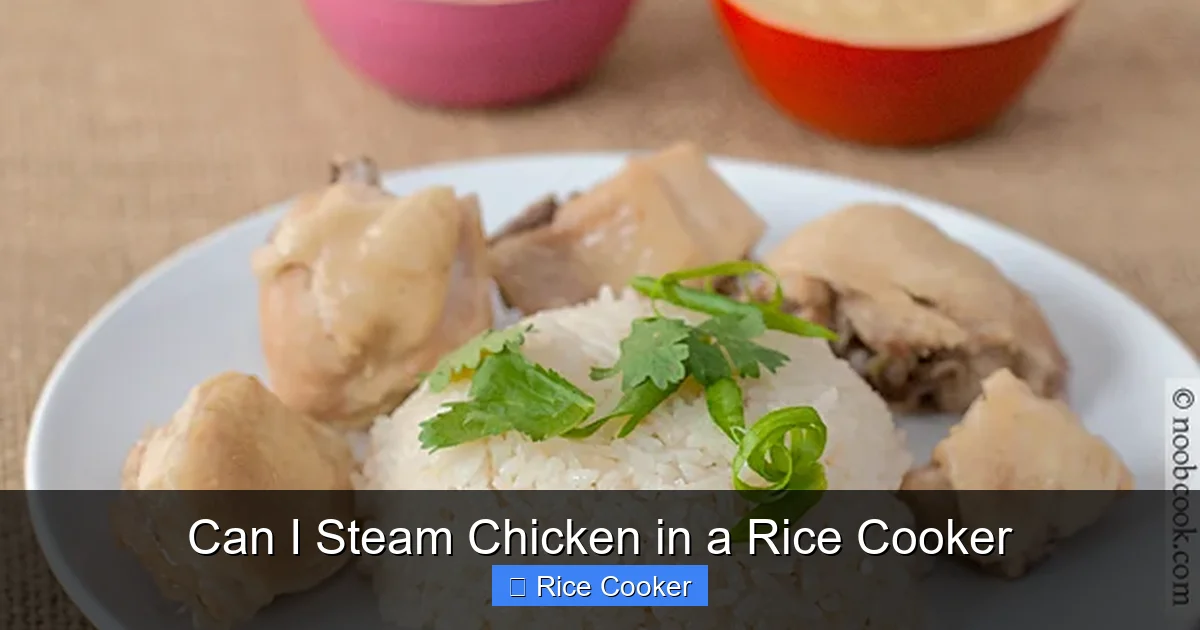
Steaming chicken in a rice cooker is not only possible but also a convenient way to cook healthy, flavorful meals with minimal effort. With the right setup and timing, you can achieve tender, moist chicken breasts or thighs without any special equipment. Whether you’re meal prepping or cooking for one, this method saves time and energy while delivering restaurant-quality results at home.
Key Takeaways
- Yes, it works: Steaming chicken in a rice cooker is safe and effective when using the correct technique and accessories.
- No extra tools needed: A standard rice cooker with a steaming basket or trivet allows you to cook chicken over water.
- Healthy cooking method: Steaming preserves nutrients and natural flavors better than frying or boiling.
- Perfect for meal prep: Cook large batches of chicken and use it in salads, wraps, soups, or grain bowls.
- Easy cleanup: Most rice cookers have non-stick inner pots and dishwasher-safe parts for quick washing.
- Customizable flavors: Add herbs, garlic, lemon, or soy sauce to the steaming liquid for enhanced taste.
- Safety first: Always ensure the chicken reaches an internal temperature of 165°F (74°C) to be fully cooked.
📑 Table of Contents
- Can I Steam Chicken in a Rice Cooker? Absolutely—Here’s How!
- Why Choose a Rice Cooker for Steaming Chicken?
- What Kind of Rice Cooker Do You Need?
- Step-by-Step Guide: How to Steam Chicken in a Rice Cooker
- Delicious Flavor Variations to Try
- Meal Prep Magic: Cooking Large Batches
- Safety Considerations When Steaming Chicken
- Troubleshooting Common Issues
- Frequently Asked Questions About Steaming Chicken in a Rice Cooker
- Final Thoughts: Why Steaming Chicken in a Rice Cooker Rocks
Can I Steam Chicken in a Rice Cooker? Absolutely—Here’s How!
If you’ve ever stood over a pot of boiling water trying to figure out how to cook chicken without drying it out, you’re not alone. Steaming is one of the gentlest cooking methods around, preserving moisture and flavor while ensuring food safety. But what if you don’t have a dedicated steamer? Enter the humble rice cooker—a kitchen appliance most people use once a week, if that. The good news? You can absolutely steam chicken in a rice cooker. In fact, it’s easier than you think and delivers incredibly tender, juicy results every time.
In this comprehensive guide, we’ll walk you through everything you need to know about steaming chicken in a rice cooker—from choosing the right cut of meat to seasoning secrets and cleanup tips. Whether you’re a beginner cook or someone looking to simplify meal prep, this method will become your new favorite trick. Let’s get started!
Why Choose a Rice Cooker for Steaming Chicken?
Rice cookers are more versatile than you might realize. Originally designed to boil and then keep warm grains like rice, many modern models now come with built-in steaming functions or compatible accessories. But even basic rice cookers can be used creatively to steam poultry safely and efficiently.
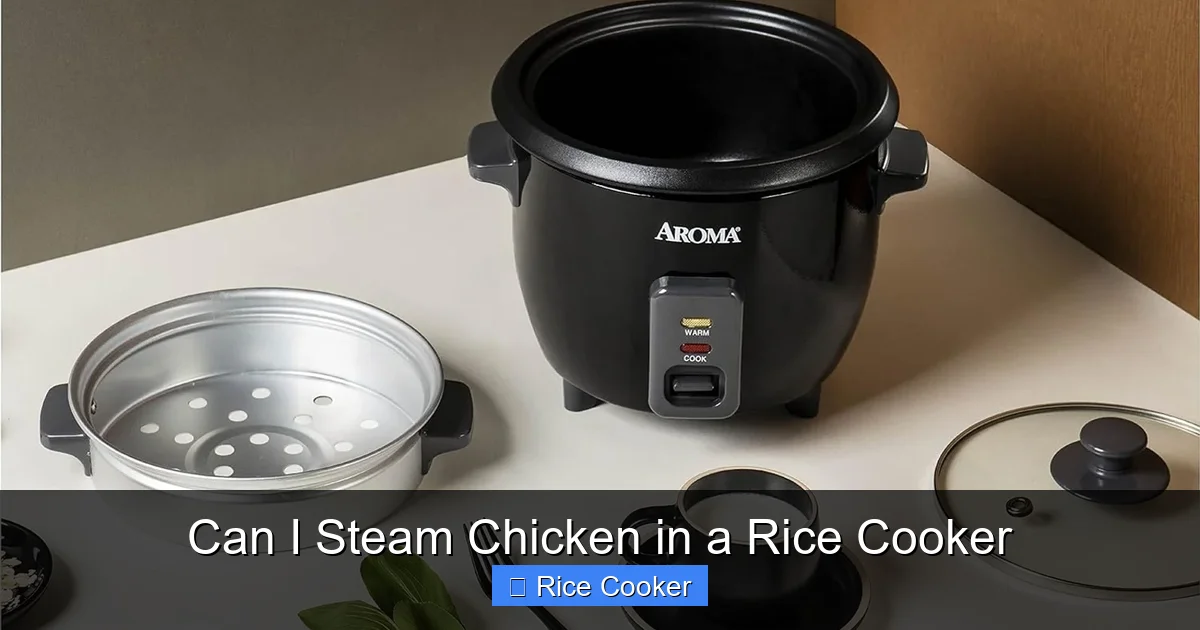
Visual guide about Can I Steam Chicken in a Rice Cooker
Image source: mashed.com
The Science Behind Steaming
Steaming works by transferring heat from hot water vapor directly to the food. This gentle process prevents the chicken from losing too much moisture through evaporation or direct contact with high-heat surfaces. Because there’s no oil involved, it’s also a healthier cooking option compared to frying or sautéing.
Benefits of Using a Rice Cooker
- Hands-off cooking: Once set up, the rice cooker does all the work—no constant monitoring required.
- Energy efficient: Uses less electricity than an oven or stovetop steamer.
- Multi-use appliance: Great for rice, vegetables, eggs, and now, chicken.
- Consistent results: Temperature control ensures even cooking without overcooking.
What Kind of Rice Cooker Do You Need?
Not all rice cookers are created equal. While most can handle steaming tasks, some models offer better features than others. Here’s what to look for if you’re buying a new one—or checking your current model’s capabilities.
Types of Rice Cookers That Work for Steaming
- Cooker-only models: Basic designs with an inner pot and heating plate. These require a separate steamer basket or trivet.
- Multi-cookers: Some advanced rice cookers double as pressure cookers or slow cookers, offering more flexibility.
- Steam-only units: Dedicated steamers often include multiple trays for batch cooking—but they’re bulkier and pricier.
Do You Need Special Accessories?
Most standard rice cookers come with a plastic or stainless-steel lid, but not all include a steaming basket. If yours doesn’t, you can still steam chicken using:
- A heat-resistant glass lid (if it fits snugly)
- A small metal colander or mesh strainer placed inside the pot
- A DIY steamer rack made from aluminum foil folded into a bowl shape
Just make sure whatever you use can hold the weight of the chicken and won’t melt or warp under heat.
Step-by-Step Guide: How to Steam Chicken in a Rice Cooker
Ready to try it yourself? Follow these simple steps for foolproof steamed chicken every time.
Ingredients & Tools You’ll Need
- Boneless, skinless chicken breasts or thighs (about 1–2 lbs / 450–900g)
- Fresh water (enough to reach halfway up the chicken when elevated)
- Optional aromatics: garlic cloves, lemon slices, bay leaves, or fresh herbs
- Your rice cooker with a steaming basket or alternative setup
- Meat thermometer (for accuracy)
- Cutting board and knife
Preparation Tips
Before placing the chicken in the cooker, take a few minutes to prepare it properly:
- Pound even thickness: Use a meat mallet or rolling pin to flatten thicker pieces. This ensures uniform cooking and prevents dryness.
- Season generously: Rub salt, pepper, and your favorite spices on both sides. Marinades work too—just drain excess liquid before steaming.
- Trim excess fat: Less fat means moister chicken after cooking.
Setting Up Your Rice Cooker
- Add ½ to ¾ cup of water to the inner pot—this creates enough steam without overflowing.
- Place your chosen vessel (steamer basket, colander, or foil bowl) inside so it sits above the water line.
- Arrange the chicken pieces evenly in the basket or container.
- Add flavorings underneath or alongside the chicken (e.g., lemon wedges, garlic).
- Cover tightly with the lid—sealing is key for proper steam circulation.
Cooking Time & Temperature
The magic number? 165°F (74°C) internal temperature. For boneless chicken breast, plan for about 15–20 minutes; thighs may take slightly longer due to density. Thick cuts or whole pieces might need up to 25 minutes.
Pro tip: Insert a meat thermometer into the thickest part of the meat—don’t rely solely on time. Overcooked chicken becomes rubbery!
Finishing Touches
Once the chicken hits 165°F, turn off the cooker and let it rest covered for 5 minutes. This allows carryover cooking to finish the process gently. Then transfer to a cutting board, slice, and serve!
Delicious Flavor Variations to Try
Plain steamed chicken tastes great, but why stop there? Infusing subtle flavors during the steaming process takes your dish to the next level.
Asian-Inspired Steamed Chicken
Combine soy sauce, ginger, garlic, and a splash of rice wine in the steaming water. Garnish with green onions and sesame seeds when done. Perfect over jasmine rice!
Herb-Infused White Wine Chicken
Simmer thyme, rosemary, shallots, and a splash of white wine with the water. The aromatic steam seasons the chicken beautifully without adding calories.
Spicy Garlic Chicken
Add minced garlic, red pepper flakes, and a touch of honey to the steaming liquid. Ideal for fans of bold, savory flavors.
Lemon Herb Chicken
Float lemon slices and fresh dill or parsley in the water. Bright, zesty, and refreshing—great for summer meals.
Meal Prep Magic: Cooking Large Batches
One of the best reasons to steam chicken in a rice cooker is efficiency. You can cook a dozen chicken breasts in under 30 minutes and store them for later use.
Storage Guidelines
- Refrigerate: Keep in airtight containers for up to 4 days.
- Freeze: Portion into freezer bags or containers for up to 3 months. Label with dates!
- Reheat safely: Warm in the microwave or oven until steaming hot throughout.
Creative Ways to Use Cooked Chicken
- Chicken Caesar salad with homemade dressing
- Turkey or veggie chili (use ground chicken instead of beef)
- Quinoa bowls with roasted vegetables
- Homemade chicken soup or stew
- Tacos or burrito bowls
Safety Considerations When Steaming Chicken
Food safety is non-negotiable when handling raw poultry. Even though steaming cooks faster than other methods, always follow these precautions.
Cross-Contamination Prevention
- Use separate cutting boards and utensils for raw chicken and ready-to-eat foods.
- Wash hands thoroughly before and after handling.
- Clean the rice cooker thoroughly after each use, especially if switching between meat and grains.
Checking for Doneness
Never guess! Use a digital meat thermometer to verify the internal temperature reaches at least 165°F. Color changes aren’t reliable indicators—chicken can appear pink even when fully cooked.
What Not to Do
- Avoid overcrowding the steamer—this blocks steam flow and leads to uneven cooking.
- Don’t open the lid frequently during cooking; each peek releases precious steam.
- Skip marinating in acidic liquids (like lemon juice or vinegar) for long periods—they can toughen the meat.
Troubleshooting Common Issues
Even experienced cooks run into hiccups. Here’s how to fix typical problems.
Problem: Chicken Is Dry or Rubbery
Cause: Overcooking or poor preparation.
Fix: Pound chicken to even thickness, monitor temperature closely, and avoid letting it sit too long after cooking.
Problem: Water Boils Over
Cause: Too much water or loose-fitting lid.
Fix: Reduce water by half, ensure the lid seals well, and elevate the chicken higher above the water line.
Problem: Steam Doesn’t Build Properly
Cause: Lid isn’t tight or setup lacks elevation.
Fix: Double-check lid fit, use a proper steamer rack, or add a small amount of water if needed.
Problem: Smell Lingers in the Cooker
Cause: Residue from previous meals.
Fix: Run a cycle with just water and a drop of soap, then rinse thoroughly. Baking soda paste works wonders on stubborn stains.
Frequently Asked Questions About Steaming Chicken in a Rice Cooker
Can I steam frozen chicken in a rice cooker?
It’s not recommended. Frozen chicken needs longer cooking times and risks uneven heating, which increases the chance of bacterial growth. Always thaw completely before steaming.
How do I prevent the chicken from getting soggy?
Ensure good drainage and don’t submerge the chicken in water. Elevate it using a steamer basket or colander so only steam touches it—not standing water.
Can I steam chicken legs or wings?
Yes! Dark meat like thighs holds moisture better than breasts. Just increase cooking time by 5–10 minutes and check for doneness carefully.
Is it okay to reuse the same water for flavoring?
No—never reuse cooking liquid from raw chicken. It may contain harmful bacteria. Always discard after one use.
Can I cook rice and chicken together in the same cycle?
Only in multi-function rice cookers with dual compartments. Otherwise, cook separately to avoid cross-contamination and ensure both foods reach proper temperatures.
What if my rice cooker doesn’t have a steaming function?
You can still steam! Use a metal strainer or colander inside the pot, elevate the chicken above the water, and cover tightly. It won’t be “steam mode,” but it works just fine.
Final Thoughts: Why Steaming Chicken in a Rice Cooker Rocks
In a world where convenience often trumps quality, the rice cooker stands out as a surprisingly capable kitchen ally. By learning how to steam chicken in a rice cooker, you unlock a world of healthy, flavorful meals with zero stress. No fancy gadgets, no complicated techniques—just simple ingredients, a little prep, and consistent results.
This method shines especially for busy weeknights, meal preppers, and anyone who wants to eat better without spending hours in the kitchen. Plus, the cleanup is minimal, and the nutritional benefits are undeniable. From tender chicken salads to hearty grain bowls, the possibilities are endless.
So go ahead—grab your rice cooker, throw in some chicken, and let science (and steam) do the rest. Your future self will thank you for the time saved and the delicious dinner served!
Frequently Asked Questions
Can I steam chicken in a rice cooker without a steamer basket?
Yes, you can use alternatives like a metal colander, heat-resistant glass bowl, or even a foil-lined tray. Just make sure the chicken stays above the water line to avoid becoming soggy.
How long does it take to steam chicken breasts in a rice cooker?
Typically 15–20 minutes for boneless, skinless chicken breasts. Always check the internal temperature—it should read at least 165°F (74°C) for safe consumption.
Is steaming chicken in a rice cooker healthier than frying?
Absolutely. Steaming requires no added oils and preserves more vitamins and minerals than high-fat cooking methods. It also reduces calorie intake significantly.
Can I add vegetables while steaming chicken?
Yes! Carrots, broccoli, or bok choy can be placed around the chicken. They’ll cook gently in the steam and absorb delicious flavors. Just adjust timing based on vegetable type.
Will the rice cooker smell like chicken afterward?
Sometimes, especially if you’ve cooked strong-smelling meats before. To neutralize odors, run a cleaning cycle with warm water and a drop of dish soap, or place a damp cloth with baking soda inside overnight.
Can I reheat leftover steamed chicken in the rice cooker?
While possible, it’s not ideal. The rice cooker’s warming function isn’t sufficient for safely reheating leftovers. Instead, use the microwave or stovetop for best results.