
Can you use a rice cooker as a pressure cooker? In short, it depends on the model. Some modern rice cookers come with built-in pressure cooking functions, but traditional models lack the necessary seals and pressure controls. Using a non-pressure rice cooker as a pressure cooker can be dangerous and ineffective. Always check your appliance’s manual and features before attempting alternative uses.
Key Takeaways
- Rice cookers vary in design: Not all rice cookers are built for pressure cooking. Only those labeled “pressure cooker” or “multi-cooker” have the required safety mechanisms.
- Safety first: Attempting to force a regular rice cooker into pressure mode can lead to leaks, overheating, or even explosions.
- Check your model: Look for indicators like pressure release valves, locking lids, and pressure settings in your rice cooker’s manual.
- Time and results differ: Even if compatible, rice cookers may not cook food as quickly or evenly as dedicated pressure cookers.
- Consider upgrades: If you frequently pressure cook, investing in a true pressure cooker or multi-cooker is safer and more efficient.
- Alternative uses: A rice cooker can still do much—like steaming vegetables, making soups, or keeping food warm—without pressure.
- Read instructions carefully: Manufacturer guidelines exist for a reason. Ignoring them risks damaging your appliance or harming yourself.
📑 Table of Contents
Introduction: The Rice Cooker Dilemma
We’ve all been there—standing in the kitchen, staring at a bag of dried beans or a tough cut of meat, wondering how to cook it quickly without spending hours on the stove. You reach for your trusty rice cooker, thinking, “Hey, it cooks rice fast—why not everything else?” But then comes the real question: can I use a rice cooker as a pressure cooker? It sounds like a clever hack, right? After all, both appliances heat up water and cook food. But here’s the truth: not all rice cookers are created equal—and not all are safe (or effective) for pressure cooking.
In this article, we’ll dive deep into the world of rice cookers and pressure cookers, comparing their designs, capabilities, and safety features. We’ll help you figure out whether your rice cooker can handle the pressure (literally), what risks you might face, and when it’s smarter to grab a proper pressure cooker instead. Whether you’re a busy parent trying to save time, a college student on a budget, or just curious about kitchen gadgets, this guide will give you the clarity you need.
Understanding the Basics: What Is a Rice Cooker?
How Does a Rice Cooker Work?
A rice cooker is a kitchen appliance designed primarily to cook rice, but many modern models go far beyond that. At its core, a rice cooker uses an internal thermostat to detect when the water has evaporated and the grains are cooked. Once the moisture level drops below a certain point, the cooker switches from boiling to warming mode. This simple mechanism ensures perfectly fluffy rice every time—no guesswork needed.
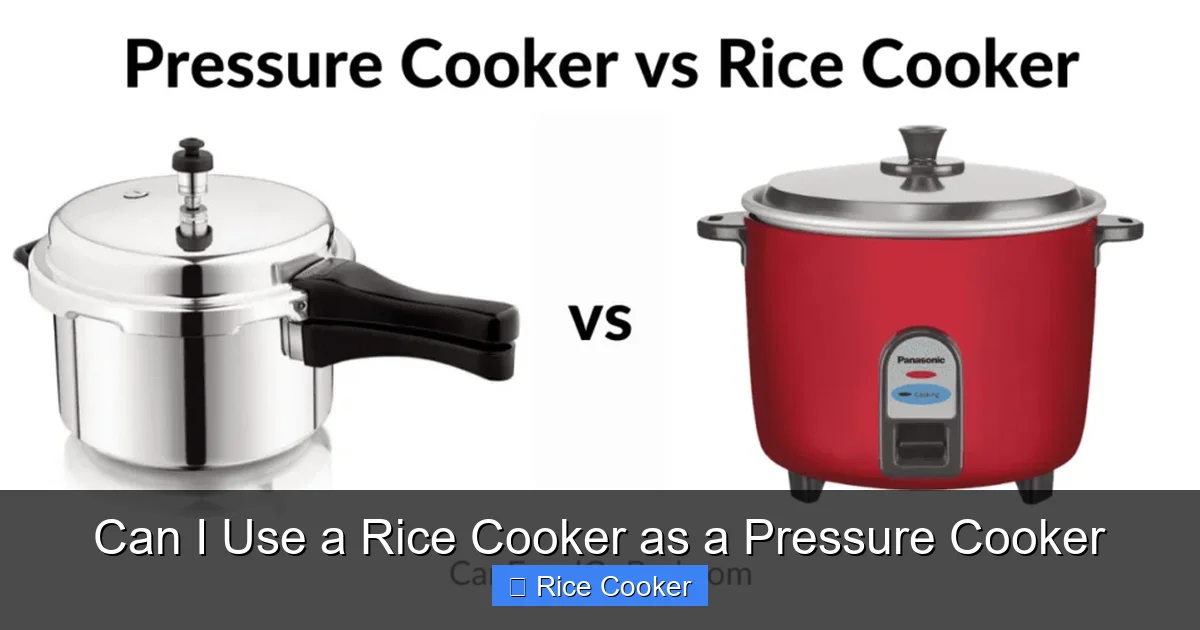
Visual guide about Can I Use a Rice Cooker as a Pressure Cooker
Image source: canfoodgobad.com
Most basic rice cookers rely on convection heating, meaning they transfer heat through the bottom of the pot. While effective for rice, this method isn’t ideal for high-pressure environments. That’s where the big difference between a standard rice cooker and a pressure cooker comes in.
Types of Rice Cookers
Not all rice cookers are the same. They come in several styles, each with different features and limitations:
- Basic Electric Rice Cookers: These are the simplest models—just add water and rice, press a button, and let it do the work. They’re great for small households and don’t have extra functions.
- Multi-Function Rice Cookers: Also known as “rice cooker/multi-cookers,” these often include settings for steaming, slow cooking, sautéing, and yes—some even have pressure cooking modes.
- Induction Heating Rice Cookers: These use electromagnetic fields for faster, more precise heating. They’re pricier but offer better temperature control.
- Non-Stick vs. Stainless Steel: While material affects cleaning and durability, it doesn’t determine pressure capability.
If your rice cooker doesn’t mention pressure cooking in the description or manual, it likely lacks the critical components needed for safe pressurized cooking.
What Makes a Pressure Cooker Different?
The Science Behind Pressure Cooking
Pressure cookers work by trapping steam inside a sealed pot, increasing the internal pressure and raising the boiling point of water from 100°C (212°F) to around 121°C (250°F). This higher temperature cooks food faster—sometimes reducing cooking time by up to 70%. For example, dried beans that usually take 90 minutes on the stove can be ready in just 30 minutes under pressure.
This process also helps break down fibers in tough meats and legumes, making them tender without long braising times. But here’s the catch: achieving and maintaining that pressure requires specific engineering.
Key Components of a Pressure Cooker
A true pressure cooker includes several essential parts that a rice cooker typically doesn’t have:
- Sealing Gasket: A flexible rubber ring that creates an airtight seal when the lid is locked.
- Lid Lock Mechanism: Ensures the lid can’t open while pressure is building—a major safety feature.
Frequently Asked Questions What is can i use a rice cooker as a pressure cooker?
can i use a rice cooker as a pressure cooker is an important topic with many practical applications.