

Using beef broth instead of water when cooking rice is not only possible—it’s delicious! The savory depth adds umami and richness, transforming plain rice into a flavorful side dish. Whether you’re using a rice cooker or stovetop method, broth enhances texture and taste without much effort.
Key Takeaways
- Flavor Boost: Beef broth adds rich, savory notes that elevate plain rice from bland to bold.
- Health Considerations: Homemade broth is lower in sodium and preservatives; store-bought versions may be high in salt.
- Cooking Ratios: Use a 1:1 ratio of broth to rice (by volume) for best results—just like with water.
- Rice Types Work Well: Long-grain white, jasmine, brown rice, and even risotto varieties all absorb broth beautifully.
- Customization Tips: Add herbs, garlic, or onions to the broth before cooking for extra aroma and depth.
- Safety Note: Always check labels on broths—some contain MSG or excessive sodium that may affect taste and health.
- Storage & Leftovers: Cooked rice can be refrigerated for up to 4 days or frozen for longer storage.
📑 Table of Contents
- Can I Use Beef Broth to Cook Rice?
- Why Choose Beef Broth Over Water?
- How to Cook Rice with Beef Broth: Step-by-Step Guide
- Best Types of Rice for Beef Broth
- Tips for Perfect Broth-Cooked Rice Every Time
- Common Concerns About Using Beef Broth
- Delicious Recipes Using Beef Broth-Cooked Rice
- Final Thoughts: Is Beef Broth Worth It?
Can I Use Beef Broth to Cook Rice?
If you’ve ever wondered whether swapping water for beef broth when cooking rice is a game-changer—the answer is yes, it absolutely can be! Not only does it add incredible depth and complexity to your dish, but it also turns a simple side into something truly memorable. Imagine serving a plate of fluffy, aromatic rice that tastes like it’s been simmered in comfort food gold. That’s what beef broth brings to the table.
Whether you’re using a rice cooker or cooking on the stovetop, replacing water with beef broth is one of those small kitchen swaps that makes a big difference. It’s especially popular among home cooks who want to maximize flavor without spending hours preparing elaborate meals. In fact, many professional chefs recommend using broth over water for grains like rice because it enhances both taste and mouthfeel. So if you’re tired of plain, under-seasoned rice, consider giving broth a try—you might never go back!
Why Choose Beef Broth Over Water?
At first glance, water and beef broth might seem interchangeable when cooking rice. After all, they’re both liquids that help steam the grains. But here’s the thing: broth isn’t just water with flavor added—it’s a concentrated essence of slow-cooked beef bones, vegetables, and seasonings. This gives your rice layers of savory goodness that water simply can’t replicate.
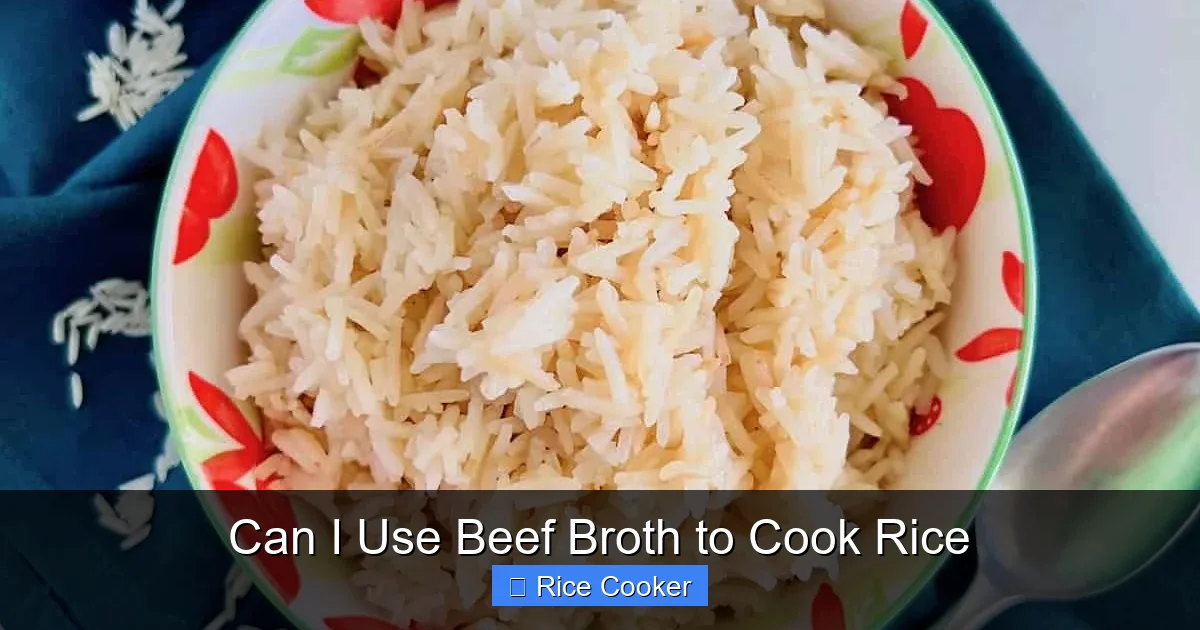
Visual guide about Can I Use Beef Broth to Cook Rice
Image source: theshortordercook.com
The Umami Factor
One of the most compelling reasons to use beef broth is its natural umami content. Umami is often called the “fifth taste”—a savory, meaty sensation that makes food feel richer and more satisfying. Beef broth contains glutamates and nucleotides from the collagen-rich bones used in traditional bone broth recipes. When these compounds interact with the rice starch during cooking, they create a deeply satisfying flavor profile that lingers on your palate.
Think about how instant ramen noodles taste better with their flavor packets than plain boiled noodles. Now imagine achieving that same effect with everyday white rice. That’s exactly what beef broth delivers—without any artificial additives.
Enhanced Texture and Aroma
Beyond flavor, broth contributes to better texture. Because it contains fats and proteins released during simmering, broth helps create a slightly creamier mouthfeel, especially with short- or medium-grain rice varieties. You’ll notice the grains tend to be plumper and more cohesive when cooked in broth compared to those boiled in plain water.
Plus, the aromatic compounds in beef broth—like roasted onion, garlic, and thyme—infuse directly into the rice as it cooks. This means every bite carries hints of savory herbs and caramelized vegetables, making even a solo bowl of rice feel gourmet.
Health Benefits (When Made Right)
While commercial broths can vary widely in nutritional quality, homemade beef broth is packed with benefits. Slow-simmered over many hours, bone-based broths are rich in collagen, gelatin, and minerals like calcium, magnesium, and phosphorus. These nutrients aren’t fully absorbed by the rice itself, but consuming broth-infused rice regularly may support joint health, gut integrity, and overall wellness.
That said, always opt for low-sodium or no-added-salt versions if you’re watching your sodium intake. Many store-bought broths contain up to 800–1,000 mg of sodium per cup—far more than needed for cooking rice. Using a homemade or reduced-sodium option keeps your meal balanced and heart-friendly.
How to Cook Rice with Beef Broth: Step-by-Step Guide
Switching from water to beef broth is simpler than you think—and the results speak for themselves. Follow this easy process to transform your next pot of rice into a flavor powerhouse.
Gather Your Ingredients
- 1 cup long-grain white rice (or your preferred type)
- 1 cup beef broth (low-sodium recommended)
- Optional: ½ teaspoon salt, 1 clove garlic (minced), ¼ onion (chopped), 1 sprig fresh thyme
Prepare the Broth (Optional Enhancement)
For maximum flavor, bring your beef broth to a gentle simmer in a saucepan before adding the rice. If using store-bought broth, skim off any foam that rises to the top—this ensures cleaner-tasting rice. Adding aromatics like garlic, onion, or herbs at this stage infuses the liquid before it meets the grains.
Combine Rice and Broth
Rinse the rice under cold water until the runoff runs clear. This removes excess starch and prevents stickiness. Transfer the rinsed rice to your rice cooker or heavy-bottomed pot. Pour in the warm broth (not boiling hot—this can harden the outer layer of the grain).
Cook According to Method
For Rice Cookers: Press “Cook” and let the machine do the work. Most models automatically switch to “Keep Warm” once done. Let the rice rest for 5 minutes after cooking to allow steam to redistribute evenly.
For Stovetop: Bring the broth to a boil, then add the rice, reduce heat to low, cover tightly, and simmer for 18–20 minutes (white rice). For brown rice, increase time to 35–40 minutes. Avoid lifting the lid while cooking—steam loss affects texture.
Fluff and Serve
Once cooked, fluff the rice gently with a fork to separate the grains. Taste and adjust seasoning if needed. Too salty? Add a splash of unsalted broth or water. Too mild? Stir in a pat of butter or drizzle of soy sauce.
Best Types of Rice for Beef Broth
Not all rice types behave the same way when cooked in broth. Some absorb liquid faster, others retain firmer texture. Here’s which varieties shine brightest when paired with beef broth.
Long-Grain White Rice
This classic favorite absorbs broth beautifully while remaining light and fluffy. Jasmine rice, a type of long-grain rice native to Thailand, takes on an even more fragrant character when cooked in savory liquids. Its subtle floral notes complement beef flavors wonderfully.
Short-Grain Rice
Perfect for sushi or creamy risottos, short-grain rice has higher starch content, making it ideal for dishes where you want a clingy, tender texture. When cooked in beef broth, it becomes soft and almost velvety—great for grain bowls or as a base for stews.
Brown Rice
Though it takes longer to cook, brown rice holds onto its nutty flavor and chewy texture well when simmered in broth. The extra fiber and nutrients make it a healthier choice, and the robust taste pairs nicely with hearty broths.
Arborio Rice
Traditionally used for risotto, Arborio rice releases starches slowly when stirred in broth, creating a creamy consistency without added dairy. Try making a vegetarian “risotto” by cooking Arborio rice in beef broth and finishing with mushrooms or lentils.
Tips for Perfect Broth-Cooked Rice Every Time
Even experienced cooks can struggle with mushy, undercooked, or overly salty rice. Follow these pro tips to ensure consistent success.
Measure Accurately
Use measuring cups—not eyeballing—for both rice and broth. A general rule is 1 cup uncooked rice : 1 cup liquid. Adjust slightly if your broth is saltier or if you prefer softer rice.
Don’t Skip Rinsing
Rinsing removes surface starch that can cause clumping. Even with broth, rinsing ensures each grain stays distinct and separates easily after cooking.
Let It Rest
After cooking, let the rice sit covered for 5–10 minutes. This allows residual moisture to distribute evenly and improves texture.
Adjust Salt Carefully
Most broths already contain salt. Taste before salting further. If using low-sodium broth, you may need just a pinch. Over-salting is easy with regular broths.
Experiment with Add-Ins
Boost flavor by sautéing aromatics (onion, garlic, ginger) in a bit of oil before adding broth and rice. Or stir in diced mushrooms, peas, or shredded carrots halfway through cooking.
Store Leftovers Properly
Cool cooked rice quickly, transfer to an airtight container, and refrigerate within 2 hours. Use within 4 days, or freeze portions for up to 3 months. Reheat gently with a splash of broth or water to revive moisture.
Common Concerns About Using Beef Broth
You might have questions—and that’s totally normal! Let’s address some frequent concerns so you feel confident trying this technique.
Is It Safe to Eat Daily?
Yes, cooking rice in beef broth daily is perfectly safe—especially if you use low-sodium or homemade versions. Just be mindful of total sodium intake throughout the day. Pair broth-cooked rice with plenty of vegetables and lean proteins for a balanced diet.
Will It Make My Rice Too Salty?
Potentially, if you use regular, high-sodium broth without adjusting ratios. To prevent this:
- Choose low-sodium or no-salt-added beef broth.
- Start with less salt in the recipe and add more later if needed.
- Taste frequently during cooking.
What If I Don’t Have Beef Broth?
Substitute chicken or vegetable broth—though flavor will differ. For a beef-like taste without actual meat, try mushroom broth or a mix of vegetable stock plus a dash of soy sauce or miso paste.
Can Kids and Elderly Eat This?
Absolutely! As long as the broth isn’t extremely salty or spicy, it’s suitable for most age groups. Soft-cooked brown rice in broth is especially gentle on digestion.
Delicious Recipes Using Beef Broth-Cooked Rice
Ready to put theory into practice? Try these tasty ideas that showcase the versatility of broth-soaked rice.
Beef & Broccoli Fried Rice
Cook jasmine rice in beef broth, let cool, then stir-fry with sautéed broccoli, scrambled egg, and sliced beef. Finish with soy sauce and sesame oil. Serve hot with pickled ginger on the side.
Mexican Street Corn Rice Bowl
Cook white rice in low-sodium beef broth. Fluff and mix with corn kernels, crumbled cotija cheese, cilantro, lime juice, and a sprinkle of chili powder. Top with avocado slices.
Japanese-Inspired Chicken Teriyaki Bowl
Use beef broth to cook sushi rice. Top with grilled chicken teriyaki, steamed edamame, shredded carrots, and a drizzle of sriracha mayo. Garnish with sesame seeds.
Vegetarian Power Bowl
Swap beef broth for vegetable broth, but add a teaspoon of soy sauce or tamari for that savory punch. Cook quinoa or brown rice in the liquid, then top with roasted sweet potatoes, kale, and tahini dressing.
Final Thoughts: Is Beef Broth Worth It?
After exploring all the benefits—enhanced flavor, improved texture, potential health perks—it’s clear that using beef broth to cook rice is more than just a trend. It’s a simple, accessible upgrade that transforms ordinary meals into something special. Whether you’re feeding a family dinner or prepping lunch for the week, this technique saves time and boosts satisfaction.
And the best part? You don’t need fancy equipment or exotic ingredients. A basic rice cooker, a pot, and a good-quality broth do the trick. Plus, leftover broth can be frozen in ice cube trays for future batches—no waste!
So next time you reach for the water pitcher, pause and ask yourself: “What if I used broth instead?” Your taste buds (and your dinner guests) will thank you.
Frequently Asked Questions
Can I use beef broth instead of water in a rice cooker?
Yes, you can absolutely substitute beef broth for water in a rice cooker. Use a 1:1 ratio by volume and follow the same timing as usual. The result is rice with richer flavor and a savory undertone.
Does beef broth make rice taste salty?
It depends on the broth type. Regular, high-sodium beef broth can make rice too salty. Opt for low-sodium or homemade versions, and taste before adding extra salt.
Can I freeze beef broth-cooked rice?
Yes! Cool completely, portion into containers, and freeze for up to 3 months. Thaw overnight in the fridge and reheat gently with a splash of broth or water.
What kind of rice works best with beef broth?
Long-grain white rice, jasmine, brown rice, and Arborio all work well. Each offers different textures—fluffy, chewy, or creamy—depending on your preference.
Is it healthier to cook rice in broth than water?
Broth adds minimal calories but more flavor, allowing you to skip added fats or salts. Homemade broth is generally healthier due to lower sodium and preservative content.
How do I reduce saltiness if my broth-rice is too salty?
Add a small amount of unsalted broth or water, or mix in a spoonful of cooked white rice to dilute the salt. You can also balance it with acidic ingredients like lemon juice or vinegar.