
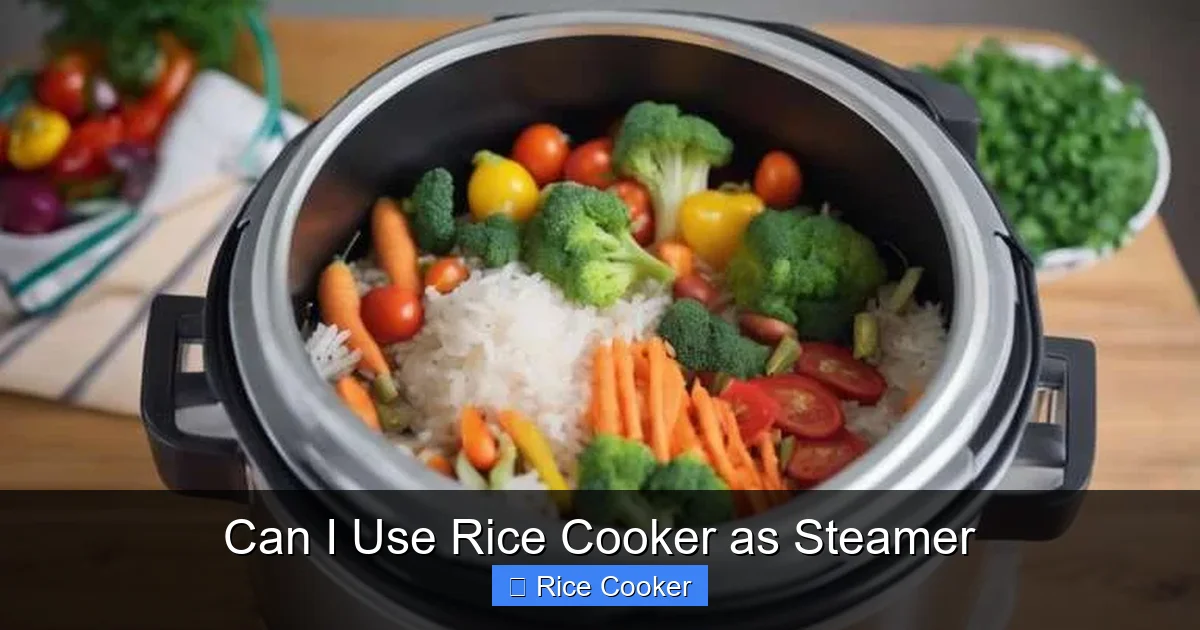
Can I use a rice cooker as a steamer? Absolutely! Many modern rice cookers come with steaming trays, but even basic models can be converted with a few simple hacks. Steaming in a rice cooker preserves nutrients, cooks evenly, and adds versatility to your appliance. With the right setup, you can steam vegetables, dumplings, fish, and more—all without extra equipment.
Key Takeaways
- Most rice cookers support steaming: Many models include a dedicated steaming tray or have a “steaming” function. Check your manual to confirm.
- You can adapt any rice cooker: Even without a steamer basket, use a heatproof bowl or DIY rack to create a steaming setup.
- Steaming retains nutrients: Unlike boiling, steaming keeps vitamins and minerals intact, making it ideal for healthy meals.
- Time and energy efficient: A rice cooker uses less electricity than an oven or stovetop steamer and cooks quickly.
- Versatile cooking options: Steam eggs, fish, vegetables, dumplings, and even baby food in your rice cooker.
- Safety first: Always ensure water doesn’t touch the heating element and use heat-resistant containers.
📑 Table of Contents
- Can I Use Rice Cooker as Steamer? The Ultimate Guide to Multi-Tasking Your Kitchen Appliance
- Understanding How Steaming Works in a Rice Cooker
- Do All Rice Cookers Have Steaming Functions?
- Step-by-Step: Setting Up Your Rice Cooker as a Steamer
- What Can You Actually Steam in a Rice Cooker?
- Tips for Perfect Steaming Every Time
- Common Mistakes to Avoid
- Energy Efficiency Compared to Other Methods
- Cleaning and Maintenance Tips
- Conclusion: Why You Should Start Steaming in Your Rice Cooker Today
Can I Use Rice Cooker as Steamer? The Ultimate Guide to Multi-Tasking Your Kitchen Appliance
Have you ever stood over a pot of boiling water, steam rising around you, only to realize you forgot to buy a steamer basket? Or maybe you’re short on counter space and don’t want to clutter your kitchen with yet another gadget. If you own a rice cooker, here’s some good news: yes, you absolutely can use your rice cooker as a steamer!
Rice cookers are no longer just for fluffy white rice. Modern appliances—and even older models—can do so much more. From cooking grains and legumes to baking cakes and now, thanks to clever techniques, steaming delicate foods like fish and vegetables. This guide will walk you through everything you need to know about using your rice cooker as a steamer, whether it came with a steamer tray or not.
In this article, we’ll explore the science behind steaming in a rice cooker, show you practical ways to set it up, share recipe ideas, and answer common questions so you can start steaming like a pro—right from your kitchen counter.
Understanding How Steaming Works in a Rice Cooker
The Science Behind Steam Cooking
Steaming is one of the healthiest and most efficient cooking methods available. Instead of submerging food in water (which can leach out nutrients), steaming uses hot vapor to cook food gently. The steam transfers heat evenly, preserving texture, flavor, and essential vitamins.
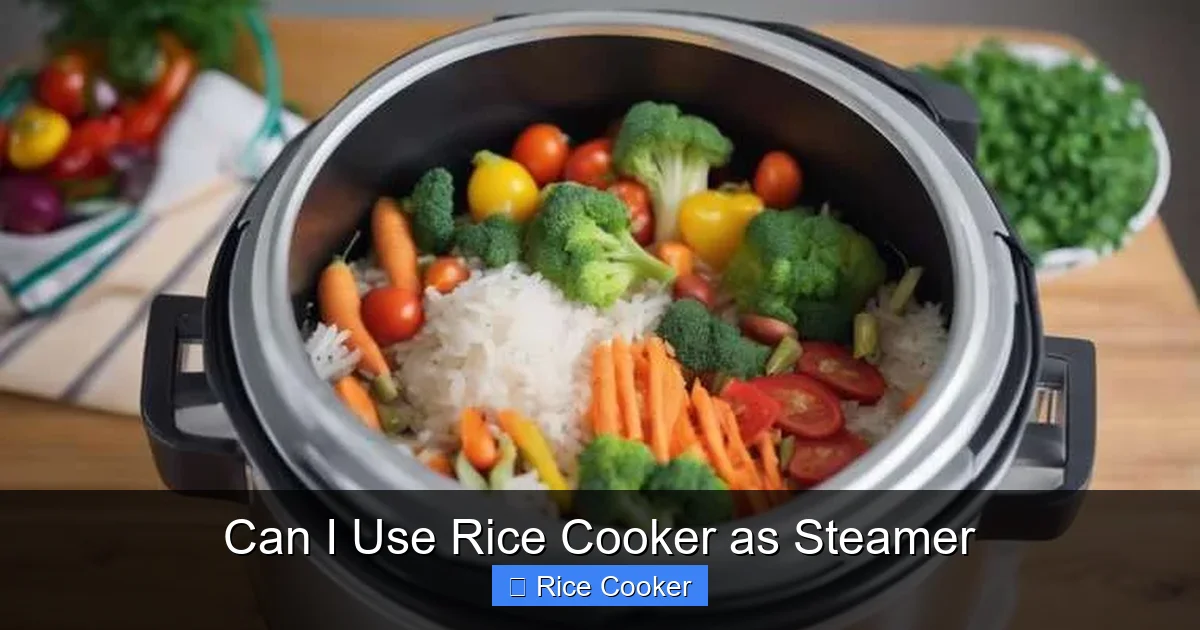
Visual guide about Can I Use Rice Cooker as Steamer
Image source: ricearray.org
A rice cooker creates steam by heating water at the bottom of its inner pot. As the water boils, steam rises and circulates around the food placed above. When the rice cooker reaches a preset temperature, it automatically switches to “warm” mode—but that doesn’t mean you should remove your food immediately. Many foods continue cooking gently during this phase.
Why Steaming in a Rice Cooker Is Smart
- Saves energy: A rice cooker uses less power than an oven or stovetop steamer.
- Conserves nutrients: Water-soluble vitamins like vitamin C and B-complex stay intact.
- Even cooking: Steam surrounds food uniformly, reducing risk of burning or uneven doneness.
- Hands-off convenience: Once set up, there’s minimal supervision needed.
- Space-saving: No need for separate steamer baskets or stacks of pots.
Whether you’re preparing a quick side dish or cooking a full meal, using your rice cooker as a steamer is a game-changer for busy families and health-conscious cooks alike.
Do All Rice Cookers Have Steaming Functions?
Built-In Steamer Trays
Many modern rice cookers—especially Japanese-style or high-end models—come with detachable stainless steel steamer baskets. These allow you to place food above the water level without direct contact. Popular brands like Zojirushi, Panasonic, and Instant Pot include such accessories.
If your rice cooker has a steaming function button (often labeled “Steam” or shown with a cloud icon), it likely includes a tray. Some even let you delay start times or control cooking duration via digital timers.
Models Without Dedicated Steamers
Don’t worry if yours doesn’t have a steamer basket. You can still convert it! The key is creating a safe, elevated platform for your food. Common household items like glass bowls, heatproof mugs, or even inverted lids can act as makeshift racks.
Just remember: never let water touch the heating plate or the base of the inner pot unless designed to do so. Most rice cookers have a non-stick coating that could peel if submerged.
How to Check Your Rice Cooker’s Capabilities
- Consult the user manual—it often lists compatible accessories.
- Look for a removable tray or perforated insert inside the pot.
- Test by placing a small bowl of water and a lid on top—if steam builds under the lid, your model can generate enough vapor.
If you’re unsure, search online for your model number + “steaming capability”—there are countless forums and videos showing creative adaptations.
Step-by-Step: Setting Up Your Rice Cooker as a Steamer
Option 1: Using the Built-In Steamer Tray
- Add ½ to 1 cup of water to the inner pot (check minimum line).
- Place the steamer basket inside, ensuring it sits snugly without touching the bottom directly.
- Arrange food neatly in the basket—don’t overcrowd.
- Close the lid and press the “Steam” button (or follow general cooking instructions).
- Cook for 10–25 minutes depending on the food.
- Let it sit for 5 minutes before opening to avoid splatters.
Option 2: DIY Steaming Setup (No Basket)
Here’s how to turn any rice cooker into a steamer:
- Gather materials: Heatproof glass bowl, metal colander, or inverted soup bowl.
- Add water: Fill the inner pot with 1–2 inches of water.
- Create a rack: Place the bowl upside down or rest the colander on two spoons inside the pot so food stays above water.
- Put food in container: Transfer ingredients (e.g., broccoli florets) to a heatproof dish that fits inside the bowl.
- Cover tightly: Use aluminum foil or a lid to trap steam.
- Cook:** Run the rice cooker cycle; monitor after 10 minutes.
Pro tip: For fragile foods like fish fillets, place them directly on a piece of parchment paper inside the container—this prevents sticking and makes cleanup easier.
What Can You Actually Steam in a Rice Cooker?
Vegetables
Steamed vegetables retain their vibrant color, crunch, and nutrients better than boiled ones. Try:
- Broccoli, cauliflower, and carrots (8–12 mins)
- Green beans and zucchini (6–8 mins)
- Mushrooms and bell peppers (5–7 mins)
Season lightly with olive oil, lemon juice, or soy sauce after cooking.
Eggs
Hard-boiled eggs made in a rice cooker are surprisingly easy:
- Place eggs in a single layer in the steamer basket.
- Cook for 12–15 minutes.
- Transfer to ice water for easy peeling.
Soft-boiled eggs take just 6–8 minutes—perfect for ramen or breakfast bowls.
Fish and Seafood
Delicate white fish like cod or tilapia steams beautifully:
- Drizzle with ginger, garlic, and soy sauce before steaming.
- Cook for 8–10 minutes until flakes easily.
- Add shrimp or scallops for a protein-packed meal (6–8 mins).
Dumplings and Gyoza
Steamed dumplings cook faster in a rice cooker than on a stovetop:
- Arrange frozen or homemade dumplings in the basket.
- Add ¼ cup water and cover.
- Cook for 10–12 minutes until skins are translucent.
Serve with dipping sauce and enjoy restaurant-quality results at home!
Baby Food
Pureeing steamed carrots or sweet potatoes is simple:
- Cut produce into chunks and steam for 10–15 minutes.
- Blend until smooth (add water if needed).
- Freeze in ice cube trays for easy portions.
This method avoids added oils or sugars while locking in natural sweetness.
Tips for Perfect Steaming Every Time
Use the Right Amount of Water
Too little water = dry food. Too much = soggy results. Start with ½ cup and adjust based on cooking time and humidity.
Preheat the Rice Cooker
Turn it on 2–3 minutes before adding food. This ensures consistent steam from the start.
Don’t Overload the Basket
Leave space between items for steam to circulate. Stack layers only if using separate containers.
Monitor Early On
Check after 5–7 minutes, especially for delicate foods like fish or leafy greens.
Keep the Lid Closed
Opening too often releases steam and extends cooking time.
Clean Immediately After Use
Residue can harden on the heating plate. Wipe with a damp cloth while warm.
Experiment with Flavors
Add slices of ginger, bay leaves, or citrus to the water for aromatic dishes—like steaming fish with orange segments.
Common Mistakes to Avoid
- Using cold water: Always add room-temperature or cold water straight from the tap—rice cookers heat quickly.
- Placing food directly in water: This turns steaming into boiling, which loses nutrients.
- Ignoring safety warnings: Never immerse the base unit in water.
- Expecting instant results: Steaming takes time—be patient!
- Skipping the warm cycle: Let food rest 5 minutes after cooking for even doneness.
Energy Efficiency Compared to Other Methods
According to energy studies, a rice cooker uses about 300–600 watts per hour, compared to 1,200+ watts for electric kettles or stovetops. That means steaming cabbage in your rice cooker for 10 minutes might use half the electricity of boiling it on the stove.
Plus, because the process is enclosed, less heat escapes into your kitchen—great for summer months!
Cleaning and Maintenance Tips
- Always unplug and cool completely before cleaning.
- Wipe the exterior with a soft cloth.
- Remove the inner pot and wash with mild soap (avoid abrasive scrubbers on non-stick surfaces).
- Check the sealing ring and vent regularly for blockages.
- Store the steamer basket separately if possible to prevent rust.
Regular maintenance ensures your rice cooker stays in top shape and continues steaming reliably for years.
Conclusion: Why You Should Start Steaming in Your Rice Cooker Today
Using your rice cooker as a steamer isn’t just a clever trick—it’s a smart upgrade to your daily cooking routine. Whether you’re looking to eat healthier, save time, or reduce clutter in your kitchen, this multi-functional appliance delivers on all fronts.
From tender green beans to succulent fish fillets, the possibilities are endless. And the best part? You probably already own the tool. No extra gadgets required. Just water, steam, and a little creativity.
So next time you’re meal prepping, whipping up a quick dinner, or introducing solids to a toddler, reach for your rice cooker—and turn it into a steaming station. Your taste buds, wallet, and kitchen will thank you.
Frequently Asked Questions
Can I steam meat in my rice cooker?
Yes, but choose lean cuts like chicken breast or pork tenderloin. Season well, place in a heatproof dish, and steam for 15–20 minutes until internal temperature reaches 165°F (74°C). Avoid fatty meats as they may release too much moisture.
How long does it take to steam vegetables in a rice cooker?
Most vegetables take 6–12 minutes. Harder veggies like carrots or broccoli need longer (10–12 mins), while leafy greens like spinach cook in just 3–5 minutes. Always check for tenderness with a fork.
Can I steam rice and other grains together?
Not recommended. Rice needs direct contact with liquid to absorb properly, while steaming requires dry heat above water. Mixing methods leads to inconsistent results—cook rice separately, then steam veggies.
Is it safe to leave food in the rice cooker after steaming?
Yes, but only if it’s fully cooked. The “warm” setting keeps food at 140–190°F (60–88°C), which is safe for up to 2 hours. Beyond that, bacteria can grow—discard leftovers promptly.
Can I use plastic containers for steaming?
Only if labeled “microwave-safe” and “heat-resistant.” Regular plastic melts at high temperatures. Glass, ceramic, or stainless steel are safer choices.
Does steaming in a rice cooker require special settings?
Not always. Many basic models work fine with standard cycles. Advanced ones have dedicated “steam” buttons for precise control. Follow manufacturer guidelines for best results.