
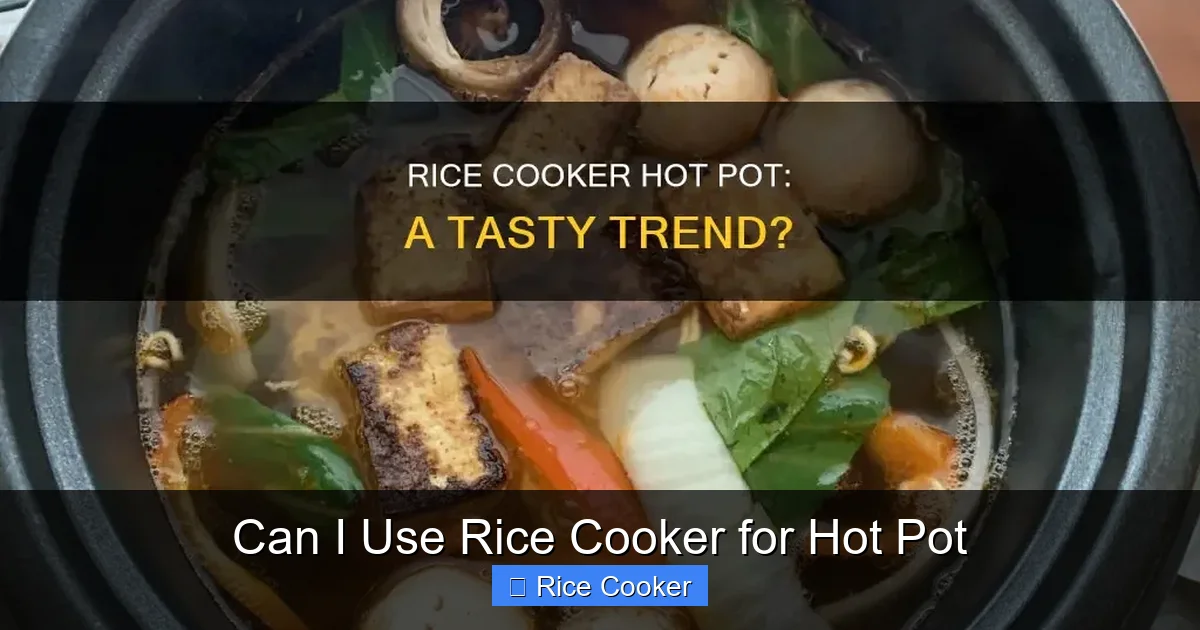
Yes, you can absolutely use a rice cooker for hot pot, and it’s a clever way to save money and space while enjoying a cozy meal. Rice cookers are designed to hold liquids and maintain heat, making them surprisingly well-suited for simmering broths and cooking ingredients. While not perfect for every hot pot style, many modern models work surprisingly well for home-style versions.
Have you ever found yourself staring at your trusty rice cooker, wondering if there’s more to it than just fluffy white rice? We’ve all been there. That little machine sits quietly in the corner of our kitchens, doing its job perfectly—until hunger strikes in the middle of winter and all we want is a steaming bowl of ramen or a bubbling hot pot with friends.
The short answer? Yes, you can use a rice cooker for hot pot—and surprisingly, it works pretty well for many people. But before you start tossing scallions and dumplings into your next batch of jasmine rice, let’s dig into what this actually means, how to do it safely, and when it might (or might not) be the best choice for your meal.
In this guide, we’ll walk through everything from checking your rice cooker’s compatibility to mastering broth-based recipes, troubleshooting common issues, and even comparing it to traditional hot pots. Whether you’re a college student with a tiny kitchen or a busy parent looking for quick dinner ideas, this article will help you decide if repurposing your rice cooker is worth it.
So grab your favorite ladle, and let’s explore whether your rice cooker has hidden potential as a hot pot powerhouse.
Key Takeaways
- Compatibility: Most rice cookers can function as hot pots, but check your model’s specifications for liquid capacity and safety features.
- Safety First: Only use rice cookers labeled “waterproof” or “stovetop-safe”—never submerge electrical components.
- Temperature Control: Rice cookers lack precise temperature settings, so expect variable heat that may affect cooking consistency.
- Space & Convenience: Using a rice cooker saves counter space compared to traditional stovetop hot pots and is ideal for small kitchens.
- Budget-Friendly: It’s a cost-effective alternative to buying a dedicated hot pot appliance, especially for occasional users.
- Cooking Tips: Add broth early, keep lids on, and stir occasionally to prevent sticking and ensure even cooking.
- Limitations: Deep-frying or high-heat searing won’t work; stick to simmering and boiling tasks.
📑 Table of Contents
Understanding Your Rice Cooker’s Capabilities
Before jumping into hot pot mode, it’s important to understand what your rice cooker was built to do—and what it wasn’t. Most standard electric rice cookers operate by heating a metal plate beneath the inner pot using electricity. The pot itself conducts heat upward, cooking grains evenly. Some models also include steam vents and automatic shut-off features.
While these functions are great for rice, they weren’t necessarily designed to handle large volumes of liquid or sustained boiling over long periods. However, many modern rice cookers have evolved. Newer models often feature thicker stainless steel inner pots, improved insulation, and even dual-heating systems that mimic stovetop behavior.
Still, there are limits. For example, most rice cookers aren’t rated for stovetop use or immersion in water beyond their designated inner pot. That means you shouldn’t dunk the entire unit into a sink full of broth or leave it running unattended for hours without monitoring.
That said, if your rice cooker has an inner pot that holds at least 3–4 quarts of liquid and is made of durable materials like aluminum or stainless steel, you’re likely good to go for basic hot pot applications.
What Makes a Rice Cooker Suitable for Hot Pot?
Several factors determine whether your rice cooker can handle hot pot duties:
– **Liquid Capacity**: Look for models with at least 5 cups (about 1.2 liters) of rice capacity—this usually translates to enough room for broth and ingredients.
– **Inner Pot Material**: Stainless steel resists scratches and corrosion better than plastic-coated options. Aluminum is fine too, as long as it’s non-toxic.
– **Heating Element Design**: Bottom-heating elements provide steady heat distribution, which helps maintain consistent temperatures during simmering.
– **Safety Features**: Automatic shut-off prevents overheating, which is crucial when cooking with open liquids.
If your rice cooker checks these boxes, you’re off to a great start. Just remember: while it *can* cook hot pot, it doesn’t always *do* it as efficiently as a purpose-built appliance.
Common Misconceptions About Rice Cooker Hot Pots
One big myth is that all rice cookers are interchangeable with hot pot appliances. Not true! Older or cheaper models may lack proper sealing, leading to steam leaks or electrical hazards. Another misconception is that you can deep-fry or sear meats in a rice cooker—again, nope. Those require direct flame or extreme heat, which rice cookers can’t deliver safely.
Also, some people assume that because rice cookers have timers and keep-warm functions, they’re ideal for overnight hot pot sessions. While keep-warm modes exist, prolonged exposure to moisture and heat can degrade gaskets and seals over time, increasing wear and tear.
So while your rice cooker is versatile, treat it with care and respect its design boundaries.
How to Use a Rice Cooker for Hot Pot Safely
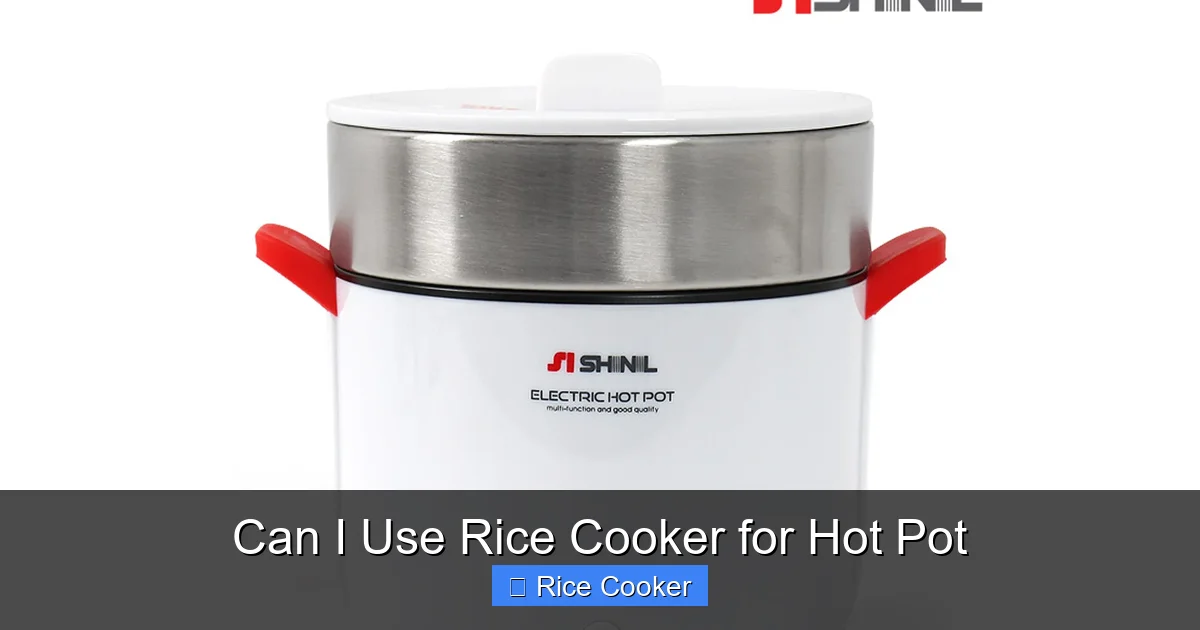
Visual guide about Can I Use Rice Cooker for Hot Pot
Image source: azhapasa.com
Now that we’ve covered the basics, let’s get practical. If you’re ready to transform your rice cooker into a makeshift hot pot, follow these step-by-step instructions to stay safe and maximize results.
Step 1: Choose the Right Model
Start by consulting your user manual. Look for phrases like “waterproof,” “broth-safe,” or “for soup and stew.” Brands like Zojirushi, Panasonic, and Cuckoo often market certain models specifically for multi-use cooking, including hot pots.
If your manual doesn’t mention liquid-based cooking beyond rice, proceed cautiously. Test with small batches first.
Step 2: Prepare the Inner Pot
Remove the inner pot and wash it thoroughly. Make sure it’s completely dry before adding any liquid—moisture inside the heating element area is dangerous.
Next, add your base ingredient: broth, water, or stock. Aim for about two-thirds full to avoid overflow when boiling. Too much liquid increases pressure and risk splattering.
Step 3: Add Ingredients Strategically
Place vegetables, noodles, tofu, or proteins directly into the broth. Avoid overcrowding—leave space so heat circulates properly. Harder items like root vegetables should go in first, while delicate greens come later.
For optimal flavor, consider sautéing aromatics (garlic, ginger, onions) briefly before adding them to the broth. This boosts taste without needing a separate pan.
Step 4: Close the Lid and Power On
Secure the lid tightly—many rice cookers have rubber seals that prevent steam escape. Plug in the unit and select the “Cook” or “Boil” setting if available. If not, simply press the power button and let it run until boiling begins.
Once bubbles form vigorously, reduce heat to low (if possible) or cover with a towel to muffle excess noise. Stir occasionally to prevent sticking.
Step 5: Monitor and Serve
Keep an eye on the pot during cooking. If the liquid starts boiling over, turn off the unit immediately and wipe down the exterior. Never remove the lid while under pressure.
When everything’s tender and flavors have melded together, serve directly from the rice cooker using serving utensils. Many models double as serving bowls!
Best Foods to Cook in a Rice Cooker Hot Pot
Not every dish belongs in a rice cooker hot pot—but plenty do! Here’s a curated list of foods that shine in this setup.
Traditional Asian-Inspired Hot Pot Dishes
– **Miso Ramen**: Simmer miso paste, dashi, and soy sauce in broth. Add ramen noodles, soft-boiled eggs, and sliced pork halfway through.
– **Korean Jjigae**: Try spicy tofu stew (dubu-jjigae) with silken tofu, kimchi, mushrooms, and egg. The rice cooker’s gentle simmer keeps ingredients tender.
– **Chinese Chongqing Hot Pot**: Though traditionally cooked on gas stoves, simplified versions with fewer oils and spices adapt well to electric heating.
– **Japanese Nabemono**: A one-pot meal featuring vegetables, tofu, and udon in clear broth—perfect for cold days.
These dishes rely on slow simmering rather than aggressive boiling, which aligns nicely with rice cooker capabilities.
Creative Western Adaptations
Don’t limit yourself to East Asian cuisine! Try:
– **French Cassoulet**: Lentils, sausage, and duck confit simmered slowly—just ensure the broth isn’t too thick.
– **Italian Ribollita**: Tuscan bread soup with cannellini beans, kale, and tomatoes. The rice cooker handles hearty textures beautifully.
– **American Chili Mac**: Combine chili, elbow macaroni, and cheese sauce. The keep-warm function keeps it cozy post-cooking.
The key is balancing liquid levels and avoiding overly rich or fatty broths that clog filters or cause overflow.
Tips for Flavor Enhancement
– **Toast Spices**: Lightly toast cumin, coriander, or star anise in a dry skillet before adding to broth.
– **Layer Broths**: Start with a vegetable stock, then infuse with fish sauce, oyster sauce, or Worcestershire for depth.
– **Finish with Freshness**: Garnish with cilantro, lime wedges, or chili oil right before serving.
Practical Examples: Real-World Recipes
Let’s put theory into practice with three easy recipes you can try tonight.
Recipe 1: Simple Vegetable Hot Pot (Serves 2–3)
**Ingredients:**
– 4 cups vegetable broth
– 1 carrot, sliced
– 1 cup mushrooms, halved
– 1 zucchini, chopped
– 1 block firm tofu, cubed
– 2 green onions, chopped
**Instructions:**
1. Add all ingredients except green onions to the inner pot.
2. Cover and cook on high until boiling (5–7 minutes).
3. Reduce heat to low, cover again, and simmer for 10 minutes.
4. Stir in green onions, close lid, and let sit for 2 minutes before serving.
This recipe uses minimal prep and maximizes nutrition—ideal for vegetarians or light eaters.
Recipe 2: Creamy Mushroom & Noodle Soup
**Ingredients:**
– 3 cups chicken or mushroom broth
– 8 oz egg noodles
– 2 cups sliced cremini mushrooms
– 1 tbsp butter
– 1 clove garlic, minced
– Salt and pepper to taste
**Instructions:**
1. Melt butter in the inner pot over medium heat (optional but recommended).
2. Sauté garlic and mushrooms for 3–4 minutes.
3. Pour in broth and bring to a boil.
4. Add noodles, cover, and cook for 6–8 minutes until al dente.
5. Season and serve warm.
Note: Skip the sauté step if your rice cooker lacks a browning function.
Recipe 3: Spicy Tofu Stew (Vegan Option)
**Ingredients:**
– 3 cups water
– 2 tbsp red curry paste
– 1 can coconut milk
– 1 block silken tofu
– 1 bell pepper, diced
– 1 tsp sugar
– Juice of ½ lime
**Instructions:**
1. Combine water, curry paste, and coconut milk in the inner pot.
2. Bring to a simmer, then add tofu and bell pepper.
3. Cook uncovered for 8–10 minutes until slightly thickened.
4. Stir in sugar and lime juice before serving.
Serve with steamed rice or crusty bread for dipping.
Troubleshooting Common Issues
Even experienced cooks hit snags now and then. Here’s how to fix typical problems when using a rice cooker as a hot pot.
Problem: Liquid Boils Over
**Cause**: Too much liquid + high heat = overflow.
**Solution**: Reduce liquid by ¼ cup and avoid covering the lid too tightly. Use a loose towel instead of sealing completely.
Problem: Food Sticks to the Bottom
**Cause**: Insufficient stirring or scorching.
**Solution**: Stir every few minutes, especially after turning on the unit. Add a splash of broth if things start browning.
Problem: Uneven Cooking
**Cause**: Thin inner pot or poor heat distribution.
**Solution**: Rotate the pot gently during cooking or choose recipes with uniform-sized ingredients.
Problem: Smell Lingers After Use
**Cause**: Residual food particles trapped near the rim.
**Solution**: Clean the inner pot thoroughly after each use. Soak sticky residue overnight in warm soapy water.
Problem: Unit Doesn’t Turn Off Automatically
**Cause**: Keep-warm mode stuck or malfunction.
**Solution**: Unplug immediately, let cool, then test. If persistent, consult the manufacturer—prolonged keep-warm cycles aren’t meant for open liquids.
Pros and Cons: Is It Worth It?
Like any kitchen hack, using a rice cooker for hot pot has upsides and downsides.
The Advantages
– **Space-Saving**: No need for a bulky hot pot appliance.
– **Energy Efficient**: Uses less power than a stove burner.
– **Easy Cleanup**: One pot means fewer dishes.
– **Beginner-Friendly**: Simple controls and automatic shut-off reduce stress.
– **Affordable Experimentation**: Great for testing recipes without investing in specialty gear.
The Drawbacks
– **Limited Capacity**: Best for 1–4 servings.
– **No Precision Temperature**: Can’t fine-tune between simmer and boil.
– **Potential Wear Over Time**: Frequent liquid exposure may shorten lifespan.
– **Not Ideal for Large Gatherings**: Traditional hot pots feed more people simultaneously.
Ultimately, if you already own a decent rice cooker and love hot pot, it’s a smart workaround. But if you host weekly dinner parties or prefer authentic stovetop control, you might still want dedicated equipment.
Alternatives to Consider
Before committing fully, ask yourself: are there other ways to enjoy hot pot without risking your rice cooker?
– **Stovetop Hot Pots**: Most reliable option—offers direct flame control and larger sizes.
– **Electric Slow Cookers**: Designed for liquids; often safer and more durable than rice cookers.
– **Portable Hot Pans**: Compact and stovetop-compatible—great for dorm rooms or camping.
– **Instant Pot or Multi-Cooker**: Combines pressure cooking, sautéing, and simmering in one device.
Each has trade-offs, but choosing based on your lifestyle ensures longevity and satisfaction.
Final Thoughts: Embrace the Versatility
At the end of the day, kitchens are about creativity and resourcefulness. If your rice cooker can double as a hot pot without compromising safety or flavor, why not give it a try? You might discover a new favorite meal routine or impress friends with your DIY culinary ingenuity.
Just remember: treat your appliance kindly, follow guidelines, and don’t push it beyond its limits. With a bit of caution and imagination, your rice cooker could become the unsung hero of your next cozy gathering.
Whether you’re whipping up ramen for one or hosting a veggie-loaded stew for family, the humble rice cooker proves that great meals don’t require fancy gadgets—just good ingredients and a willingness to experiment.
So go ahead—turn that dial, pour in the broth, and enjoy the bubbling magic of homemade hot pot, one grain (or noodle) at a time.
Frequently Asked Questions
Can I use any rice cooker for hot pot?
Not all rice cookers are suitable for hot pot. Only models labeled as waterproof or designed for liquid cooking—typically those with stainless steel inner pots and adequate capacity—are safe to use. Always check your manual first.
Is it safe to leave a rice cooker on while cooking hot pot?
Most rice cookers have automatic shut-off features, but it’s safest to monitor the process initially. Once boiling begins, you can reduce heat or cover loosely, but never leave it unattended for extended periods.
What size rice cooker do I need for hot pot?
A minimum of 5 cups (about 1.2 liters) of rice capacity is recommended, as this usually provides enough space for broth and ingredients without overflow. Larger models offer more flexibility for group meals.
Can I cook meat in a rice cooker hot pot?
Yes, but choose cuts that benefit from slow simmering like chicken thighs, pork shoulder, or beef stew pieces. Avoid very lean meats that may dry out.
Will using a rice cooker for hot pot damage it?
Frequent use with large amounts of liquid may accelerate wear on seals and gaskets. To minimize risk, clean thoroughly after each use and avoid prolonged keep-warm cycles with open liquids.
How do I clean my rice cooker after making hot pot?
Disassemble removable parts and wash with warm soapy water. Pay special attention to the lid gasket and steam vent to remove residue. Dry completely before reassembly.