
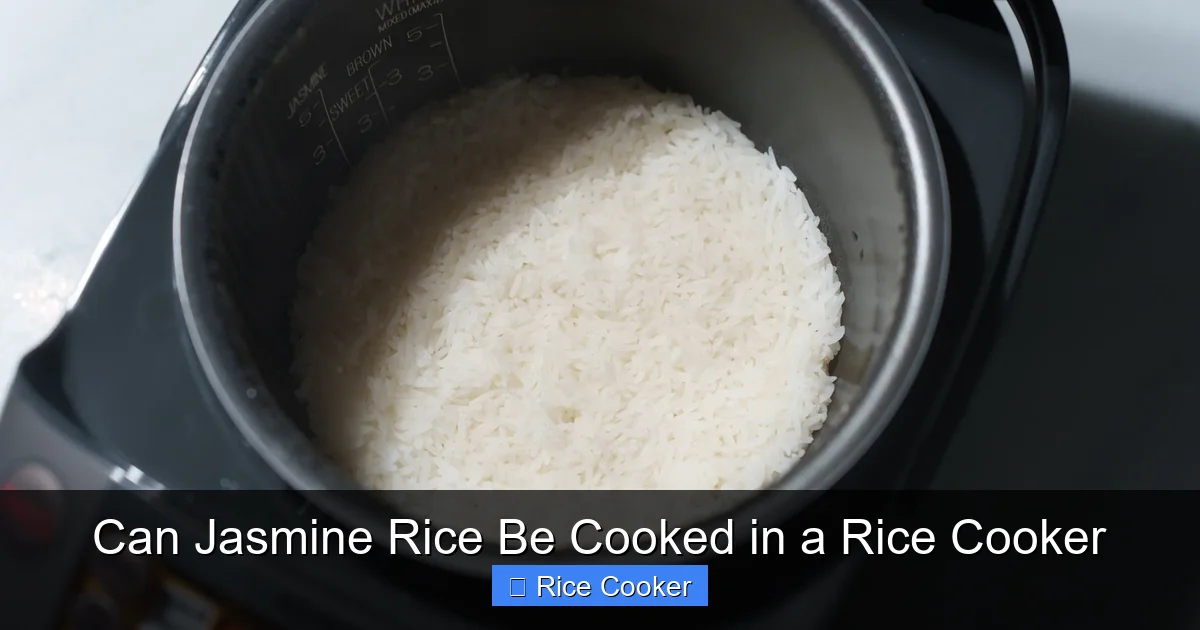
Can jasmine rice be cooked in a rice cooker? Absolutely! This aromatic grain is one of the most popular types used in rice cookers worldwide, and for good reason. With the right water-to-rice ratio and a few simple tips, you can achieve perfectly fluffy, fragrant jasmine rice every single time. Whether you’re new to cooking or a seasoned pro, using your rice cooker for jasmine rice is easy, consistent, and delivers restaurant-quality results with minimal effort.
Key Takeaways
- Jasmine rice works beautifully in rice cookers: Its starch content and structure respond well to the automated heat control.
- Use the correct water ratio: Typically 1:1.5 (rice to water), but adjust slightly based on grain age and brand.
- Rinse before cooking: Removing excess starch prevents clumping and ensures separation.
- Let it rest after cooking: A 5–10 minute rest allows steam to distribute evenly.
- Choose the right setting: Most modern rice cookers have a “white rice” or “aromatic” mode ideal for jasmine.
- Experiment with soaking: Soaking for 30 minutes can improve texture and reduce cooking time.
- Clean your cooker regularly: Residue buildup affects performance and flavor over time.
Key Takeaways
- Understanding can jasmine rice be cooked in a rice cooker: Provides essential knowledge
📑 Table of Contents
- Introduction: Why Jasmine Rice Belongs in Your Rice Cooker
- The Science Behind Jasmine Rice and Rice Cookers
- How to Cook Perfect Jasmine Rice in a Rice Cooker
- Common Mistakes and How to Avoid Them
- Tips for Elevating Your Jasmine Rice Game
- Different Types of Jasmine Rice and What They Mean
- Can You Cook Other Grains in the Same Pot?
- Troubleshooting: What to Do When Your Rice Goes Wrong
- Cleaning and Maintaining Your Rice Cooker
- Conclusion: Mastering Jasmine Rice Has Never Been Easier
Introduction: Why Jasmine Rice Belongs in Your Rice Cooker
There’s something magical about the first whiff of freshly cooked jasmine rice. That delicate floral aroma, the slightly sticky yet separate grains, and that tender chewiness—it’s no wonder this Southeast Asian staple has become a global favorite. But if you’ve ever wondered whether your trusty rice cooker can handle this fragrant grain, the answer is a resounding yes. In fact, using a rice cooker for jasmine rice is not only possible—it’s arguably one of the best ways to cook it consistently.
Unlike traditional stovetop methods that require constant monitoring and precise timing, a rice cooker automates the entire process. You add rice and water, press a button, and walk away. When you return, you’re greeted with perfectly cooked jasmine rice that’s neither mushy nor underdone. The secret lies in understanding how jasmine rice behaves during cooking and how your appliance responds to its unique properties.
Whether you’re making a Thai curry, biryani, sushi, or just enjoying it plain with a fried egg on top, mastering jasmine rice in a rice cooker opens up endless culinary possibilities. And the best part? It takes less than 30 minutes from start to finish. So let’s dive into everything you need to know to turn your rice cooker into a jasmine rice powerhouse.
The Science Behind Jasmine Rice and Rice Cookers
Visual guide about Can Jasmine Rice Be Cooked in a Rice Cooker
Image source: ricearray.org
Before we get into the how-to, it helps to understand why jasmine rice works so well in a rice cooker. Unlike long-grain brown rice or wild rice, jasmine rice has a medium-grain structure with a higher amylopectin content. This means it absorbs water readily, swells during cooking, and develops that signature soft, slightly chewy texture.
Rice cookers are designed to manage this exact behavior. They use internal sensors to detect when the water has been absorbed and automatically switch from heating to warming mode. For jasmine rice, this cycle is especially effective because the grain doesn’t require high heat like some other varieties. Instead, gentle, consistent warmth does the trick.
Modern rice cookers often come with multiple settings—white rice, brown rice, quick cook, steam, even slow cook. While many people default to the “white rice” setting, newer models include an “aromatic” or “jasmine” option that adjusts temperature and timing for optimal results. Even if yours doesn’t, you can still cook jasmine rice successfully by following a few key guidelines.
How to Cook Perfect Jasmine Rice in a Rice Cooker
Cooking jasmine rice in a rice cooker is simpler than you might think. Here’s a step-by-step guide to help you get it right every time.
Step 1: Measure and Rinse the Rice
Start by measuring your jasmine rice. A standard serving is about ½ cup uncooked rice per person. Use a dry measuring cup for accuracy. Once measured, place the rice in a fine-mesh strainer and rinse it under cold running water. Rub the grains gently between your fingers to remove excess starch. Continue rinsing until the water runs clear—this usually takes 3–5 rinses.
Rinsing is crucial because it prevents the rice from becoming too sticky. Jasmine rice naturally has more stickiness than basmati, but removing surface starch helps maintain individual grain integrity without sacrificing that lovely cling.
Step 2: Add Water in the Correct Ratio
For jasmine rice, the typical water-to-rice ratio is 1:1.5. That means 1 cup of rice to 1.5 cups of water. However, this can vary slightly depending on the brand and freshness of the rice. Newer, fresher jasmine rice tends to absorb more water, while older rice may need less.
If you’re unsure, start with 1.5 cups of water per cup of rice. After cooking, check the texture. If the rice is too dry or hard, next time try increasing the water by ¼ cup. If it’s mushy, reduce it slightly.
Step 3: Let It Soak (Optional but Recommended)
Soaking jasmine rice for 20–30 minutes before cooking can significantly improve texture. This allows the grains to absorb some moisture beforehand, leading to more even cooking and a fluffier result. Simply cover the rinsed rice with room-temperature water and let it sit while you prepare other ingredients.
After soaking, drain any excess water before adding it to the rice cooker. Then add your measured water (based on the original rice amount, not including soaked water).
Step 4: Cook Using the Right Setting
Add the soaked (or unsoaked) rice and water to the inner pot of your rice cooker. Close the lid securely. Select the “White Rice” or “Aromatic” setting if available. If your model only has a basic “Cook” button, that’s fine too—just avoid settings labeled “Brown Rice” or “Quick Cook,” as they may not provide enough heat.
Once the cycle starts, resist the urge to open the lid. Steam builds pressure inside, and opening it too early can cause uneven cooking.
Step 5: Rest and Fluff
When the rice cooker switches to “Warm” mode, let the rice sit for 5–10 minutes. This resting period allows residual steam to finish cooking the grains evenly and firms up the texture. Afterward, gently fluff the rice with a fork or rice paddle. Avoid stirring too vigorously—this can break the delicate grains.
Common Mistakes and How to Avoid Them
Even experienced cooks sometimes run into issues with jasmine rice. Here are the most common pitfalls and how to fix them.
Mistake 1: Not Rinsing the Rice
Unrinsed jasmine rice often comes out gummy or clumpy. Without rinsing, the starches coat each grain, causing them to stick together during cooking. Always rinse until the water runs clear.
Mistake 2: Using Too Much or Too Little Water
Too little water = dry, hard rice. Too much = mushy, soupy rice. Stick to the 1:1.5 ratio and adjust in small increments next time if needed. Keep notes on what works best for your specific brand and cooker model.
Mistake 3: Opening the Lid During Cooking
Every time you open the lid, you lose heat and disrupt the cooking cycle. Wait until the cycle completes before checking.
Mistake 4: Skipping the Resting Period
Skipping the 5–10 minute rest leads to uneven texture—some parts stay wet while others dry out. Always allow time for steam redistribution.
Mistake 5: Using Cold Water Immediately After Cooking
Some people try to cool down hot rice by adding cold water. This backfires by creating excess moisture and weakening the starch bonds. Just let it rest at warm temperature instead.
Tips for Elevating Your Jasmine Rice Game
Want to take your jasmine rice from good to extraordinary? Try these pro tips.
Use Room-Temperature Water
Adding cold water directly to cold rice can slow down absorption. Warm (not hot) water helps the grains cook more evenly. You can heat water separately and let it cool slightly before use.
Add a Pinch of Salt or Butter
A tiny pinch of salt enhances flavor, while a pat of butter adds richness and prevents sticking. Both are optional but highly recommended for a restaurant-style finish.
Try Saffron or Turmeric for Color
For a golden hue (like in paella or biryani), steep a few saffron threads in warm milk for 10 minutes, then stir into the cooking water. Turmeric works too—add it along with a pinch of salt to prevent fading.
Cook Rice with Vegetables or Broth
Replace some of the water with vegetable broth or chicken stock for extra flavor. You can also toss in a handful of frozen peas or carrots halfway through cooking for added nutrition.
Store Leftovers Properly
Cool cooked jasmine rice within two hours and store it in an airtight container in the fridge for up to 5 days. Reheat gently with a splash of water to restore moisture.
Different Types of Jasmine Rice and What They Mean
Not all jasmine rice is created equal. Understanding the differences can help you choose the best one for your needs.
Thai Jasmine Rice vs. Vietnamese Jasmine Rice
Thai jasmine rice is typically shorter and plumper, with a higher amylose content, giving it a firmer bite. Vietnamese jasmine rice tends to be longer and more slender, resulting in a softer texture. Both work well in rice cookers, but you might prefer one style depending on your recipe.
Premium vs. Regular Brands
Premium brands like Tilda, Jasmati (a blend of jasmine and basmati), or Royal Golden Foods offer superior aroma and consistency. Cheaper supermarket brands can vary widely in quality. If you’re serious about jasmine rice, investing in a reputable brand pays off.
Organic vs. Conventional
Organic jasmine rice avoids synthetic pesticides but may have a shorter shelf life due to lack of preservatives. Check expiration dates and store in a cool, dry place once opened.
Can You Cook Other Grains in the Same Pot?
Many rice cookers allow multi-grain cooking, but mixing jasmine rice with other grains requires care.
Compatible Grains
You can combine jasmine rice with quinoa, millet, or short-grain rice if you increase water slightly and extend cooking time. However, avoid mixing with long-grain varieties like basmati or wild rice, as their textures don’t complement each other well.
Steaming Simultaneously
Most rice cookers have a steaming tray accessory. Use it to steam fish, vegetables, or dumplings while the rice cooks below. Just fill the inner pot with water up to the minimum line, place the rice in the provided bowl, and insert the steaming rack.
Troubleshooting: What to Do When Your Rice Goes Wrong
Even with the best techniques, mistakes happen. Here’s how to recover.
If the Rice Is Too Dry
Place the cooked rice in a microwave-safe dish, cover loosely with a damp paper towel, and microwave for 1–2 minutes. Alternatively, stir in a teaspoon of water or broth and let it sit covered for 5 minutes.
If the Rice Is Too Wet or Mushy
Spread the rice on a baking sheet and let it sit uncovered at room temperature for 10–15 minutes to dry out. You can also transfer it to a skillet and gently heat it over low heat while stirring occasionally.
If the Grains Are Sticky or Clumped
This usually means insufficient rinsing or too much water. Next time, rinse more thoroughly and reduce water by ¼ cup. Also, ensure you’re using a clean, non-stick inner pot—residue can promote sticking.
Cleaning and Maintaining Your Rice Cooker
Proper maintenance ensures consistent performance and extends your cooker’s lifespan.
Clean the Inner Pot After Every Use
Remove the inner pot and wash it immediately with warm, soapy water. Don’t soak metal parts in water if your model isn’t dishwasher-safe. Wipe the exterior and lid with a damp cloth.
Avoid Harsh Scrubbers
Use a soft sponge or brush to protect the non-stick coating. Steel wool or abrasive pads will scratch the surface and trap food particles.
Check the Heating Element
Periodically inspect the bottom of the inner pot for mineral buildup or residue. If you live in an area with hard water, descale monthly using vinegar and water.
Store Properly
Keep the rice cooker unplugged and fully dry before storing. If your model has detachable cords, wrap them neatly to prevent damage.
Conclusion: Mastering Jasmine Rice Has Never Been Easier
Cooking jasmine rice in a rice cooker isn’t just convenient—it’s transformative. Gone are the days of watching the stove, stirring constantly, or risking burnt edges. With just a few simple steps—rinse, measure, add water, press start—you can enjoy consistently fluffy, aromatic jasmine rice every time.
The key is understanding your rice and your machine. Pay attention to water ratios, resting times, and cleaning habits. Over time, you’ll develop a feel for what works best for your setup. And soon, making perfect jasmine rice will become second nature.
Whether you’re feeding a family, hosting guests, or simply treating yourself to a comforting bowl, your rice cooker is now equipped to deliver excellence. So go ahead—grab that bag of jasmine rice, fire up your appliance, and savor the magic of perfectly cooked grains. Your taste buds will thank you.
Frequently Asked Questions
Can I cook jasmine rice in any rice cooker?
Yes, most rice cookers can handle jasmine rice. Even basic models work well as long as they have a reliable heating element and proper water absorption detection. Modern ones with multiple settings offer even better control.
Do I need to soak jasmine rice before cooking?
Soaking is optional but recommended. It helps the grains cook more evenly and results in a fluffier texture. Soak for 20–30 minutes, then drain before adding water to the cooker.
What’s the best water-to-rice ratio for jasmine rice?
The standard ratio is 1 cup rice to 1.5 cups water. Adjust ±¼ cup based on rice freshness and desired texture—newer rice may need more water.
Why is my jasmine rice sticky?
Sticking usually comes from excess starch or too much water. Always rinse thoroughly until the water runs clear, and ensure you’re using the right water ratio.
Can I cook jasmine rice with broth instead of water?
Absolutely! Replace half or all of the water with vegetable or chicken broth for extra flavor. Just keep the total liquid at the recommended level.
How long should I let jasmine rice rest after cooking?
Rest for 5–10 minutes after the cooker switches to warm mode. This allows steam to distribute evenly and improves texture before fluffing.