

Can kittens eat cooked rice? Yes, but only in moderation and as part of a balanced diet. Cooked rice is safe for kittens and can offer quick energy and digestive relief, but it should never replace high-quality commercial kitten food. Always consult your vet before making dietary changes.
Key Takeaways
- Safety First: Plain, cooked rice is non-toxic and generally safe for kittens when introduced properly.
- Nutritional Value: Rice provides carbohydrates for energy and may help soothe upset stomachs due to its bland nature.
- Portion Control: Small amounts (about 1–2 teaspoons per meal) are sufficient; overfeeding can lead to weight gain or digestive issues.
- Avoid Seasonings: Never serve rice with salt, oil, spices, or garlic—these are harmful to cats.
- Consult Your Vet: Before adding rice or any new food, talk to your veterinarian, especially for kittens under six months.
- Not a Meal Replacement: Rice lacks essential nutrients like taurine and protein, so it must complement—not replace—complete kitten food.
- Best Preparation Method: Steam-cook plain white or brown rice without additives and let it cool before serving.
📑 Table of Contents
- Can Kittens Eat Cooked Rice? A Friendly Guide for New Cat Parents
- The Basics: What Is Cooked Rice?
- Is Cooked Rice Safe for Kittens?
- When Might Cooked Rice Be Helpful for Kittens?
- How to Properly Prepare and Serve Cooked Rice to Kittens
- What About Rice Cereal or Instant Rice?
- Signs Your Kitten May Need Bland Food
- Alternatives to Rice for Sensitive Stomachs
- Common Myths About Feeding Rice to Cats
- Final Thoughts: Should You Feed Your Kitten Rice?
Can Kittens Eat Cooked Rice? A Friendly Guide for New Cat Parents
Bringing home a tiny kitten is one of life’s most joyful moments. You’re probably already thinking about their diet—what to feed them, how often, and what foods might sneak into their bowl by accident. One question that often pops up is: Can kittens eat cooked rice? If you’ve ever seen your curious feline eyeing leftover rice from your plate or wondering if rice cereal could be a snack, you’re not alone. This article dives deep into whether cooked rice is safe, beneficial, or potentially risky for your growing kitten.
Kittens have delicate digestive systems and specific nutritional needs that change rapidly during their first year. While they rely heavily on high-protein, high-fat foods rich in animal-based ingredients, there are occasional situations—like an upset tummy or a need for gentle calories—where something like cooked rice might seem helpful. But is it really okay? Let’s break it down clearly, simply, and without the fluff.
The Basics: What Is Cooked Rice?
Cooked rice is simply raw rice grains that have been boiled until soft and fluffy. It’s a staple carbohydrate source in many human diets and is made from starchy seeds of the grass species Oryza sativa or Oryza glaberrima. When prepared correctly—plain, unseasoned, and cooled—it becomes a mild, easily digestible food.
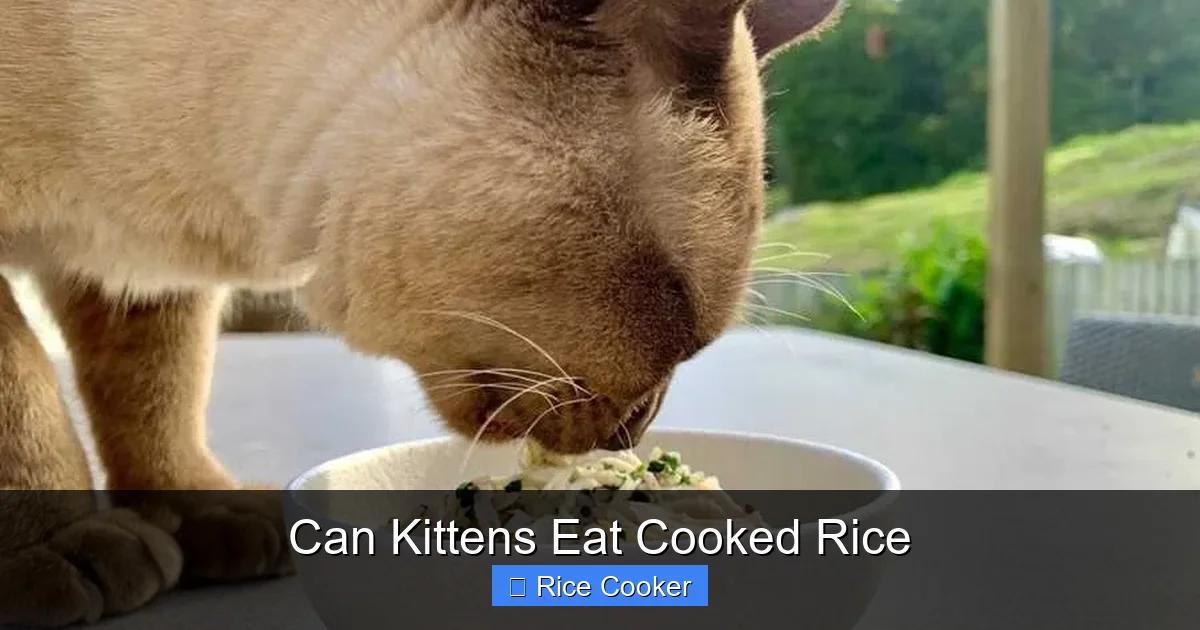
Visual guide about Can Kittens Eat Cooked Rice
Image source: metrocookingdallas.com
Types of Rice Suitable for Kittens
Not all rice is created equal when it comes to sharing with your pet. Here’s a quick guide:
- White Rice: The gentlest option. Quick-cooking or long-grain white rice is ideal because it’s soft and low in fiber.
- Brown Rice: Contains more nutrients and fiber than white rice, which can be good in small amounts. However, it takes longer to digest and may sit heavy in some kittens’ stomachs.
- Wild or Black Rice: These varieties are nutritionally denser but harder to find and may cause bloating. Not recommended for young kittens.
For most households, plain white rice steamed to tenderness is the best choice. Avoid instant rice (which contains preservatives), flavored rice mixes, or rice dishes with onions, garlic, or butter—all toxic or hard on digestion.
Is Cooked Rice Safe for Kittens?
The short answer: yes, plain cooked rice is generally safe for kittens. Unlike chocolate, onions, or grapes—which are outright dangerous—rice falls into the category of “non-toxic” when prepared right. That said, safety doesn’t mean suitability. Just because your kitten won’t die from eating a teaspoon of rice doesn’t mean it’s good for them regularly.
Potential Risks of Feeding Rice to Kittens
Even though rice is safe, there are downsides to consider:
- Low Nutrient Density: Rice lacks essential amino acids like taurine and arginine, which are vital for heart function and vision. Relying on rice as a main food source leads to malnutrition.
- Calorie Deficiency: A kitten needs at least 300–400 kcal per day. A cup of rice only provides about 200 kcal—not enough to sustain growth.
- Digestive Upsets: Some kittens develop gas or diarrhea after eating too much starch, especially if they’re not used to it.
- Choking Hazard: Overly dry or improperly cooked rice can clump or become crumbly, posing a risk to very small kittens.
That said, a small amount now and then—or even as part of a recovery diet—is usually fine. Think of it like giving your kid crackers during nausea: not a full meal, just temporary support.
When Might Cooked Rice Be Helpful for Kittens?
There are real scenarios where cooked rice can play a supportive role in your kitten’s health—but always under guidance from a vet.
Gentle Digestion Aid
If your kitten has eaten something that upset their stomach—like too much milk, a sudden change in food, or minor indigestion—a bland diet is often recommended. The BRAT diet (Bananas, Rice, Applesauce, Toast) is a classic human remedy, and rice fits right in. Its starch helps bind stools and calm inflammation in the gut.
Try offering ½ to 1 teaspoon of cooled, plain white rice mixed with a bit of plain yogurt or bone broth (unsalted!) once or twice daily. Monitor closely for improvement over 24–48 hours. If symptoms persist, stop feeding rice immediately and contact your vet.
Post-Illness Recovery
After gastrointestinal infections (viral enteritis, parasites), kittens often lose appetite and weight. In such cases, vets sometimes suggest reintroducing easily digestible carbs like rice to rebuild energy stores gently. Again, this is temporary and supplemental—never the primary food.
Training or Treats?
You might wonder if rice can be used as a training treat. While possible, it’s not ideal. Most commercial treats are formulated to be calorie-dense and nutrient-rich. Rice offers neither benefit and could encourage begging or poor eating habits.
How to Properly Prepare and Serve Cooked Rice to Kittens
If you decide to give your kitten rice—even just occasionally—follow these steps for safety and comfort.
Step-by-Step Preparation
- Choose Plain White Rice: Opt for organic or non-GMO if available, though not required. Rinse grains briefly to remove excess starch.
- Boil Without Additives: Simmer ½ cup rice in 1 cup water (or bone broth for extra flavor) for 15–20 minutes until very soft. No salt, no butter, no herbs.
- Cool Completely: Let it sit off heat for 10 minutes, then cool to room temperature. Hot food burns tongues; warm food can still harm delicate kitten mouths.
- Serve Small Portions: Start with ¼ to ½ teaspoon per serving. Gradually increase if tolerated.
- Store Safely: Leftovers can be refrigerated for up to 2 days or frozen in ice cube trays for later use. Reheat gently if serving again.
Mixing Tips
To make rice more appealing (and nutritionally complete), mix it with:
- Plain canned tuna or chicken (no bones, no seasoning)
- Unflavored gelatin or bone broth
- A tiny dab of plain yogurt or cottage cheese
This transforms rice from filler into a semi-complete meal—though still not a replacement for kitten formula or kibble.
What About Rice Cereal or Instant Rice?
Many parents consider infant rice cereal as a first solid food for kittens. While technically possible, it’s not advisable. Commercial rice cereals often contain added sugars, maltodextrin, or thickeners that offer no benefit and may trigger allergies or hyperactivity. Instant rice packets? Forget it—they contain sodium phosphates and other additives harmful to cats.
If you want to mimic the texture of rice cereal, make your own by cooking plain rice and mashing it finely with a fork. Skip the sugar and artificial flavors.
Signs Your Kitten May Need Bland Food
Knowing when your kitten isn’t feeling well helps you decide if bland foods like rice are appropriate. Watch for:
- Lethargy or decreased activity
- Vomiting (more than once in 24 hours)
- Diarrhea or loose stools
- Lack of appetite beyond 12–24 hours
- Hunched posture or sensitivity to touch around the belly
In these cases, a brief stint on a bland diet may help—but only if your vet approves. Never medicate or alter diet without professional advice, especially in kittens.
Alternatives to Rice for Sensitive Stomachs
If rice doesn’t agree with your kitten—or you’d prefer a different option—consider these safer alternatives:
- Pumpkin Puree: Unsweetened, canned pumpkin (not pie filling) is excellent for constipation or diarrhea due to its soluble fiber.
- Bland Chicken: Boiled, skinless, unseasoned chicken breast offers protein without irritants.
- Plain Yogurt: Probiotic-rich and gentle on digestion—give ½ teaspoon initially to test tolerance.
- Specialized Recovery Foods: Brands like Hill’s Science Diet i/d or Royal Canin Gastrointestinal Support are vet-recommended for sensitive systems.
Always transition slowly between foods using a 7-day switch protocol to avoid shocking their system.
Common Myths About Feeding Rice to Cats
Let’s clear up some misconceptions:
- Myth: “Rice makes cats sleepy because it’s filling.”
Truth: Carbohydrates do provide energy, but sleepiness isn’t typical. If your kitten seems sluggish, check for illness. - Myth: “All cats love rice—it’s a universal treat.”
Truth: Taste preferences vary. Many cats show zero interest. Forcing food is stressful and ineffective. - Myth: “Brown rice is always better than white.”
Truth: Brown rice is higher in fiber and nutrients but slower to digest. For sick kittens, white rice is often preferred. - Myth: “I can leave rice out all day for my kitten to nibble.”
Truth: Like all food, rice spoils. Bacteria grow quickly at room temperature, especially in humid climates.
Final Thoughts: Should You Feed Your Kitten Rice?
So, back to the original question: Can kittens eat cooked rice? The honest answer is yes—but rarely, and only in small amounts. It’s not a snack, supplement, or emergency food. Instead, think of it as a temporary tool in your toolkit for digestive care, much like how we might sip broth when we’re under the weather.
Your kitten’s primary nutrition should come from a high-quality commercial kitten food that meets AAFCO standards. These formulas are scientifically balanced with the exact proteins, fats, vitamins, and minerals kittens need for rapid growth, brain development, and immune strength. Rice simply doesn’t cut it as a standalone diet.
That said, there’s no harm in offering a tiny spoonful now and then—especially if your kitten has a sensitive tummy and your vet gives the green light. Just remember: moderation, plainness, and consultation are key.
If you’re ever unsure whether a food is safe—whether it’s rice, a human snack, or a new treat—your veterinarian is your best resource. They know your kitten’s history, temperament, and health status. When in doubt, ask. Better safe than sorry with our little furballs!
Frequently Asked Questions
Can kittens eat rice every day?
No, kittens should not eat rice daily. While plain cooked rice is safe in small amounts, it lacks essential nutrients like taurine and protein. Daily consumption can lead to malnutrition and digestive issues. Always prioritize complete kitten food for regular meals.
Is brown rice better than white rice for kittens?
Brown rice contains more fiber and nutrients than white rice, but it digests slower and may upset some kittens’ stomachs. For young or sick kittens, white rice is usually gentler. Choose based on your kitten’s tolerance and vet advice.
Can I feed my kitten rice cereal?
It’s not recommended. Most rice cereals contain added sugars, thickeners, or artificial flavors that offer no benefit and may cause adverse reactions. If you want a similar texture, cook plain white rice and mash it yourself without additives.
How much rice can I give my kitten?
Limit rice to ¼ to ½ teaspoon per serving, once or twice a day maximum. Never exceed this amount—even healthy foods can cause problems in large quantities. Monitor for signs of discomfort like bloating or diarrhea.
What should I do if my kitten vomits after eating rice?
Stop feeding rice immediately. Vomiting could indicate intolerance, overfeeding, or an underlying illness. Consult your veterinarian within 24 hours, especially if vomiting persists or is accompanied by lethargy or loss of appetite.
Can rice help with hairballs?
Rice does not prevent or resolve hairballs. Hairballs form from grooming, not dietary starch. To manage hairballs, use specialized cat foods, grooming tools, or vet-approved laxatives—not rice. Regular brushing is the most effective prevention.